




Maximize Your Space: Essential Small Studio Furniture Ideas for Cozy Living
Living in a studio can feel like a puzzle, right? You've got all your essentials – sleeping, eating, relaxing, working – crammed into one main area. The good news is, with the right small studio furniture, you can make it feel spacious and super functional. It's all about picking pieces that do more than one job and fit your space without making it feel crowded. Let's look at some ideas to get your studio feeling like home, just bigger.
Key Takeaways
- Multifunctional small studio furniture, like sofa beds and storage ottomans, is key to saving space by serving dual purposes.
- Utilizing vertical space with built-in storage, under-bed solutions, and wall units helps keep studios tidy and organized.
- Choosing furniture that's the right size and style, such as low-profile or modular pieces, makes a studio feel more open and airy.
- Defining different zones with rugs, lighting, or room dividers helps create distinct areas within a single studio space.
- Smart furniture placement, including floating pieces and maintaining clear paths, improves flow and makes the studio feel larger.
Embrace Multifunctional Small Studio Furniture
When you're living in a studio, every piece of furniture really needs to pull its weight. You can't just cram in a bunch of stuff and hope for the best; it's all about making smart choices that serve multiple purposes. This is where multifunctional furniture shines. It's the secret weapon for making a small space feel bigger and work better for you.
The Magic of Sofa Beds and Daybeds
Let's talk about the classic sofa bed. It's a total game-changer for studios. During the day, it's your comfy couch for lounging, watching TV, or having friends over. Then, when it's time to sleep, boom – it turns into a bed. No need to sacrifice a whole corner for a separate bed. Daybeds are similar, often looking like a stylish sofa but with the added bonus of being a bed. Some even come with built-in drawers underneath, giving you even more storage. It's a simple swap that saves a ton of floor space and makes your layout feel way less crowded. This kind of furniture is one of the most practical ideas for studios, offering flexibility without adding clutter. You can find some really great options for multi-use furniture that blend style and function perfectly.
Ottomans and Coffee Tables That Do More
Don't overlook the humble ottoman or coffee table. These aren't just for putting your feet up or holding your remote. Think about ottomans that lift open to reveal hidden storage. They're perfect for stashing blankets, books, or anything you want to keep out of sight but nearby. Coffee tables with lift-tops are also fantastic. They can easily convert into a makeshift desk or dining surface, which is super handy when you need a place to work or eat. Nesting tables are another smart pick. You get extra surfaces when you need them, like when guests are over, and they stack neatly away when you don't. This keeps your space functional without looking cluttered, which is key when every square foot counts.
Fold-Out and Nesting Tables for Flexibility
When it comes to dining or working, fold-out and nesting tables offer incredible flexibility. A wall-mounted table that folds down when you need it and disappears when you don't is a brilliant space-saver. Similarly, nesting tables, as mentioned, are great for providing extra surface area without taking up permanent real estate. They adapt to your lifestyle, giving you the freedom to rearrange your studio as needed. This adaptability is so important when you're trying to make a small space work for various activities.
Choosing furniture that serves more than one purpose is the smartest way to live in a studio. It means you get more functionality without the feeling of being cramped. Think about how each piece can do double or even triple duty.
These types of adaptable pieces are a cornerstone of making a studio apartment feel spacious and livable. They help you maximize your available space without sacrificing comfort or style, which is exactly what you want when decorating a small apartment.
Maximize Vertical Space with Smart Storage
When you're living in a studio, floor space is gold. So, where do you put all your stuff? You look up! Using the walls and the air above your head is a game-changer for keeping things tidy and making your place feel bigger. Think of all that unused wall space just waiting to hold your books, decor, or even kitchen gadgets.
Built-In Solutions for Seamless Storage
Built-in storage is like magic for small spaces. It fits perfectly into nooks and crannies, making everything look neat and intentional. Imagine cabinets that go all the way to the ceiling or shelves that wrap around a doorway. These aren't just storage; they add architectural interest and make your studio feel more custom. If you're in a rental, sometimes you can find clever ways to add temporary built-ins, or focus on pieces that look built-in, like a tall, narrow bookcase that almost touches the ceiling. This approach really helps to make your layout look more organized and less cluttered.
Under-Bed Storage Innovations
Your bed takes up a lot of room, but it can also be a storage powerhouse. Forget just shoving boxes under there; think about rolling drawers that slide out easily or even bed risers that give you more height. You can stash seasonal clothes, extra linens, shoes, or anything you don't need every day. It’s a simple trick that keeps your belongings hidden but still accessible. This is especially great for keeping your sleeping area feeling calm and organized.
Wall Units and Shelving Strategies
Wall units and open shelving are your best friends when floor space is limited. Floor-to-ceiling bookshelves can make your ceiling seem higher, drawing the eye upward. You can use them for books, plants, photos, or even to store kitchen supplies. Consider modular shelving systems that you can reconfigure as your needs change. For a more polished look, look into wall-mounted units that have doors or drawers to hide away clutter. These solutions help you make the most of every inch, turning blank walls into functional storage zones. You can find some great clever storage solutions that focus on using vertical space effectively.
Don't underestimate the power of small storage additions. Hooks behind doors for bags, decorative baskets on shelves to hide small items, and furniture with hidden compartments can make a huge difference in keeping your studio tidy and spacious.
Choosing the Right Scale and Style
When you're working with a small studio, picking furniture that fits both the size of your space and your personal taste is a big deal. It's not just about what looks good; it's about making sure everything works together without making the place feel cramped. The right scale and style can make a small studio feel much more open and livable.
Low-Profile Furniture for an Airy Feel
Think about furniture that sits closer to the ground. Low-profile pieces, like sofas with short legs or coffee tables that are closer to the floor, create a sense of more open space above them. This visual trick makes the ceiling seem higher and the room feel less boxed in. It's like giving your studio a breath of fresh air. When choosing colors, sticking to lighter, neutral tones can really help bounce light around. This is a common trick in minimalist interior design, which often uses a simple color palette to make spaces feel larger and calmer.
Lightweight and Modular Pieces
Flexibility is key in a studio. Furniture that's lightweight means you can actually move it around when you need to. Maybe you want to rearrange for a movie night or clear a space for a yoga session. Modular pieces are also fantastic because they can be adapted. Think about a sectional sofa where you can change the configuration, or nesting tables that tuck away when not in use. This adaptability means your furniture can work for you, not the other way around. It's about having pieces that can grow and change with your needs.
Custom vs. Ready-Made Small Studio Furniture
This is where you have to weigh your options. Custom furniture is great for those tricky nooks or oddly shaped spaces. You can get pieces made to fit perfectly, using every inch of your studio. However, custom can get pricey and take a while to be made. Ready-made furniture, on the other hand, is usually more affordable and available right away. You can find some really smart, versatile options off the shelf these days. A good strategy is often a mix of both – maybe a custom-built storage unit for a specific spot and some stylish, ready-made seating.
Planning your studio layout involves more than just picking out furniture. It's about understanding how you use your space and choosing pieces that support your lifestyle. Don't be afraid to mix and match styles or to think creatively about how each item can serve multiple purposes. The goal is to create a home that feels both functional and uniquely yours, no matter the square footage.
Defining Zones in Your Studio Layout
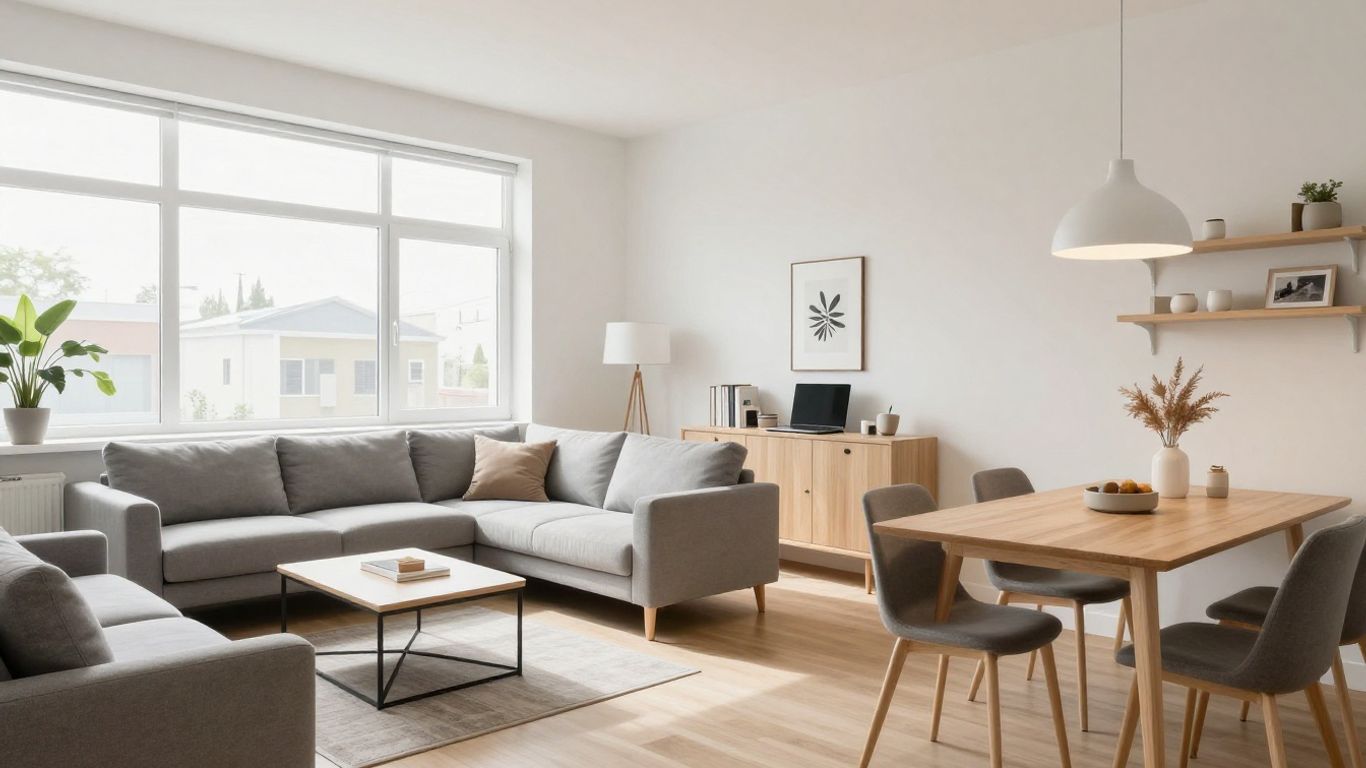
Living in a studio means one big room has to do a lot of jobs. It's your bedroom, your living room, maybe even your office. The trick to making it feel less like a single box and more like a functional home is to create distinct zones. You don't need walls to do this; clever use of furniture, rugs, and lighting can work wonders. The goal is to give each area a purpose and a visual identity.
Using Rugs and Lighting to Delineate Areas
Rugs are fantastic for visually separating spaces. Placing a rug under your sofa and coffee table instantly defines your living area. Similarly, a rug in your sleeping nook can make it feel like a separate bedroom. Think about different textures and colors to give each zone its own feel. Lighting is another powerful tool. A bright overhead light might be good for your workspace, while a softer lamp by the bed creates a cozy atmosphere. You can even use pendant lights over a dining area to make it stand out.
- Living Area: Use a larger rug, comfortable seating, and ambient lighting.
- Sleeping Area: Opt for a smaller rug, a bedside lamp, and perhaps some blackout curtains.
- Work Area: A desk lamp and a rug can help define this space, making it feel productive.
Room Dividers for Added Privacy
Sometimes, you just need a little separation. Room dividers are perfect for this. They don't have to be solid walls. Think about open shelving units that can hold books and decor while still letting light through. Tall plants can also act as natural dividers, adding a touch of green. Even a stylish screen or a hanging curtain can create a sense of privacy for your sleeping area without making the whole studio feel closed off. This helps you create distinct zones for living, sleeping, and working.
When you're trying to make a single room feel like multiple spaces, think about how each area will be used. This helps you choose the right elements to define it, whether it's a rug, a piece of furniture, or a lighting fixture.
Statement Pieces to Anchor Each Zone
To really make your zones feel intentional, consider adding a statement piece to each one. This could be a unique piece of art above your sofa, a striking headboard for your bed, or a cool desk for your workspace. These items draw the eye and give each area its own personality. It’s like giving each part of your studio its own little anchor, making the whole layout feel more organized and stylish. It helps your studio feel less like one big room and more like a collection of thoughtfully arranged spaces, even if they're all in the same physical area. This approach can make your studio feel much more like a home, not just a place to sleep. You can find some great ideas for multifunctional furniture that can also serve as statement pieces.
Clever Furniture Placement for Flow
Okay, so you've got your multifunctional furniture and your vertical storage sorted. Now, how do you actually arrange it all so your studio doesn't feel like a cluttered maze? It's all about thinking about how you move through the space. We want things to feel open, even when they're not.
Floating Furniture for Organic Movement
Forget pushing everything against the walls. Sometimes, pulling a sofa or a chair a little bit away from the wall can actually make the room feel bigger. It creates a little breathing room and suggests different zones without needing actual walls. Think of it like creating little islands of furniture. This can make the pathways between them feel more natural and less like you're squeezing past things. It's a bit of an art, but it really changes how a room feels. You can even use a rug to define the 'island' of your seating area, making it feel intentional. This approach helps to make the most of your small studio apartment by strategically using furniture. making the most
Maintaining Clear Walkways
This is a big one. No one likes feeling like they have to do a weird shuffle to get from the couch to the kitchen. Always think about the main paths you'll take throughout the day.
- Entry to Living Area: Make sure there's a clear shot from your front door to where you'll likely relax.
- Kitchen to Sofa: You'll want easy access for snacks and drinks, right?
- Bedroom Area to Bathroom: This is a must for those late-night trips.
Try to keep these main routes at least 2-3 feet wide. It sounds like a lot, but it makes a huge difference in how spacious the place feels. If you have furniture on wheels, like a coffee table or even a small storage chest, you can easily move it out of the way when you need to create more open space. This gives you more freedom to rearrange when needed, which comes in handy if you’re exploring different studio apartment bedroom ideas and want to keep the layout flexible.
Utilizing Entryway Space Effectively
Your entryway is often the first impression of your studio, and it's also a prime spot for clutter if you're not careful. Instead of letting shoes and bags pile up, think about smart solutions. A slim console table can hold keys and mail, and underneath it, you can stash shoes in a basket. If you have a bit of space behind your sofa, don't let it go to waste! A narrow dresser or a floating shelf can add storage without taking up precious floor space. Even a tall, narrow bookshelf can work wonders here. The goal is to make this transition zone functional and tidy, so the rest of your studio can feel more open and organized. It's about making sure your furniture serves multiple purposes, like a daybed or sofa bed to combine seating and sleeping areas, saving valuable space. Opt for a daybed
When arranging furniture, visualize yourself walking through the space. Are there any awkward bumps or tight squeezes? If so, adjust. Small changes in placement can lead to a much more comfortable and livable studio.
Transforming Studio Spaces with Beds
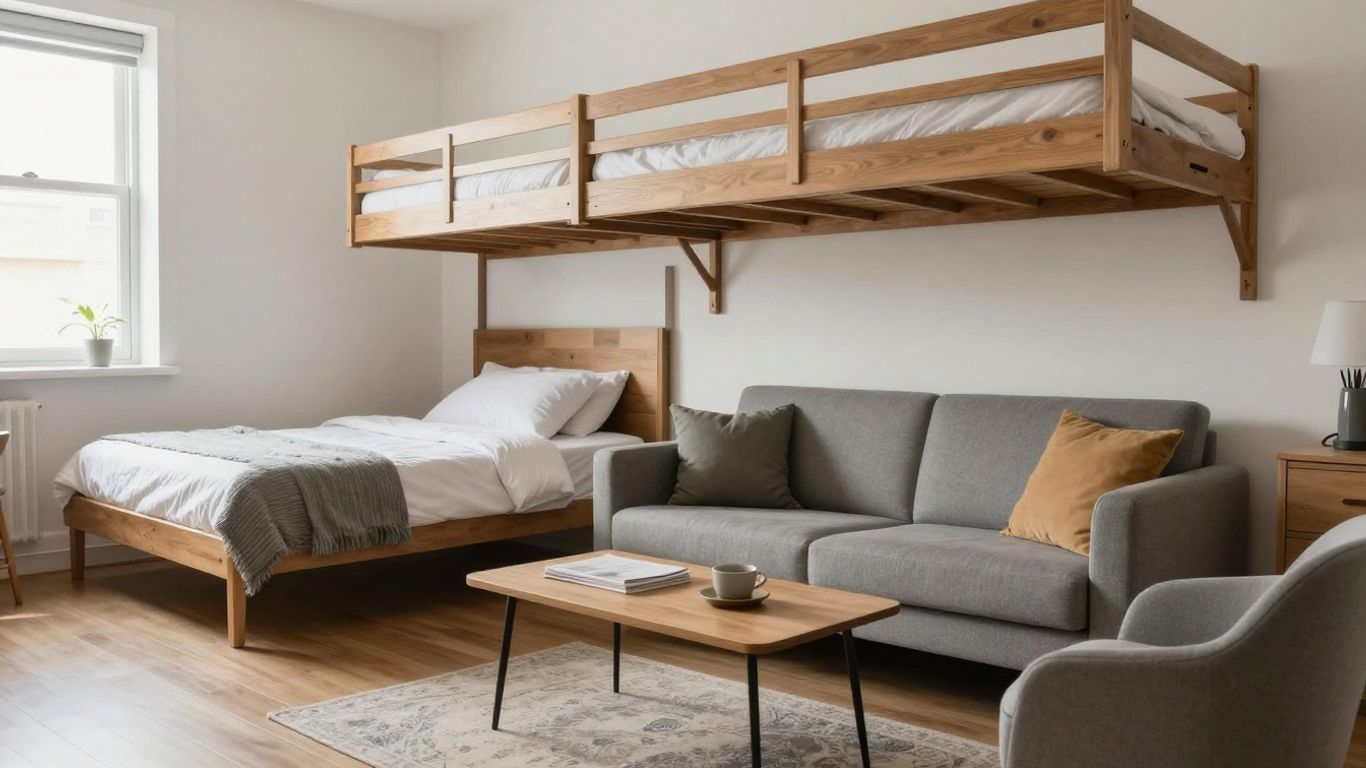
The bed is often the biggest piece of furniture in any home, and in a studio apartment, it can really dictate how the rest of your space feels and functions. But don't let it be a space hog! There are some really clever ways to make your bed work for you, turning it from a potential obstacle into a smart solution.
The Space-Saving Murphy Bed
If you're looking to reclaim floor space, a Murphy bed is a game-changer. This type of bed folds up vertically into a cabinet or a wall unit when not in use. Imagine being able to completely transform your living area from a bedroom into a functional living room in minutes. It's a fantastic option for studios where you need to switch between sleeping and lounging or working throughout the day. While they can be a bit of an investment upfront, the daily benefit of having so much open space is often worth it. Many modern designs look like stylish wall units when the bed is put away, so they don't have to be an eyesore.
Loft Beds for Elevated Living
Got high ceilings? A loft bed is your best friend. By raising the sleeping area, you create a whole new zone underneath. This space can become a cozy home office, a small lounge area with a sofa, or even a dedicated dining nook. It's like adding an extra room without building any walls. Loft beds are particularly great for studios under 400 square feet where every inch counts. They're also a smart choice if you need a distinct work or relaxation area separate from your sleeping space.
Daybeds as Dual-Purpose Furniture
Daybeds offer a simpler, often more budget-friendly, alternative to Murphy or loft beds. During the day, they function perfectly as a comfortable sofa, ideal for relaxing, watching TV, or hosting friends. When it's time to sleep, they easily convert into a bed. Many daybeds also come with built-in storage drawers underneath, adding even more utility. This makes them a super practical choice for small studios, providing seating and sleeping without taking up double the space. You can even style them to look like a chic sofa, making the transition between day and night use feel natural. A well-placed daybed can really anchor a living area, especially when paired with a low platform bed for an even airier feel.
Making Your Studio Feel Like Home
So, living in a small studio doesn't mean you have to feel cramped. By picking furniture that does more than one job, like a sofa bed or ottomans with storage, you can really make the most of your space. Think about pieces that are low to the ground or can be tucked away when you don't need them. Even small things, like using mirrors or keeping things organized by the door, can make a big difference. It’s all about being smart with what you choose and how you arrange it. With a little planning, your studio can be a super cozy and functional place to live, no matter how small it is.
Frequently Asked Questions
What is the best type of furniture for a small studio apartment?
In a small studio, furniture that does more than one job is super helpful. Think about sofa beds that are comfy for sitting and turn into a bed at night, or storage ottomans that hide things and give you extra seats. Foldable tables are great too, as they can be put away when you don't need them. These kinds of pieces help you save space and keep your home tidy.
How can I make my studio apartment feel bigger?
To make your studio feel larger, choose furniture that sits low to the ground, like sofas with thin arms or beds that aren't too bulky. This lets light and air flow around, making the room seem more open. Also, using light colors and mirrors can trick the eye into thinking the space is bigger than it is.
Is it better to buy custom or ready-made furniture for a studio?
Ready-made furniture is usually cheaper and you can get it right away, plus there are lots of options for small spaces. Custom furniture can be great if you have a tricky layout, as it's made to fit perfectly. A good mix is to get a few custom pieces for special spots and fill the rest with ready-made items that fit your style and budget.
How can I create different 'zones' in a studio apartment?
You can divide your studio into different areas using rugs to mark spots for living, sleeping, or eating. Different lighting can also help set the mood for each zone. You can also use things like bookshelves or curtains as room dividers to create separate spaces without making it feel too closed off.
What's the best way to store things in a small studio?
Using vertical space is key! Think about shelves that go up high, or storage units built into the walls. Under-bed drawers or bins are fantastic for hiding clothes or extra bedding. Even using the space above cabinets or doors can add storage. Built-in storage makes everything look neat and tidy.
How important is furniture placement in a studio?
Placement is super important! Arranging furniture so there are clear paths to walk around makes the space feel much bigger and easier to move through. Try not to push everything against the walls; sometimes floating furniture a bit can create a more natural flow. Making sure you can get around easily is key to a comfortable studio.


Leave a comment