




Mastering Your Ambiance: The Ultimate Guide to Lights for Sloped Ceilings
Dealing with lights for sloped ceilings can feel a bit tricky, right? You've got these cool angled walls and ceilings, but figuring out how to hang lights so they look good and actually light up the room can be a puzzle. It’s not like a flat ceiling where you just stick anything up there. You need to think about how the light will fall, what kind of fixtures will work best with the angle, and how to make it all look intentional, not just thrown together. This guide is here to help you sort it all out, making sure your sloped ceilings get the lighting they deserve.
Key Takeaways
- Sloped ceilings present unique lighting challenges due to their angles, affecting how light spreads and where fixtures can be placed.
- Layering light sources—ambient, task, and accent—is vital for creating a balanced and functional lighting scheme in vaulted spaces.
- Pendant lights, chandeliers, and track lighting are popular fixture types that can be adapted for sloped ceilings, each offering different aesthetic and functional benefits.
- Wall sconces and accent lighting play a role in filling darker areas and highlighting architectural features common in rooms with sloped ceilings.
- Prioritize safety during installation and maintenance, especially when working at heights, and consider smart lighting for easier control.
Understanding Lighting for Sloped Ceilings
Sloped ceilings, often found in attics converted into living spaces or in homes with a more dramatic architectural style, present a unique set of challenges when it comes to lighting. Unlike standard flat ceilings, the angles and varying heights mean that a one-size-fits-all approach just won't cut it. You can't just slap up any old fixture and expect it to look right or provide the light you need. It’s about working with the architecture, not against it.
The Unique Challenges of Sloped Ceilings
So, what makes lighting these spaces so tricky? For starters, the angle itself. Light fixtures can end up pointing at weird angles, casting shadows where you don't want them or creating glare. Then there's the height. Some parts of the ceiling might be quite high, making it hard to get light down to where you actually need it, like over a reading chair or a kitchen counter. This can leave areas feeling dim and unwelcoming. Plus, the slope can make it difficult to hang fixtures at a consistent, visually pleasing height. You might end up with a pendant light that's too close to the sloped part of the ceiling, looking awkward, or one that hangs too low and becomes a head-bumping hazard.
Key Factors for Sloped Ceiling Lighting
When you're planning your lighting, there are a few things to keep in mind. First, think about scale and proportion. A fixture that looks great in a room with a flat, 8-foot ceiling might get lost in a room with a 15-foot peak. You need fixtures that are substantial enough to make a statement without overwhelming the space. Second, consider the functionality of the room. Is it a place where you'll be doing a lot of reading or cooking, or is it more for relaxing and watching movies? The lighting needs to support those activities. Finally, don't forget about style. The fixtures should complement the overall look of your home, adding to the ambiance rather than detracting from it. It's a balancing act, for sure.
Balancing Style and Functionality
Finding that sweet spot between looking good and working well is the goal. You want fixtures that are attractive and add to your home's decor, but they also need to provide the right kind of light. For example, a beautiful chandelier might look stunning, but if it doesn't cast enough light for your needs, it's not serving its purpose. Conversely, a super-functional but unattractive fixture can make a room feel less inviting. It’s about choosing lights that do both jobs well. Sometimes, this means looking at fixtures specifically designed for sloped or vaulted ceilings, which are built to handle those angles. Other times, it's about layering different types of light to get the best of both worlds.
Working with sloped ceilings means embracing their unique character. Instead of fighting the angles, use them to your advantage. Think about how light will fall and interact with the surfaces, and choose fixtures that complement the architectural lines.
Layering Light Sources for Vaulted Spaces
High ceilings can feel a bit cavernous if you don't get the lighting right. Relying on just one overhead light often leaves corners dark and the space feeling flat. That's where layering your light sources comes in. It's all about using different types of lights to create a warm, functional, and visually interesting atmosphere.
Ambient Lighting Essentials
Ambient light is your base layer, providing general illumination for the entire room. For vaulted ceilings, this might mean using recessed lights strategically placed to cover the main areas. However, don't just stick them anywhere. Think about how the light will hit the sloped surfaces. Adjustable recessed lights can be angled to wash walls or provide general light without creating harsh shadows on the ceiling itself. Another option is a central fixture that provides a good spread of light, like a flush mount or semi-flush mount fixture that sits closer to the ceiling.
Strategic Task Lighting Placement
Task lighting is focused light for specific activities. In a living room with a vaulted ceiling, this could mean a floor lamp next to your favorite reading chair or a pendant light over a coffee table. If you have a kitchen island or a workspace below a high ceiling, pendant lights are fantastic. They hang down, bringing the light closer to where you need it. The key is to bring the light down to the functional level, not leave it all up high.
Accent Lighting to Highlight Features
Accent lighting is where you can really play up the drama of a vaulted ceiling. This is for highlighting architectural details like exposed beams, interesting ceiling textures, or artwork on the walls. Track lighting is a go-to here because you can aim the spotlights precisely. Wall sconces also work wonders, adding a warm glow to the walls and filling in any dimmer spots. They help create a cozy feel and draw the eye around the room.
Think of your lighting like painting with light. You need broad strokes for the base, focused brushes for details, and then maybe a little sparkle to make it all pop. It's not just about seeing; it's about feeling the space.
Here’s a quick breakdown of how different lights contribute:
- Ambient: General illumination (e.g., recessed lights, central fixture).
- Task: Focused light for activities (e.g., pendant over a desk, reading lamp).
- Accent: Highlighting features (e.g., track lights on beams, wall sconces).
Combining these layers means you can adjust the mood and functionality of your space throughout the day. For instance, you might dim the ambient lights and turn on accent lighting for a relaxed evening. This approach makes your vaulted space feel more intimate and inviting, no matter the time of day. You can find great options for pendant lights and chandeliers that work well in these kinds of rooms.
Choosing the Right Fixtures for Sloped Ceilings
So, you've got these amazing sloped ceilings, right? They add so much character, but picking out the right lights can feel like a puzzle. It's not just about how pretty a fixture looks; it's about how it works with those angles and heights.
The Impact of Pendant Lights
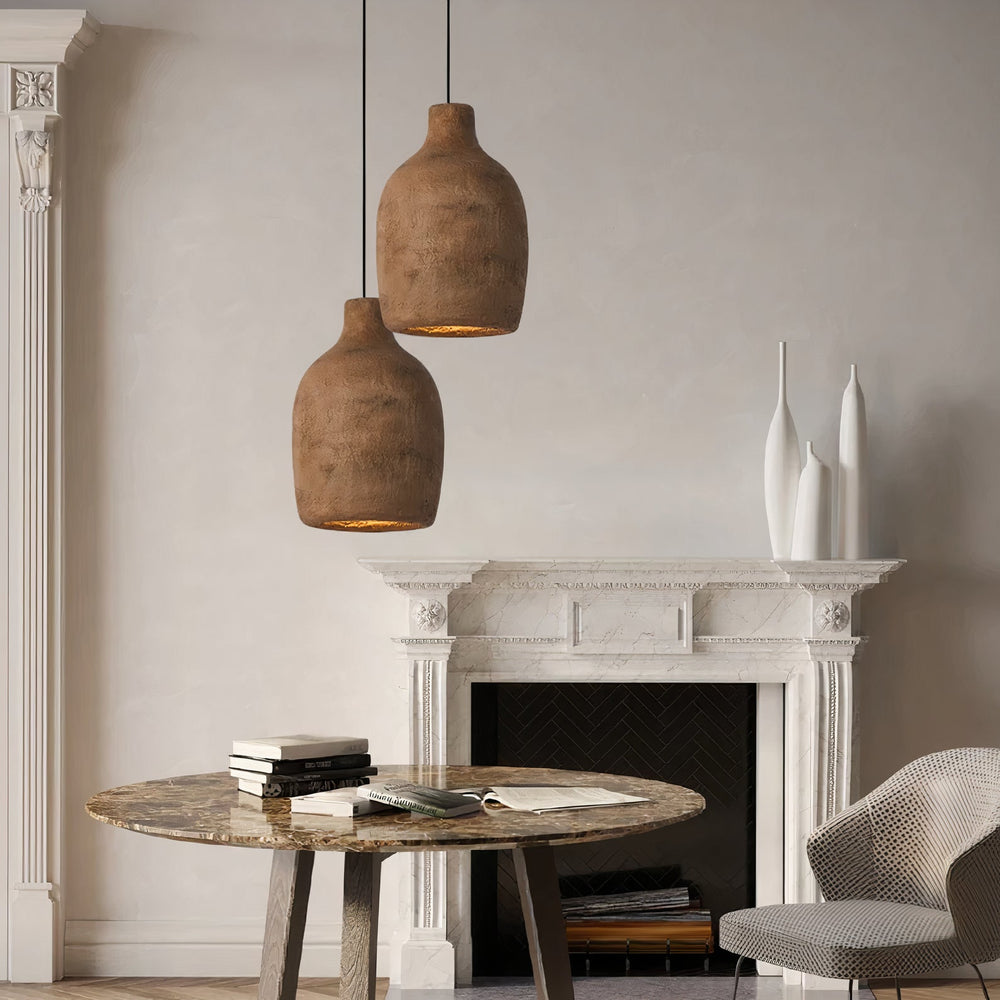
Pendant lights are super popular for sloped ceilings, and for good reason. They're really flexible. You can adjust how low they hang, which is great for bringing light down into the room without making it feel cramped. Imagine hanging a few over your kitchen island or a reading nook. You can even play with different heights for a bit of visual flair, just make sure they're all at a consistent distance from the floor so it looks intentional.
Grandeur of Chandeliers
If you want to make a real statement, a chandelier is the way to go. These can totally transform a room with high, sloped ceilings, acting as a stunning centerpiece. The trick is getting the size and placement just right. Hang it too high, and it just kind of disappears into the vastness. Too low, and you might be ducking! It's all about finding that sweet spot that highlights the ceiling's architecture without getting in the way.
Versatility of Track Lighting
Track lighting is another solid choice, especially if you want to direct light exactly where you need it. Think about those awkward corners or artwork you want to highlight. You can get adjustable track lights that swivel and tilt, which is perfect for sloped surfaces. They offer a clean, modern look and can be really practical for making sure every part of the room gets some attention.
When picking out lights for a sloped ceiling, always think about the room's main purpose. A cozy bedroom needs different lighting than a busy home office. Make sure your chosen fixtures provide enough light for whatever activities happen there.
Incorporating Wall and Accent Lighting
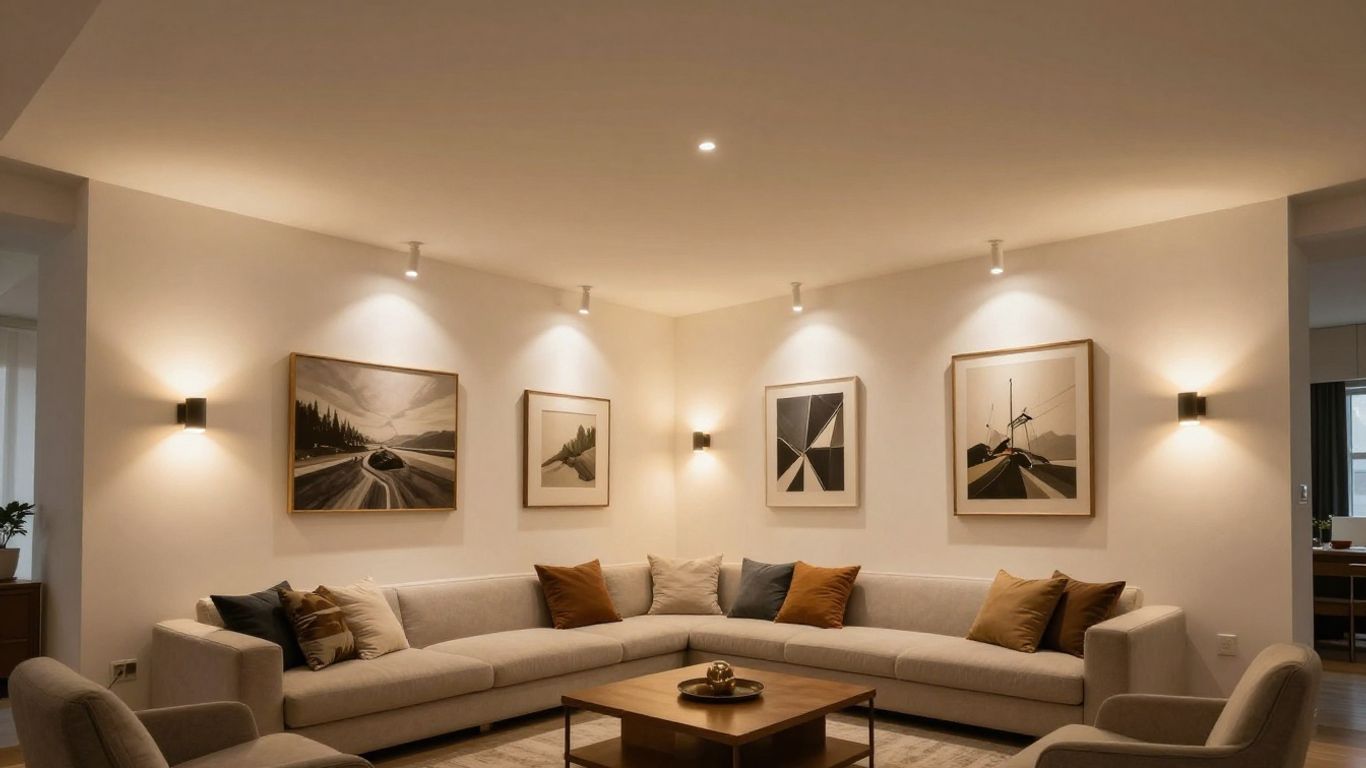
Beyond the main overhead lights, don't forget about the walls and those interesting nooks in your sloped-ceiling space. Wall lights and accent lighting are super helpful for filling in gaps and making the whole room feel more complete. They add layers, which is key when you're dealing with those high, angled surfaces.
The Role of Wall Sconces
Wall sconces are more than just pretty decorations; they actually do a lot of work. They can bounce light upwards, helping to brighten those high ceiling areas, or cast light downwards to illuminate walkways. Think about putting them in hallways or along staircases where you need a bit more light without a big overhead fixture. They're also great for adding a softer, more ambient glow, especially in living rooms or bedrooms. You can find sconces in all sorts of styles, from modern metal designs to more rustic wood ones, so they can really fit your home's look. Using dimmable wall sconces gives you a lot of control over the mood.
Highlighting Architectural Details
Sloped ceilings often have cool features, like exposed beams or interesting angles. Accent lighting is perfect for showing these off. You can use small, directional spotlights, maybe even on a flexible arm, to point right at a beam or a piece of trim. Track lighting is also a good option here because you can move the lights around easily to get the angle just right. It’s like giving your ceiling a spotlight!
Creating Ambiance with Accent Lights
Accent lights aren't just for architecture; they're for setting a mood too. Think about using them to highlight artwork on a wall, a favorite plant, or even just to create a warm glow in a corner. Small, subtle lights can make a big difference in how cozy a room feels. You can even use LED strip lights under shelves or along the top of cabinets for a modern touch. It’s all about adding little touches of light where you need them most.
Here’s a quick rundown of where accent and wall lights shine:
- Hallways and Staircases: For safety and a welcoming feel.
- Living Rooms: To highlight artwork or create a cozy reading nook.
- Bedrooms: For soft, ambient light that’s easy to control.
- Dining Areas: To add a warm glow around a buffet or sideboard.
When you're thinking about where to put these lights, consider how the light will bounce off the sloped surfaces. Sometimes, a light that seems perfect on a flat wall might create odd shadows on an angle. It's worth playing around with different placements before you commit to wiring anything permanently.
Smart Solutions and Modern Approaches
These days, lighting isn't just about flipping a switch. We've got some pretty cool tech and clever ideas that make lighting sloped ceilings way easier and more effective. It's all about making your space look good and work for you without a ton of hassle.
Embracing Smart Lighting Technology
Smart lighting is a total game-changer, especially for those hard-to-reach spots on sloped ceilings. You can control everything from your phone or even with your voice. Think about adjusting the brightness for movie night or setting a warm glow for dinner, all without getting up. It's super handy for creating different moods throughout the day. Plus, you can schedule lights to turn on and off, which is great for security when you're away or just for convenience.
- Voice Control: "Hey Google, dim the living room lights to 30%."
- App Control: Adjust brightness, color temperature, and schedules from anywhere.
- Automation: Set lights to turn on at sunset or when you arrive home.
- Integration: Connect with other smart home devices for a cohesive system.
Considering Recessed Lighting Sparingly
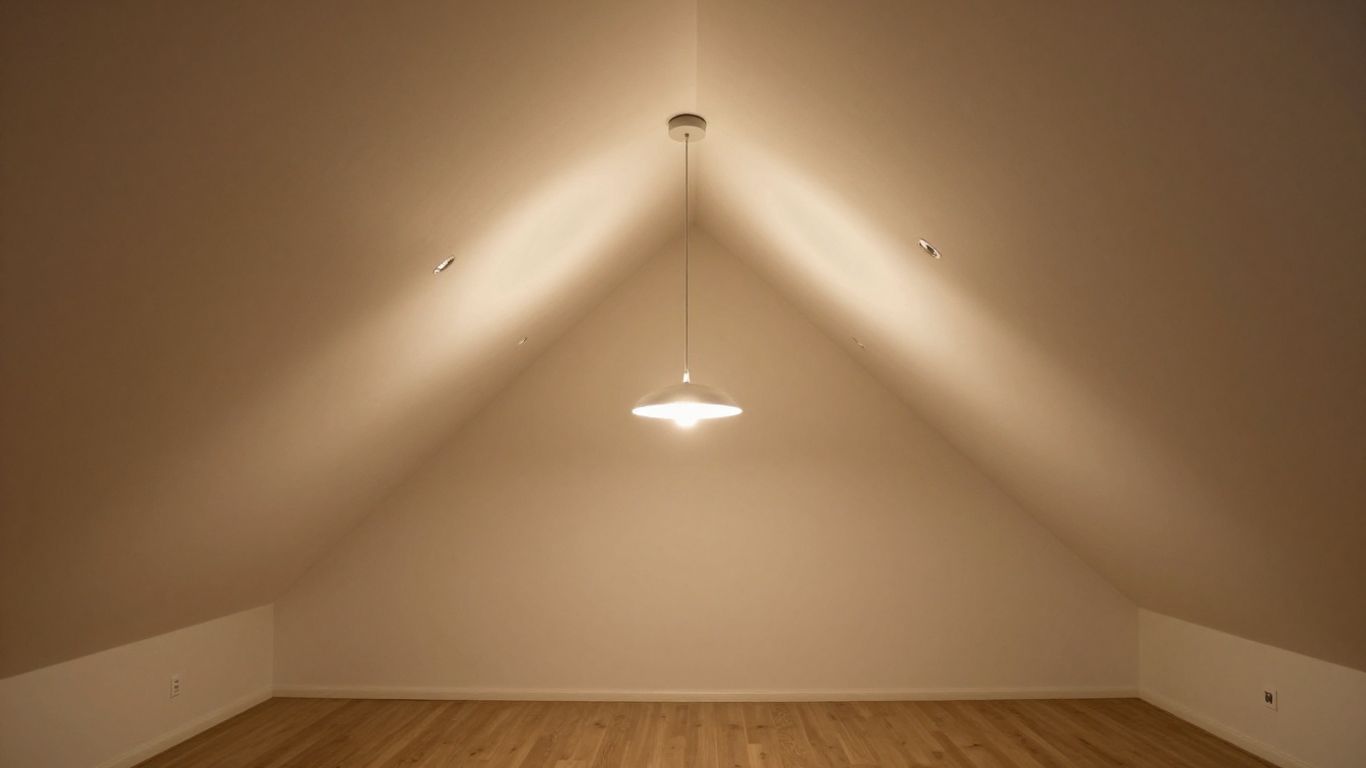
Recessed lighting, those lights that sit flush with the ceiling, can be tricky on sloped surfaces. While they offer a clean look, placing them on an angle can sometimes direct light in odd ways, creating glare or uneven illumination. If you do go this route, it's best to use them strategically, perhaps on flatter sections of the ceiling or in combination with other light sources. It's often better to use them on the flatter parts of the ceiling or not at all on steep slopes.
When planning recessed lights on a slope, think about the angle of the beam. You don't want it shining directly into someone's eyes or creating weird shadows on the wall. Sometimes, tilting the fixture slightly or using a wider beam angle can help distribute the light more evenly. It really depends on the specific slope and how you use the room.
Integrating Lighting into Renovations
If you're renovating, now's the perfect time to think about lighting. You can plan wiring and fixture placement from the start, which is way easier than trying to add it later. This is especially true for sloped ceilings where running wires can be more complex. Thinking ahead means you can incorporate everything from simple track lighting to more complex smart home setups without major headaches. It's a chance to really get the lighting just right for your newly designed space.
Here’s a quick checklist for planning lighting during a renovation:
- Map out your zones: Decide where you need general light, task light, and accent light.
- Consider fixture types: Think about pendants, track lights, or even wall sconces that work with your slope.
- Plan for power: Ensure you have enough outlets and wiring points in the right places.
- Think about control: Will you use dimmers, smart switches, or a combination?
- Consult a pro: For complex setups, an electrician can offer great advice and safe installation.
Navigating the Buying Process
So, you've figured out what kind of lights you need for those sloped ceilings. Awesome! Now comes the part where you actually have to pick them out and buy them. It can feel a bit overwhelming, right? There are so many options out there, and prices can really jump around. Let's break down how to make this part a little less stressful.
Setting a Realistic Budget
First things first, figure out how much you're willing to spend. Light fixtures for sloped ceilings aren't always cheap, especially if you're looking at something with a bit of flair. You might see a gorgeous chandelier that costs a few thousand dollars, or you could find a perfectly nice pendant for a few hundred. Knowing your limit before you start looking helps a lot. Don't forget to think about installation costs too, especially if you're not planning on doing it yourself. It's easy to get carried away with a beautiful fixture, but sticking to a budget keeps things grounded.
Comparing Prices and Features
Once you have a budget in mind, it's time to shop around. Look at different stores, both online and maybe even a local lighting shop if you have one nearby. You can find some great pendant lights for sloped ceilings at places like The Home Depot, for example. Pay attention to what you're getting for your money. What materials is it made of? Does it have a nice finish? Are there any special features, like being dimmable or having built-in LED lights that will last ages? Sometimes spending a little more upfront on a fixture with better features can save you money and hassle down the road.
Leveraging Customer Reviews
This is a big one. Before you click 'buy' or hand over your cash, check out what other people are saying. Websites often have customer review sections where you can see ratings and read comments. This is super helpful for spotting potential problems or confirming that a light is as good as it looks. You can often filter products by their ratings, so you can quickly see the most popular choices. Reading reviews gives you a more honest picture of a product's quality and how easy it is to install. It’s like getting advice from a bunch of people who’ve already been through the buying process.
Picking out lights for a room with an angled ceiling can be tricky. You want something that looks good, works well, and fits your space without being a hazard. Taking the time to compare options, read what others think, and set a clear budget will help you find a fixture you'll be happy with for a long time.
Safe Installation and Maintenance Practices
Prioritizing Safety at Heights
Working with lights on sloped or vaulted ceilings means you'll likely be working at a height. This isn't like changing a bulb in your hallway. Safety has to be the absolute top priority. Always make sure you have a stable ladder or, for really high ceilings, consider scaffolding. If you're not comfortable with heights, or if the job feels too tricky, it's way better to call in a professional. Seriously, it's not worth the risk. Having someone else there to spot you while you're up on the ladder is also a good idea. Don't try to stretch too far to reach something; move the ladder instead. It’s also important to use fixtures specifically designed for sloped ceilings. Standard housings aren't built for angled surfaces and can create safety hazards or even violate building codes. Picking the right slope-rated fixtures from the start makes the whole process safer and more compliant.
Essential Tools for Installation
Getting the right tools makes a big difference, especially when you're dealing with tricky ceiling angles. You'll definitely need a good, sturdy ladder. For reaching those extra-high spots without constantly moving the ladder, an extension pole can be a lifesaver, especially if it has a duster attachment for cleaning later. Microfiber dusters are great because they grab dust instead of just pushing it around. If you're installing new wiring or making connections, make sure you have basic electrical tools like wire strippers, a voltage tester, and screwdrivers. A drill with various bits will also come in handy for mounting brackets. For intricate fixtures, a small vacuum with a brush attachment can be useful for dusting without causing damage.
Effective Maintenance for High Fixtures
Keeping your lights clean and in good working order is important, even if they're way up high. Dust buildup can make lights seem dimmer than they are, and nobody wants that. For regular dusting, that extension pole with a microfiber duster is your best friend. Always turn off the fixture and let it cool down before you start cleaning. If a fixture has delicate parts, like a crystal chandelier, a gentle vacuum with a brush attachment can work wonders. For a deeper clean, you might need to carefully take the fixture down, wash it with mild soap and water, and dry it completely before putting it back up. If that sounds like too much, there are professional cleaning services that specialize in high-ceiling lighting. Changing bulbs can also be a challenge. Using long-lasting LED bulbs means you won't have to do it as often. For hard-to-reach bulbs, there are special tools with extension poles that can grip and twist bulbs out safely. If you're ever unsure about any maintenance task, especially involving electricity, calling an electrician is the safest bet. They have the right gear and know-how to handle it without any drama.
Bringing It All Together
So, we've talked a lot about lights for those tricky sloped ceilings. It can feel a bit overwhelming at first, right? But remember, it's all about picking the right stuff that fits your room and what you need it for. Don't just stick one light in the middle and call it a day. Think about layering different kinds of lights – some for general brightness, some for when you're doing a specific task, and maybe some to make your cool ceiling beams stand out. It really makes a difference in how your space feels. Take your time, look around, and don't be afraid to try a few things. With the right lighting, even a room with a super high, angled ceiling can feel cozy and look amazing. Happy lighting!
Frequently Asked Questions
What makes lighting sloped ceilings different from flat ones?
Sloped ceilings, also called vaulted ceilings, are tricky because the ceiling angle changes. This means regular lights might not hang straight or might shine light in weird directions. You need special lights or ways to hang them so they look good and light up the room right.
How can I light up a room with a high, sloped ceiling?
It's best to use different kinds of lights. Think about a main light for overall brightness (like a chandelier), lights for specific tasks (like a pendant over a table), and lights to make certain things stand out (like wall lights on artwork). This makes the room feel cozy and well-lit.
Are pendant lights good for sloped ceilings?
Yes, pendant lights can be awesome! Many are made to hang straight even on a slope. They can be a great focal point and provide light right where you need it, like over a kitchen counter or a dining table.
Can I use recessed lights (the ones in the ceiling) on a sloped ceiling?
You can, but you have to be careful. You need special trims or housings so they fit the angle and don't leave dark spots. It's often better to use them with other types of lights, not as the only light source, to avoid making the room feel too flat or harsh.
What's the best way to hang a light fixture on a very high sloped ceiling?
For very high ceilings, safety is key. Use a sturdy ladder or scaffolding. It's often a good idea to get help from someone else or hire a professional electrician. They have the right tools and know-how to install lights safely at heights.
How do I choose the right size light for my sloped ceiling?
Think about the size of your room and how high the ceiling is. A huge light in a small room can feel overwhelming, and a tiny light in a big room will get lost. Measure your space and look for fixtures that seem like they'll fit the scale. Many lighting stores have guides to help you pick the right size.


Leave a comment