




Brighten Up Your Space: Smart Living Room Lighting for Low Ceilings
Got a living room that feels a bit cramped because of the ceiling height? It’s a common issue, but don't worry, the right lighting can make a world of difference. We're talking about making your space feel bigger and more open, all while looking super stylish. This guide is all about finding smart living room lighting low ceiling solutions that work for you. Forget feeling boxed in; let's brighten things up!
Key Takeaways
- Opt for low-profile fixtures like recessed lights or flush mounts to avoid drawing attention to low ceilings and maximize vertical space.
- Use slim pendant lights, wall sconces, and floor lamps strategically to create a sense of height and draw the eye upward.
- Layer different types of lighting – overhead, task, and accent – to create a warm, inviting atmosphere and add depth.
- Smart lighting technology offers customizable control over brightness and color temperature, allowing you to tailor the mood to any occasion.
- Consider the style and scale of your fixtures to ensure they complement your decor without overwhelming a smaller space.
Embrace Low-Profile Lighting Solutions
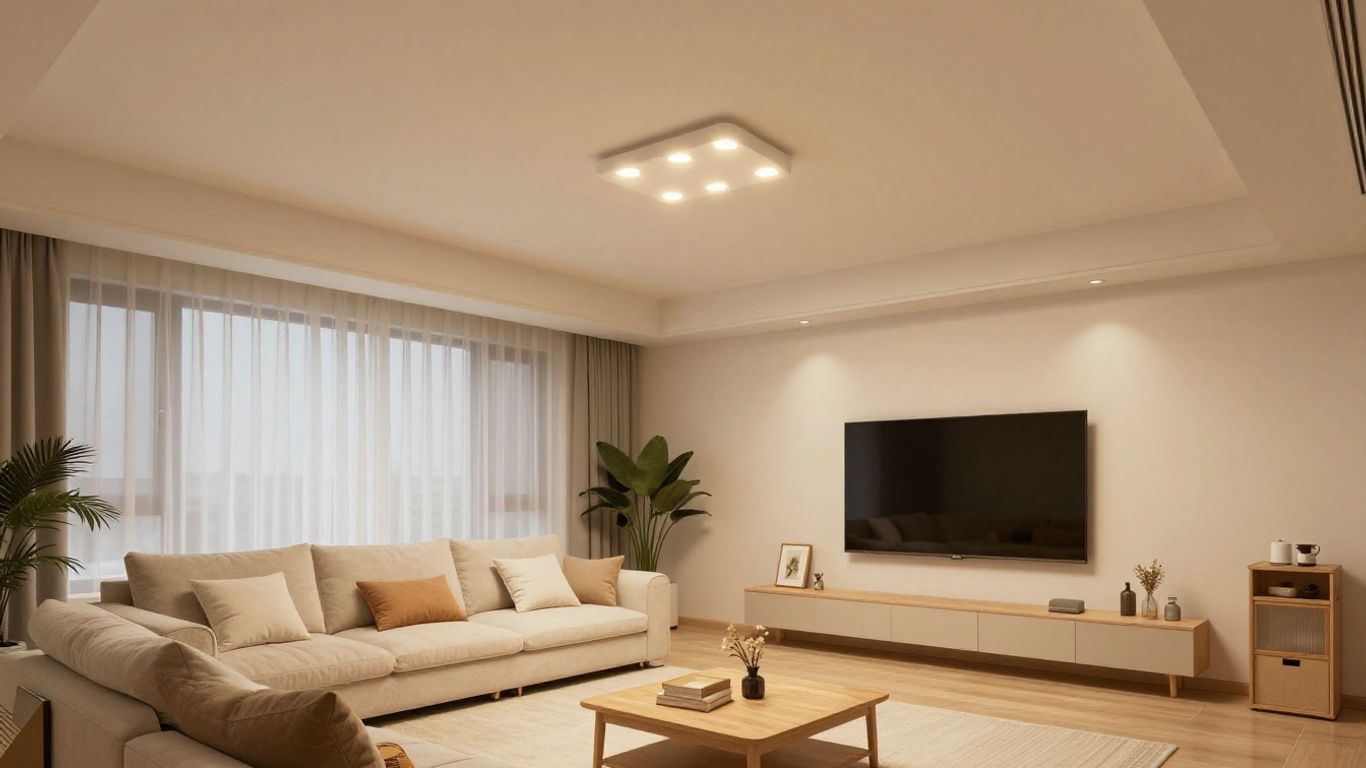
When you've got a lower ceiling, the last thing you want is a light fixture that hangs down and makes the room feel even smaller, or worse, becomes a head-bumping hazard. The trick is to choose fixtures that hug the ceiling or mount close to it. This way, you get all the light you need without sacrificing precious vertical space. It's all about making the room feel as open and airy as possible.
Recessed Lighting for a Clean Look
Recessed lights, often called can lights, are fantastic for low ceilings. They sit right inside the ceiling, so they don't take up any visual space at all. This gives you a really clean, minimalist look. You can place them strategically to light up the whole room evenly, or use them to highlight specific areas. They're great for making a room feel bigger because they don't interrupt the flow of the ceiling. Plus, they work really well with other types of lighting to create a layered effect.
Flush Mount Fixtures for Minimal Vertical Space
Flush mount fixtures are another solid choice. They attach directly to the ceiling, so they barely extend down. Think of them as a sleek cap on your room. They come in tons of styles, from simple, modern discs to more decorative options with fabric shades. They provide good general lighting without getting in the way. If you're looking for something that's practical but can still add a bit of style, these are definitely worth considering. They're a great way to get broad light distribution without occupying valuable ceiling space, making them an ideal solution for such environments [aa82].
LED Ceiling Panels for Even Illumination
LED ceiling panels are a more modern take on lighting. These flat panels offer a really uniform and even light spread, which is perfect for making sure there are no dark corners in your room. Because they're so slim and flat, they don't hang down at all, maintaining that low-profile look. They're energy-efficient too, which is always a nice bonus. You can get them in different sizes and color temperatures to suit your needs.
Choosing the right low-profile lighting is key to making a room with a lower ceiling feel spacious and comfortable. It's about smart design choices that maximize light and minimize visual clutter.
Add Vertical Interest and Dimension
When you've got a lower ceiling, it can sometimes feel like the room is closing in on you. But don't worry, there are ways to trick the eye and make your living room feel more open and airy. It's all about directing attention upwards and creating a sense of height where you might not think there's much to work with.
Slim Pendant Lights to Create Height
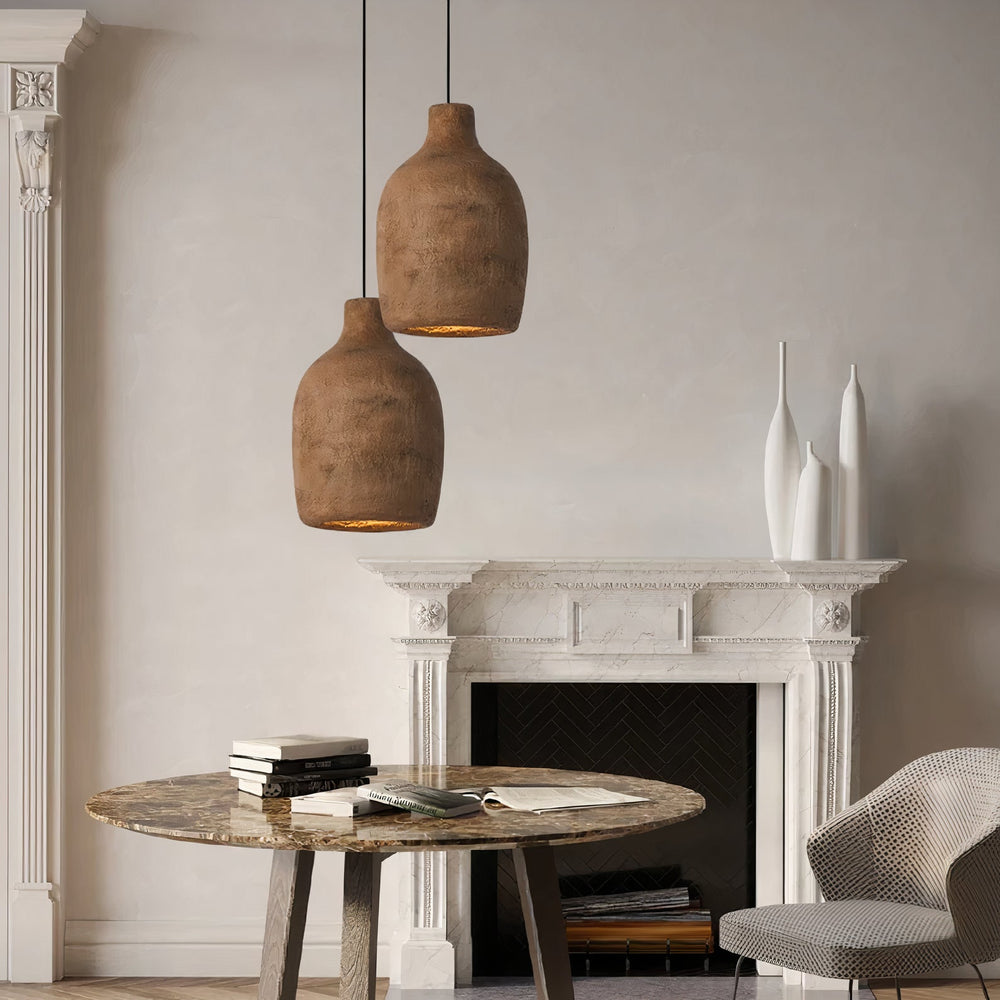
Pendant lights are fantastic for this. Instead of bulky fixtures hanging down, think slim and sleek. Hanging a few slim pendants in a cluster can really draw the eye upward, giving the impression of more vertical space. You can hang them over a coffee table or a side console. They create these little pockets of light that feel intentional and stylish, making the room feel more designed.
Wall Sconces to Draw the Eye Upward
Wall sconces are another great trick. They cast light upwards or outwards, away from the ceiling itself. This helps to visually lift the room. Think about placing them strategically on walls, perhaps flanking a piece of art or a doorway. They add a soft glow and can make the walls seem taller than they are. It's a subtle way to add character without taking up floor space.
Floor Lamps for Ascending Light
Don't forget about floor lamps! A tall, slim floor lamp can be a real space-saver and a vertical element. Place one in a corner or next to a sofa. Many floor lamps direct light upwards, which is exactly what we want here. It adds another layer of light and helps to fill the room without making it feel crowded. It's like a little beacon of light reaching for the sky.
Using light to create vertical interest is a smart design move for any room with a lower ceiling. It's not just about brightness; it's about shaping the perception of the space itself. By choosing the right fixtures and placing them thoughtfully, you can make your living room feel much more expansive and open.
Strategic Placement for Maximum Impact
Okay, so you've got your lights picked out, but where you put them really matters, especially when you're trying to make a room with low ceilings feel bigger and more inviting. It's not just about having light; it's about using it smart.
Pendant Lights Hung Closer to Focal Points
Don't be afraid of pendant lights just because your ceiling is low. The trick is to hang them strategically. Instead of centering them in the room, try positioning them closer to where you actually hang out or do things. Think about hanging a slim pendant right over your coffee table or a side table. This creates a cozy, intimate zone and draws the eye down to the functional area, making the ceiling feel less like a constraint. It's all about defining spaces within the room.
Uplighting to Emphasize Architectural Features
Want to make those low ceilings seem to disappear? Uplighting is your best friend. Place small light fixtures at the base of things like columns, built-in shelves, or even just along the wall where it meets the ceiling. This bounces light upwards, making the walls look taller and drawing attention away from the actual height of the room. It adds a bit of drama and makes the whole space feel more open. It’s a neat trick that really changes the feel of a room.
Accent Lighting to Highlight Textures and Art
This is where you add personality. Accent lighting is perfect for drawing attention to the things you love, like a cool piece of art, a textured wall, or even a favorite plant. You can use small, discreet fixtures tucked away on shelves or under cabinets. This adds depth and interest without taking up any precious vertical space. It’s about creating little moments of brightness that guide the eye and make your room feel more layered and interesting.
Think of your lighting like a painter uses different brushes. You've got your main light (like the broad strokes), but then you need the smaller brushes for details – that's your accent lighting. It adds the finishing touches that make the whole picture come together.
Leverage Smart Technology and Ambiance
These days, lighting isn't just about seeing; it's about feeling. Smart technology has really changed the game, letting us tweak our living rooms to match our mood or what we're doing. It’s pretty cool how much control we have now.
Smart Ceiling Lights for Customizable Control
Forget flipping switches. Smart ceiling lights connect to your home network, meaning you can control them with your phone or even your voice. Imagine dimming the lights for movie night without getting up, or turning them all on when you get home. It’s about making your space work for you, effortlessly. You can set up schedules, too, so lights come on when you wake up or turn off when you leave.
Color Temperature for Tailored Moods
This is where things get really interesting. Different color temperatures can completely change how a room feels. Cooler, bluer light can make a space feel more awake and open, which is great for daytime activities. On the other hand, warmer, yellower light is super cozy and relaxing, perfect for evenings. Many smart fixtures let you switch between these, or even pick specific shades of white. It’s like having a whole spectrum of moods available at your fingertips. For instance, you might want a brighter, more energizing light for reading, but a soft, warm glow when you're just chilling.
Dimmable Options for Flexible Brightness
Dimming is a classic for a reason. Being able to adjust the brightness level is key to creating different atmospheres. You can go from bright and functional for cleaning or working to a low, ambient glow for relaxing. This flexibility means one light fixture can serve multiple purposes throughout the day. It stops your living room from feeling like a harsh interrogation room or a dimly lit cave. It’s all about finding that sweet spot for whatever you’re up to. You can even set specific dimming levels for different activities, making your lighting truly adaptable. This is especially helpful in rooms with low ceilings where you want to control the light's intensity without making the space feel smaller.
Layering Light for a Welcoming Atmosphere
You know, just having one big light in the middle of the ceiling can make a room feel a bit flat, especially if the ceiling is low. It's like a spotlight that just highlights the floor and not much else. To really make a living room feel cozy and inviting, you've got to think about using different kinds of lights. This layered approach is key to making any space feel more dynamic and lived-in.
Combining Overhead and Ambient Sources
Overhead lighting is usually the main source, but it doesn't have to be the only one. Think about using a semi-flush mount fixture that hangs a bit lower, or even recessed lights if you have them. Then, add in ambient light sources. These are lights that spread out softly, like wall sconces or even cove lighting tucked away. They fill in the shadows that the main light might miss, making the whole room feel more balanced. It’s about creating a general glow that’s pleasant to be in.
Table Lamps for Task and Mood Lighting
Table lamps are fantastic for this. They're not just for reading, though they're great for that too. Placing a couple of table lamps on end tables or consoles can create little pools of warm light. This is perfect for when you want a more relaxed vibe in the evening. You can pick lamps with shades that diffuse the light nicely, so it's not harsh. They also add a decorative element, bringing some visual interest down to eye level, which is helpful in rooms with lower ceilings.
Wall Lights for Soft Sophistication
Wall lights, or sconces, are another great way to layer your lighting. They can be mounted at different heights and point light up, down, or both. Uplighting from sconces can actually make the ceiling feel a bit higher by drawing the eye upward. They add a touch of elegance without taking up floor space, which is a big win in smaller living rooms. Plus, they provide a softer light than a single overhead fixture, contributing to that welcoming atmosphere we're going for. It’s all about mixing and matching to get the right feel.
Lighting does more than just make a room visible; it shapes the entire mood and how you experience the space. By thoughtfully combining different light sources, you can transform a simple living room into a place that feels both functional and incredibly comfortable.
Here’s a quick look at how different layers work together:
- Overhead: Provides general illumination.
- Ambient: Fills in shadows and creates a soft glow.
- Task: Focused light for activities like reading.
- Accent: Highlights specific features like artwork.
By using these layers, you can adjust the lighting throughout the day and for different activities, making your living room truly adaptable. For instance, you might have bright overhead lights for cleaning, but then switch to just table lamps and sconces for a quiet evening. It’s about having control over the mood.
Consider Fixture Style and Scale
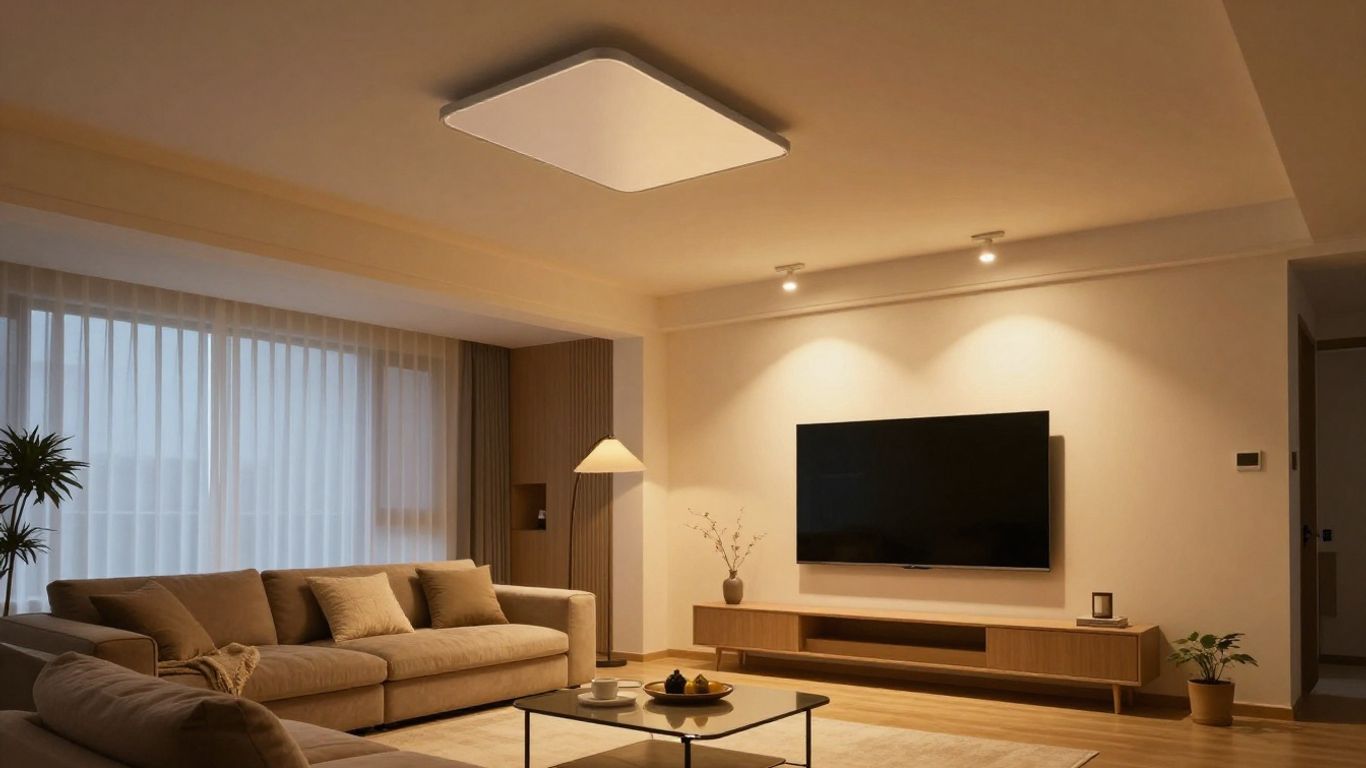
When you've got lower ceilings, picking the right light fixtures isn't just about brightness; it's about making smart design choices that work with your space, not against it. The style and size of your lights can really change how a room feels. You don't want anything too bulky hanging down, but you also don't want lights that look lost. It's a balancing act.
Semi-Flush Mount Fixtures with Statement Shades
Semi-flush mount lights are a fantastic option for rooms with limited vertical space. They sit closer to the ceiling than a traditional chandelier but still offer a bit of a gap, allowing light to spread out nicely. The real magic happens when you choose one with a distinctive shade. Think about a fixture with a unique shape, a textured fabric, or even a metallic finish that catches the eye. This kind of fixture acts as a focal point without demanding too much headroom. It's like adding a piece of art to your ceiling. For example, a fixture with a white fabric shade can soften the light beautifully, while a metallic one can add a touch of glam. It's all about finding that sweet spot between functional lighting and decorative flair.
Sculptural Chandeliers as Centerpieces
Don't automatically rule out chandeliers just because your ceilings are low. The trick is to go for something more petite and sculptural. Instead of a sprawling, multi-tiered behemoth, opt for a smaller, more focused design. Think clean lines, perhaps with crystal accents that sparkle and bounce light around the room, making it feel bigger. A fixture like the Celestial, with its gold metal plates and crystals, can add that touch of luxury without overwhelming the space. It draws your gaze upward in an elegant way, creating a sense of height and sophistication. It’s about choosing a chandelier that acts as a jewel, not a weight.
Industrial-Inspired Fixtures for Urban Charm
If your style leans more towards the urban or loft aesthetic, industrial-inspired fixtures can be a great fit. These often feature materials like exposed metal, wire cages, and Edison bulbs. For lower ceilings, look for flush mount or semi-flush mount versions of these styles. A fixture with a black metal finish and a simple, geometric design can add character without taking up much visual space. They bring a bit of that edgy, city vibe into your home. You can find some really cool ceiling lights that fit this look, often with a mix of wood and metal for added texture. They're a solid choice for adding personality without sacrificing precious vertical inches.
Wrapping It Up
So, there you have it. Lighting a room with a lower ceiling doesn't have to be a headache. We've looked at a bunch of ways to make your space feel bigger and brighter, from flush mounts that hug the ceiling to smart lights you can control from your couch. It’s all about picking the right fixtures and placing them smart. Don't forget that layering lights with lamps and sconces makes a huge difference too. With these ideas, you can totally transform your living room into a cozy, stylish spot, no matter how high the ceiling is.
Frequently Asked Questions
What's the best way to light a living room with a low ceiling?
For rooms with low ceilings, it's smart to use lights that don't hang down too far. Think about lights that attach right to the ceiling, like flush mounts or recessed lights. These give off good light without making the room feel smaller. Slim pendant lights can also work if they're hung higher up or over specific spots like a coffee table.
Can I still use a chandelier if my ceiling is low?
Yes, you can! Just make sure to pick a chandelier that's not too big or too long. A smaller, more compact chandelier can add a touch of sparkle and style without getting in the way. It can even make the room feel a bit more special.
How can I make my low-ceiling room feel bigger with lighting?
To make a room feel more open, use lights that point upwards, like wall sconces or uplights. This draws the eye up and makes the ceiling seem higher. Also, using lights with a cooler color temperature can make a space feel fresher and larger. Reflective surfaces like mirrors also help bounce light around.
What are smart lights and how can they help?
Smart lights are lights you can control with your phone or voice. You can change how bright they are, and sometimes even the color of the light. This is great because you can make the room cozy for movie night or bright for reading, all without getting up.
Is it okay to mix different types of lights?
Definitely! Mixing different kinds of lights, like overhead lights with floor lamps and table lamps, creates a more interesting and cozy feel. This is called 'layering' your lights. It means you have light coming from different heights and directions, making the room feel more complete and inviting.
What kind of light color is best for a living room?
For a cozy and relaxing feel, warmer light colors (like from a soft yellow bulb) are usually best. If you need light for tasks like reading or working, a cooler, brighter light might be better. Many modern lights let you change the color temperature, so you can pick what works best for you at different times.


Leave a comment