




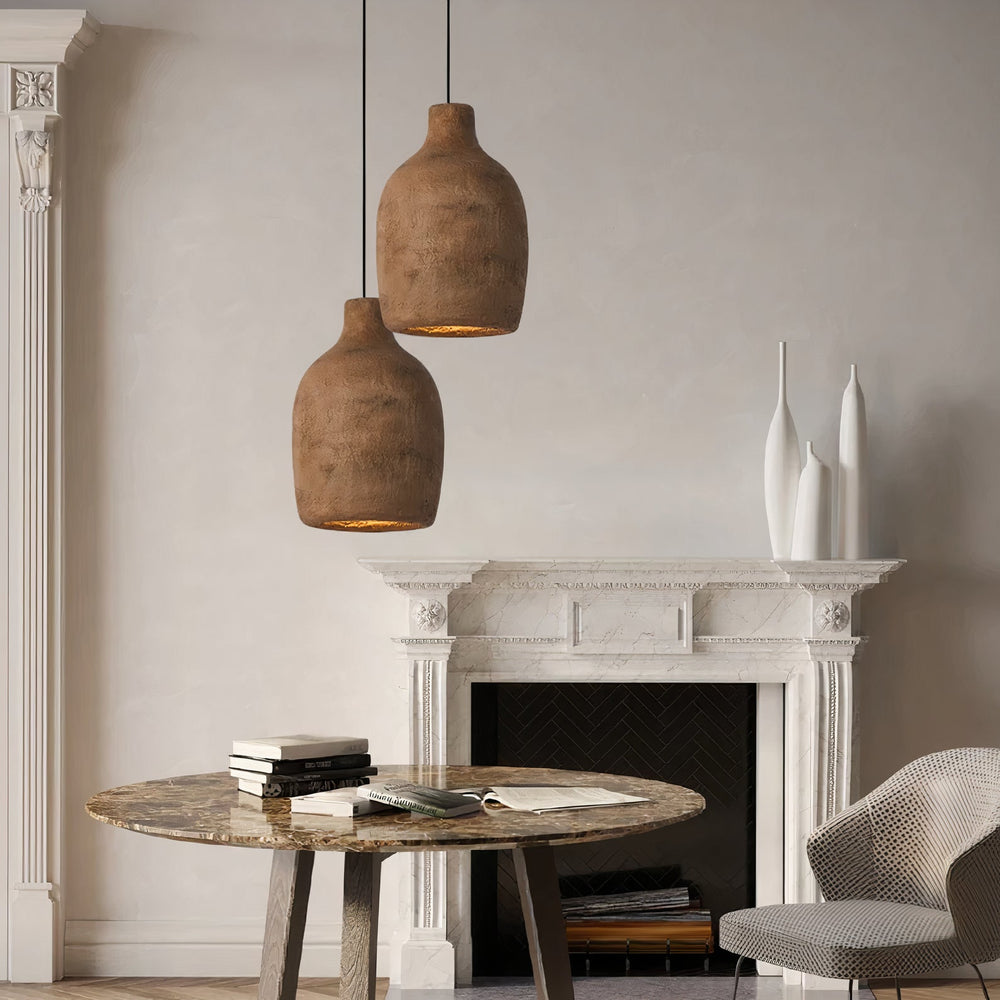
Elevate Your Space: Choosing the Perfect Small Chandeliers for Your Living Room
Picking out the right lighting can really change a room, and for living rooms, a small chandelier is a great way to add some style. It's not just about brightness; it's about making a statement. We're talking about fixtures that look good and work well, too. This guide is here to help you figure out what to look for when choosing small chandeliers for your living room, so you can get that perfect look and feel.
Key Takeaways
- Figure out how much light you actually need in the room and if dimming features are important for setting different moods.
- Make sure the chandelier's size looks right with your furniture and the overall room size; avoid anything too big or too small.
- Explore different styles like minimalist, artistic, drum shades, or bold black metal to see what fits your taste.
- Consider the materials and finishes, like metal, glass, or wood, and how they'll look with your existing decor.
- Think about where you'll hang it and at what height to get the best look and light distribution.
Understanding The Role Of Small Chandeliers For Living Room
When you're thinking about adding a chandelier to your living room, especially a smaller one, it's easy to just focus on how it looks. But a good light fixture does more than just hang there and look pretty. It actually has a job to do in your space. It’s about making sure the room is lit well enough for whatever you’re doing, and also setting a certain vibe.
Achieving Adequate Illumination
First off, let's talk about light. Does your living room get enough light from other sources, or is this chandelier going to be the main event? If it's the main light, you'll want something that spreads light around the whole room. This usually means a fixture with a few bulbs, or a design that lets light escape in different directions. You don't want it to be so bright that it feels harsh, but you definitely need enough light to see clearly. Think about what you do in your living room – reading, watching TV, maybe even doing a bit of work. All these activities need a certain level of light to be comfortable.
Creating Mood Lighting
Beyond just being bright, a chandelier can really change how a room feels. This is where dimmers are your best friend. Living rooms are used for all sorts of things, right? One minute you might need bright light to find something, and the next you want a soft, cozy glow for movie night. A chandelier that lets you adjust the brightness is super handy for this. You can go from a more functional light to a relaxed, intimate one. Some modern fixtures even let you change the color of the light, from a cool, crisp white to a warmer, more yellow tone. It’s all about making the room feel right for the moment.
The right lighting can transform a space, making it feel more welcoming and functional. It's not just about brightness; it's about creating an atmosphere that suits your lifestyle and activities.
Leveraging LED Efficiency
Most new chandeliers these days come with LED bulbs, or are designed to use them. This is a good thing! LEDs use way less electricity than older types of bulbs, which means your energy bill will be a little lower. Plus, they last a really long time, so you won't be up on a ladder changing bulbs all the time. For a living room chandelier, which might be on for a few hours every day, that efficiency really adds up over time. It’s a smart choice for both your wallet and the environment. You can find great options for living room chandeliers that are both stylish and energy-smart.
Here’s a quick rundown of why LEDs are a good choice:
- Energy Savings: They use significantly less power.
- Longevity: Bulbs last much longer, reducing maintenance.
- Versatility: Available in various brightness levels and color temperatures.
- Durability: Less prone to breaking than traditional bulbs.
Selecting The Ideal Size For Your Living Room Chandelier
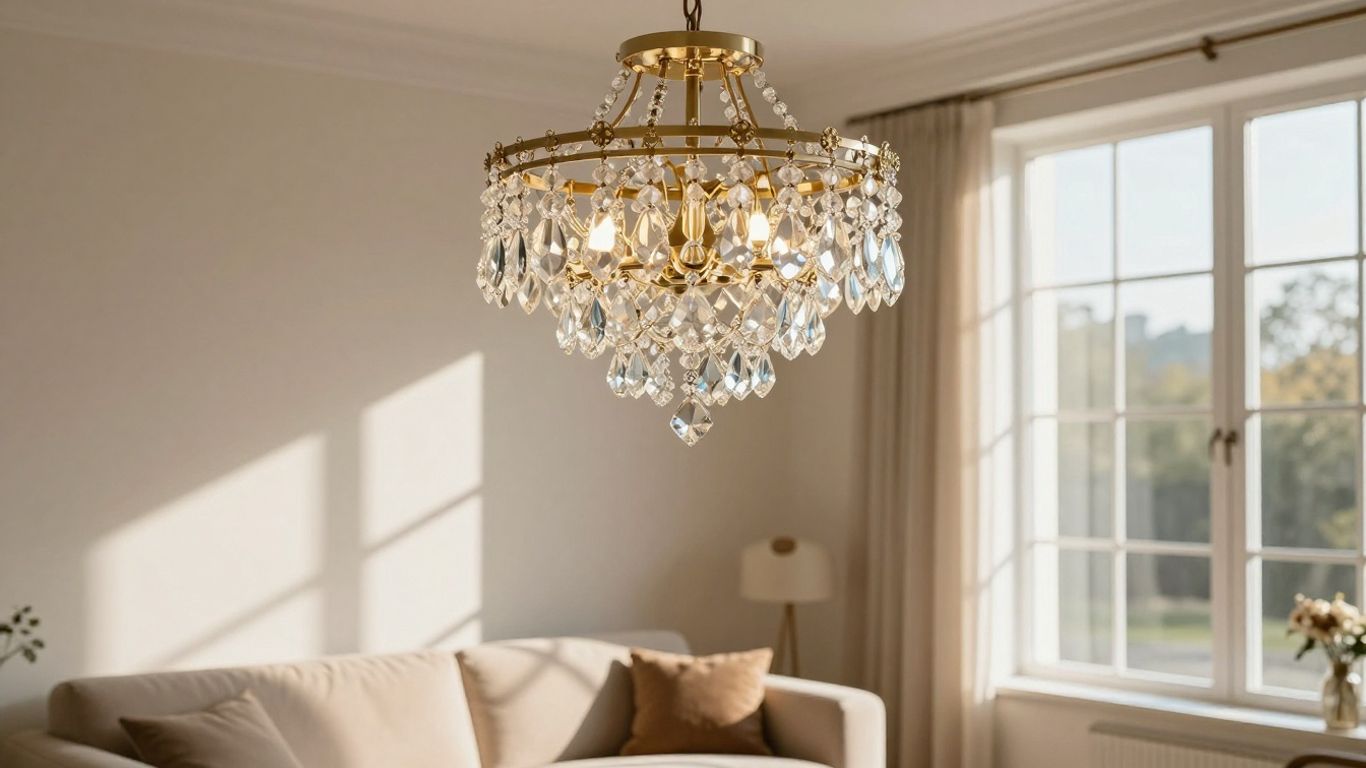
Picking out a chandelier can feel like a big decision, and honestly, it is. It's not just about how pretty it looks; it's about how it fits into your room. Get the size wrong, and your whole living room can feel a bit off. A chandelier that's too big can make a room feel cramped, while one that's too small can just get lost.
Avoiding Visual Overwhelm
Nobody wants their living room to feel like a stuffy museum, right? A chandelier that's way too large for the space can dominate everything else. Think about the overall footprint of your room. A general rule of thumb is to measure the length and width of your living room in feet, add those numbers together, and that sum should give you a good idea of the maximum diameter (in inches) for your chandelier. For example, if your room is 15 feet by 20 feet, adding those together gives you 35, so a chandelier around 35 inches in diameter might be a good starting point. This helps you avoid a fixture that swallows the room whole.
Ensuring Fixtures Are Not Too Small
On the flip side, a chandelier that's too petite can look a bit sad and out of place, like it's hiding. It won't provide enough light, and it certainly won't make the statement you're hoping for. You want it to be noticeable, but not in an overwhelming way. It should feel balanced with the rest of your furniture and decor. A fixture that's too small can make the whole room feel unfinished.
Calculating The Perfect Diameter
So, how do you nail down the exact dimensions? There are a few handy ways to figure this out. For starters, you can use the room's dimensions.
- Measure the length of your living room in feet.
- Measure the width of your living room in feet.
- Add those two numbers together. The resulting number is a good estimate for the chandelier's diameter in inches.
For instance, if your living room is 12 feet by 15 feet, adding those together gives you 27. So, a chandelier with a diameter of about 27 inches would likely be a good fit. This calculation is a solid starting point for finding the right chandelier size.
Beyond diameter, ceiling height also plays a big role. For standard 8-foot ceilings, hanging the chandelier about 7 feet from the floor is usually right. If you have higher ceilings, you can go a bit higher, maybe 8 feet off the floor. This ensures you have enough headroom and that the light fixture is positioned well within the room's vertical space. Remember, proportion is key to making your living room feel just right.
Exploring Diverse Styles Of Small Chandeliers
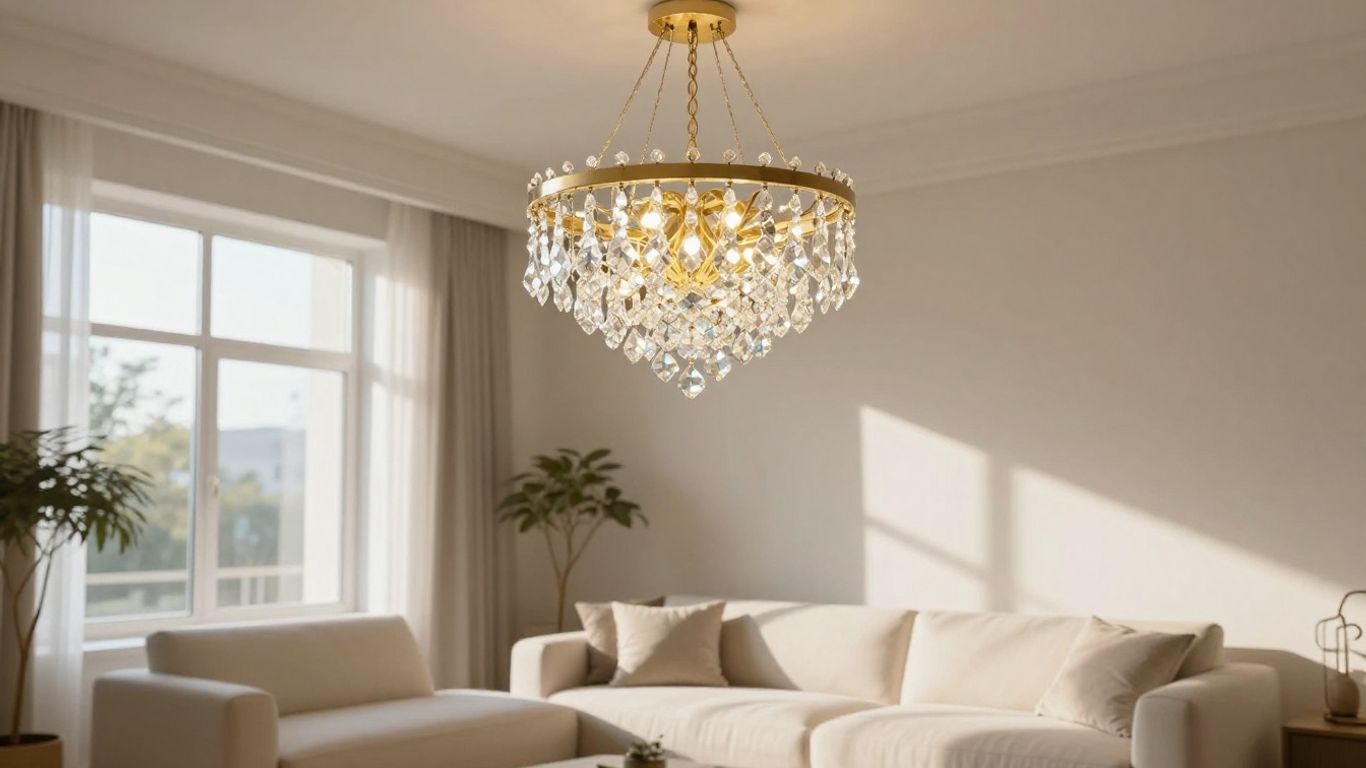
Modern And Minimalist Designs
When you're looking for a small chandelier, the modern and minimalist styles are a fantastic choice for a living room. These designs often feature clean lines and simple geometric shapes, like spheres, clean linear forms, or elegant arcs. They don't try to steal the show but add a quiet sophistication that really pulls a room together. Think of a fixture with brushed nickel or matte black finishes – understated and refined. They're perfect for rooms where you want your furniture and art to be the main focus, but you still need that overhead lighting element. These fixtures can really tie a space together without feeling overwhelming.
Artistic And Sculptural Pieces
If you want your lighting to be a real conversation starter, then artistic and sculptural chandeliers are the way to go. These aren't your grandma's chandeliers; they're more like pieces of art that happen to give off light. You might find designs that look like natural forms, abstract shapes, or even have a bit of an industrial vibe. They can be quite dramatic, with unique materials or an asymmetrical layout. These are great for making a bold statement and adding a unique personality to your living space. They often become the main attraction, so make sure the rest of your decor plays nicely with their artistic flair. You can find some really interesting options if you look at contemporary chandelier ideas.
Drum Shades And Geometric Forms
Drum shades offer a sleek and contemporary look that works well in many living rooms. They provide a soft, diffused light and come in various materials, from fabric to metal. Geometric forms, like cubes, hexagons, or intersecting lines, also bring a modern edge. These shapes can add visual interest without being overly ornate. They often pair well with minimalist or mid-century modern decor. When choosing a drum shade or geometric fixture, consider the scale to avoid it looking too small or too large for your space. A well-chosen piece can add a subtle yet stylish focal point.
The key is to find a style that complements your existing decor. It should feel like it belongs, adding to the room's charm rather than clashing with it. The goal is a cohesive look where the fixture is a highlight but still part of the overall picture.
Material And Finish Considerations For Living Room Chandeliers
Metallic Sheens And Tones
When you're picking out a small chandelier, the metal finish can really set the tone for your whole living room. Think about what other metals you have in the space – maybe your coffee table legs, lamp bases, or even picture frames. You want things to look like they belong together, you know? Brushed gold or brass can add a warm, inviting feel, and it's pretty popular right now. If you're going for something a bit more modern and sharp, polished chrome or nickel might be your jam. And then there's matte black, which is super versatile and can look really sleek and contemporary. It's all about matching the vibe you're going for.
Here's a quick rundown of some common metal finishes:
- Brushed Gold/Brass: Warm, inviting, and trendy. Great for adding a touch of elegance.
- Polished Chrome/Nickel: Cool, reflective, and modern. Works well in minimalist or contemporary spaces.
- Matte Black: Bold, graphic, and adaptable. Fits with a wide range of styles.
- Bronze/Aged Iron: Earthy, rustic, and classic. Good for a more traditional or farmhouse feel.
Glass And Crystal Accents
Glass and crystal can totally change how a chandelier looks and how it throws light. Clear glass, like in simple globes or rods, keeps things feeling light and airy, which is awesome if you don't want your small chandelier to feel too heavy. Frosted glass can diffuse light for a softer glow, taking away any harshness. And then there's crystal. While you might think of big, fancy chandeliers, even smaller ones can have crystal accents that add a bit of sparkle and sophistication. It's a nice way to bring in a little glamour without going overboard. The way light interacts with these materials is a big part of the fixture's overall effect.
Natural Materials Like Wood And Bamboo
If you're aiming for a cozier, more organic feel in your living room, don't overlook fixtures that incorporate natural materials. Wood accents, whether it's a rustic beam detail or smooth, polished wood elements, can add a lot of warmth. They pair really nicely with metal finishes, creating a nice contrast. Bamboo or rattan can bring in a lighter, more bohemian or coastal vibe. These materials are great for softening the look of a room and making it feel more grounded and inviting. It's a good way to bring a bit of the outdoors in, even in a small way.
Choosing the right materials and finishes is more than just picking something that looks pretty. It's about how the light will behave, how durable the fixture will be, and how it all ties into the rest of your decor. Think about the long-term look and feel you want for your living room.
Placement And Installation Of Your Living Room Chandelier
So, you've found the perfect small chandelier. Great! Now, where does it actually go, and how high should it hang? Getting this right makes a huge difference in how your living room feels and functions. It's more than just screwing it into the ceiling; it's about making it work for your space.
Optimal Hanging Height
This is a big one. You don't want to be bumping your head, but you also don't want it to look like a tiny decoration lost way up high. For standard ceilings, usually around 8 to 10 feet, the bottom of the chandelier should hang about 7 feet from the floor. This gives you plenty of headroom and puts the light at a good level for most activities. If you have really high ceilings, you can hang it a bit lower, about 3 inches lower for every foot above 10 feet. This keeps it from looking too small and lost in the vastness.
- Standard Ceilings (8-10 ft): Aim for 7 feet from floor to chandelier bottom.
- High Ceilings (>10 ft): Lower the fixture gradually as ceiling height increases.
- Over Furniture: If it's above a coffee table or ottoman, keep at least 30-36 inches between the furniture and the fixture.
Considering Room Layout
Where you place the chandelier really depends on your room's layout and how you use the space. Often, centering the chandelier in the middle of the room works well, spreading light evenly and creating a balanced feel. If you have a specific seating area, like a conversation pit or a reading nook, centering the chandelier above that main zone can also be a smart move. It helps define the space and makes the light feel more focused where you need it. Think about the main focal points of your living room and how the light will draw attention to them.
The goal is to make the chandelier a natural part of the room's design, not something that feels out of place or like an afterthought. It should complement your furniture and decor, adding to the overall atmosphere.
Professional Installation Versus DIY
Putting up a chandelier can seem straightforward, but it often involves working with electrical wiring, which can be tricky and even dangerous if you're not experienced. While some people are comfortable tackling this as a DIY project, especially for lighter fixtures, it's often safer and more reliable to hire a professional electrician. They have the tools and knowledge to make sure the fixture is installed correctly, securely, and up to code. This is especially true for heavier chandeliers or if you're unsure about your home's wiring. A professional installation provides peace of mind that your beautiful new light is safely in place.
Enhancing Ambiance With Dimmable Chandeliers
When picking out a small chandelier for your living room, it's super easy to get caught up in just how pretty it looks. But before you fall head over heels for a design, take a minute to think about what you actually need the light to do. Is this chandelier going to be the main light source for the room, or is it more for setting a mood? Maybe you need it to highlight a specific area, like a reading nook or a piece of art. Thinking about the primary function will guide you toward the right style and brightness. For instance, if you do a lot of activities in your living room that require good light, like crafting or playing board games, you'll want something that provides ample, clear illumination. If it's mostly for relaxing evenings, a softer glow might be more appropriate.
Task Lighting Needs
Sometimes, your living room needs to be more than just a cozy spot. You might be reading a book, working on a puzzle, or even doing some light crafting. In these moments, you need bright, focused light. A chandelier that offers a good spread of light, especially when set to its highest dimming level, can handle this. Look for fixtures with multiple bulbs or designs that don't obscure the light too much. This ensures you have enough light to see clearly without straining your eyes. It's about making the space functional for whatever you're up to.
Creating Relaxed Atmospheres
This is where dimmers really shine. Living rooms are often used for unwinding, watching movies, or having quiet conversations. Being able to lower the light intensity creates a much more relaxed and intimate feel. A dimmable chandelier lets you transform the mood of your room with just the flick of a switch. You can go from bright and airy during the day to soft and moody in the evening. Some modern fixtures even allow you to adjust the color temperature, switching from a cooler, more energizing light to a warmer, cozier glow. This kind of flexibility is key to making your living room feel just right for any occasion.
Energy Savings Through Dimming
Beyond just setting the mood, dimmers can also help save a bit on your electricity bill. When you dim a light, it uses less power. While a small chandelier might not be the biggest energy hog in your house, every little bit counts, right? Plus, it's a nice bonus that you can reduce energy consumption while also creating a more pleasant atmosphere. It’s a win-win situation for both your wallet and your comfort.
Installing a dimmer switch with your living room chandelier provides excellent versatility and control over the ambiance. Dimmers enable you to adjust the light intensity, allowing for customized lighting experiences in your living space. Installing a dimmer switch
Here’s a quick rundown of why dimmers are so handy:
- Task Lighting: Brighten things up for reading or hobbies.
- Ambient Lighting: Create a relaxed atmosphere for unwinding.
- Mood Setting: Dim the lights for entertaining or a romantic evening.
- Energy Savings: Lowering the light output can also reduce energy consumption.
Wrapping It Up
So, picking out a small chandelier for your living room might seem like a lot, but it doesn't have to be overwhelming. We've gone over how to think about the size so it looks just right, not too big and not too small. We also talked about different styles that can really make your space pop, and how the right amount of light, maybe even with a dimmer, can totally change the feel of the room. It's all about finding that one piece that fits your style and makes your living room feel more like home. Don't be afraid to take your time and choose something you really love.
Frequently Asked Questions
How do I pick the right size chandelier for my living room?
To find the best size, add the room's length and width together in feet. Then, use that number as the diameter in inches for your chandelier. A larger room can usually handle a bigger fixture.
Can I use a chandelier in a small living room?
Definitely! For smaller spaces, choose simple designs that aren't too bulky. Smaller hanging lights or ones with fewer bulbs work well. Shiny parts on the chandelier can also make the room feel bigger.
Are there chandeliers made from eco-friendly materials?
Yes, many modern chandeliers use materials like bamboo, reclaimed wood, or recycled metals. They look good and are better for the environment.
How do I choose a chandelier style that fits my living room?
Think about the overall look of your room. Do you prefer a super modern feel, a cozy and rustic vibe, or something more classic? There's a chandelier style for almost every taste.
Why should I consider a dimmable chandelier?
A dimmable chandelier offers flexibility! You can make the light brighter when you need to see clearly, or soften it for a cozy, relaxed feel. It's perfect for entertaining or just relaxing.
Is it difficult to install a chandelier myself?
Putting up a chandelier can be a bit tricky, especially for larger ones. While some people do it themselves, it's often safer and easier to hire a professional electrician to ensure it's installed correctly and safely.


Leave a comment