




Maximize Your Room: The Ultimate Guide to Choosing a Desk for Small Space Living
Finding the right spot to get work done can feel like a puzzle, especially when your place is on the smaller side. But don't worry, with the right desk, even a tiny corner can become a super useful and good-looking workspace. Whether you're setting up a home office in a small room or just need a spot for your laptop, picking the right desk for a small space makes a big difference. A well-chosen desk doesn't just save room; it can actually change how you work and live. Let's look at some smart and stylish ideas that make your small space work better for you.
Key Takeaways
- Before buying, measure your space carefully, including the area for your chair and movement, to ensure your desk for small space fits comfortably.
- Consider desk styles like foldable, wall-mounted, floating, or corner designs, as they are made to save room and work well in compact areas.
- Look for desks with built-in storage, like shelves or drawers, or use vertical space to keep your work area tidy and organized.
- Think about ergonomics and comfort, choosing a desk and chair that support good posture, and position your lighting to avoid eye strain.
- Match your desk's style to your room's decor and use smart tricks like mirrors or decluttering to make the space feel bigger and more open.
Understanding Your Space: The Foundation for a Small Space Desk
Before you even start browsing for that perfect desk, the most important thing you can do is really get to know the area where it's going to live. It’s easy to get excited about a cool-looking desk, but if it doesn’t fit right, it can make your whole room feel cramped and awkward. Think of it like buying shoes – you wouldn't buy them without trying them on, right? Your desk needs a proper fit too.
Measuring Your Available Area
This is where you grab that tape measure and get down to business. Don't just measure the spot where the desk will sit. You need to consider the whole picture. How much wall space do you have? Are there windows or doors that need clearance? What about radiators or outlets? Accurately measuring your available area is the first step to a functional workspace. It's about creating a realistic "bounding box" for your desk.
Here’s a quick rundown:
- Wall-to-Wall: Measure the length and width of the exact spot you're considering.
- Obstructions: Note the distance from walls to any furniture, windowsills, or other items that might get in the way.
- Vertical Space: Don't forget to measure the height of the wall, especially if you're thinking about shelves or wall-mounted options.
Creating Your Comfort Bubble
Beyond the desk's footprint, you need to think about the space around it. This is what we call your "comfort bubble." It's the invisible zone you need to actually use your desk without feeling like you're in a sardine can. This includes:
- Chair Clearance: Can you pull your chair out to sit down comfortably? Can you swivel it around? You need at least 2-3 feet behind your chair for this.
- Walkway: Is there enough room to walk past the desk and chair without bumping into things? This is especially important if the desk is in a main walkway.
- Access: Can you easily open drawers or reach items on shelves without contorting yourself?
A desk might technically fit the dimensions, but if you can't comfortably use the chair or move around it, it's not the right desk for your space. This 'comfort bubble' is just as important as the desk's actual size.
Considering Traffic Flow and Room Layout
Think about how you use the room normally. Where do people walk? Where are the main pathways? Placing a desk in a busy thoroughfare can be a real pain. You might want to tuck it into a corner or a less-used part of the room. Also, consider what's opposite your desk. Staring at a blank wall can be a bit dull, but staring directly into a doorway or a busy part of the room might be distracting. Sometimes, positioning your desk to face a window can be great for natural light, but be mindful of glare on your screen. Measuring your space properly helps you figure out the best spot that works with your room's natural flow.
Exploring Desk Styles for Compact Living
So, you've measured up your space and figured out where your desk can actually go. Now comes the fun part: picking the actual desk! It's not just about finding the smallest thing you can; it's about choosing a style that fits your room and how you like to work. Think of it like choosing an outfit – it needs to look good, feel right, and do its job.
The Versatile Foldable Desk
If your room has to do double duty – maybe a living room that becomes an office during the day, or a guest room that’s a workspace most of the time – a folding desk is a total lifesaver. When you're done working, you can just collapse it and tuck it away. Poof! Your floor space is free again for whatever else you need it for. Modern folding desks aren't the wobbly things from years ago; they're actually pretty sturdy and can look quite nice. They're perfect if you don't work from home every single day or if you just want your work stuff to disappear when the workday is over. It really helps keep that work-life separation clear.
The Space-Saving Wall-Mounted Desk
Want to keep your floor completely clear? A wall-mounted desk, sometimes called a floating desk, is the way to go. It attaches right to the wall, leaving all the space underneath open. This makes a small room feel much bigger and it's way easier to clean under there. These are great for narrow rooms or hallways where a desk with legs would just get in the way. The look is super clean and modern, which minimalists love. Just a heads-up, though: these usually don't have much built-in storage, so you'll need to think about adding shelves on the wall.
The Minimalist Floating Desk
Similar to the wall-mounted desk, the floating desk really emphasizes a clean, open look. It attaches to the wall with hidden brackets, giving the impression that it's just hovering there. This style is fantastic for creating an illusion of more space, making your room feel airier and less cluttered. It's a great choice if you prefer a minimalist aesthetic and don't need a lot of desk surface or storage. You can find some really sleek designs that blend well with modern decor. Just remember, you'll likely need to supplement with other storage solutions.
The Efficient Corner Desk
Corners are often wasted space, right? Well, a corner desk turns that awkward nook into a prime spot for your workspace. Because it fits snugly against two walls, you get a good amount of surface area without the desk sticking out too far into the room. This makes it a really smart use of space, especially in rooms that are more square-shaped. It creates a defined work zone that feels separate from the rest of your living area. It’s a solid option for making the most of every inch, turning forgotten corners into productive hubs.
Choosing the right desk style is all about matching the furniture to your specific room dimensions and how you plan to use the space. Don't just pick what looks good in a picture; think about how it will function in your everyday life.
Here's a quick look at how these styles stack up:
| Desk Type | Best For | Key Advantages | Potential Downsides |
|---|---|---|---|
| Foldable Desk | Multi-purpose rooms, occasional use | Frees up floor space completely, easy to store | Can be less stable, often lacks storage |
| Wall-Mounted Desk | Narrow rooms, minimalist aesthetics | Creates illusion of space, clean look | Limited storage, requires wall mounting |
| Corner Desk | Square rooms, maximizing unused corners | Good surface area, defines workspace | Can feel bulky, less flexible placement |
When you're looking at desks, think about how much surface area you actually need. Do you just need space for a laptop, or are you juggling multiple monitors and papers? This will help narrow down your choices. For more ideas on making the most of your compact living area, check out these smart furniture ideas.
Maximizing Functionality with Smart Desk Features
When you're working with a small space, every piece of furniture needs to pull its weight. This is especially true for your desk. It's not just a surface to put your laptop on; it's your command center, your study nook, and sometimes, your craft table. The trick is to find a desk that does more than just sit there. We're talking about desks that actively help you stay organized and make the most of the room you have.
The Benefits of Vertical Storage
Think upwards! In a small room, floor space is gold. Vertical storage is your best friend because it uses the wall space that often goes unused. This means you can keep your essentials like books, files, and office supplies within easy reach without cluttering your actual desk surface. It helps keep your workspace tidy and makes the room feel bigger.
- Utilize wall-mounted shelves: These can be installed above your desk for books and decorative items.
- Look for desks with built-in hutch or shelving units: Many compact desks come with integrated vertical storage, combining your desk and shelving in one unit.
- Consider tall, narrow bookcases: Placing one next to your desk can provide ample storage without taking up much floor area.
Desks with Integrated Drawers and Shelving
Beyond just vertical space, think about what's in the desk itself. Desks that come with built-in drawers and shelves are fantastic for hiding away clutter. You can stash away papers, pens, chargers, and anything else that tends to pile up. This keeps your main work surface clear, which is key for focus. It's like having a mini filing cabinet and organizer built right into your workspace. For example, a desk with a few shallow drawers can be perfect for keeping stationery organized, while a deeper shelf might hold your printer or a stack of notebooks. Finding a desk with these features can really cut down on the need for separate storage units, saving you both space and money. You can explore a curated selection of desks optimized for compact living that often include these smart storage solutions here.
Multi-Functional and Convertible Designs
Some desks are designed to do double duty, or even triple duty. These are the real MVPs of small-space living. Think about desks that can fold away when not in use, or perhaps a desk that can transform into a different piece of furniture. A wall-mounted desk that folds down from the wall is a great example, offering a workspace when you need it and disappearing when you don't. Another idea is a desk that can be easily converted into a standing desk, giving you the option to change your posture throughout the day. This adaptability means your furniture can serve multiple purposes, making your limited space work harder for you. The Sedeta Corner Triangle Standing Desk is a good example of a desk that offers multiple functions, including height adjustability for different needs.
The goal is to make your desk work for you, not just in your space. Smart features mean less clutter, more organization, and a workspace that feels bigger and more productive than it actually is.
Ergonomics and Comfort in a Small Workspace
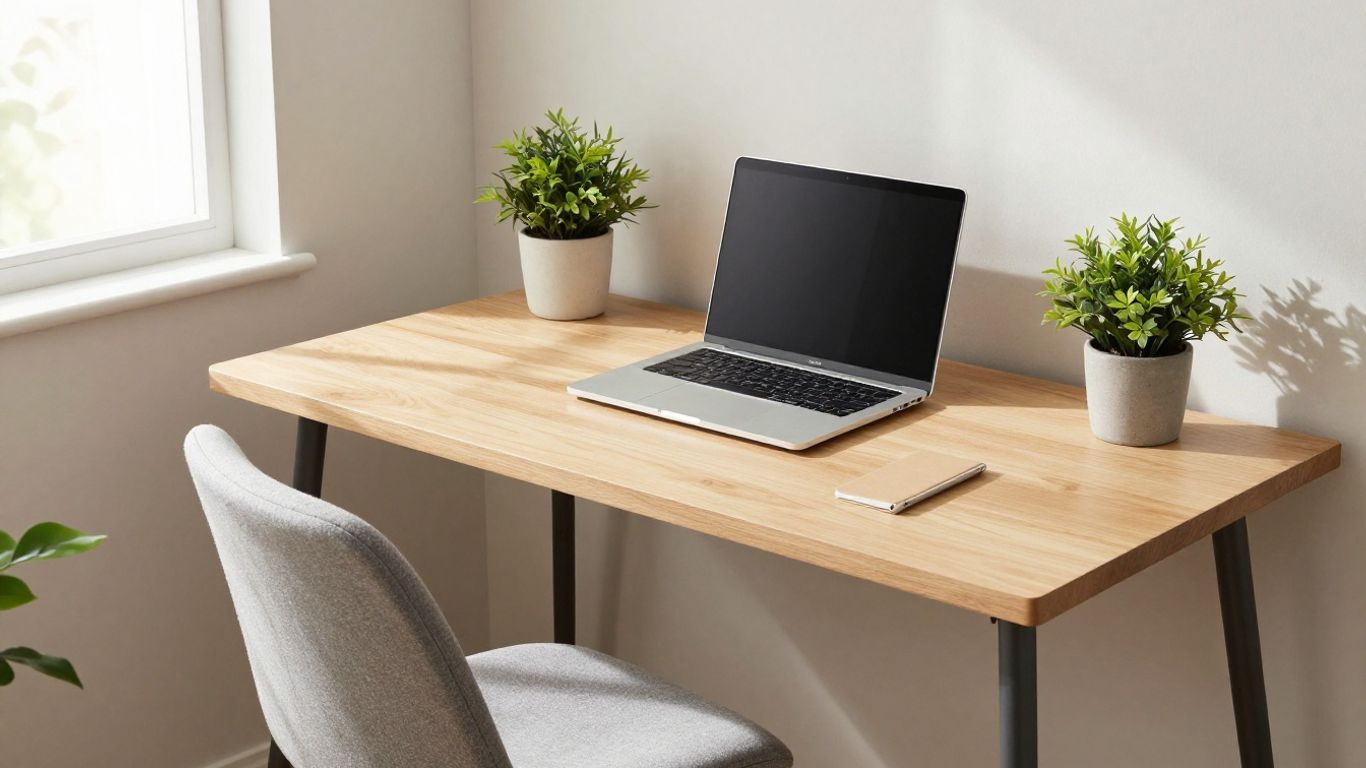
So, you've picked out a desk that fits your tiny room. Awesome. But now comes the part where we make sure you don't end up with a sore back or aching wrists after just an hour of work. It’s all about making your little workspace actually feel good to be in, not just look okay.
Choosing the Right Chair for Tight Spaces
This is a big one. You can't just shove any old chair under your desk. In a small space, a bulky office chair can really eat up room and make it hard to move around. Look for chairs with a slimmer profile. Think about chairs that have adjustable height and maybe some basic lumbar support. You don't need a fancy gaming chair, but something that lets you sit with your feet flat on the floor and your arms at a comfortable angle is key. Some chairs even have arms that fold up, which is super handy for tucking them away when you're not using them. A good chair can make a world of difference, even if it's not the biggest piece of furniture in the room.
The Advantages of Standing Desks
Okay, I know what you're thinking: "A standing desk? In my tiny apartment?" Hear me out. There are actually some really neat compact standing desk options available now. They don't have to be huge, clunky things. Some are just simple converters that sit on top of your existing desk, or even small, adjustable-height desks that don't take up much more space than a regular one. The benefit is huge – standing for parts of your day can really help with circulation and prevent that sluggish feeling. Plus, it breaks up the monotony of sitting. It's a great way to add some movement into your workday without leaving your designated work zone.
Optimizing Lighting for Your Desk Area
Bad lighting is a fast track to headaches and tired eyes. In a small space, you've got to be smart about it. If you can, position your desk so you get natural light from a window, but try not to have it shining directly on your screen or right in your face. A side angle is usually best. If natural light isn't great, a good desk lamp is your best friend. Look for one that's adjustable so you can point the light where you need it. Avoid overhead lights that cast harsh shadows. Good lighting makes a huge difference in how long you can comfortably work and how focused you feel.
Making your workspace comfortable isn't just about avoiding pain; it's about creating a mental shift. When your desk setup feels good, it signals to your brain that it's time to focus. This little bit of intentionality can help you get more done and also make it easier to switch off when the workday is over.
Aesthetic Considerations for Your Small Space Desk
So, you've figured out the space and the function, but what about how it actually looks? Making your small desk fit into your room's style isn't just about vanity; it can actually make your workspace feel more intentional and less like a temporary setup. The goal is to make your desk feel like a natural extension of your home, not an eyesore.
Complementing Your Room's Decor
Think about the vibe of your room. Is it cozy and rustic? Sleek and modern? Whatever it is, try to match your desk's materials and colors. A light wood desk might look great in a Scandinavian-inspired room, while a metal and glass one could fit right into a more industrial setting. It's about creating a cohesive look. You don't want your desk to be the loudest thing in the room, unless that's the specific statement you're going for, of course.
Creating an Illusion of Space
This is where a little trickery comes in handy. Lighter colors tend to make spaces feel bigger, so a desk in white, light grey, or natural wood can help. Also, consider furniture placement. Positioning your desk perpendicular to a window can bring in more light and make the area feel more open. Mirrors are another classic trick; placing one strategically near your desk can really bounce light around and make the whole area feel less cramped. You can find some great ideas for small desks that are designed with these principles in mind here.
Decluttering Strategies for a Tidy Workspace
Let's be real, clutter is the enemy of small spaces. A tidy desk makes a huge difference in how focused you feel. It's not just about looks; a messy desk can actually make it harder to concentrate. Try to adopt a simple rule: everything needs a home. When you're done with something, put it back. This habit prevents piles from forming.
Here are a few ways to keep things neat:
- Vertical Storage: Think shelves above or beside your desk. This gets items off the surface.
- Drawer Organizers: Even small drawers can become chaotic. Use dividers to keep pens, paperclips, and other bits and bobs in order.
- Decorative Boxes and Baskets: These aren't just for show; they're perfect for hiding less-than-pretty items like cables or extra notebooks.
A clean workspace has a direct impact on your focus and productivity. Studies have shown that a cluttered environment can increase your cognitive load, making it much harder to concentrate on complex tasks. Implementing a simple rule: everything must have a designated home, prevents clutter from piling up and ensures your workspace remains a zone of clarity and efficiency, no matter its size.
Choosing a desk from places like IKEA can also be helpful, as they often have smart storage solutions built-in or complementary items that work well together IKEA's collection. Remember, a well-styled and organized desk can make even the smallest room feel like a functional and pleasant place to work.
Budget-Friendly Desk Solutions for Small Spaces
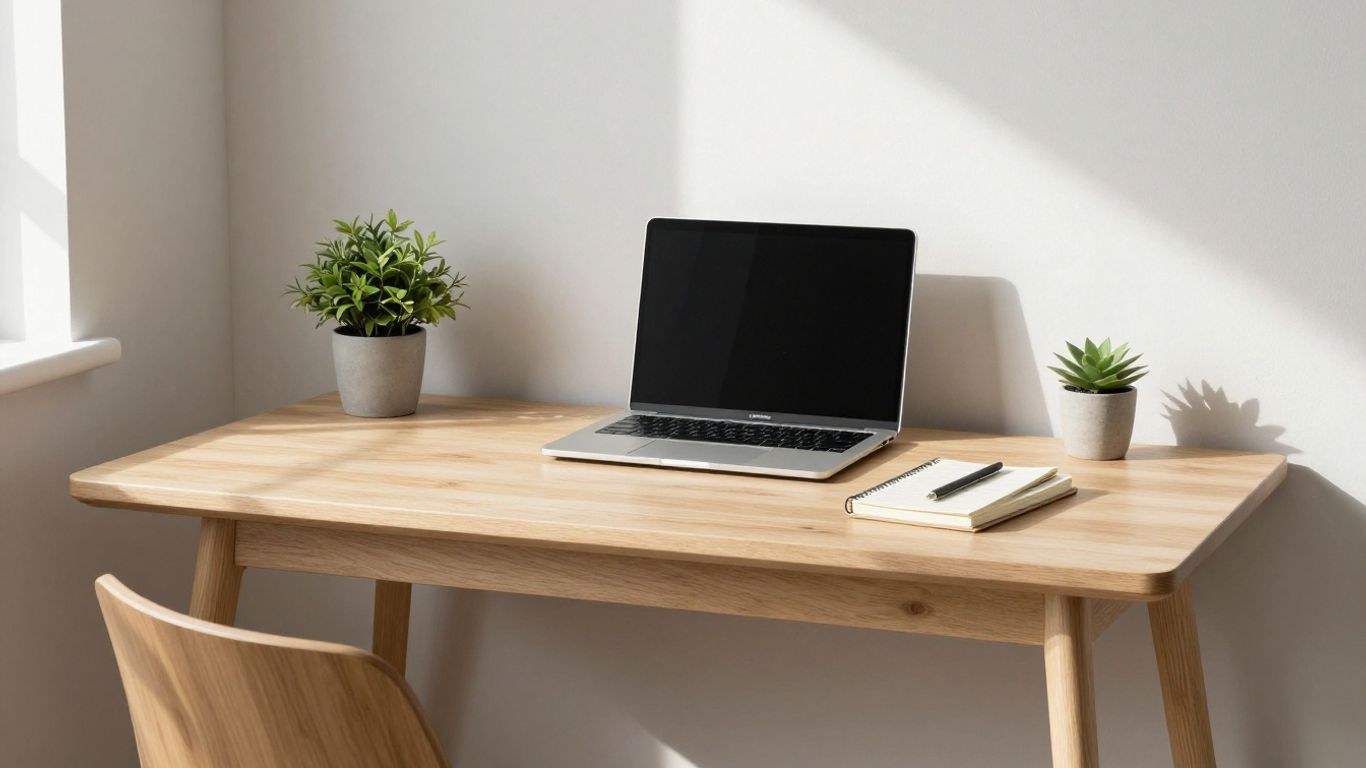
Finding a desk that fits your budget and your tiny living space doesn't have to be a headache. You can totally score a functional and good-looking desk without breaking the bank. It's all about knowing where to look and what features really matter for small spaces.
Affordable Desk Options
If your wallet is feeling a bit thin, don't worry. There are plenty of desks out there that won't cost a fortune. Think about simple writing desks or even foldable options. Materials like particleboard or MDF are common in this price range, and honestly, they can look pretty decent if you pick the right style. Retailers like IKEA or Target often have some great finds that are easy on the budget. Sometimes, the simplest designs are the most effective for small areas. You might also find some good deals on used furniture sites if you're willing to do a little digging.
Mid-Range Choices with Added Value
Stepping up a bit, you can find desks that offer more bang for your buck. Floating desks or corner desks with some built-in storage fall into this category. These often come in finishes like wood veneer or laminate, giving them a slightly more polished look. They strike a nice balance between cost and usefulness, which is pretty important when you're trying to make every inch count. A desk with integrated shelving can really help keep your workspace tidy, which is a huge win in a small room. You can find some really clever multifunctional furniture that serves a dual purpose, saving you both money and space. Check out some of these budget-friendly finds that can transform even the smallest areas into productive work zones [c804].
Investing in Long-Term Functionality
While it might seem counterintuitive to spend more when you're on a budget, sometimes investing a little more upfront can save you money and hassle down the line. Consider desks made from sturdier materials like solid wood or metal. Adjustable standing desks, while pricier, can offer long-term ergonomic benefits and adapt to your changing needs. Think about desks that have smart storage solutions, like built-in drawers or vertical shelving units. These can help you stay organized and avoid the need to buy separate storage furniture later. A well-designed desk with good storage can make a big difference in how functional your small workspace feels.
When you're on a tight budget, it's smart to prioritize what your desk does over how it looks. A desk that offers good storage and a comfortable work surface will serve you better long-term than a purely decorative piece that ends up adding to clutter.
Wrapping Up Your Small Space Workspace
So, finding the right desk for a small place isn't about magic, it's about being smart with what you've got. Whether you're leaning towards a desk that folds away, one that hangs on the wall, or even a clever corner unit, there are tons of options out there. The main thing is to pick something that works for how you live and work. Don't forget to measure everything twice – seriously, it makes a huge difference! With a little planning, you can totally turn that tiny corner into a spot you actually want to spend time in. Happy desk hunting!
Frequently Asked Questions
How do I figure out the best size desk for my small room?
First, grab a tape measure! Don't just measure the spot where the desk will sit. Think about the 'comfort bubble' – that's the space you need around the desk to pull out your chair, stand up, and walk by without bumping into things. Make sure your chair can move freely. Also, consider how much depth you need for your computer and other items, usually around 20-30 inches is good.
What kind of desk is best if I need to save as much floor space as possible?
Wall-mounted or floating desks are awesome for this! They attach right to the wall, so there's nothing on the floor underneath. This makes the room feel bigger and makes cleaning super easy. They look really modern and clean, too.
I have a weird corner in my room. What desk works there?
A corner desk is your best friend for those unused nooks! They fit right into the corner, giving you a good amount of desk space without sticking out too much into the room. It's a smart way to use space that might otherwise go to waste.
What if I don't use my desk all the time and want it out of the way?
A foldable desk is perfect for you! You can use it when you need it, and then fold it up and store it away when you're done. This is great for rooms that have to do double duty, like a living room that becomes an office or a guest room.
How can I keep my small desk from getting messy?
Look for desks with built-in drawers or shelves. If your desk doesn't have storage, think about using the space above it. You can add wall shelves or a ladder desk that has shelves built in. Keeping things organized vertically is key in small spaces!
Are standing desks good for small rooms?
Yes, they can be! Standing desks can actually make a small room feel more open because they have a lower visual profile when you're standing. Plus, they're good for your health and encourage you to move, which is nice when you might feel a bit cramped. Just make sure you have enough ceiling height if you plan to raise it.


Leave a comment