




Maximize Your Productivity with a Small Home Office Desk
Working from home is pretty common now, right? But if you're like me, your 'office' might be a corner of the living room or even the kitchen table. It can be tough to get work done when your space is small and cluttered. This article is all about making the most of a small home office desk. We'll look at how to pick the right desk, keep things tidy, and set up your space so you can actually get stuff done without feeling overwhelmed.
Key Takeaways
- Choose a small home office desk that fits your needs and space, maybe even one that does double duty.
- Decluttering is key; get rid of what you don't need and keep your workspace simple.
- Set up your desk area with good lighting and a calm color scheme to help you focus.
- Use smart storage, like shelves or hidden spots, to keep things organized without taking up too much room.
- Maintain your tidy space with daily clean-ups and regular reviews to prevent clutter from coming back.
Choosing The Right Small Home Office Desk
Setting up a home office, especially in a small space, can feel a bit tricky. The desk is the centerpiece, so picking the right one makes a big difference. It's not just about looks; it's about how it fits your work style and the room you have.
Identify Your Ideal Workspace
Before you even start looking at desks, take a good look at where you plan to work. Is there a quiet corner that's usually empty? Maybe a section of your living room that doesn't get much traffic? Sometimes, even a wide hallway or a spare closet can be transformed into a functional workspace. Think about the flow of your home and where you can set up without being in the way or getting constantly interrupted. It's about finding a spot that feels dedicated, even if it's not a separate room. Consider how much space you actually need for your daily tasks. Do you spread out a lot, or do you just need enough room for a laptop and a notebook?
Embrace Multi-Purpose Furniture
When space is tight, furniture that does double duty is your best friend. This means looking for desks that might have built-in storage, like drawers or shelves. Or, maybe your desk can also serve as a console table when you're not working. If your kitchen table has to double as your office, think about how you can easily clear it off at the end of the day. The goal is to make your workspace adaptable. You might even find a desk that can be tucked away or folded when not in use, giving you back floor space.
Select Space-Saving Desk Styles
There are several desk styles designed specifically for smaller areas. Floating desks, which mount directly to the wall, are great because they don't take up any floor space. Fold-out desks are another option; they can be hidden away when not needed. Corner desks can make good use of often-unused nooks. Even a simple writing desk with a slim profile can work wonders. When choosing, think about what will fit best in your identified workspace and how much surface area you truly require for your daily tasks. A standing desk converter can also be a good option if you want the flexibility to stand without committing to a full standing desk.
Choosing a desk isn't just about fitting it into a space; it's about making sure it supports how you work. A desk that's too small can be frustrating, while one that's too big will just make your space feel cramped. It's a balance.
Decluttering For A Focused Workspace
Okay, let's talk about getting rid of the junk. You know, that pile of papers you haven't looked at in months, the pens that don't work, or that weird promotional mug you got ages ago? All that stuff just sits there, silently screaming for your attention when you're trying to get actual work done. The first step to a productive small office is clearing out the unnecessary. It sounds simple, but it makes a huge difference.
Simplify Your Existing Setup
Before you buy anything new, take a good, hard look at what you already have. Empty out your drawers, take everything off your desk, and really see it all. Then, sort it into piles: things you use every single day, things you need now and then, and things you honestly never use. For that last pile, think about donating, recycling, or just storing it somewhere else entirely. It’s about making space for what actually matters.
Practical Decluttering Strategies
Getting rid of stuff can feel overwhelming, but there are ways to make it less painful. Try these ideas:
- Go Digital: Scan important documents and save them on your computer. This cuts down on physical paper clutter significantly. You can find some great apps to help with this.
- Use Minimalist Storage: Invest in a few simple bins or organizers. Think clean lines, nothing too flashy. This keeps things tidy and easy to find without adding visual noise.
- Clear Out Daily: Spend just five minutes at the end of each workday putting things back where they belong. It’s a small habit that prevents big messes.
A messy desk often leads to a scattered mind. Keeping your workspace clean and organized isn't just about looks; it's about mental clarity and focus. Think of it as clearing the mental fog so you can concentrate on the task at hand.
Embrace The 'One In, One Out' Rule
This is a simple but powerful trick. Every time you bring something new into your office space – whether it's a new notebook, a gadget, or even a decorative item – you have to take something old out. This keeps the clutter from creeping back in and helps you be more mindful about what you're bringing into your workspace. It’s a good way to maintain a streamlined workspace over time.
Optimizing Your Small Home Office Desk Setup
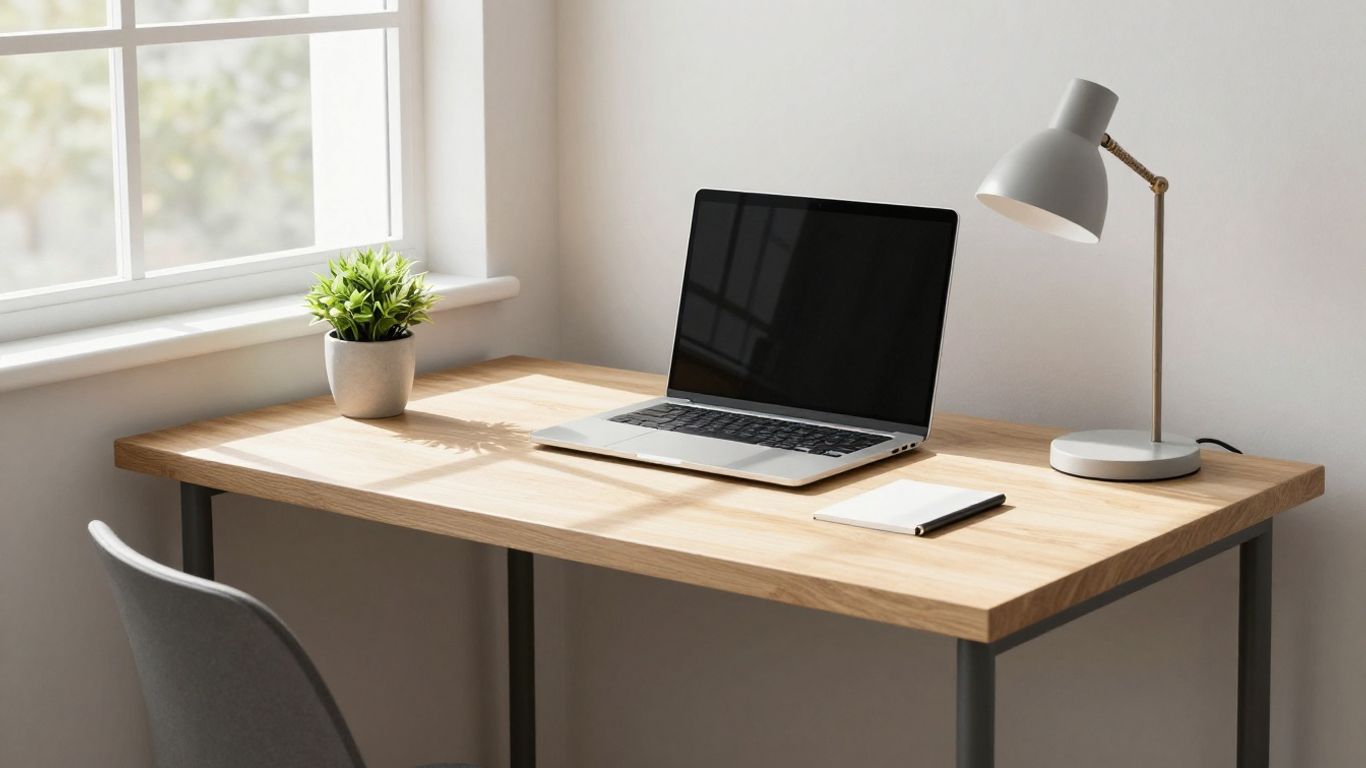
So, you've got your small desk, and it's looking pretty good. But how do you make it work for you, not against you? It's all about setting it up right. We're talking about making the most of the light, getting the right kind of lamps, and picking colors that don't make you feel like you're working in a cave.
Maximize Natural Light Exposure
This is a big one, seriously. If your desk is anywhere near a window, put it there. Soaking up natural light can really change your mood and how focused you feel. It's not just about seeing better; it's about feeling better. If the sun is too bright and causes glare, maybe get some sheer curtains or blinds. You don't want to block the light completely, just tame it a bit. It makes a difference, trust me.
Implement Effective Task Lighting
Even with a window, you'll probably need more light, especially if you work late or it's a gloomy day. A good desk lamp is your best friend here. Look for one with an adjustable arm so you can point the light exactly where you need it. You don't want anything too harsh; soft, warm light is usually best. It's easier on your eyes and makes the space feel more comfortable. Think about where you do most of your work – that's where the light needs to be strongest. You can find some great options for task lighting that won't take up much space.
Choose A Neutral Color Palette
This might sound a bit out there, but the colors in your workspace actually matter. Sticking to neutral colors – think whites, grays, beiges, or soft blues – can make a small space feel bigger and calmer. It helps cut down on visual distractions, which is exactly what you want when you're trying to get stuff done. It creates a clean backdrop so your work can be the main focus. It's like giving your brain a little break from visual noise.
A calm environment helps you concentrate better. When your surroundings are peaceful and organized, your mind is free to focus on the tasks at hand, leading to more efficient work and less stress.
Smart Storage Solutions For Compact Areas
When you're working with a small home office desk, storage can feel like a real puzzle. You need to keep your essentials close by, but you also don't want your workspace to look like a storage unit exploded. The trick is to be clever about where and how you stash your stuff. Think vertically and think hidden.
Utilize Vertical Space Wisely
Don't let your walls go to waste! Adding shelves above your desk is a fantastic way to get things off your work surface. Floating shelves look sleek and can hold books, plants, or decorative items. You can also find wall-mounted organizers or pegboards that are great for corralling smaller items like pens, clips, and notepads. This keeps your most-used items within easy reach without taking up precious desk real estate.
- Wall-mounted shelves: Great for books, binders, and decorative items.
- Pegboards: Perfect for hanging tools, stationery, and small supplies.
- Vertical file holders: Keep papers organized and upright.
Incorporate Hidden Storage Options
Sometimes, the best storage is the kind you don't see. Look for furniture that has built-in storage. A desk with a drawer or two can hide away less-attractive items like chargers and spare cables. Even an ottoman with a lift-top can serve as a place to stash extra supplies or files, and it doubles as extra seating if you need it. Concealing your office essentials can really help maintain a tidy look. Consider ottomans for hidden storage.
Invest In Minimalist Organizers
Even with clever storage solutions, you still need to keep things organized within those spaces. Drawer dividers are your best friend for keeping pens, paperclips, and other small items from becoming a jumbled mess. Use simple file folders to keep papers neat. Cable organizers can tame the spaghetti monster of wires behind your desk. The goal is to have a place for everything, so things don't end up scattered all over your desk. Built-in wall shelving can also integrate seamlessly with your desk setup.
Keeping your workspace organized doesn't mean you have to sacrifice style. Minimalist organizers often come in sleek designs that complement your decor, helping you maintain a clean and focused environment without adding visual clutter.
Essential Tech And Tools For Efficiency
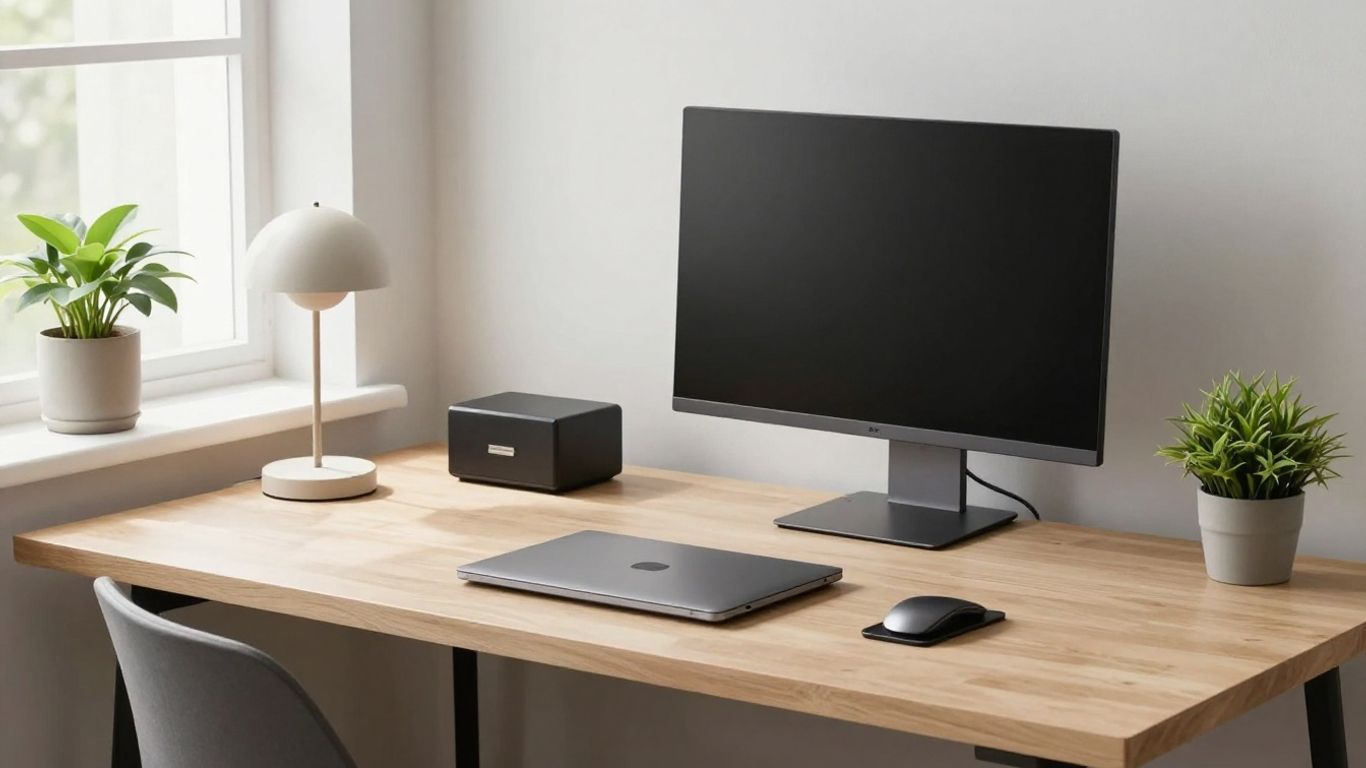
Having the right gear can really make a difference when you're trying to get work done in a small space. It's not just about having a computer; it's about making sure everything works together smoothly so you can focus on your tasks.
Ensure High-Speed Internet Connectivity
This is probably the most important thing. If your internet is slow or keeps cutting out, you're going to get frustrated fast. Imagine trying to join a video call and it's all choppy, or a big file takes forever to download. It just kills your momentum. Make sure you have a reliable, fast internet plan. It's worth the investment to avoid those constant interruptions. You can check your current speeds and compare plans to see if an upgrade makes sense for your needs.
Utilize Noise-Canceling Headphones
Distractions are a big problem, especially when you're working from home. Whether it's the neighbor's dog, kids playing, or just general household noise, it can be tough to concentrate. A good pair of noise-canceling headphones can create a little bubble of quiet for you. This lets you really zone in on what you're doing, whether it's writing, coding, or taking calls. They're also great for listening to music or podcasts without disturbing anyone else.
Consider a Second Monitor for Multitasking
If you find yourself constantly switching between different windows or applications, a second monitor can be a game-changer. It gives you more screen real estate, so you can have your email open on one screen and your main work document on the other, for example. This makes multitasking much easier and can speed up your workflow quite a bit. Even a smaller, budget-friendly monitor can make a big impact on how efficiently you can manage your tasks. It's a simple addition that can really boost your productivity, especially if your work involves juggling multiple things at once. Check out some top tech picks that can help streamline your setup.
Having the right tools isn't about having the most expensive gadgets. It's about selecting items that genuinely help you work better and feel less stressed. Think about what slows you down the most and find a tech solution for it.
Maintaining A Productive Environment
So, you've got the perfect small desk, it's decluttered, and your lighting is just right. Awesome! But keeping it that way? That's the real trick. Clutter has a sneaky way of creeping back in, and before you know it, your organized oasis feels like a disaster zone again. Establishing simple routines is key to preventing this. It’s not about being perfect, it’s about consistency.
Establish A Daily Clean-Up Routine
This one is pretty straightforward. Before you shut down your computer for the day, take just five minutes. Seriously, that’s all it takes. Clear off your desk surface, put any stray papers back in their folders, and return pens and other supplies to their designated spots. It makes a huge difference when you sit down the next morning and don't have to wade through yesterday's mess. It’s like starting with a clean slate every single day.
Conduct Weekly Space Reviews
Once a week, maybe on a Friday afternoon or a Monday morning, take a slightly longer look at your workspace. Are there items accumulating that don't belong? Are your drawers getting a bit chaotic? This is your chance to do a quick sweep. Think of it as a mini-audit. You might find things you haven't used in months that can be donated or tossed. This proactive approach stops small issues from becoming big ones. It helps you stay on top of things and keeps your workspace feeling fresh and functional. For more ideas on designing a workspace that boosts engagement, check out practical tips.
Adopt Long-Term Minimalist Principles
This goes beyond just tidying up. It's about being mindful of what you bring into your workspace in the first place. Before you buy that new gadget or print that stack of documents, ask yourself: Do I really need this? Will it genuinely improve my workflow, or is it just going to add to the clutter later? Sticking to a minimalist mindset means being intentional about your possessions. It’s about curating a space that truly supports your work, not just filling it up. This long-term approach is what truly sustains a productive environment.
Keeping your workspace tidy isn't just about appearances; it directly impacts your mental clarity and focus. A clean desk can lead to a clearer mind, making it easier to concentrate on the tasks at hand and reducing feelings of overwhelm. It’s a simple but powerful way to manage your workday.
Here’s a quick look at how much time you might spend on maintenance:
| Task | Frequency | Estimated Time per Session |
|---|---|---|
| Daily Tidy-Up | Daily | 5 minutes |
| Weekly Space Review | Weekly | 15-20 minutes |
| Mindful Purchasing | As needed | Varies |
This structured approach helps you maintain a calm and efficient home office, which is vital for sustained productivity. Remember, a well-organized desk setup can significantly enhance your focus.
Wrapping It Up
So, there you have it. Making the most of a small home office desk isn't about having a huge space, it's about being smart with what you've got. By decluttering, organizing, and thinking about how you use your space, you can actually get more done. It’s not about fancy gadgets or a giant setup; it’s about creating a calm spot where you can focus. Give these ideas a try, and you might be surprised at how much better your workday feels.
Frequently Asked Questions
What's the best way to pick a small desk for my home office?
Think about what you'll use the desk for most. Do you need space for a big computer, or just a laptop and a notebook? Also, consider if you want a desk that can do double duty, like a table that can also be your desk. Look for desks that don't take up too much floor space, like ones you can fold up or hang on the wall.
How can I make my small desk area less cluttered?
The key is to get rid of things you don't really need. Take everything off your desk and sort it. Keep only the stuff you use every day or often. For things you only need sometimes, find a place to store them away from your desk. Try to follow the 'one in, one out' rule: when you get something new, get rid of something old.
What kind of lighting is best for a small home office?
Try to put your desk near a window to get lots of natural light, which can make you feel better and more focused. If that's not possible, or for evenings, use a good desk lamp that shines light right where you need it. Soft, warm light is usually better than harsh, bright light that can make your eyes tired.
What are some good storage ideas for a small office?
Use the walls! Put up shelves or cabinets to store things up high, which saves floor space. Look for furniture that has built-in storage, like desks with drawers. Simple organizers for your drawers and cables can also help keep small things tidy and out of the way.
What tech tools really help boost productivity in a small office?
Make sure your internet is fast so video calls don't cut out. Noise-canceling headphones are great for blocking out distractions. If you often switch between tasks, a second computer screen can be a big help for seeing more things at once.
How do I keep my small office tidy and productive over time?
Make it a habit to clean up your desk for a few minutes at the end of each workday. Once a week, take a quick look around to see if anything needs organizing or putting away. To avoid clutter building up, be mindful about only bringing necessary items into your workspace.


Leave a comment