




Mastering Slanted Ceiling Lighting: Expert Tips for Every Room
Dealing with slanted ceilings when it comes to lighting can feel like a puzzle. You want the room to feel bright and welcoming, but those angles can make it tricky. It’s not just about sticking a lamp in the corner; it’s about using lighting for slanted ceiling setups to really make the space work for you. We’re going to look at some smart ways to get the lighting just right, no matter the room.
Key Takeaways
- Place lights based on where you'll use the room, like over furniture, not just the ceiling peak.
- Use flush mounts or slim fixtures to keep the space feeling open and tall.
- Layer different types of lights – overhead, wall, and floor lamps – to create a cozy feel.
- Accentuate the unique shape of your slanted ceiling with hidden lights or linear fixtures.
- Always check if fixtures come with adapters for sloped ceilings and hang them at the right height.
Strategic Placement for Slanted Ceiling Lighting
Lighting rooms with slanted ceilings isn’t just about picking the prettiest fixture—it’s about making that slant work for you. Here’s how to place your lights so the room actually feels good to be in.
Align Lights with Furniture Zones
It may feel right to just follow the ceiling’s peak, but you’ll get better results lining fixtures up with your furniture instead. That means:
- Hanging pendants or chandeliers directly over tables or seating areas, not lost in empty space
- Using multiples if your room has several key zones—like a lounge and a desk, or a dining table with a reading nook
- Making sure task lighting, like above a kitchen island, lines up with the countertop, not just the angle of the ceiling
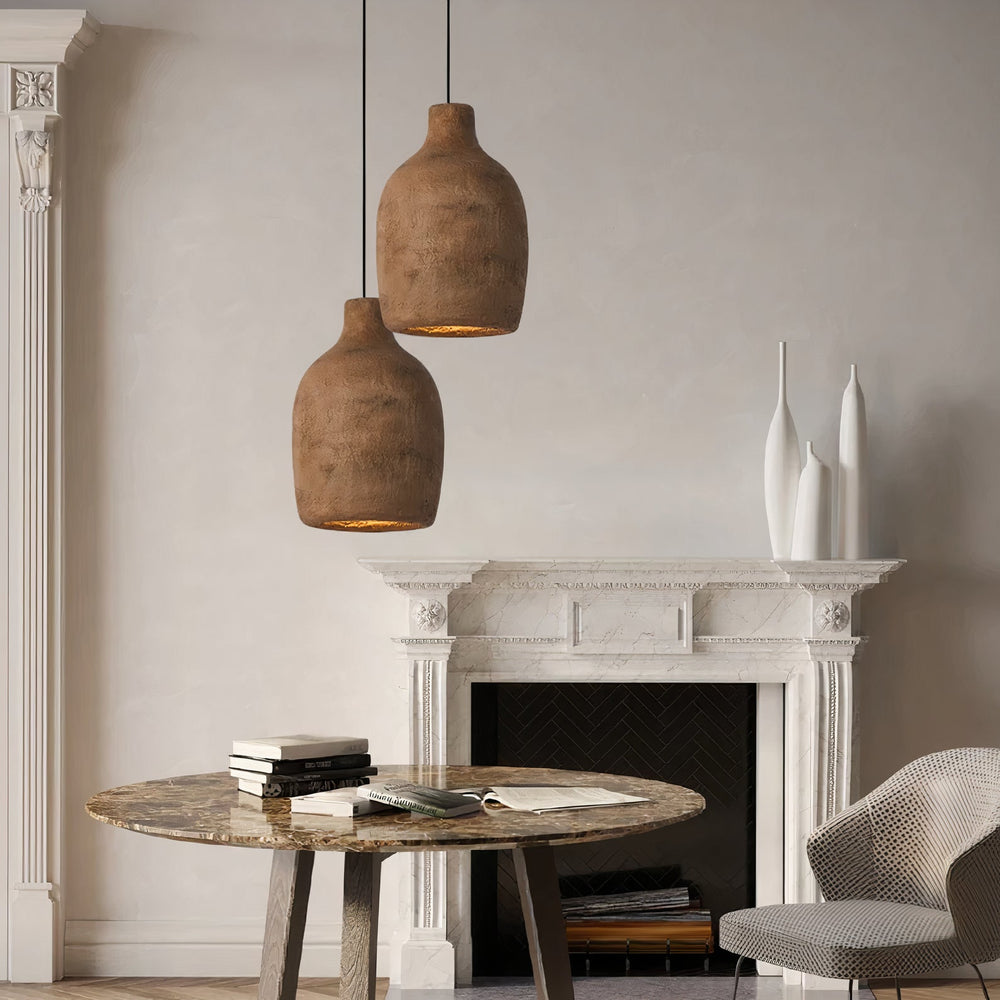
Try grouping pendant lights at varying heights over a long table; this brings a cozy atmosphere, even with a steep slope above.
Center Fixtures Over Key Areas
Don’t just eyeball it—centering fixtures where you actually spend time pays off.
Always center major lights above the places where you gather, eat, or relax. This way, you don’t sit in a shadow. Here’s a quick reference:
| Room Zone | Ideal Fixture Location |
|---|---|
| Dining Table | Centered above table |
| Sofa/Seating | Centered above seating area |
| Kitchen Island | Evenly spaced and centered above |
| Bed | Centered at headboard or nightstands |
If your sloped ceiling makes centering tough, try sliding a pendant with an adjustable canopy or wires to keep things lined up with your floor plan, not just the roof shape.
Consider Room Dimensions for Fixture Size
Size really does matter here. If your room is bigger, your lights need to be bigger too, but you also have to think about slope and height. For those with really high or open ceilings, hanging fixtures lower out of the "void" can actually boost both light and style (let them hang lower).
A few quick tips:
- Choose larger or bolder fixtures for spacious rooms—small lights get lost in the volume.
- For narrow rooms, keep fixtures more compact and grouped closer together.
- Measure the height from floor to the ceiling at the fixture’s location, not the wall, so you don’t hang it too high or low.
Getting the size and placement right means your lighting feels like it belongs, instead of looking like an awkward leftover.
Maximizing Light and Space with Slanted Ceilings
Lighting a room with slanted ceilings takes a bit of planning if you want to keep the space bright and open instead of dark and boxed in. The trick is paying attention to how light moves—from the ceiling to the rest of your room. If you just throw in bigger bulbs or fancy pendants, you usually end up with glare and weird shadows.
Utilize Flush Mounts for Openness
Flush mount fixtures are great for keeping things feeling wide and open under a sloped roof. Hanging lights or chunky pendants can break up the visual flow and make an angled ceiling feel lower than it is. Flush mounts, on the other hand, hug the ceiling and give you plenty of headroom, so the room looks taller and less crowded.
- Saves overhead space and avoids blocking sightlines
- Maintains the ceiling’s unique shape while providing even lighting
- Easy to pair with lamps or wall lights for extra brightness
In a room with sloped ceilings, flush mounts help push all the attention to the design details and not the muddle of hardware above your head.
Employ Narrow Beam Bulbs for Intensity
Standard bulbs usually scatter light everywhere, and a lot of it never reaches where you need it. With high, angled ceilings, the light just fades before it hits the floor. Using narrow beam bulbs (like PAR30 or PAR38 with a 40-degree angle) makes a big difference—they send a focused stream of light straight down, keeping things like your couch, dining table, or workspace much brighter.
Here’s a quick table to compare bulb types:
| Bulb Type | Beam Angle | Good For |
|---|---|---|
| Standard A19 | 120° | General fill light |
| PAR30/PAR38 Spot | 40° | Focused intensity |
- Narrow beam bulbs fight the fade, especially in tall rooms
- Adjustability is a plus—gimbals can aim light where you want it
- Useful for rooms with tall artwork or statement furniture you want to highlight
Increase Overall Brightness
Rooms with slanted ceilings usually need more light than rooms with flat ones. That’s because the light has farther to travel, so some of it just gets lost up high. The easiest fix is to boost your total brightness by about 1.5 times what you’d use in a standard room.
How do you figure out how much light you need?
- Calculate the average lumens for your room size (standard rules apply).
- Multiply that by 1.5—aim high, especially in living areas.
- Use a mix—overhead, wall fixtures, and lamps fill the gaps.
If you want to create a softer atmosphere, you can also angle blinds upwards. This trick bounces light off the ceiling, spreads it around nicely, and even helps protect furnishings from UV damage. Read more about angling slats up for a gentler glow on this page.
With the right setup, you’ll keep rooms feeling lively and spacious long after sunset. Don’t be afraid to mix up your sources—flush mounts, spots, and lamps all work together to brighten every corner.
Layering Light for Slanted Ceiling Ambiance
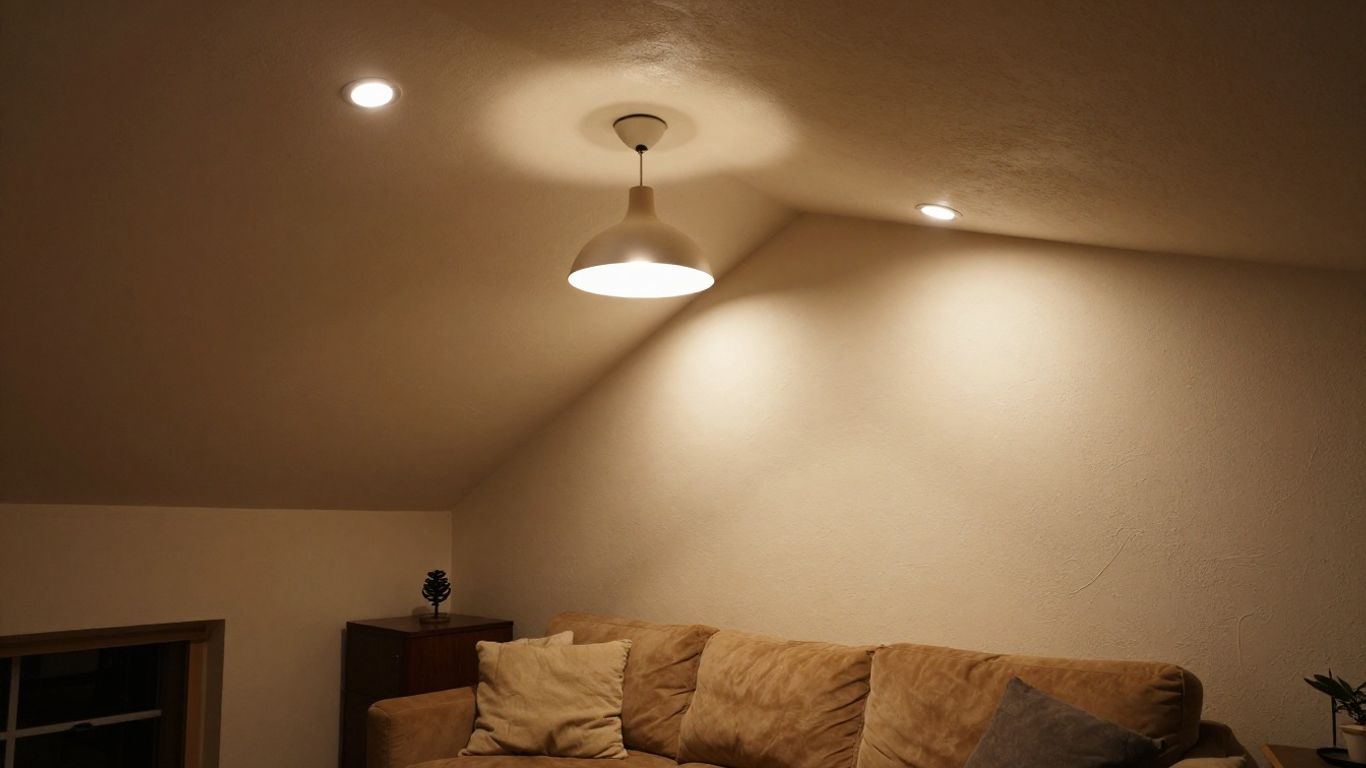
When you've got those cool slanted ceilings, just one overhead light often doesn't cut it. It can leave corners dark or make the room feel a bit flat. That's where layering your lights comes in. It's all about using different types of lights together to create a space that feels cozy and looks good, no matter the time of day. Think of it like painting with light, adding depth and interest.
Combine Recessed Lighting with Wall Illumination
Recessed lights are great for washing the ceiling slopes with light, making the architecture a feature. But don't stop there. Adding wall lights, like sconces or even strategically placed uplights, bounces light off the ceiling. This makes the whole room feel more open and bright, preventing that feeling of being closed in. It's a simple way to make sure no spot is left in the dark.
Introduce Wall Sconces for Human-Scale Light
Slanted ceilings can sometimes make a room feel really tall, which is nice, but it can also feel a bit impersonal. Wall sconces are fantastic for bringing the light down to where people are. They cast a softer glow at eye level, making conversation areas feel more intimate and welcoming. This adds a layer of light that feels more grounded and comfortable, balancing the height of the room. It's a smart way to add ambient glow without overwhelming the space.
Use Floor and Table Lamps Strategically
Finally, don't forget the floor and table lamps. These are your go-to for adding task lighting where you need it, like next to a reading chair, or just for adding little pools of warm light to cozy up a corner. They fill in the gaps left by overhead and wall lighting, creating a really complete and inviting atmosphere. Plus, they're easy to move around if you want to change things up.
Layering light means using a mix of sources: ambient, task, and accent. For slanted ceilings, this approach is key to avoiding shadows and making the most of the unique architecture. It's about creating a functional and beautiful space that feels just right.
Highlighting Architecture with Slanted Ceiling Lighting
When you walk into a room with a slanted ceiling, that dramatic shape is usually the first thing you notice. Lighting can do a lot more than just make the space usable—it can turn those architectural lines and angles into the room's best feature. Here’s how to make the most of every interesting ceiling slope, beam, and detail.
Trace the Architecture with Hidden Glows
Adding subtle, hidden lights along beams, rafters, or key ceiling joints does wonders for showing off your room's structure. Try installing LED strips or low-profile fixtures tucked against the woodwork or behind molding:
- They create a soft, continuous glow that outlines the room’s shape.
- These lights work best with warm tones (2700K–3000K) to bring out the richness in wood and avoid that harsh, sterile effect.
- Use dimmers so you can control the vibe, from a gentle ambient wash to a more dramatic highlight for gatherings.
Hidden architectural lighting doesn’t just show off your ceiling—it makes the whole room feel warmer and more welcoming, even when the rest of the lights are off.
Define Geometry with Linear Lights
Looking to celebrate those crisp angles and unique geometry? Linear fixtures and LED channels can draw eyes to the peaks and edges that set your sloped ceiling apart. Here’s a simple list:
- Install linear lights along ceiling ridges to outline architectural shapes.
- Use channels with frosted covers for a smooth, modern, continuous line of light (no distracting dots).
- Run lights parallel to visible timber, beams, or board lines for a visually elongated space.
This setup is really effective for contemporary rooms or when you want to highlight clean, geometric design. It can be even more striking when paired with slim fixtures that don't add bulk—minimal but impactful.
Highlight Features with Accent Lighting
Accent lighting puts the spotlight on interesting details—like exposed beams, textured walls, or other standout features in a slanted ceiling space. Here’s how you might use it:
- Uplights or directional spotlights aimed at natural materials to bring out texture and depth.
- Small recessed fixtures tucked into beams for a discreet, custom effect.
- Focused spotlights near artwork or architectural focal points.
For tricky angles, aim for fixtures that adjust easily. Directional recessed spotlights can be a good fit, making it simple to highlight exactly what you want to show off (directional recessed spotlights).
Accent lighting gives your ceiling personality, turning what could be a quirky or awkward space into the star of the room.
Choosing the Right Fixtures for Slanted Ceilings
Dealing with slanted ceilings can feel a bit tricky when it comes to lighting. Standard fixtures just don't always work right, and you don't want things looking crooked or just plain awkward. The good news is, there are definitely ways to pick lights that look great and do their job.
Select Fixtures with Sloped Ceiling Adapters
This is probably the most important thing to look for. Many fixtures, especially pendant lights and chandeliers, come with special canopies or adapters designed specifically for sloped ceilings. These allow the fixture to hang straight down, even if the ceiling is angled. Without one, your light could end up looking tilted, which isn't ideal for looks or function. Always check the product description to see if it's compatible with angled ceilings. Some manufacturers even offer separate adapter kits if the fixture you love doesn't come with one built-in. It's a small detail that makes a huge difference in how the final installation looks.
Opt for Designs with Visual Weight
When you have a lot of vertical space thanks to a slanted ceiling, you can get away with fixtures that have a bit more presence. Think about chandeliers or larger pendant lights that can visually anchor the room. They help fill that expansive volume and draw the eye. However, you don't want something so heavy that it overwhelms the space, especially if the room itself isn't huge. It's a balance. Consider the overall scale of your room and the ceiling height. A fixture that's too small might get lost, while one that's too large can make the room feel cramped.
- Pendant Lights: Great for drawing attention downwards and can be hung at different heights to suit the slope.
- Chandeliers: Add a touch of elegance and can fill a large volume of space.
- Track Lighting: Offers flexibility to direct light where needed, with heads that can often pivot.
When selecting fixtures, think about how they'll interact with the angled lines of your ceiling. Some designs naturally complement the slope, while others might fight against it. Aim for harmony.
Modernize with Sleek Fixture Styles
Slanted ceilings often have a modern or architectural feel, and your lighting can play into that. Sleek, minimalist designs work really well. Think about slim linear lights or simple pendant fixtures with clean lines. These types of lights don't compete with the architecture; instead, they complement it. They can guide the eye along the lines of the ceiling without adding visual clutter. For a really modern look, consider fixtures in matte black or brushed metal finishes. These can add a sophisticated touch without being too heavy visually. Remember, the goal is to make the lighting feel intentional and integrated with the room's design, not just an afterthought. Finding the right pendant lights for sloped ceilings can really make a statement.
Creating Comfort and Flow with Slanted Ceiling Illumination
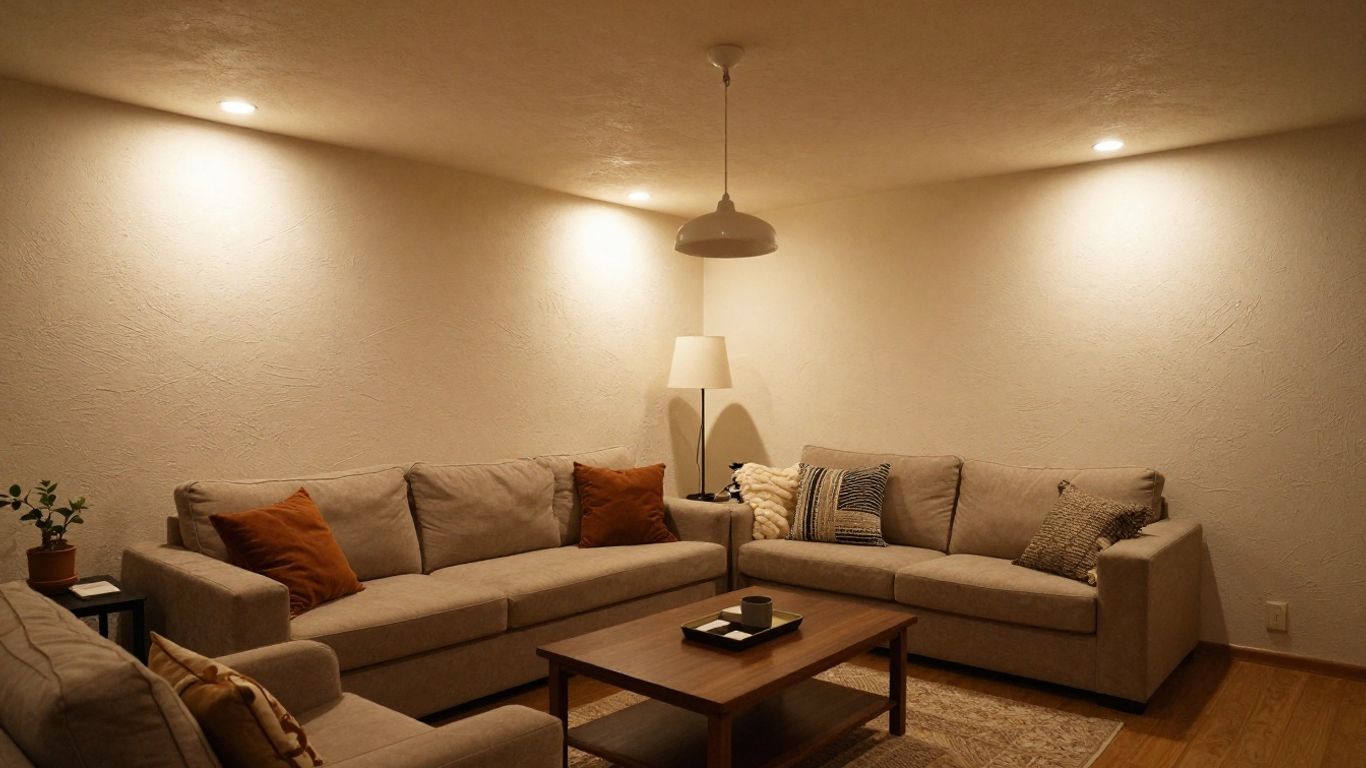
Slanted ceilings can make spaces feel either dynamic or awkward. Getting the lighting right changes everything—an inviting room feels comfortable, easy, and unified, even when the ceiling’s at an angle. Here’s how to make your lighting work for you.
Harmonize Lighting with Wood Grain
If your slanted ceiling has visible beams or wood panels, don't treat the lights as an afterthought. Line up your light fixtures with the direction of the wood grain or beams so it feels intentional.
- Lighting that runs parallel with beams feels seamless, rather than tacked on.
- It helps the eyes travel smoothly across the room, making everything feel connected.
- For long rooms, arranging lights along the longest axis stretches the space visually, so things look bigger and more open.
Sometimes, a space just feels unsettled, and it’s not always the furniture—it might be how that overhead fixture cuts across the room in the wrong direction. A quick realignment can work wonders.
Use Warm Light to Soften Vertical Space
Cool white bulbs can be harsh and clinical, especially if you have wood in the ceiling. For comfort, swap in bulbs around 2700K–3000K—these make everything warmer and more inviting.
- Warm white LEDs help highlight rich tones in timber.
- Rooms feel less echoey and more relaxed.
- Dimming the lights at night turns those sharp ceiling lines into gentle curves and makes the space calm.
A simple switch to warmer bulbs suddenly makes your slanted ceiling way less intimidating.
Create a Glare-Free Sanctuary with Indirect Light
Direct overhead glare ruins the mood, especially in rooms meant for resting or reading. Indirect lighting, like LED strips placed behind beams, bounces light, giving you a soft, gentle wash. It highlights ceilings without blinding anyone below.
- Use indirect strips above eye level to reduce harsh spots.
- Aim fixtures to bounce light off the higher part of the ceiling, not straight down.
- Keep lights hidden for a clean, unobtrusive feel.
Here's a quick reference for making slanted rooms more comfortable:
| Lighting Approach | Best For | Effect on Room |
|---|---|---|
| Woods-aligned fixtures | Living rooms, bedrooms | Connected flow |
| Warm LEDs (2700K-3000K) | Anywhere with wood | Softer, cozy look |
| Indirect (hidden strips) | Lounges, bedrooms | No glare, relaxed |
The combination of aligned, warm, and glare-free lighting can make even the trickiest slanted ceiling feel like a natural fit for your life. For a more structured plan, consider how fixture placement affects flow and comfort, as suggested by recommendations to center fixtures in the room’s geometry instead of the ceiling peak (center fixtures for better sightlines).
Bringing It All Together
So, tackling lighting in rooms with slanted ceilings might seem a bit tricky at first, but as we've seen, it's totally doable. It's all about thinking a little differently than you would for a flat ceiling. By paying attention to where you place lights, using the right kinds of fixtures, and layering your lighting, you can make any room feel just right. Whether you're aiming for cozy or bright, these tips should help you get there. Don't be afraid to experiment a bit – the right lighting can really change how a space feels, making it more comfortable and looking way better too.
Frequently Asked Questions
Why is lighting slanted ceilings tricky?
Slanted ceilings can be tough because regular lights might hang crooked. Light also travels farther, so you need more of it, and it can get stuck up high, leaving the lower parts of the room dim. It's all about making sure the light goes where you need it, not just floating up in the air.
Where should I put lights on a slanted ceiling?
Don't just center lights on the highest point. Think about where you actually use the room, like over your couch or dining table. Placing lights above furniture zones makes sure the light is useful for activities like reading or eating.
What kind of lights work best for slanted ceilings?
Look for lights that can handle slopes, often called 'sloped ceiling adapters.' Also, consider lights that spread light downwards, like ones with a narrower beam, so the light reaches the floor. Sometimes, bigger lights with some weight look better in tall rooms so they don't seem too small.
How can I make a room with a slanted ceiling feel bigger?
Using lights that hug the ceiling, like flush mounts, can make the room feel more open because they don't block your view. Also, aiming some lights at the walls can make the walls look brighter and taller, which helps the whole room feel more spacious.
Can I use different types of lights together?
Absolutely! Layering lights is a great idea. You can use lights in the ceiling, lights on the walls (like sconces), and even floor or table lamps. This mix creates different moods and makes sure you have light for every situation, from bright tasks to cozy evenings.
How do I make a room with a slanted ceiling feel cozy?
Use warm-colored lights, like those that mimic candlelight. Also, try bouncing light off the ceiling or walls instead of pointing it straight down. This creates a softer, less harsh light that makes the room feel more comfortable and inviting, especially in bedrooms or living areas.


Leave a comment