




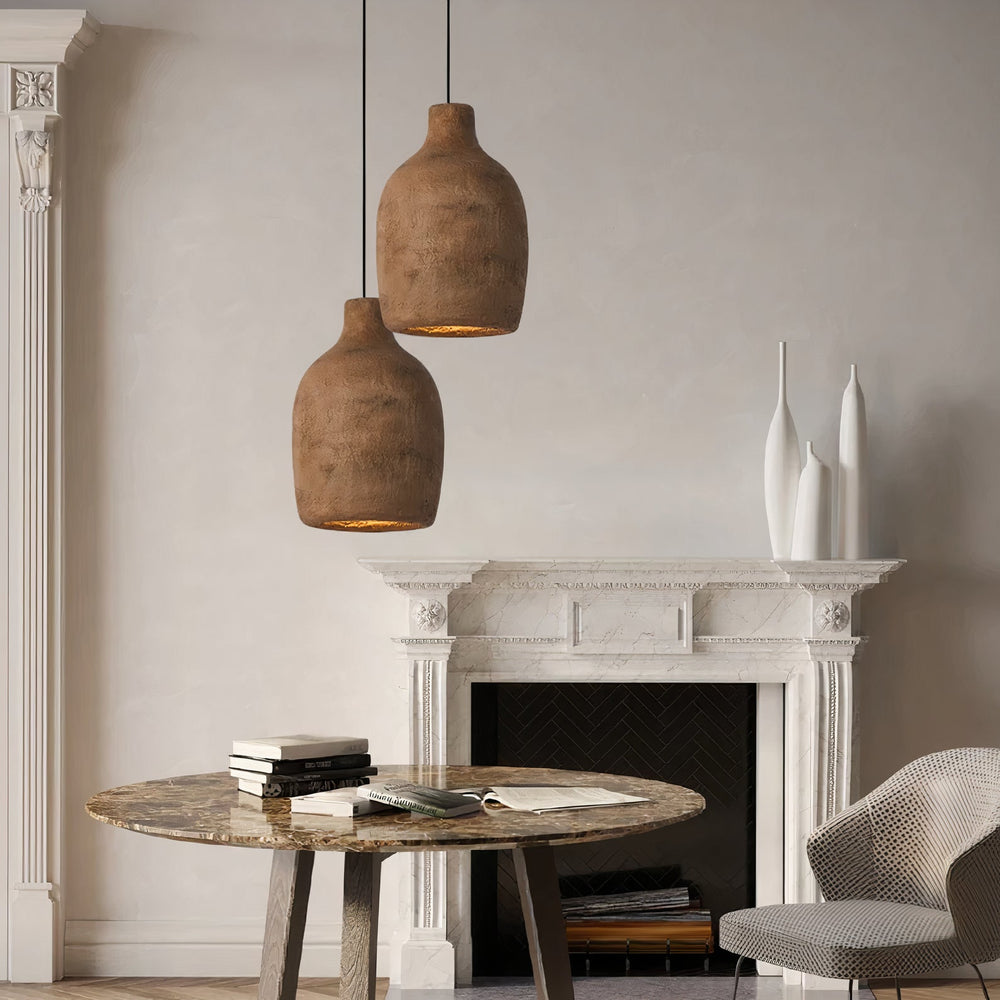
Master Your Space With Stunning Wall And Ceiling Lights
Ceiling Lights & Wall Lights: The Expert Guide to a More Beautiful Home
Lighting is the detail that turns a furnished room into a finished room. This premium guide explains how to choose ceiling lights and wall lights with the same eye an interior designer would use: proportion, warmth, layering, placement, materials and atmosphere.
Why lighting changes everything
A beautiful sofa, dining table or mirror can look flat under the wrong light. The right ceiling lights create the first layer of brightness. The right wall lights add depth, softness, rhythm and architectural detail. Together, they make a room feel considered rather than simply decorated.
For BellDecors customers, the goal is not just illumination. The goal is atmosphere: a hallway that feels boutique-hotel elegant, a living room that glows at night, a bedroom that feels calm, and a dining space with a focal point strong enough to anchor the entire room.
Expert rule: do not rely on one central fitting alone. The most expensive-looking homes use layers: ceiling lighting for structure, wall lighting for mood, table or floor lamps for intimacy, and accent lighting for art, texture and architectural features.
Start with the two most important layers
Build the room around a statement ceiling light, then use wall lights to create warmth, balance and evening atmosphere.
1. How to choose ceiling lights that look premium
Ceiling lights are the visual anchor of a room. They are usually the first fitting people notice when they walk in, so they need to do more than brighten the space. They should set the tone: refined, calm, sculptural, modern, classic, warm or dramatic.
The mistake many homes make is treating ceiling lights as an afterthought. A small pendant in a large living room can look weak. A harsh, exposed bulb can make a room feel unfinished. A fitting that is too cool in colour temperature can flatten expensive textures like marble, oak, boucle, linen and brass. Premium lighting starts by matching the fitting to the room’s scale, purpose and mood.
Best ceiling light styles by room
| Room | Best ceiling light style | Why it works | BellDecors angle |
|---|---|---|---|
| Living room | Statement pendant, chandelier or semi-flush ceiling light | Adds a central focal point without relying only on lamps | Choose warm, sculptural designs that look beautiful even when switched off |
| Dining room | Linear pendant, glass chandelier or grouped pendant lights | Frames the dining table and creates a restaurant-like atmosphere | Match the length of the light to the dining table for a balanced designer look |
| Bedroom | Soft pendant, flush ceiling light or warm chandelier | Gives calm general lighting while keeping the room relaxed | Avoid overly harsh white bulbs; choose warm light for a restful feel |
| Hallway | Flush mount, semi-flush or slim pendant | Works with lower ceilings and creates a welcoming first impression | Use repeated fittings along a long hallway for rhythm and flow |
| Kitchen | Flush lights, pendants over an island or layered ceiling spots | Combines practical visibility with design impact | Use warm-neutral light to keep the kitchen functional but still inviting |
What makes a ceiling light look expensive?
The most premium ceiling lights usually have three qualities: strong proportion, beautiful materials and controlled glow. Glass, brass, smoked finishes, ceramic textures, rattan, sculptural metalwork and warm diffusers can all make a fitting feel more considered. A luxury ceiling light should not scream for attention; it should feel like it belongs to the architecture of the room.
For a calm contemporary home, choose ceiling lights with softened forms, warm metallic finishes, opal glass, textured shades or organic silhouettes. For a dramatic home, choose larger chandeliers, ring lights, multi-arm designs or smoked glass fittings. For compact rooms, flush and semi-flush ceiling lights can give the same finished feeling without overwhelming the ceiling height.
2. How to choose wall lights for depth, warmth and designer detail
Wall lights are one of the fastest ways to make a room look professionally designed. They bring light to eye level, soften empty walls, free up surface space and help a room feel layered in the evening. Where ceiling lights provide the main structure, wall lights add atmosphere.
In premium interiors, wall lights are rarely random. They are used in pairs beside a mirror, either side of a bed, along a hallway, above a console, near artwork or to wash light across a textured wall. This creates symmetry, rhythm and shadow — three details that make a home feel more expensive.


The main types of wall lights
| Wall light type | Best for | Designer effect |
|---|---|---|
| Up-and-down wall lights | Hallways, living rooms, feature walls and modern spaces | Creates architectural beams of light above and below the fitting |
| Glass wall lights | Bedrooms, dining rooms, living rooms and elegant hallways | Adds reflection, softness and a more decorative finish |
| Directional wall lights | Reading corners, bedside lighting and task lighting | Gives focused light exactly where it is needed |
| Art-style wall lights | Feature walls, staircases, luxury living rooms and entrances | Works as both lighting and wall decor |
| Minimal LED wall lights | Modern homes, narrow corridors and calm interiors | Gives clean lines and understated architectural mood |
For the most premium result, think about the wall light as part of the wall composition. Is it balancing a mirror? Framing a bed? Repeating down a corridor? Highlighting artwork? Adding glow behind a sofa? The best wall lights look intentional before they are even switched on.
3. Room-by-room ceiling light and wall light ideas
Every room needs a different balance of brightness and atmosphere. A kitchen needs practical light. A bedroom needs calm. A hallway needs welcome. A dining room needs drama. Use the guide below to plan a complete lighting scheme before choosing your fittings.
Living room
Use a statement ceiling light as the centrepiece, then add wall lights to create soft evening depth. This prevents the room from feeling flat when the main light is dimmed.
- Choose warm white bulbs for a relaxed glow.
- Use wall lights beside artwork, alcoves or a chimney breast.
- Pair ceiling lights with table lamps for a layered finish.
Dining room
The ceiling light should frame the table, while wall lights add restaurant-style ambience around the edges of the room.
- Hang pendants low enough to feel intimate but not obstruct views.
- Use dimmable bulbs where possible.
- Repeat metal finishes for a cohesive look.
Bedroom
Bedroom lighting should feel softer than kitchen or bathroom lighting. Wall lights beside the bed are especially useful because they free up bedside table space.
- Use warm light rather than cool white.
- Choose shaded or diffused fittings to reduce glare.
- Install matching wall lights for boutique-hotel symmetry.
Hallway
Hallways are often narrow, so wall lights can make them feel more architectural without taking up floor space.
- Repeat wall lights evenly down long corridors.
- Use flush ceiling lights where ceiling height is limited.
- Choose warm finishes to make the entrance welcoming.
Kitchen
Kitchen lighting should be functional but not clinical. Use ceiling lights for general brightness and pendants over islands for design impact.
- Use brighter light for work areas.
- Choose pendants that complement cabinet hardware.
- Use wall lights near shelves or breakfast corners for softness.
Bathroom
Wall lights around mirrors are excellent for balanced facial lighting. Always choose fittings suitable for bathroom zones and moisture exposure.
- Place lights either side of the mirror for even illumination.
- Avoid a single harsh overhead light.
- Check IP ratings before installation.
4. Placement, height and sizing rules designers use
Premium lighting is not only about choosing the fitting. Placement is what makes it look deliberate. A beautiful wall light placed too high can feel disconnected. A pendant hung too small over a dining table can look lost. The aim is to make each light feel connected to the furniture, wall and architecture around it.
Ceiling light sizing
In larger rooms, go bigger than you think. A ceiling light should have enough presence to balance the furniture below it. In small rooms or low-ceiling spaces, use flush or semi-flush ceiling lights to keep the room feeling open. Over a dining table, the ceiling light should visually relate to the table length rather than the room alone.
Wall light height
As a general design starting point, many wall lights sit around eye level, often roughly 150cm to 170cm from the floor to the centre of the fitting, depending on ceiling height, furniture and the style of light. Bedside wall lights may sit lower if they are used for reading. Hallway wall lights should be placed where they create rhythm without becoming obstacles.
Spacing wall lights
For hallways, repeated wall lights should feel evenly spaced and symmetrical. For mirrors, place wall lights either side to frame the mirror. For beds, align wall lights to the bedhead and bedside tables. For artwork, choose placement that enhances the piece without creating glare on glass.
| Placement scenario | Premium approach | Avoid |
|---|---|---|
| Ceiling light over dining table | Centre it over the table, not simply the room | A pendant that feels too small or hangs awkwardly off-centre |
| Wall lights beside bed | Use matching pairs for symmetry and warm evening light | Lights that shine directly into the eyes when lying down |
| Wall lights in hallway | Repeat at consistent intervals for a hotel-style rhythm | Bulky fittings in very narrow walkways |
| Wall lights near mirrors | Use balanced side lighting to flatter the face and frame the mirror | Placing lights where they create harsh glare or reflections |
5. Warm white, cool white and why colour temperature matters
Colour temperature is one of the biggest reasons a room can feel either expensive or uncomfortable. It is measured in Kelvin. Lower Kelvin numbers feel warmer and more golden; higher Kelvin numbers feel cooler and brighter. For most living rooms, bedrooms and dining rooms, warm white lighting is usually the most flattering.
| Colour temperature | Best use | Interior effect |
|---|---|---|
| Very warm white, around 2700K | Bedrooms, living rooms, dining rooms and cosy evening spaces | Soft, intimate, warm and luxurious |
| Warm white, around 2700K–3000K | Most general home lighting | Inviting, comfortable and easy to live with |
| Cool white, around 4000K–4500K | Kitchens, utility rooms and some bathrooms | Cleaner and brighter, but can feel harsh in relaxing rooms |
| Daylight, 5000K+ | Task-heavy areas, garages or very specific work spaces | Bright and crisp, but often too clinical for luxury living spaces |
For a premium BellDecors-style interior, use warmer bulbs in decorative ceiling lights and wall lights unless the room needs practical brightness. Warm light flatters brass, glass, stone, wood, linen, boucle and neutral paint colours. Cool light can be useful in task areas, but too much of it can make a home feel less relaxed.
For further technical reading, the Energy Saving Trust lighting guide explains lighting efficiency and colour temperature, while the Illuminating Engineering Society standards library is useful for deeper lighting design references.
6. The luxury lighting formula: ceiling light + wall light + glow
If you want your home to look more designed, use this simple formula in the main rooms:
- One hero ceiling light to anchor the room and provide structure.
- Two or more wall lights to add atmosphere, rhythm and vertical interest.
- One soft secondary glow from a table lamp, floor lamp, picture light or candlelight-style source.
- Dimming where possible so the room can change from practical daytime brightness to evening ambience.
- Consistent finishes across the room, such as brass with warm glass, black with smoked glass, or white with stone and ceramic textures.
Ready to build the look?
Choose your hero ceiling fitting first, then add wall lights to finish the room with warmth and depth.
7. Helpful videos: lighting ideas, wall lights and design tips
Use these videos for extra inspiration before planning your lighting scheme. They are especially useful if you want to understand how professional designers think about layers, ambience and placement.
Design Expert's Guide to Lighting Your Interior — useful for understanding do’s and don’ts of interior lighting.
Ultimate Lighting Guide — helpful for learning about fixtures, bulbs and lighting layers.
How To Choose Wall Lights — a simple guide to wall light styles and options.
How To Light A Space — useful tips on common lighting mistakes and better room lighting.
8. External expert resources worth reading
For readers who want to go deeper, these lighting resources are useful references on wall lights, ceiling lights, colour temperature and layered lighting.
FAQs: ceiling lights and wall lights
Should ceiling lights and wall lights match?
They do not need to be identical, but they should feel connected. The easiest way is to repeat one element: finish, material, shape or colour temperature. For example, a brass ceiling light can pair beautifully with brass wall lights, while a smoked glass chandelier can work with smoked glass sconces.
Are wall lights still in style?
Yes. Wall lights are a major part of premium interiors because they create layered light and make walls feel more architectural. They are especially useful in hallways, bedrooms, dining rooms, living rooms and beside mirrors.
What ceiling lights make a room look bigger?
Flush and semi-flush ceiling lights can help smaller rooms feel more open because they do not visually lower the ceiling. Glass, opal and slimline fittings also help distribute light without making the room feel crowded.
What colour light is best for living rooms?
Warm white is usually best for living rooms because it creates a softer, more relaxing atmosphere. Around 2700K to 3000K is a useful starting point for most living spaces.
Where should wall lights be placed in a hallway?
Place hallway wall lights at a comfortable eye-level height and repeat them evenly along the wall. Avoid bulky fittings in narrow spaces where people may brush against them.
Can I use wall lights instead of bedside lamps?
Yes. Wall lights are excellent beside a bed because they free up bedside table space and create a boutique-hotel look. Choose shaded, adjustable or diffused styles to avoid glare.
Create a home that glows beautifully at every hour
The right lighting does more than brighten a room. It changes the mood, frames the furniture, softens the architecture and makes the home feel finished. Start with a statement ceiling light, add wall lights for warmth, then build a layered scheme that feels calm, elegant and effortless.


Leave a comment