




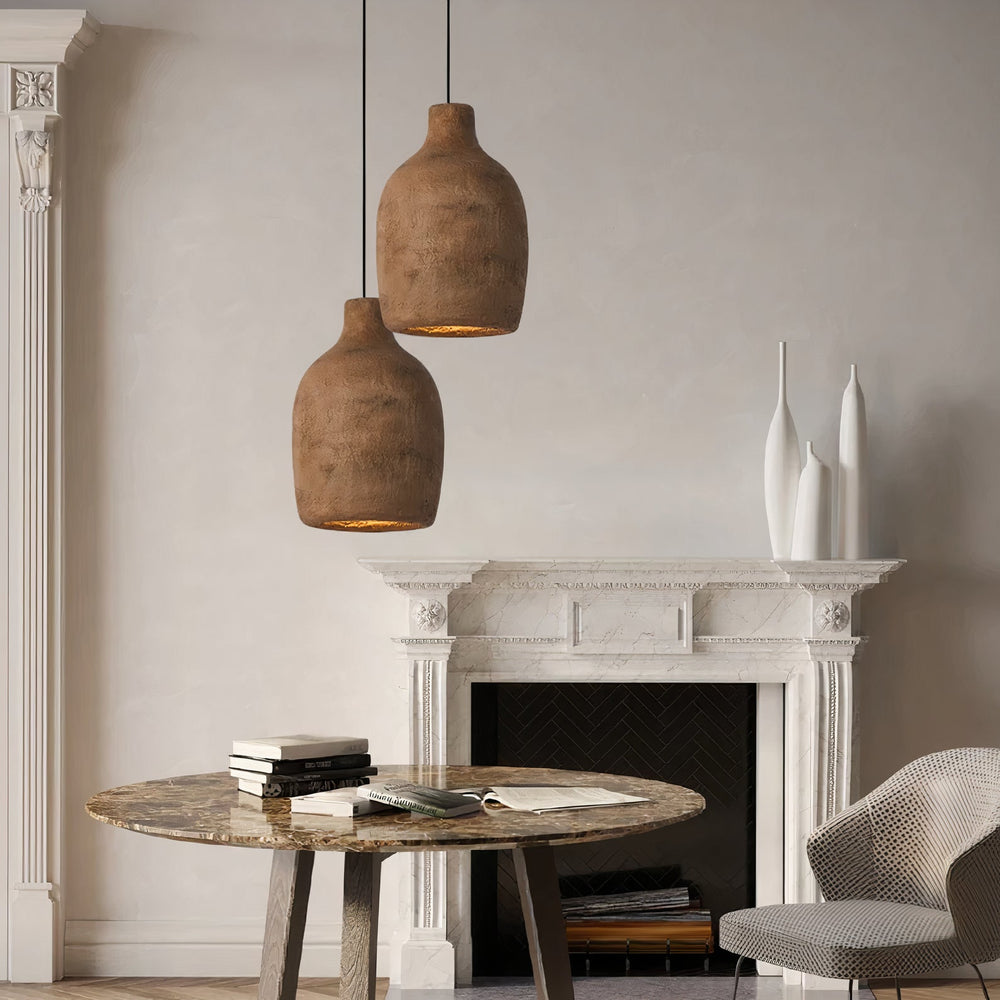
Illuminate Your Space: The Best Hanging Lights for Vaulted Ceilings
So, you've got those awesome vaulted ceilings, right? They make a room feel so big and open, which is great. But then comes the tricky part: how do you actually light the place up without it feeling like a cave or, worse, looking like you just threw a couple of tiny lamps up there? It’s a common puzzle. Getting the right hanging lights for vaulted ceilings is key to making that grand space feel cozy and look its best. We're going to walk through some ideas that actually work, from big statement pieces to clever ways to fill all that vertical space.
Key Takeaways
- When choosing hanging lights for vaulted ceilings, think big. Small fixtures get lost, so opt for larger pendants or chandeliers that match the scale of your room.
- Layer your lighting. Combine statement hanging lights with wall sconces or track lighting to create depth and ensure all areas are well-lit.
- Consider the height. Hang lights lower than you might in a standard room to bring light closer to the living space and highlight the ceiling's architecture.
- Directional lights, like angled pendants or track lighting, can be used to emphasize the slope of the ceiling and architectural features.
- Don't forget practicalities like maintenance. Choose fixtures that are accessible or consider systems that allow them to be lowered.
1. Large Pendant Lights
When you've got a high, vaulted ceiling, you need lighting that can keep up. That's where large pendant lights really shine. They're not just about brightness; they're about making a statement and filling that expansive vertical space. Think of them as the anchor for your room's design, drawing the eye upward and adding a sense of grandeur.
The key is scale. You can't just hang a small pendant in a huge room with a high ceiling – it'll look like it's drowning. Instead, you want something substantial that commands attention. These can range from single, oversized fixtures to a cluster of smaller pendants hung at varying heights to create visual interest. They're fantastic for defining zones, like over a kitchen island or a dining table, even in a large open-plan area.
Here are a few things to consider when picking out a large pendant:
- Style: Do you want something modern and sleek, rustic and industrial, or classic and elegant? There are large pendants to fit every aesthetic.
- Material: Copper, brass, aluminum, glass – the material will affect the look and the light quality.
- Drop Length: Make sure the pendant can hang low enough to be effective without being a head-bumping hazard. Many come with adjustable cords or chains.
- Coverage: Consider how much light you need. Some large pendants offer focused task lighting, while others provide more ambient illumination.
Don't be afraid to go big. A large pendant light can transform a cavernous space into a cozy, inviting area. It's all about finding that perfect balance between form and function, making sure your lighting complements, rather than overwhelms, your architecture. Choosing the right size ensures your lighting feels balanced and intentional. Explore a variety of pendant lights specifically designed for sloped and vaulted ceilings.
For example, a salvaged marine searchlight pendant can add a serious dose of industrial charm to a kitchen or dining area with high ceilings. Or perhaps a cluster of industrial-style cage pendants, hung at different lengths, could create a dramatic effect. The possibilities are pretty much endless, and the impact can be quite dramatic. These fixtures are excellent for accentuating the vertical space in a room, especially when installed beneath vaulted or angled ceilings. Their design can enhance the room's height and visual appeal.
2. Chandeliers
When you've got a big, open space with high ceilings, a chandelier is practically begging to be installed. It's not just a light fixture; it's a statement piece that really fills that vertical space and draws the eye. Think of it as the crown jewel for your tall room.
A well-chosen chandelier can completely transform the feel of a room, adding a touch of drama and elegance. For dining rooms, a common rule is to have the chandelier about half to two-thirds the width of your table. You'll want to hang it roughly 75-90 cm above the tabletop. In bedrooms, make sure the bottom of the chandelier is at least 2.1 meters from the floor. If you're unsure about sizing, many places offer help to figure out the right dimensions for your specific room. You can even get adjustable suspension systems to make sure it hangs at just the right height.
Here's a quick guide for sizing:
- Dining Room: Add the room's length and width (in feet) to get the ideal chandelier diameter (in inches).
- Over a Dining Table: Chandelier width should be ½ to ⅔ of the table's width.
- Bedroom: Ensure at least 2.1m clearance from the floor. For ceilings over 2.7m, a slightly larger diameter can look better.
Chandeliers are fantastic for creating a focal point. They can make a large room feel more cohesive and intentional, rather than just empty. Don't be afraid to go big – that's what vaulted ceilings are for!
Many chandeliers can be fitted with dimmers, which is great for setting the mood. You can also find options that work with sloped ceilings, which is handy for those angled spaces. If you're looking for a chandelier that really makes a statement, check out options designed for double-height ceilings. They're built to handle those extra-tall spaces and create a stunning visual effect.
3. Track Lighting
Track lighting is a super flexible option for those high ceilings. It's basically a system of lights mounted on a rail, and you can usually move the lights along the track to point them wherever you need them. This is awesome because vaulted ceilings can create tricky shadows, and track lighting lets you direct light exactly where you want it – maybe to highlight a cool piece of art or just to make sure your reading nook is well-lit.
The real advantage here is its adaptability. You can add more fixtures, change their position, or even swap out the type of bulb easily. It’s a great way to layer your lighting, combining general illumination with focused task or accent lighting. Think about installing it along the main beam of your vaulted ceiling for a modern look, or perhaps in a series to cover a larger area.
Here’s a quick rundown of why it works well:
- Adjustability: You can pivot and angle the individual lights to hit specific spots.
- Expandability: Need more light? Just add more fixtures to the track.
- Versatility: Works for general lighting, task lighting, or accenting architectural features.
- Style: Comes in many designs, from sleek modern to more industrial looks.
When you're dealing with a high ceiling, it's easy to end up with dark corners or uneven light. Track lighting gives you a lot of control to combat that, making sure every part of the room gets the attention it deserves. It’s a practical choice that doesn't sacrifice style.
For vaulted ceilings, look for track systems that can accommodate longer tracks or multiple runs. You might also want to consider sloped ceiling lighting solutions if your ceiling has a significant angle, as some track systems are better suited for this than others. It’s a smart way to get light exactly where you need it, without being stuck with a fixed fixture.
4. Recessed Lighting
Recessed lighting, often called can lights or pot lights, is a really clean way to light up a room with a high ceiling. These fixtures are installed directly into the ceiling, so they sit flush and don't stick out. This makes them great for vaulted ceilings because they don't take up any visual space and keep the focus on the architecture.
They provide a subtle, even glow that can make a large room feel more inviting. For vaulted spaces, you'll want to pick lights that are powerful enough to reach the floor. Look for fixtures that put out at least 1000 lumens [13a2].
Here's why they're a good choice:
- Clean Look: They offer a minimalist aesthetic, letting your ceiling design shine.
- Versatile Placement: You can arrange them in rows, grids, or even in patterns to highlight specific areas.
- Adjustability: Many recessed lights have adjustable heads, allowing you to direct light where you need it most, like washing walls with light or accentuating artwork.
When planning your recessed lighting for a vaulted ceiling, consider the angle of the ceiling. You might need special housings or trims to ensure the light shines straight down or at the desired angle. It's a good idea to get some advice on the best setup for your specific ceiling [6b91].
Installing recessed lights in a vaulted ceiling can be a bit more involved than in a standard ceiling. You'll need to think about the distance between fixtures to avoid dark spots and ensure adequate light coverage. Planning the layout carefully beforehand is key to getting it right.
For very high ceilings, you might need more fixtures or higher wattage bulbs than you'd expect. It's all about making sure the light actually gets down to where people are. You can also use them to create dramatic effects, like highlighting beams or creating a soft wash on a wall.
Skylights
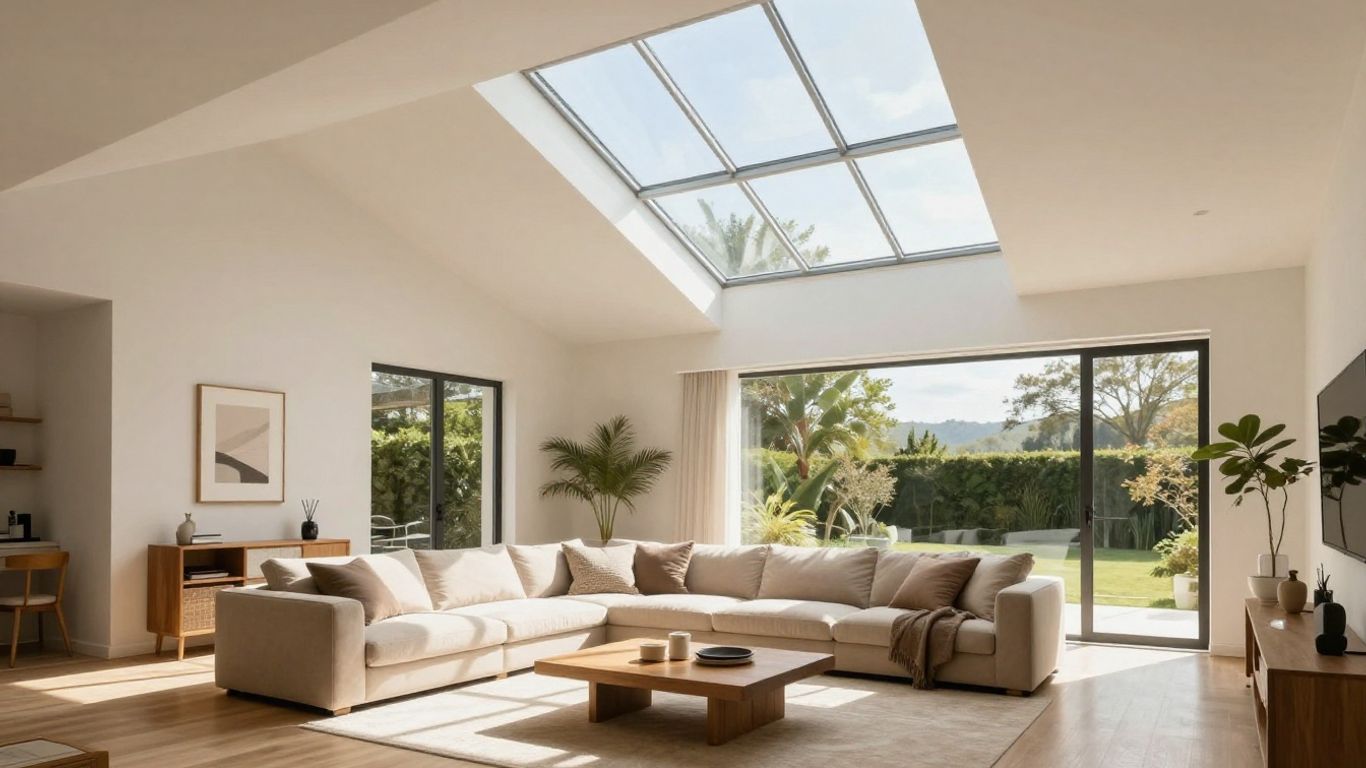
Skylights are a fantastic way to bring natural light into a room with a vaulted ceiling. They really make the space feel more open and airy, and honestly, who doesn't love a bit of sunshine? Plus, they can cut down on your electricity bill during the day because you won't need to turn on as many lights. It's a win-win for both your home's look and your wallet.
When you're thinking about skylights, there are a few things to consider. The type you choose can make a big difference. You've got your standard skylights, which are great for letting in light, and then there are sun tunnel skylights. Sun tunnels are a bit different; they use a reflective tube to bring light from the roof down into the room, which can be super handy if you can't put a traditional skylight exactly where you want it. They can be a bit of an investment, with prices ranging from $650 to $2,150 each, but they really do change the feel of a space. Finding a local installer can help you figure out the best fit for your home.
Here are some points to keep in mind:
- Placement is key: Think about where the sun hits your roof throughout the day. You want to maximize that natural light.
- Control the light: Consider adding shades or blinds. This way, you can control how much light comes in, especially on really bright days or if you want a cozier feel.
- Maintenance matters: Skylights need a bit of upkeep. Make sure you can access them for cleaning, or look into systems that make it easier.
- Energy efficiency: While they let in natural light, make sure they're well-sealed to prevent heat loss or gain. Modern ones are pretty good at this, though.
Skylights can really transform a room, making it feel bigger and brighter. They connect your indoor space with the outdoors in a unique way, and when done right, they become a beautiful architectural feature all on their own. It's worth exploring different options to see what works best for your specific ceiling and style. Inspiration for unique placements can be a great starting point.
So, if you're looking to add some natural radiance and a touch of elegance to your high-ceilinged room, a skylight is definitely something to consider. It's a bright idea, literally!
6. Wall Sconces
Wall sconces are a fantastic way to add another layer of light to rooms with vaulted ceilings. They're not just about illumination; they're about adding character and highlighting architectural details. Think about those beautiful exposed beams or textured stone walls that often come with high ceilings – sconces can really make them pop.
These fixtures are perfect for filling the middle 'third' of your room's vertical space, connecting the ceiling to the floor. They provide a softer, more diffused light compared to overhead fixtures, which can make a large room feel cozier and more inviting. You can use them to cast light upwards, drawing attention to the height of your ceiling, or downwards to create a more intimate atmosphere.
Here are a few ways to use wall sconces effectively:
- Uplighting: Position sconces to direct light upwards along the walls. This creates a beautiful glow that emphasizes the ceiling's height and can make the whole space feel grander.
- Downlighting: Sconces that cast light downwards can help define zones within a large room or make a seating area feel more intimate.
- Highlighting Features: Use sconces with adjustable heads to spotlight artwork, architectural elements, or even plants.
- Pairing: Consider placing sconces in pairs on either side of a fireplace, doorway, or large window for a balanced look.
When selecting sconces for a vaulted ceiling, pay attention to their scale and how they're mounted. Ensure they are high enough to be noticeable but not so high that they feel disconnected from the main living area. The right sconces can add a touch of elegance and warmth, making your high-ceilinged space feel more complete and welcoming. They are a great addition to any layered lighting plan, complementing larger overhead fixtures and floor lamps beautifully. You can find some really unique options if you look at vintage or reclaimed lighting for a characterful interior.
7. LED Strip Lighting
LED strip lighting offers a really modern and flexible way to add light to those tall, vaulted spaces. You can stick these flexible strips just about anywhere, like along the edges of the ceiling, around beams, or even tucked into architectural nooks. They give off a soft, ambient glow that can really highlight the unique design of your room without being too in-your-face.
These lights are fantastic for creating subtle accent lighting that draws attention to the architectural features of your vaulted ceiling.
Here’s why they work so well:
- Versatility: Because they're flexible, you can bend them around corners and curves, fitting them into spaces where rigid fixtures just won't go.
- Customization: Many LED strips come in different colors or can even change colors, letting you set the mood for any occasion. You can also get different brightness levels.
- Energy Efficiency: LEDs use way less power than older types of bulbs, which is good for your wallet and the environment.
- Easy Installation: Most come with adhesive backing, making them pretty simple to stick up, though for higher ceilings, you might want to secure them a bit more permanently.
LED strip lighting is a great choice when you want to add a touch of modern flair and subtle illumination. They're perfect for washing walls with light or highlighting the lines of your ceiling, especially when you can't easily install other types of fixtures. Think about using them to outline the edges of your vaulted ceiling for a really dramatic effect.
For a more dynamic setup, consider using color-changing LED strips to match your decor or create different moods. You can find these strips in various lengths and even some that are designed for outdoor use if you have a covered porch with a high ceiling. If you're looking for a way to add a bit of flair without a big installation project, LED strip lights are definitely worth checking out.
8. Layered Lighting
Layered lighting is all about using different types of lights together to make a room feel more complete and functional. Instead of just one big light in the middle, you're building up illumination in stages. Think of it like painting a picture – you start with a base coat, then add details and highlights. For a room with a vaulted ceiling, this approach is super effective because it helps fill that large vertical space and makes it feel more inviting.
The goal is to combine ambient, task, and accent lighting to create depth and warmth. Ambient light is your general, overall illumination, like what a large pendant or recessed lights provide. Task lighting is more focused, like a reading lamp next to a chair. Accent lighting is for drawing attention to specific things, like artwork or architectural features.
Here’s a simple way to think about it:
- Top Layer (Ambient): This is your main light source. For vaulted ceilings, this could be a large chandelier or a series of pendant lights hung at a good height. Recessed lighting can also work here to provide general brightness.
- Middle Layer (Accent/Ambient): Wall sconces or track lighting can add character and highlight walls or features. They help connect the high ceiling to the living space below.
- Bottom Layer (Task/Accent): Floor lamps and table lamps are key here. They provide light for activities like reading and also add cozy pools of light, making the space feel more intimate. You can place them strategically to create zones within a large room.
Using dimmers is a game-changer for layered lighting. You can adjust the mood from bright and functional to soft and relaxing with just a flick of a switch or a tap on your phone. It really lets you tailor the atmosphere to whatever you're doing.
When you layer your lights, you're not just lighting up a room; you're creating an experience. It makes the space feel more dynamic and comfortable, no matter the time of day or what you're up to. It's a smart way to make those high ceilings work for you, adding both style and practicality. You can really play with different types of light fixtures to achieve the perfect balance.
9. Vintage Industrial Edison LED Strip Lighting
When you've got those soaring vaulted ceilings, sometimes you need a lighting solution that's both functional and makes a statement. That's where vintage industrial Edison LED strip lights really shine. These aren't your average bare bulbs; they often come in long, linear fixtures that can be hung in multiples, creating a really cool rhythm and drawing the eye up. They're fantastic for filling that vertical space without looking lost.
Think about how these lights can work with your ceiling's architecture. You can hang them in rows to follow the pitch of a sloped ceiling, or line them up to create a dramatic effect in a grander space. They're great for open-plan areas, workshops, or even converted lofts where you want that authentic, slightly rugged feel. Plus, using LED means you get that warm Edison glow without the energy waste or the hassle of constantly changing bulbs.
Here's why they're a good pick:
- Visual Impact: Multiple strip lights create a strong linear design element.
- Even Illumination: They spread light well across large or high areas.
- Authentic Style: They bring a touch of history and industrial charm.
- Energy Efficient: LED technology keeps running costs down.
These fixtures, often inspired by old factory or marine lighting, bring a unique character. They're not just about light; they're about adding a piece of history to your room. The exposed bulbs and metal casings give them a raw, honest look that complements high ceilings beautifully. You can find some really interesting reclaimed lighting solutions that fit this vibe perfectly.
When choosing, consider the length and number of fixtures. For very high ceilings, longer strips or more numerous shorter ones can help balance the scale. It's all about finding that sweet spot where the lighting feels intentional and complements the room's overall design, rather than just being an afterthought. They can really transform a space, giving it a warm, inviting glow and a distinct personality.
10. Aluminium Dome Industrial Pendant Light
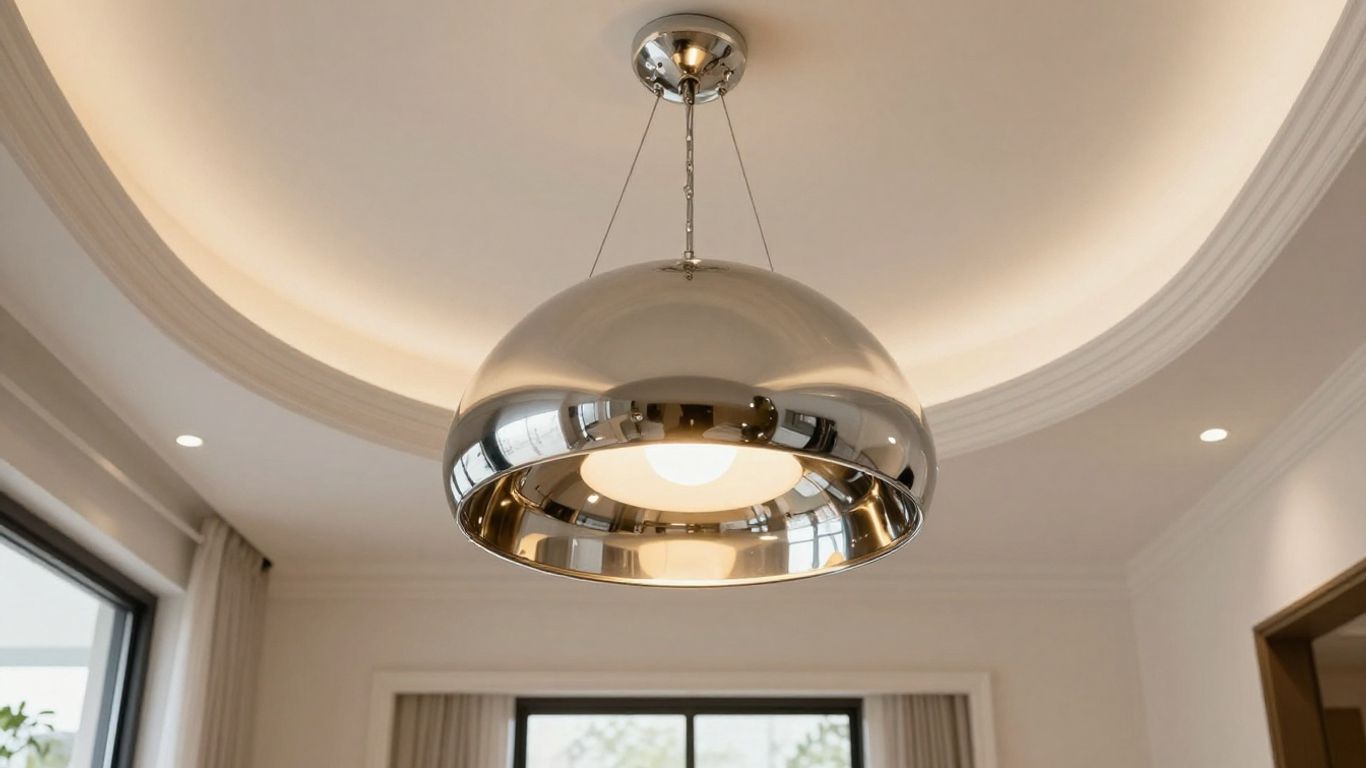
When you've got those soaring vaulted ceilings, sometimes you need a light fixture that really makes a statement. That's where the Aluminium Dome Industrial Pendant Light comes in. It's got this solid, no-nonsense look that just works in big spaces. Think of it like a sturdy anchor for all that vertical real estate.
These lights are fantastic for bringing a touch of authentic industrial charm to your home. They're often made from spun aluminum, which gives them that classic, utilitarian vibe. Because they're designed for high ceilings, they have a substantial presence without looking out of place. You can hang them individually as a focal point or, for a really dramatic effect, line up a few of them.
Here's a quick rundown of what makes them a good choice:
- Material: Typically spun aluminum, offering durability and a distinct look.
- Style: Industrial, with a clean dome shape that directs light downwards.
- Versatility: Works well as a single statement piece or in multiples.
- Scale: Designed to visually balance large, open spaces with high ceilings.
You'll find these types of fixtures often come with a good amount of cord or chain, so you can really get them hanging at the right height. It’s not just about filling the space; it’s about making sure the light actually reaches where you need it, whether that's over a dining table or a kitchen island. Plus, the dome shape is great for focusing light, which can be super helpful in a large room where you don't want light just scattering everywhere.
If you're going for that modern industrial feel, or even a more rustic look in a converted barn, an Aluminium Dome Industrial Pendant Light can really tie the whole room together. They're built to last and have a timeless appeal that won't go out of style anytime soon.
Wrapping It Up
So, lighting up a room with a high, vaulted ceiling can feel like a big task, but it's totally doable. It's all about picking the right size fixtures that won't get lost up there and thinking about how the light will spread out. Whether you go for a big statement pendant, a bunch of smaller ones, or even some well-placed wall lights, the goal is to make the space feel welcoming and look good. Don't forget to think about how you'll actually reach them for cleaning or changing bulbs – maybe an LED option is best for less fuss. With a little planning, you can turn that tall ceiling into a real feature that makes your whole room shine.
Frequently Asked Questions
What type of light is best for vaulted ceilings?
Large pendant lights and chandeliers are great for vaulted ceilings because they fill the space and draw attention to the height. Track lighting and LED strip lights are also good choices for adding brightness and style.
How do I make sure my vaulted ceiling is well-lit?
Use a mix of different lights, like pendants, wall sconces, and recessed lights. This creates layers of light and helps avoid dark spots. Make sure your main lights are big enough for the size of the room.
Are LED lights a good option for vaulted ceilings?
Yes, LED lights are perfect for vaulted ceilings. They last a long time, use less energy, and come in many styles, including strips, recessed, and even pendant lights.
Can I put a chandelier on a vaulted ceiling?
You can definitely hang a chandelier on a vaulted ceiling. Just make sure it’s the right size for the room and is hung at a height that looks balanced and safe.
How do I clean and change bulbs in lights on high ceilings?
Use a tall ladder or a special pole for changing bulbs. For cleaning, a long-handled duster works well. Some lights can be lowered with a motorized lift, which makes maintenance much easier.
Do I need an electrician to install lights on a vaulted ceiling?
It’s best to hire an electrician for installing lights on a vaulted ceiling, especially if the lights are heavy or hard to reach. This keeps everything safe and ensures the lights are installed correctly.


Leave a comment