




Illuminate Your Space: Choosing the Best Vaulted Ceiling Spotlights
Vaulted ceilings can be tricky to light, right? They look amazing, giving a room that grand, open feel, but then you're left wondering how to actually light the place up without it feeling like a giant, empty warehouse. It’s like, how do you get light all the way up there and make it feel cozy, not cold? We've all been there, staring up at those high ceilings and thinking, 'What now?' Well, thankfully, figuring out the best vaulted ceiling spotlights doesn't have to be a headache. Let's break down how to get it right.
Key Takeaways
- Figure out what your space is like: how high is it, what's it made of, and what do you actually do in the room? This all matters for picking the right vaulted ceiling spotlights.
- Don't just stick one light up there. Mix and match different kinds of lights – general ones, ones for tasks, and ones to make cool features pop.
- Think about the actual fixtures. Pendants and chandeliers can be showstoppers, wall lights add charm, and recessed lights keep things looking clean and modern.
- The color of the light matters a lot for the mood. Warm white is usually best for that cozy vibe, while cooler light can make things feel more modern.
- Smart lights are a thing now! You can control them with your phone or voice, change colors, and even set them on timers, which is pretty neat for vaulted ceiling spotlights.
Understanding Your Vaulted Ceiling Space
Vaulted ceilings can really make a room feel grand, right? They add so much height and airiness. But, let's be real, they also bring their own set of challenges when it comes to lighting. You don't want your beautiful high ceilings to end up feeling like a dark, empty cavern, or worse, like a sterile airplane hangar. Getting the lighting right is key to making that space feel cozy and inviting, not just bright.
Assessing Ceiling Height and Materials
First things first, you gotta know what you're working with. How high are we talking? Are these gently sloped ceilings or do they practically touch the sky? This makes a big difference for the kind of fixtures you can even consider. And what's the ceiling made of? Wood beams can soak up light, making things feel warmer but maybe a bit dimmer. White or light-colored surfaces will bounce light around, making the whole place feel brighter. It’s like painting with light, and the canvas matters.
- Measure your ceiling's peak height. This is your starting point.
- Note the materials: wood, drywall, exposed beams, etc.
- Consider the angles: Are they consistent, or is it a complex design?
Considering Room Purpose and Functionality
Think about what you actually do in the room. Is it a living room where you relax and entertain? A kitchen where you need good light for cooking? Or maybe a home office that requires focused illumination? The function of the room dictates the type and intensity of light you'll need. A bedroom might want softer, more ambient light, while a workspace needs something brighter and more direct. You're not just lighting a ceiling; you're lighting a life.
The goal is to create a lighting plan that supports the room's activities without making the space feel overwhelming or inadequate. It's about balance and purpose.
Balancing Light and Acoustics
This is something people often forget. Those big, open spaces with high ceilings? They can be echo chambers. Hard surfaces bounce sound around, and sometimes, the wrong lighting fixtures can even make it worse. You want your spotlights to look good and light well, but you also don't want to feel like you're in a concert hall every time someone talks. Sometimes, softer materials in your light fixtures, or even strategic placement, can help absorb some sound. It's a bit of a juggling act, but getting it right makes a huge difference in how the room feels overall. You might want to look into how high to hang chandeliers to get a sense of scale and how fixtures interact with the space.
Layering Light for Vaulted Ceilings
Vaulted ceilings can feel grand, but they also present a unique challenge: how do you light them so they feel cozy and not like a cavern? The trick is to think in layers. You don't want just one big light source; you want a mix that works together. This approach makes the space feel more inviting and functional.
Ambient Lighting for Overall Illumination
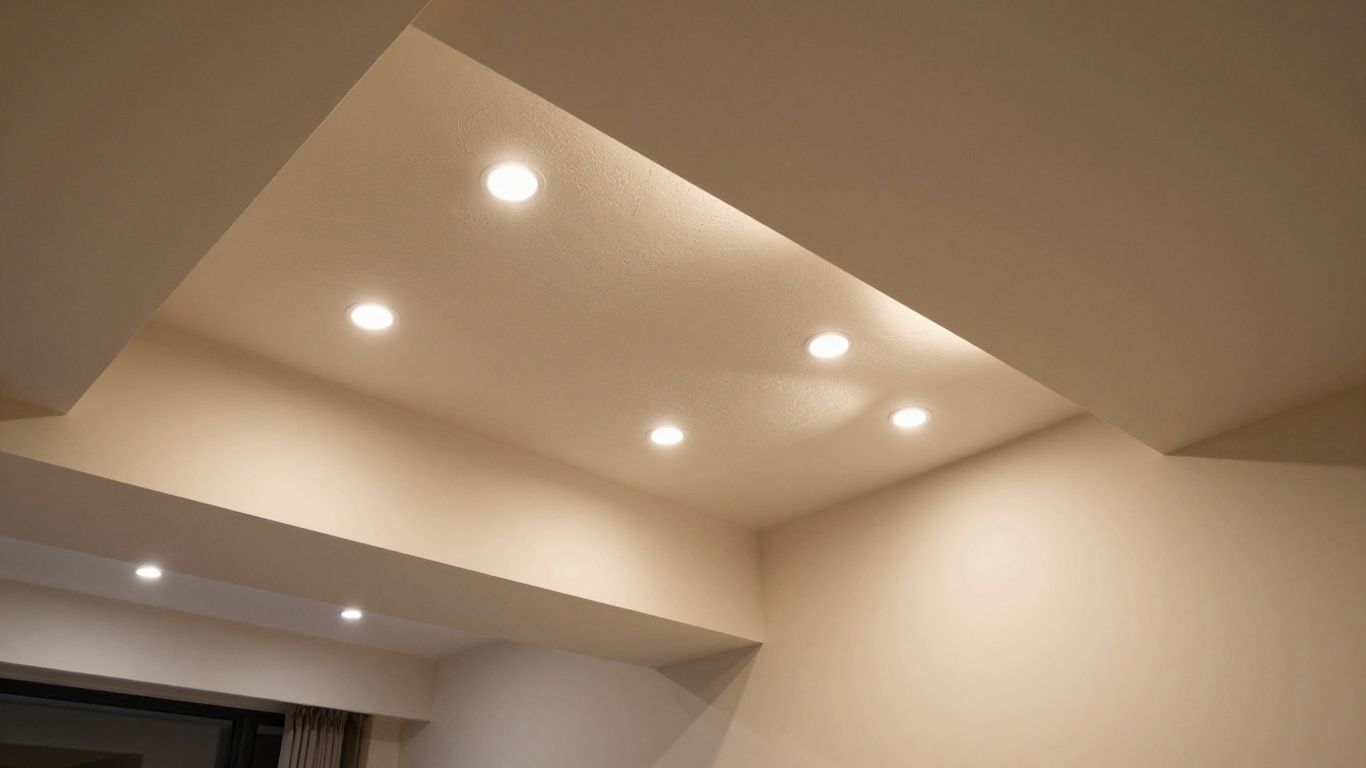
Ambient light is your base layer. It's the general light that fills the room, making it feel welcoming. For vaulted ceilings, this often means fixtures that can cast light upwards or spread it out evenly. Think about recessed lights placed strategically along the ceiling's edge, or perhaps a flush-mount fixture that provides a soft glow. The goal is to create a consistent level of light that makes the entire space usable. Dimmers are your best friend here, letting you adjust the brightness from a bright, airy feel during the day to a softer, more relaxed mood in the evening. This is the foundation for everything else.
Task Lighting for Specific Activities
Once you have your general light, you need to think about where you'll actually be doing things. Task lighting is all about focused light for specific activities. If you have a reading nook, you'll want a good reading lamp there. If you have a kitchen island under your vaulted ceiling, you'll need lights directly above it for food prep. Wall sconces can add character and provide focused light in areas like a living room or hallway. Adjustable fixtures are great because you can point them exactly where you need them. This type of lighting makes sure that even in a large, high-ceilinged room, you can still perform tasks without straining your eyes.
Accent Lighting to Highlight Features
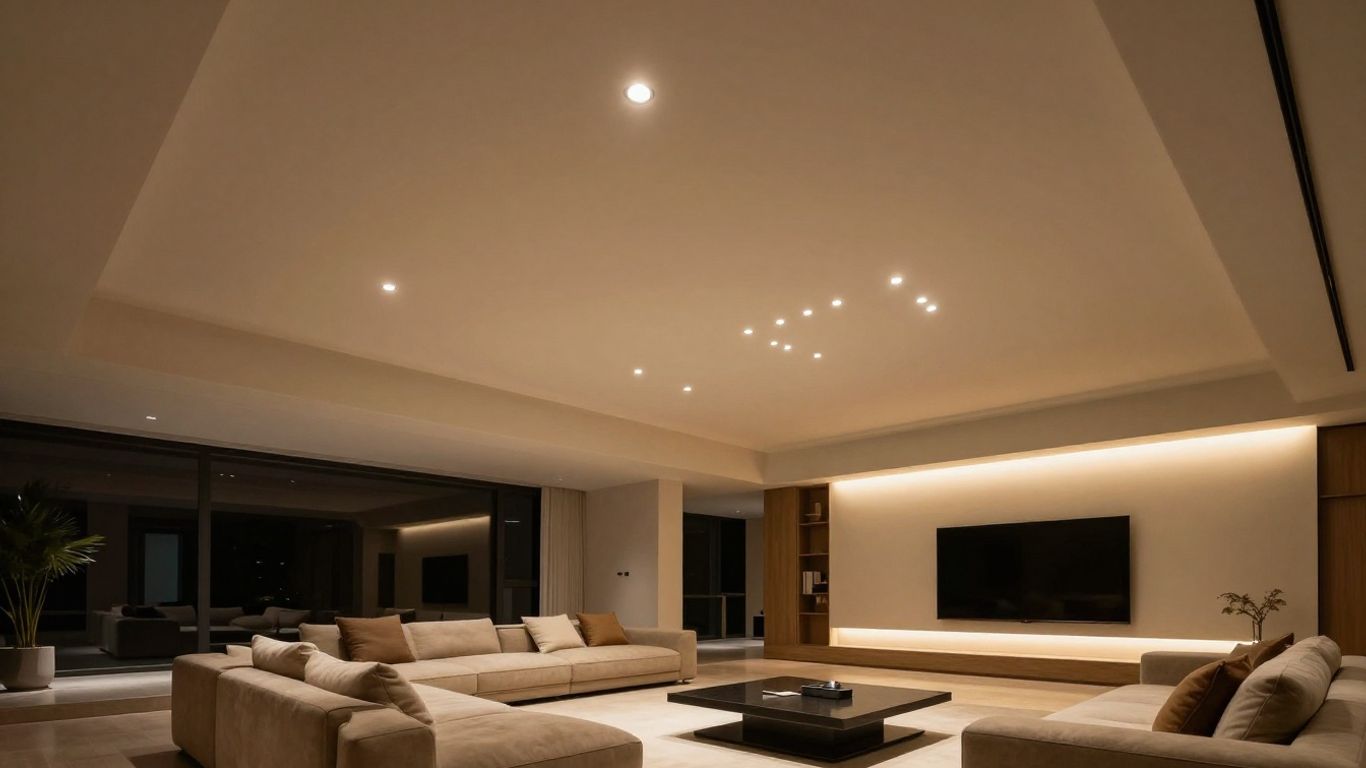
Finally, accent lighting is where you add personality and draw attention to the best parts of your vaulted ceiling space. This could be highlighting a beautiful piece of art on the wall, a textured ceiling beam, or even the architectural lines of the ceiling itself. Track lighting with adjustable heads is perfect for this, allowing you to aim spotlights precisely. LED strip lights can be hidden along ledges or behind furniture to create a subtle glow. Accent lighting adds depth and visual interest, turning your ceiling from just a structure into a design element. It's the finishing touch that makes the room feel complete and sophisticated. This guide offers expert tips for lighting rooms with high or vaulted ceilings, and layering is a key part of that strategy.
Layering light means combining different types of lighting to create a balanced and inviting atmosphere. It ensures that every corner of the room is well-lit for its intended purpose while also creating a more dynamic and inviting feel. This approach is especially effective for large spaces like those with vaulted ceilings.
Choosing the Right Vaulted Ceiling Spotlights
So, you've got these amazing high ceilings, right? They make a room feel huge and grand, but figuring out the lighting can be a bit of a puzzle. It’s not like a regular flat ceiling where you just pop in a few lights. With vaulted ceilings, you’ve got all this vertical space to play with, and you want to make sure the light actually reaches where you need it without making the room feel like a chilly airport hangar. The fixtures you pick aren't just about brightness; they're also a big part of your room's style. Think of them as jewelry for your ceiling.
Pendants and Chandeliers for Statement Pieces
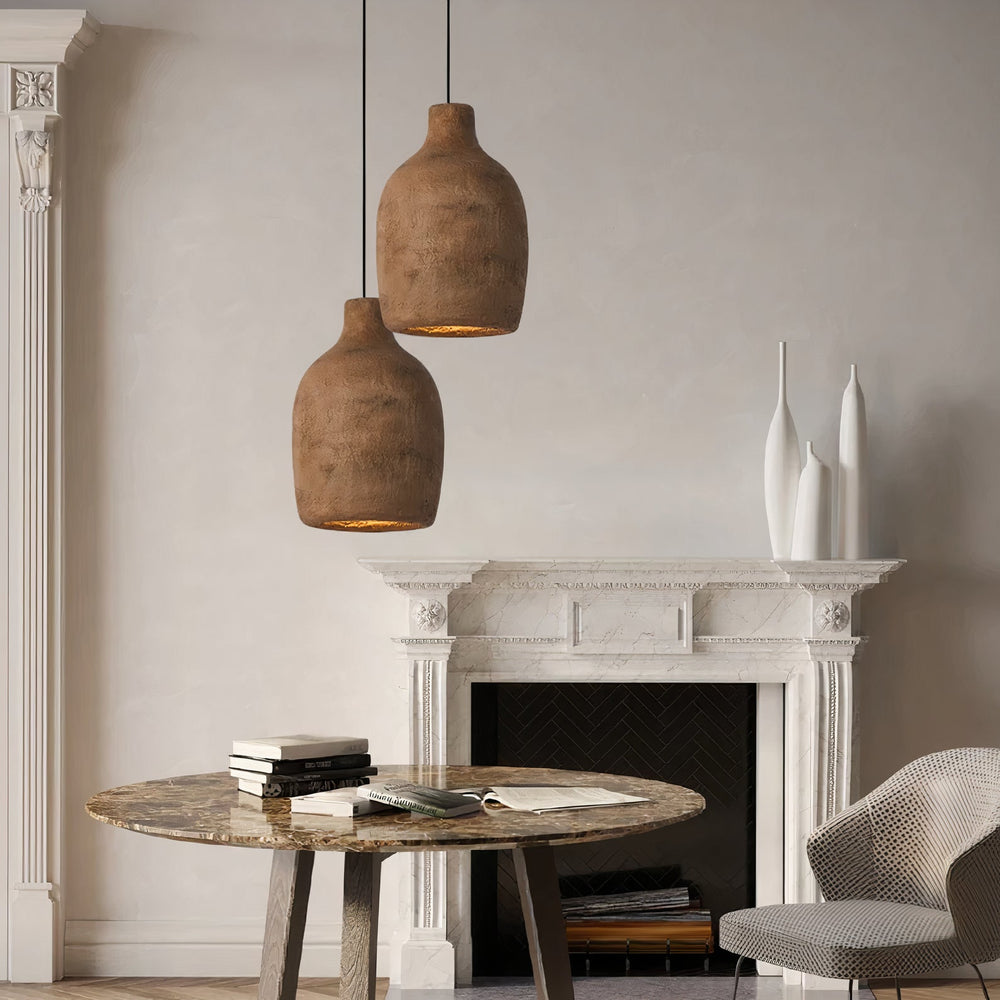
When you think of vaulted ceilings, pendants and chandeliers often come to mind first. They're perfect for drawing the eye upward and can really become the main attraction in a room. Because your ceilings are so high, you can go for larger, more dramatic pieces than you might in a standard room. Just remember, the height matters. You don't want a chandelier hanging so low that you bump your head, but you also don't want it lost way up high. A good rule of thumb is to hang them about 7 to 8 feet from the floor, or roughly 30-36 inches above a table if it's over one. For really tall ceilings, you might need a longer chain or cable, and sometimes, you'll need special sloped ceiling adapters to make sure they hang straight.
Wall Sconces for Character and Warmth
Don't forget about the walls! Wall sconces are fantastic for adding layers of light and a bit of personality. They can flank a fireplace, highlight artwork, or just add a soft glow to a corner. Sconces are great because they don't take up floor space, which is always a plus. They can provide a nice, diffused light that’s less intense than overhead options, making a room feel cozier. Think about placing them at about eye level, or a bit higher, to spread light both up and down the wall. This kind of lighting is super helpful for creating different moods, especially in the evening.
Recessed Lighting for a Clean Aesthetic
If you're going for a more modern, minimalist look, recessed lighting is the way to go. These lights are built right into the ceiling, so they don't stick out and clutter the space. They give off a really clean, even light. For vaulted ceilings, you'll want to plan the placement carefully. Putting them too close together can make the ceiling look busy, and spacing them too far apart can leave dark spots. It’s often best to place them along the edges of the ceiling or in a grid pattern, depending on the room's layout. You can also get adjustable versions, which let you aim the light where you need it most, like washing a wall with light or highlighting a specific area. This is a great way to get good illumination without drawing attention to the fixtures themselves. You can find more info on recessed lighting options if you want to dig deeper.
Selecting the Ideal Color Temperature
Choosing the right color temperature for your spotlights is a big deal, honestly. It’s not just about brightness; it’s about the whole vibe of the room. Think about it: a harsh, blueish light can make even the coziest living room feel like an operating room, while a super warm, yellow light might make a modern kitchen feel a bit dingy. Getting this right makes a huge difference in how your vaulted space feels.
Warm White for Cozy Ambiance
If you're aiming for that comfy, inviting feel, especially in living rooms, bedrooms, or dining areas, warm white is your go-to. It mimics the glow of traditional incandescent bulbs, which most of us associate with relaxation and homey comfort. This light is great for unwinding after a long day or for intimate gatherings. It really makes a space feel welcoming.
Cool Tones for Modern Spaces
On the flip side, cooler color temperatures, often found in more modern or minimalist designs, can make a space feel crisp and clean. They're also really good for task lighting, like in a home office or a kitchen where you need to see details clearly. However, be careful – too cool, and it can start to feel sterile. It’s a balancing act.
Understanding Kelvin Ratings
So, how do you actually pick the right one? It all comes down to Kelvin ratings. This is the scale that tells you how warm or cool the light is.
- 2700K - 3000K (Warm White): This is your cozy, inviting light. Think soft yellow tones. Perfect for living areas and bedrooms.
- 3500K - 4000K (Neutral/Bright White): This is a good middle ground. It's brighter and cleaner than warm white but not as stark as cooler options. Works well in kitchens, bathrooms, and general living spaces.
- Above 4000K (Cool White/Daylight): This light is very blueish and bright. It’s excellent for task lighting or spaces where you need maximum visibility, but use it sparingly in living areas.
The goal is to match the light's color temperature to the room's purpose and the mood you want to create. For vaulted ceilings, a slightly warmer tone often works best to prevent the large space from feeling cavernous or cold, but this really depends on your personal style and the room's function. Consider using color-selectable bulbs if you're unsure, as they let you experiment with different temperatures.
It’s worth noting that many LED spotlights are now available with adjustable color temperatures, giving you the flexibility to change the mood of your room with a simple switch or app command. This is a fantastic way to get the best of both worlds, adapting your lighting to suit different activities and times of day. For instance, you might want a brighter, cooler light for cleaning but a much warmer, dimmer light for movie night. Getting this right really ties your whole lighting design together, making those high ceilings feel less imposing and more like a feature.
Smart Solutions for Vaulted Ceiling Spotlights
These days, you can do some pretty cool stuff with lighting, especially for those big, high ceilings. It's not just about flipping a switch anymore. We're talking about making your lights work for you, adjusting them without even getting up.
Smart Bulbs for Color and Dimming Control
Smart bulbs are a game-changer. You can change their color, dim them way down, or crank them up bright, all from your phone or a remote. This means you can totally change the mood of a room. Want a bright, focused light for reading? Easy. Need a soft, warm glow for movie night? Done. You can even set schedules so the lights come on and off automatically. It’s a simple way to get a lot of control over how your space feels. For example, you could have them mimic natural daylight cycles to help with your own energy levels throughout the day.
Voice and App Control Features
Forget fumbling for switches in the dark. With smart lighting systems, you can use voice commands. Just say, "Hey Google, dim the living room lights to 30 percent," and it happens. It’s super convenient, especially when your hands are full or you’re just too comfy on the couch. The apps that go with these systems are usually pretty straightforward too. You can group lights together, create scenes for different activities (like "Dinner Party" or "Relax Mode"), and manage everything from anywhere. This kind of control is great for high ceilings where reaching all the fixtures might be a hassle.
Programming for Mood and Security
Beyond just convenience, smart lighting offers some practical benefits. You can program your lights to turn on and off at specific times, making it look like someone's home even when you're away. This can be a real deterrent for burglars. Imagine setting your porch light to come on at dusk and turn off at dawn, or having interior lights flicker on and off in different rooms throughout the evening. It adds a layer of security and peace of mind. Plus, you can set up routines that make your home feel more welcoming when you arrive, like having the entryway lights turn on automatically when your phone detects you're close to home. It’s all about making your home work smarter for you.
Smart lighting systems can be programmed to create specific lighting 'scenes' for different activities or times of day. This allows for a highly customized ambiance and can also contribute to energy savings by ensuring lights are only on when and where they are needed.
Finishing Touches for Your Lighting Design
So, you've picked out your main lights, figured out the layers, and maybe even chosen some smart bulbs. That's awesome! But don't stop there. The little things can really make your vaulted ceiling lighting shine. Think of these as the accessories that complete the whole look.
Decorative Bulbs as Design Elements
Sometimes, the bulb itself can be a statement piece. Forget those plain, boring bulbs. You can get bulbs that look like old-fashioned Edison bulbs, with those cool visible filaments. They add a bit of vintage charm and look great even when the light is off. They're not just for light; they're part of the decor. You can find them in different shapes and sizes, too, so you can really play around with the look. These decorative bulbs can add a unique personality to your fixtures.
Lampshades for Light Diffusion
If you're using lamps, especially floor or table lamps, the lampshade is super important. It's not just about blocking the glare; it's about how the light spreads out. A good lampshade can soften the light, making it feel more cozy and less harsh. Think about the material and color of the shade. A linen shade will give a different feel than a metal one. You can also find shades with interesting textures or patterns that add another layer of visual interest to the room. It’s a simple way to change the mood of the light.
Color Coordination with Decor
Finally, let's talk about making sure your lights fit in with everything else. The color of your light fixtures – the metal finish, the paint color – should play nicely with your furniture, walls, and other decor. If you have a lot of warm wood tones, maybe brass or bronze fixtures would look good. For a more modern, clean look, black or brushed nickel might be better. It’s about creating a cohesive space where everything feels like it belongs together. You can explore some vaulted ceiling ideas to see how different fixture colors work with various styles.
Wrapping It Up
So, lighting up those tall ceilings doesn't have to be some huge, complicated project. By just thinking about what the room is for, how high everything is, and maybe mixing in some different kinds of lights, you can totally make the space feel way better. Adding in smart bulbs or dimmers is pretty easy too and makes a big difference for setting the mood. It’s really about making your home look good and feel right for you. Go ahead and play around with it – let those vaulted ceilings really shine!
Frequently Asked Questions
What kind of lights work best for high ceilings?
For vaulted ceilings, which are really tall, lights like chandeliers or pendant lights work great because they can hang down and fill the space. You can also use recessed lights that shine light upwards, or wall lights to add more brightness.
How do I make sure my vaulted ceiling doesn't look too dark?
To keep your high ceiling from looking dark, use a mix of lights. Start with lights that fill the whole room (ambient), add lights for specific tasks like reading (task), and use lights to point out cool features (accent). This layering makes sure light reaches everywhere.
Should I use warm or cool lights in my vaulted ceiling room?
Warm lights, which have a yellowish tint, make a room feel cozy and comfy. Cool lights, which are more blueish, make a space feel modern and bright. For vaulted ceilings, warm lights are often best to avoid making the big space feel cold.
What are smart lights and how can they help?
Smart lights are bulbs you can control with your phone or voice. You can change how bright they are or even their color. This is super handy for vaulted ceilings because you can easily adjust the light for movie night or when you have guests over.
Are dimmer switches a good idea for vaulted ceilings?
Yes, dimmer switches are a fantastic idea! They let you change how bright your lights are. So, you can have super bright lights when you need them, like when cleaning, and then dim them down for a relaxing evening.
How do I choose the right size chandelier for a vaulted ceiling?
When picking a chandelier for a high ceiling, think about the size of your room. A huge chandelier can be a great focal point, but make sure it fits the scale. If your ceiling is extremely high, you might need a longer chain or cable to hang it at the right level.


Leave a comment