




Illuminate Your Home: The Ultimate Guide to Modern Stairs Lighting
Thinking about updating your home? Sometimes the smallest changes make the biggest difference. Take your stairs, for example. They're usually just a way to get from one floor to another, right? But what if they could be more? Adding the right kind of lighting can totally change how your place looks and feels. It’s not just about making them look cool, though. Good lighting can make your stairs way safer, especially if you're carrying stuff or if you have kids or older folks around. We're going to look at some neat ways to add modern stairs lighting that looks great and works well.
Key Takeaways
- Modern stairs lighting does more than just look good; it makes your steps safer and can give your home a more polished feel.
- You have lots of choices for modern stairs lighting, like lights built into the risers, walls, handrails, or under the steps themselves.
- Placing lights correctly is important to avoid glare and to highlight your stairs' features, creating a nice mood.
- When picking lights, think about what your stairs need, what style fits your home, and what color light you want.
- Proper installation, whether DIY or professional, and smart home features can make your new lighting system safe and easy to use.
Elevating Your Home with Modern Stairs Lighting
The Transformative Power of Staircase Illumination
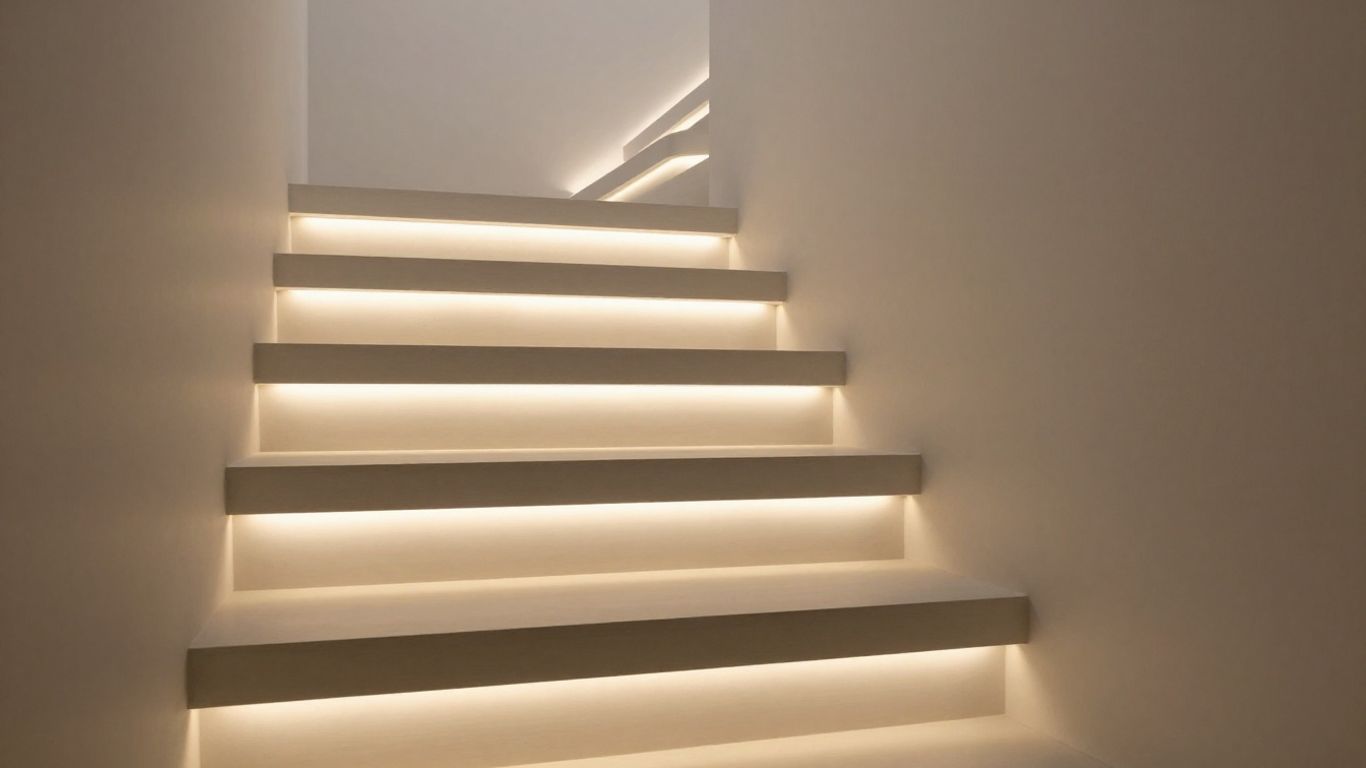
Think about your staircase for a second. Is it just a way to get from one floor to another, or is it something more? Often, stairs can be a bit of an afterthought in home design, but they don't have to be. Adding the right kind of lighting can completely change how your stairs look and feel. It’s not just about making sure you don’t trip in the dark, though that’s a big part of it. Good lighting can turn a plain, functional staircase into a real design feature, something that adds character and style to your whole house. It’s like putting a spotlight on a piece of art – suddenly, it’s the star of the show.
Safety Meets Style: The Dual Purpose of Stair Lighting
Let's be honest, nobody wants to take a tumble down the stairs. That's where safety comes in. Proper lighting makes each step visible, especially when you're carrying laundry or if someone in the house is older or very young. It helps everyone move around more confidently, day or night. But it doesn't have to be purely practical. The cool thing about modern stair lights is that they look great too. You can get lights that are super subtle, almost hidden, or ones that make a statement. It’s about finding that sweet spot where your stairs are safe and look fantastic. This dual purpose means you get both peace of mind and a stylish home upgrade. It’s a win-win, really.
Beyond Basic Bulbs: Exploring Modern Lighting Solutions
Forget those old, clunky light fixtures you might be picturing. Today’s options for stair lighting are way more advanced and stylish. We’re talking about things like slim LED strips that can be tucked away under the handrail or along the edge of each step. There are also small, discreet lights that can be built right into the wall next to the stairs, or even lights that go under the stair treads themselves, giving a really modern, almost floating look. These aren't just about brightness; they're about creating a specific mood and highlighting the design of your staircase. It’s about using light as a design tool, not just a way to see.
Here are a few popular choices:
- LED Strip Lights: Flexible and can be hidden easily.
- Recessed Wall Lights: Small and unobtrusive, built into the wall.
- Under-Step Lights: Installed beneath each tread for a dramatic effect.
- Handrail Lights: Integrated directly into the handrail for a clean look.
When you're thinking about lighting your stairs, remember that it's not just about pointing a light downwards. Sometimes, the best approach is to wash light across the steps or along the wall. This can reduce harsh shadows and make the stairs feel more open and inviting. It’s a subtle change that makes a big difference in how the space feels and how easy it is to use. Consider how the light will interact with the materials of your stairs too – wood, tile, or carpet can all look different depending on the light.
Choosing the right lighting can really make your staircase a feature. It’s about making sure it’s safe, but also making it look good. You can find some great ideas for stairway ceiling lighting if that’s more your style, but don’t forget the possibilities closer to the steps themselves. Ultimately, well-lit stairs contribute to the overall safety and aesthetic appeal of your home, making them a worthwhile investment for any homeowner looking to improve their home's ambiance.
Discover Diverse Modern Stairs Lighting Options
When it comes to lighting your stairs, you've got way more choices than just a single overhead bulb. Think of your staircase as a feature in your home, something that deserves its own special lighting. It's not just about seeing where you're going, though that's super important, but also about how it looks and feels. The right lights can totally change the vibe of your entryway or hallway.
Subtle Elegance: Stair Riser and Wall-Mounted Lights
If you're going for a clean, understated look, stair riser lights are a fantastic choice. These are usually small LED fixtures tucked away at the front of each step, casting a gentle glow downwards. It makes each step visible without being harsh, and it looks pretty sophisticated. Another option for that minimalist feel is wall-mounted lights. These are installed right into the wall along the staircase, often at ankle height. They provide just enough light to guide you safely without taking up any visual space. It’s a great way to highlight the architecture of your stairs without drawing attention to the fixtures themselves. You can find some really neat recessed lighting options that fit this bill perfectly.
Integrated Design: Handrail and Under-Step Lighting
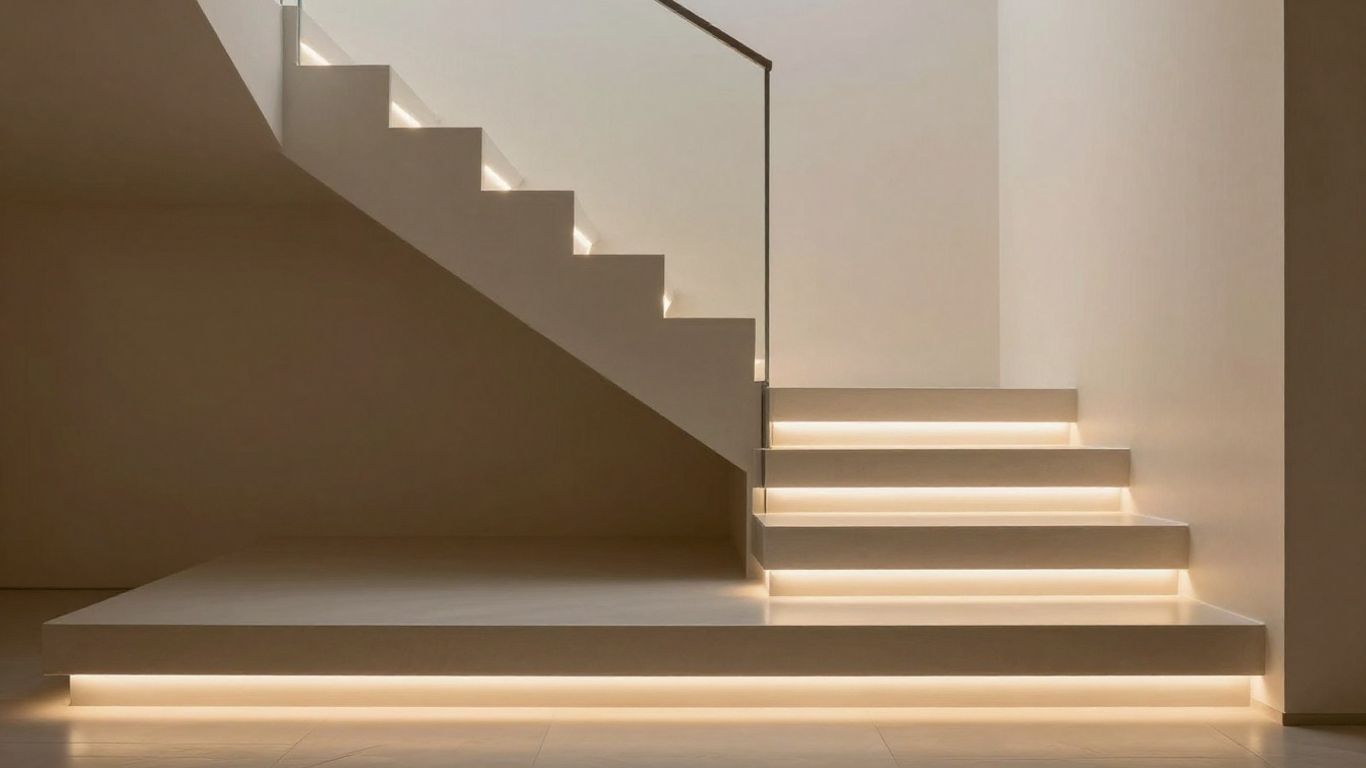
Want something even more hidden? Consider lights built right into your handrail. These are typically LED strips fitted underneath the rail, washing a soft light down the stairs. It’s a really sleek way to add illumination, keeping the focus on the design of your banister and stairs. Then there's under-step lighting. This is a bit more dramatic. Lights are placed beneath each stair tread, creating a cool floating effect. It’s a bold statement that works well in modern homes and really makes your staircase a focal point.
Versatile Illumination: LED Strips for Every Staircase
LED strips are incredibly flexible and can be used in so many ways. You can run them along the edge of each step, under the nosing, or even along the wall. They come in various colors and brightness levels, so you can really customize the look. Plus, they're energy efficient. You can even get smart LED strips that you can control with your phone or voice assistant, changing colors or dimming them for different moods. It’s a really adaptable solution for almost any staircase design.
Here’s a quick rundown of where you might put them:
- Riser Lights: Best for a soft, downward glow on each step.
- Wall-Mounted Lights: Ideal for minimalist designs, placed along the wall.
- Handrail Lights: For a hidden, integrated look, washing light down.
- Under-Step Lights: For a dramatic, modern floating effect.
- LED Strips: Super versatile, can be used in many configurations.
Strategic Placement for Optimal Modern Stairs Lighting
So, you've picked out some cool modern lights for your stairs. Awesome! But just slapping them up anywhere isn't going to cut it. Where you put these lights makes a huge difference in how they look and how well they work. It’s not just about making things bright; it’s about guiding the eye, showing off your home's style, and making sure nobody trips.
Mitigating Glare: Positioning Lights for Clarity
This is a big one, especially with hard surfaces like wood or tile. You don't want lights shining straight into your eyes as you walk up or down. That's not just annoying; it can actually make it harder to see the steps. The goal is to light the surface of the step itself. A good rule of thumb is to place lights about 200mm to 300mm above the tread. Avoid putting them right in the skirting board, as this can create awkward shadows. Lighting every second or third step is a classic approach that works well to avoid direct glare while still providing enough light.
Highlighting Architectural Features
Your staircase isn't just a way to get from one floor to another; it's often a design element in itself. Think about how you can use light to draw attention to its unique features. Maybe you have a cool railing, interesting treads, or a unique shape. You can use subtle lighting, like LEDs tucked under the handrail or along the edge of the treads, to make these elements pop. This adds a layer of sophistication and turns your stairs into a visual statement. For homes with a more modern feel, consider LED linear lighting routed under the treads for a clean, integrated look.
Creating Ambiance with Light Layers
Don't just think about one type of light. Layering different kinds of lighting can create a much richer and more inviting atmosphere. You might have subtle step lights for general guidance, a slightly brighter light at the top and bottom of the stairs for safety, and maybe even a decorative sconce on a nearby wall. This approach allows you to control the mood. For instance, using dimmer switches means you can soften the light for a cozy evening or brighten it up when you need clear visibility. It’s about creating a welcoming transition between spaces, much like how thoughtful outdoor lighting can make your entrance more inviting.
The placement of your stair lights is key to balancing safety and aesthetics. Aim for a soft glow that illuminates each step without causing harsh shadows or direct glare. Consider the materials of your stairs and the overall flow of your home when deciding on fixture types and their exact positions. It’s about creating a functional yet beautiful pathway.
Choosing the Right Modern Stairs Lighting
So, you've decided to light up your stairs – awesome! But now comes the part where you actually pick the lights. It's not just about grabbing any old bulb; it's about finding something that fits your home's vibe and, you know, actually helps you see where you're going. Let's break down how to make a good choice.
Assessing Your Staircase's Unique Needs
First off, take a good look at your stairs. Are they super steep or pretty gentle? Is there a lot of natural light during the day, or is it pretty dim even at noon? Think about who uses the stairs most. If you've got little kids or older folks running around, safety is probably your top priority. Maybe you need lights that are really bright and clear. On the other hand, if it's just you and your cat, you might be more focused on creating a mood. Consider the material of your stairs too; some surfaces can be really slippery when wet, so you'll want lighting that makes them visible. Also, think about the overall layout. A long, winding staircase might need a different approach than a short, straight one. It's all about figuring out what problems you're trying to solve with light.
Selecting Finishes and Styles to Complement Your Decor
Once you know what you need, you can start thinking about how the lights will look. This is where you match your lighting to your home's style. Are you going for that super modern, minimalist look? Then maybe some sleek, recessed lights with a brushed nickel or matte black finish would be perfect. If your home has a more traditional feel, perhaps something with a brass accent or a classic white fixture would work better. Don't forget about the size and shape of the fixtures themselves. You don't want lights that are too big and bulky, sticking out and looking out of place. Sometimes, the best choice is a light that almost disappears into the wall or railing. It's about making the lighting feel like a natural part of your home, not an afterthought. You can find some really neat options that blend right in with your stair flooring.
Considering Color Temperature for Desired Mood
This is a big one that people often overlook: the color of the light itself. You've probably seen lights that are super blue and stark, and others that are warm and yellowish, like a cozy fireplace. That's color temperature, usually measured in Kelvin (K). For a warm, inviting feel, especially in living areas or basements, look for lights in the 2700K to 3000K range. This is often called
Installation and Integration of Modern Stairs Lighting
So, you've picked out the perfect lights for your stairs – awesome! Now comes the part where we actually get them installed. This can feel a bit daunting, especially if you're not super handy around the house, but breaking it down makes it way more manageable. It's all about getting the wiring right and making sure everything is safe and looks good.
DIY vs. Professional Installation: What's Best for You?
Deciding whether to tackle this yourself or call in a pro really depends on a few things. If you're comfortable with basic electrical work, like connecting wires and understanding circuits, you might be able to handle simpler installations, especially with LED strips. But if you're dealing with more complex setups, like recessed lighting that needs to go inside walls, or if you're unsure about local electrical codes, hiring an electrician is usually the smarter move. They've got the tools and the know-how to get it done right and safely. Plus, it gives you peace of mind.
Here’s a quick rundown to help you decide:
- DIY Friendly: Simple LED strip installations, replacing existing low-voltage fixtures.
- Consider a Pro: Recessed lighting, hardwiring into main circuits, integrating with smart home systems, any situation involving older wiring.
- Always a Pro: If you're not confident with electrical work, dealing with high-voltage systems, or if local codes require a licensed installer.
Smart Home Integration and Dimmer Capabilities
Modern stair lighting isn't just about turning lights on and off. You can really make your staircase shine by integrating it with your smart home setup. Think about lights that dim automatically when you enter a room or turn on with a voice command. Dimmers are also a game-changer. They let you adjust the brightness to set the mood – bright and functional for when you need to see clearly, or soft and ambient for a more relaxed feel. This kind of control makes your stairs both safer and more inviting. You can even set schedules so the lights come on at dusk and turn off at dawn, saving energy and adding convenience. Integrating these features can make your stair lighting system work for you.
Ensuring Safety During and After Installation
Safety is the absolute top priority here, no question. Before you even think about touching a wire, make sure the power to the circuit you're working on is completely off. Seriously, double-check it. If you're drilling into walls or floors, be mindful of where pipes and existing wires might be. Always follow the manufacturer's instructions for your specific lights, and if you're ever in doubt, stop and consult an electrician. It’s also a good idea to check your local building codes to make sure your installation meets all the requirements. After everything is installed, give it a good test run, checking all connections and making sure there are no loose wires or exposed parts. Regular checks down the line will keep your stairs safe and well-lit for years to come.
Proper installation means not just getting the lights to work, but doing it in a way that prevents future problems. This includes making sure connections are secure, wiring is protected from damage, and the overall setup doesn't overload your electrical system. It's about creating a reliable and safe lighting solution that you don't have to worry about.
Beyond Aesthetics: The Functional Benefits of Modern Stairs Lighting
Sure, fancy lights can make your stairs look amazing, but let's be real, their main job is often way more practical. Think about it: stairs can be a bit tricky, especially when you're half-asleep in the morning or fumbling with groceries. Good lighting isn't just about looking good; it's about making sure everyone in the house can get up and down safely.
Enhancing Safety for All Household Members
This is probably the biggest reason people add lights to their stairs. A well-lit staircase drastically cuts down on trips and falls. It's not just for guests; it's for your kids, your parents, or even just you when you're carrying laundry. Lights placed along the risers or under the treads make each step super clear, so there are no surprises in the dark. It’s a simple fix that makes a huge difference in preventing accidents.
Improving Accessibility and Navigation
Beyond just preventing falls, good lighting makes stairs much easier to use for everyone. People with vision impairments, for example, rely heavily on clear visual cues. Proper illumination helps them gauge the depth of each step and the overall incline of the staircase. This thoughtful approach makes your home more welcoming and usable for a wider range of people. It’s about making sure your home works for you, not the other way around.
Adding Security and Deterrence
Think about your home's security. A dark, uninviting staircase can be a weak spot. Lights that turn on automatically, perhaps with motion sensors, can make your home look occupied and less appealing to potential intruders. It’s a passive security measure that works without you having to do anything. Plus, it just feels safer knowing that the pathways in your home are clearly visible at all times. You can find some great options for motion-activated lights that help with home safety.
Here's a quick look at how different lighting types contribute to function:
- Riser Lights: Soft glow that clearly outlines each step.
- Handrail Lights: Direct light downwards, illuminating the immediate step and handhold.
- Under-Step Lights: Highlight the edge of each tread, providing a clear visual boundary.
- Wall-Mounted Lights: Provide broader illumination for the entire stairwell area.
When you're thinking about stair lights, don't just focus on how they look. Consider how they'll actually be used throughout the day and night. The goal is to make your stairs not only beautiful but also incredibly practical and safe for anyone who uses them. It's a smart investment in your home's usability and your family's well-being.
Modern lighting systems offer features like dimmers and automated controls, which add another layer of functionality. You can adjust the brightness based on the time of day or your needs, making the stairs perfectly lit without being glaring. It’s all about making your home work better for you.
Wrapping Up Your Stairway Style
So, we've looked at how adding lights to your stairs isn't just about making them look fancy. It really does make a big difference for safety, especially when it's dark or you're carrying something. Whether you go for lights under the steps, in the risers, or along the handrail, there's a way to make your staircase look good and be more practical. It’s a detail that can totally change how your home feels, making it safer and a bit more special. Think about what fits your style and your home best, and don't be afraid to try something new. A little bit of light can go a long way in making your home feel more complete.
Frequently Asked Questions
Why should I add lights to my stairs?
Adding lights to your stairs makes them much safer to use, especially when it's dark. It helps you see each step clearly, preventing trips and falls. Plus, it makes your staircase look really cool and modern, like something out of a fancy magazine!
What are the different kinds of stair lights?
There are many cool options! You can get small lights that go into the wall next to the stairs, lights that shine down from the edge of each step, or even lights built right into the handrail. LED strips are also super popular because you can put them under the steps for a dramatic effect or along the edge for a soft glow.
Where is the best place to put stair lights?
It's important to put lights where they won't shine straight into your eyes and make it hard to see. Usually, putting them a little above each step, maybe on the wall or under the edge of the step, works best. This way, they light up the step without causing glare.
Do I need special lights for outdoor stairs?
Yes, outdoor stairs need lights that can handle rain, snow, and sun. These are usually made of tougher materials and are designed to be safe in wet conditions. They help make sure you can get to your porch or deck safely, no matter the weather.
Can I control my stair lights with my phone?
Absolutely! Many modern stair lights can connect to your home's smart system. This means you can turn them on or off, or even change how bright they are, using an app on your phone or by just talking to a smart speaker. It's super convenient!
Is it hard to install stair lights myself?
Installing some types of stair lights, like stick-on LED strips or battery-powered motion lights, can be a simple DIY project. However, if you're thinking about built-in lights that need wiring, it's often best to get help from a professional electrician to make sure everything is safe and done correctly.


Leave a comment