




How to Choose the Perfect Chandelier for Dining Room Modern Spaces in 2026
Picking the right chandelier for your modern dining room can feel like a big deal. It's not just about light, right? It's about setting the whole mood for meals and get-togethers. In 2026, things are getting even cooler with new styles and smart tech. Whether you're going for super sleek or something a bit more relaxed, we'll help you figure out the perfect chandelier for dining room modern spaces. Let's make your dining area shine!
Key Takeaways
- Modern dining rooms often feature minimalist designs, geometric shapes, and linear or halo-style chandeliers.
- Size your chandelier based on your table and room dimensions, typically aiming for a width that's about half your table's width.
- Metal finishes like matte black and brass are popular, but don't forget wood or crystal accents for warmth and luxury.
- Always choose warm white light (2700K-3000K) for dining rooms and consider dimmable features for flexibility.
- Smart chandeliers offer app control and adjustable settings, while proper placement centered over the table at the right height is key.
Understanding Modern Chandelier Styles For Dining Rooms
When you're picking out a chandelier for your dining room, especially if you're going for that modern vibe, there are a few key styles that really stand out in 2026. It's not just about a light anymore; it's a statement piece that sets the whole mood for your meals and gatherings. Think of it as the crown jewel of your dining space.
The Allure of Modern Minimalist Designs
Minimalist designs are all about clean lines and simplicity. They don't try too hard, but they definitely make an impact. These fixtures often feature simple geometric shapes or sleek, unfussy forms. They're perfect for spaces that already have a lot going on, or for those who just love a clean, uncluttered look. You'll see a lot of matte black, brushed nickel, or even subtle brass finishes in this category. They provide light without being visually heavy, which is great for keeping the room feeling open and airy.
Exploring Geometric Silhouettes and Slim LED Beams
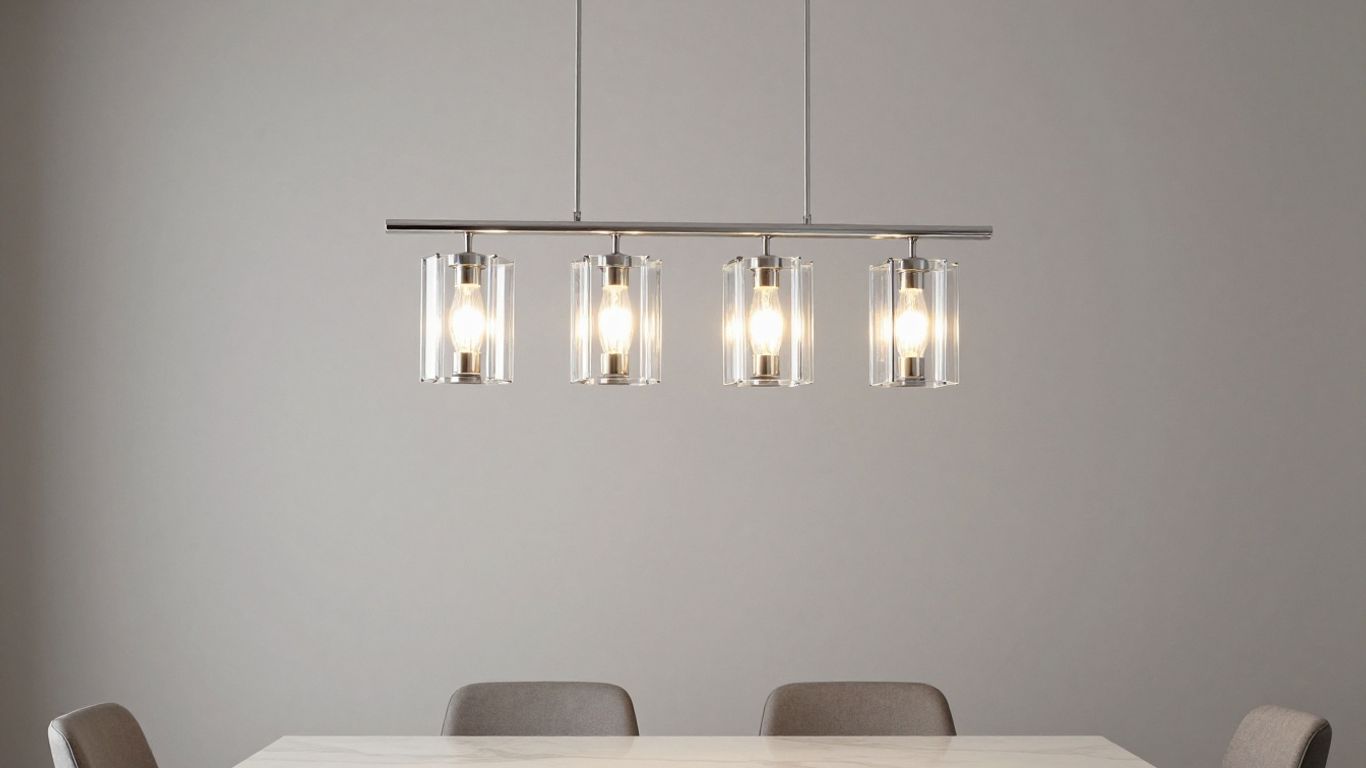
Geometric shapes are huge right now. We're talking about clean circles, squares, rectangles, and even more complex polygons all coming together in a single fixture. These designs often incorporate slim LED strips instead of traditional bulbs. This allows for really unique shapes that wouldn't be possible otherwise. Think of a series of interlocking rings or a sharp, angular frame. These fixtures are super energy-efficient too, which is a nice bonus. They offer a really modern, almost architectural feel to the room. You can find some really cool examples of linear modern multi-light suspension fixtures that fit this description perfectly.
The Rise of Halo and Linear Chandelier Forms
Two shapes that have really gained traction are the halo and linear forms. Halo chandeliers are essentially glowing rings, often with a minimalist design that provides a soft, continuous light. They work well over both round and rectangular tables. Linear chandeliers, on the other hand, are long and rectangular, making them ideal for longer dining tables. They often use multiple bulbs or LED strips to spread light evenly across the table. These styles are popular because they're versatile and fit into a lot of different modern aesthetics, from contemporary interiors to more industrial looks. They really help define the dining area, especially in open-plan homes.
Selecting The Perfect Size And Scale
Okay, so you've got your eye on some super sleek modern chandeliers, but before you hit 'buy,' let's talk about size. This is honestly where a lot of people stumble, and it makes a big difference. A chandelier that's too tiny can look a bit lost, like it's not even trying. On the flip side, a giant one can feel like it's about to swallow your dining table whole. We want it to feel just right, you know?
Calculating Chandelier Size Based on Table Dimensions
This is where the math comes in, but don't worry, it's not complicated. The easiest way to figure out the width is to measure your dining table. Take the width of your table in inches and subtract about 6 to 12 inches. That gives you the ideal range for your chandelier's width. For example, if your table is 40 inches wide, aim for a chandelier that's around 28 to 34 inches wide. It just stops the light fixture from hanging over the edges of the table, which looks way better.
For rectangular tables, there's a length calculation too. Take the length of your table in inches and multiply it by 0.6. So, an 80-inch long table would suggest a chandelier around 48 inches long. This helps make sure it looks balanced on longer tables.
Considering Room Size and Ceiling Height
Beyond the table, think about the whole room. If you have a really big room with high ceilings, you can probably go a bit larger with your chandelier. For smaller spaces or rooms with standard 8-foot ceilings, you'll want to stick to something more modest. A good rule of thumb for higher ceilings is to add about 3 inches to the chandelier's height for every foot over 8 feet. This keeps everything feeling proportional. It's all about making sure the chandelier feels like it belongs in the space, not like it's an afterthought or too much.
Avoiding Common Sizing Mistakes
So, what are the big no-nos? Hanging the light too high is a common one. If it's way up there, it doesn't really connect with the table or the people sitting at it. Too low, and you might be ducking to see your dinner guests. Generally, you want about 30 to 36 inches between the bottom of the chandelier and the surface of the dining table. This height usually works well for visibility and visual appeal. Another mistake? Centering the chandelier over the middle of the room instead of the table. Seriously, always center it over the table, especially in open-plan spaces or rooms where furniture might get moved around. It makes a huge difference in how balanced everything looks. Remember, the goal is to create a welcoming atmosphere, and getting the size and placement right is a big part of that. You can find more tips on selecting the ideal dining room chandelier to help you get it just right.
Getting the scale wrong can really throw off the whole vibe of your dining area. It's not just about looks; it's about how the space feels and functions for everyone using it. Think about how the light falls and if it feels inviting or a bit awkward. It's worth taking the time to measure and consider these details before you commit to a fixture.
Material Matters: Choosing Your Chandelier's Finish
When you're picking out a chandelier for your modern dining space, the materials and finishes are a big deal. They really set the tone for the whole room, you know? It's not just about how it looks when the lights are on, but how it feels and fits with everything else.
The Enduring Appeal of Metal Finishes
Metals are always a solid choice, and for good reason. They're durable, and they come in so many different looks. Think about brushed gold or brass – these warm tones are super versatile and play nicely with wood furniture or even some stone accents. They add a touch of warmth without being too much. Then there's matte black. This finish is great if you want something with a bit more graphic punch, a real statement piece that grounds the space. It’s clean and modern, perfect for those minimalist vibes we’re seeing everywhere.
| Metal Finish | Best For | Considerations |
|---|---|---|
| Brushed Gold/Brass | Warm, versatile spaces | Pairs well with natural materials |
| Matte Black | Bold, modern statements | Can feel a bit stark if not balanced |
| Polished Chrome | Sleek, contemporary looks | Shows fingerprints easily |
| Brushed Nickel | Subtle, cool tones | A good alternative to chrome |
Incorporating Wood and Natural Elements
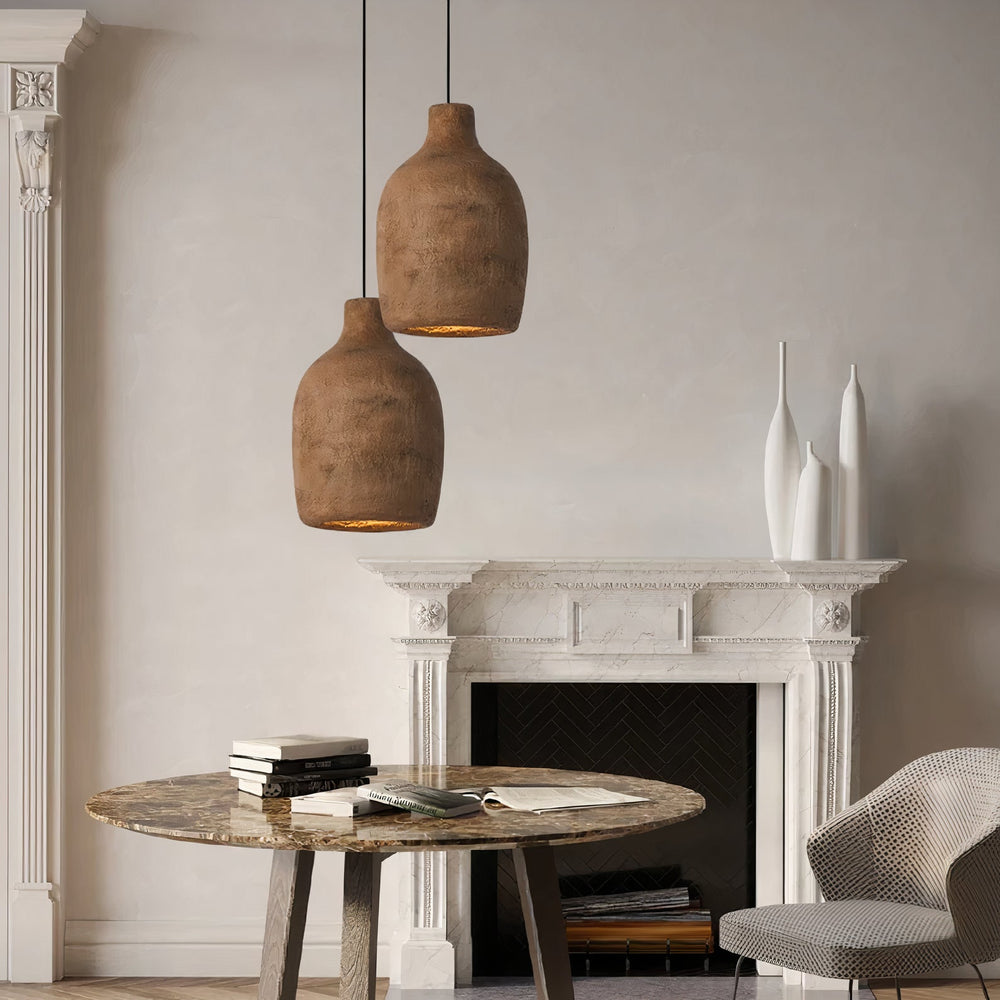
Wood and natural elements bring a different kind of vibe. They add texture and a connection to nature that can make a modern space feel more inviting. You might see chandeliers with reclaimed wood accents or even woven rattan details. These materials can soften the harder lines often found in modern design. They bring an organic feel that balances out sleek furniture and geometric shapes.
The Luxurious Touch of Crystal Accents
Crystal is where you can really add some sparkle. Now, I'm not talking about those old-school, super fussy crystal chandeliers. We're looking at modern interpretations. Think clean lines with crystal elements that catch the light beautifully. It adds a layer of luxury without feeling over the top. It’s about how the light refracts and dances around the room. High-quality crystals, like K9 glass, make a big difference here, offering better clarity and sparkle. You can find these kinds of pieces in collections that focus on quality materials.
When selecting materials, consider how they'll interact with the light. Some finishes, like matte black, absorb light, while polished metals and crystal reflect it. Think about the overall mood you want to create – bright and airy, or more subdued and intimate. The right material choice can significantly impact the ambiance.
Illuminating Your Space: Brightness And Color Temperature
Picking out a chandelier is exciting, but don't forget about the light it actually puts out. It's not just about how bright it is; the color of that light makes a huge difference in how your dining room feels. Think about it – you want a space that feels welcoming and cozy, right? Not like a sterile operating room.
Achieving Optimal Lumens For Dining Ambiance
Lumens measure brightness. For a dining room, you don't need the blinding brightness of an office. You're aiming for a comfortable level that lets you see your food and conversation partners clearly, but also feels relaxed. A good rule of thumb is to aim for around 20-30 lumens per square foot for general dining room lighting. If your chandelier is the main light source, you might want it to be a bit brighter, maybe 40-50 lumens per square foot, especially if it's dimmable. This way, you can adjust it down for dinner.
The Importance of Warm White Light (2700K-3000K)
This is where the magic happens. The color temperature, measured in Kelvin (K), tells you if the light is cool or warm. For dining rooms, you absolutely want to stick to the warm white range, typically between 2700K and 3000K. This light mimics candlelight and natural firelight. It makes food look more appetizing, skin tones appear more flattering, and creates that intimate, cozy vibe that’s perfect for sharing a meal. Cool, blueish light (above 4000K) just feels harsh and unwelcoming in a dining space.
Leveraging Dimmable Features For Versatility
Seriously, get a dimmer. It’s a game-changer. A chandelier with a dimmer switch lets you control the mood. You can have it bright enough for doing homework at the table or dim it way down for a romantic dinner for two. This flexibility means your dining room can adapt to whatever you're doing. It’s about having control over the atmosphere, making the space work for you at different times of the day and for various occasions. A dimmer is an absolute must-have for any modern dining room setup.
The right lighting can transform a dining room from a functional space into the heart of your home. It’s about creating an atmosphere that encourages connection and comfort, making every meal feel special. Don't underestimate the power of light color and brightness in setting the perfect scene.
Smart Lighting And Future Trends
Okay, so we've talked about styles, sizes, and materials, but what about the brains behind the glow? In 2026, your dining room chandelier isn't just a light source; it's becoming a smart hub. Think about it: controlling your lighting with your voice or a tap on your phone. It’s pretty neat.
Embracing Smart Chandelier Technology
This is where things get really interesting. Smart chandeliers connect to your home's Wi-Fi, letting you control brightness, color temperature, and even set schedules right from an app. Imagine walking into your dining room and saying, "Lights on, dinner mode," and your chandelier dims to the perfect warm glow. It’s not just about convenience; it’s about creating specific moods for different occasions. You can set up scenes like 'Family Dinner,' 'Date Night,' or 'Holiday Gathering,' each with its own lighting profile. This kind of control really makes a dining space feel more dynamic and responsive to your life.
Energy-Efficient LED Integration
LEDs are pretty much standard now, and for good reason. They use way less energy than old-school bulbs, which is great for your wallet and the planet. Plus, they last ages, meaning fewer bulb changes. Many modern chandeliers are designed with integrated LED strips, often in sleek, linear forms. This allows for really clean designs that are hard to achieve with traditional bulbs. You'll find a lot of fixtures are moving towards these built-in LED systems, which are often more energy-efficient than you might think. It’s a big part of the leading lighting trends for 2026.
Anticipating 2026 Lighting Innovations
Looking ahead, we're seeing a push towards even more intuitive lighting. Think about chandeliers that can adjust their light output based on the natural light coming in through your windows, or systems that learn your habits and adjust automatically. We might also see more fixtures incorporating subtle color-changing capabilities, allowing for a wider range of ambiance beyond just warm or cool white. It's all about making lighting work for you, effortlessly. The focus is on creating adaptable spaces that feel just right, no matter the time of day or activity. It's a move towards lighting that's not just functional but also contributes to the overall well-being and atmosphere of your home.
The future of dining room lighting is about creating personalized experiences. It's moving beyond simple illumination to become an integral part of your home's smart ecosystem, offering unparalleled control and adaptability for every moment.
Placement And Installation Best Practices
Okay, so you've picked out the most amazing modern chandelier. Now comes the part where we actually get it up and looking good. This isn't just about screwing in a lightbulb; it's about making sure your new centerpiece shines (literally) and works well with your space. Getting the placement and installation right makes a huge difference, trust me.
Centering Your Chandelier Over The Dining Table
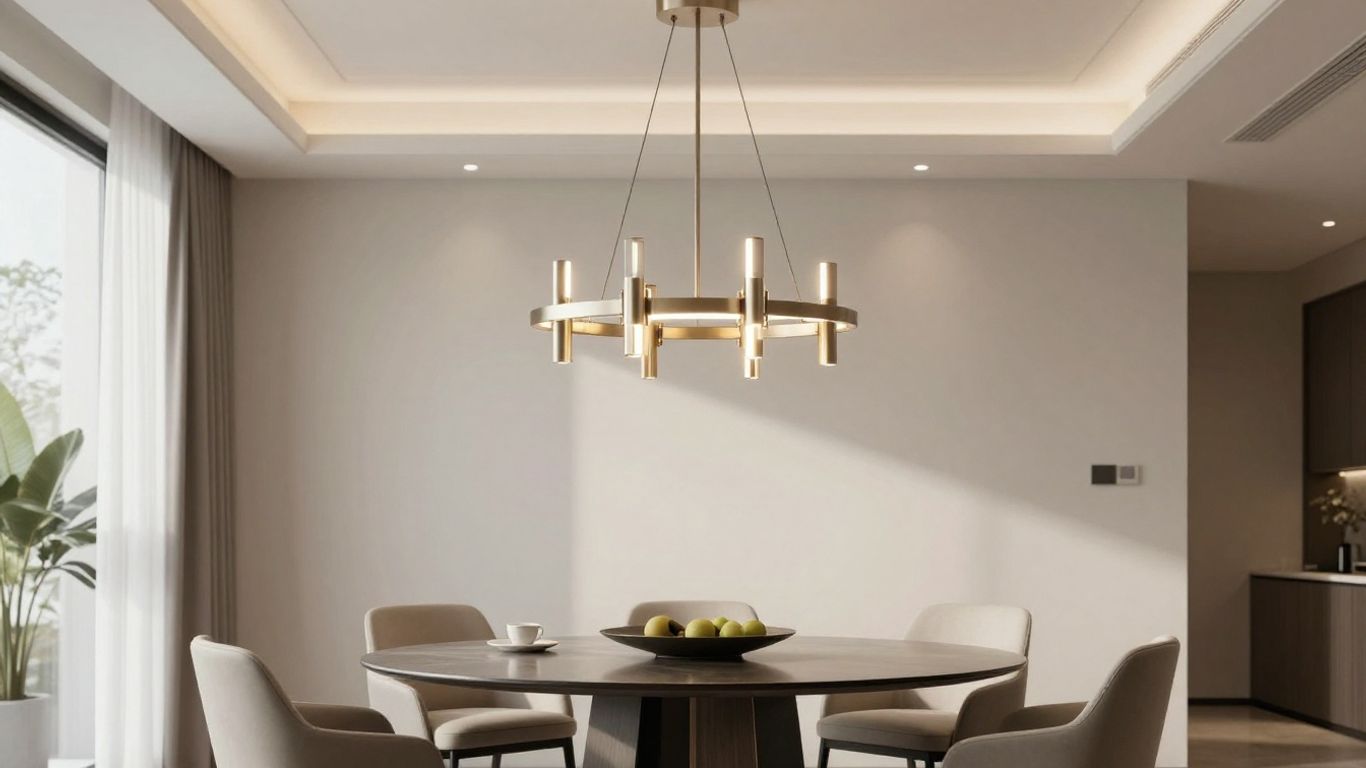
This sounds simple, but it's surprisingly easy to mess up. Ideally, your chandelier should hang right in the middle of your dining table. This creates a visual anchor for the whole room. But what if your ceiling's electrical box isn't directly above the table's center? Don't sweat it. There are a few ways to handle this. You can use a chandelier mounting plate or a decorative canopy that extends beyond the box. Sometimes, a longer chain or rod can help shift the visual center. The goal is to make it look intentional, even if the wiring is a bit quirky.
Determining Ideal Hanging Height
This is super important for both looks and function. You don't want to be banging your head on it, and you also don't want it to look like a tiny speck floating way up there. A good rule of thumb is to have the bottom of the chandelier about 30 to 36 inches above the tabletop. This height works for most standard dining rooms and tables. It gives you enough clearance to walk around and makes sure the light falls nicely on your food and guests.
Here's a quick guide:
- Standard Dining Rooms: 30-36 inches above the table.
- Lower Ceilings (under 8 feet): You might need to go a bit higher, maybe 28-32 inches, to avoid making the room feel cramped.
- Higher Ceilings (over 9 feet): You can hang it lower, closer to the 36-inch mark, or even a bit more, to fill the vertical space.
Remember, these are guidelines. Your specific room and chandelier might call for slight adjustments. It's all about visual balance and making sure the light is useful.
Ensuring Proper Ceiling Support And Wiring
This is where things get serious, and if you're not comfortable with electrical work, it's time to call in a professional. Your chandelier, especially a larger modern one, can be heavy. The electrical box in your ceiling needs to be rated to support its weight. If it's not, an electrician can install a proper brace or a fan-rated box, which is much stronger. Wiring also needs to be done correctly to avoid any electrical hazards. If your chandelier is dimmable, make sure you have a compatible dimmer switch installed on the wall. This simple addition gives you so much control over the room's atmosphere, letting you switch from bright task lighting to a soft, inviting glow for dinner. For more on this, check out these tips on centering a chandelier.
Wrapping It Up
So, picking the right chandelier for your modern dining room in 2026 isn't just about picking something pretty. It's about getting the size right, making sure the light is warm and inviting, and choosing a style that actually fits your space. We've talked about everything from how many lumens you need to whether you should go for a sleek metal design or something more natural. Remember, a good chandelier can totally change how your dining room feels, making every meal a bit more special. Don't forget about smart features if you're feeling techy, and always, always consider the color temperature of your bulbs. Get it right, and your dining room will be the talk of the town.
Frequently Asked Questions
How do I know what size chandelier to get?
Think about your table! A good rule is for the chandelier's width to be about half the width of your dining table. For example, if your table is 4 feet wide, aim for a chandelier around 2 feet wide. This makes sure it looks balanced and not too big or too small for the space.
Should the chandelier hang over the table or in the center of the room?
Always center your chandelier right over your dining table. This draws attention to where you eat and makes the whole setup feel intentional and put-together. It's the main event!
How high should I hang my chandelier?
For a standard 8-foot ceiling, hang the bottom of the chandelier about 30 to 36 inches above your table. If your ceilings are taller, you can hang it a bit higher. You want to be able to walk under it without bumping your head, but also have it close enough to light up your table nicely.
Are LED bulbs a good choice for chandeliers now?
Yes, absolutely! LED bulbs are the way to go in 2026. They use less energy, last a really long time, and come in all sorts of brightness levels and colors. Plus, many modern chandeliers are designed specifically for LEDs.
What kind of light color is best for a dining room?
You'll want warm white light, usually between 2700K and 3000K. This kind of light makes food look tastier and creates a cozy, relaxing vibe. Avoid bright, cool white light, which can make the room feel a bit sterile and uninviting.
What are some popular modern chandelier styles for 2026?
People are really into sleek designs like geometric shapes and thin LED lines. Halo-shaped lights, which are like glowing rings, are also super popular. Materials like matte black metal, brass, and even natural elements like wood or rattan are trending, giving a modern yet warm feel.


Leave a comment