




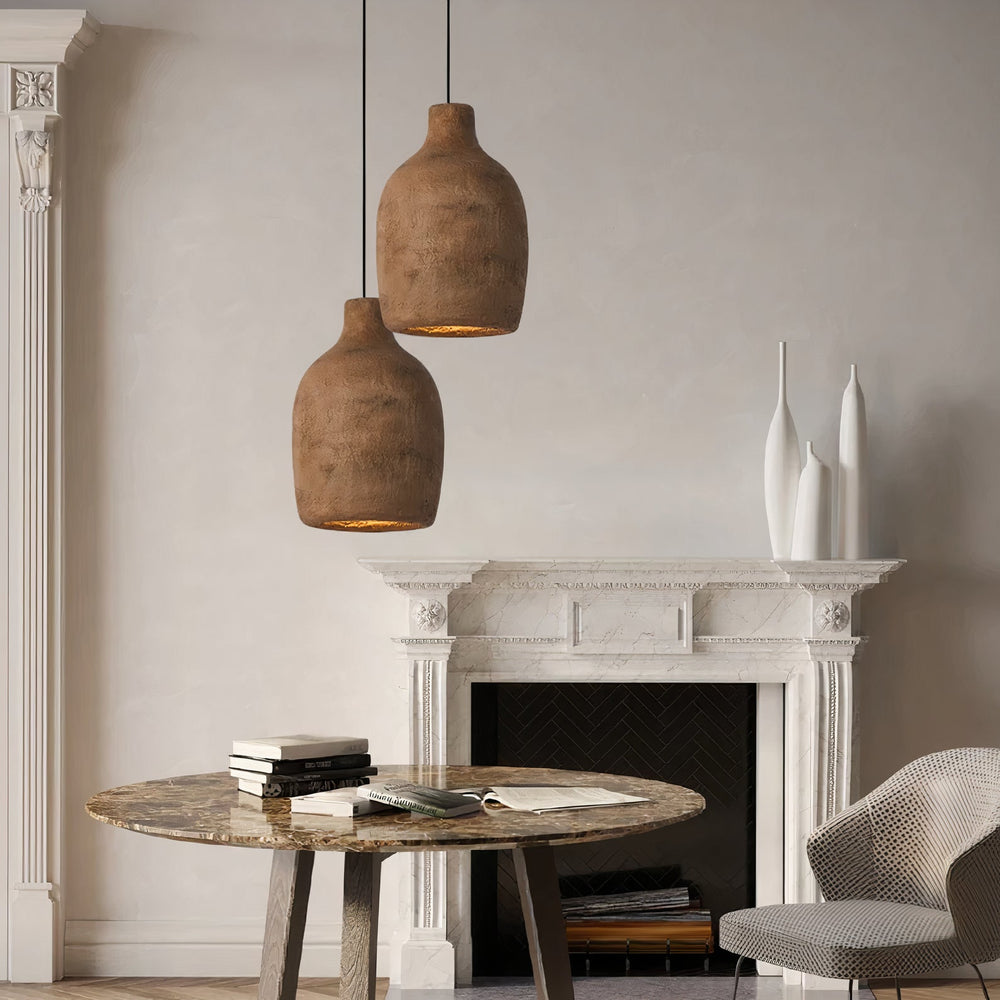
How to Choose the Perfect 3 Light Pendant Ceiling Light for Your Space in 2026
Picking out the right light fixture for your home can feel like a big deal, right? Especially when you're looking at something like a 3 light pendant ceiling light. It's not just about brightness; it's about how it looks, how it fits with everything else, and if it actually makes your space work better. We're going to break down how to choose a 3 light pendant ceiling light that you'll love, looking at styles, where to put it, and what features really matter.
Key Takeaways
- When picking a 3 light pendant ceiling light, make sure its size fits the room. Too big and it overwhelms, too small and it gets lost.
- Think about the style of your home. Does the 3 light pendant ceiling light match your furniture and colors, or does it clash?
- Consider where you'll put the 3 light pendant ceiling light. Over a kitchen island or dining table, it needs to light up the area well without getting in the way.
- Look for features like dimmers or glass that softens the light. These make a 3 light pendant ceiling light more useful day-to-day.
- Modern 3 light pendant ceiling lights often use interesting shapes and materials, like mixed metals or textured glass, to add character.
Understanding The Scale And Style Of Your 3 Light Pendant Ceiling Light
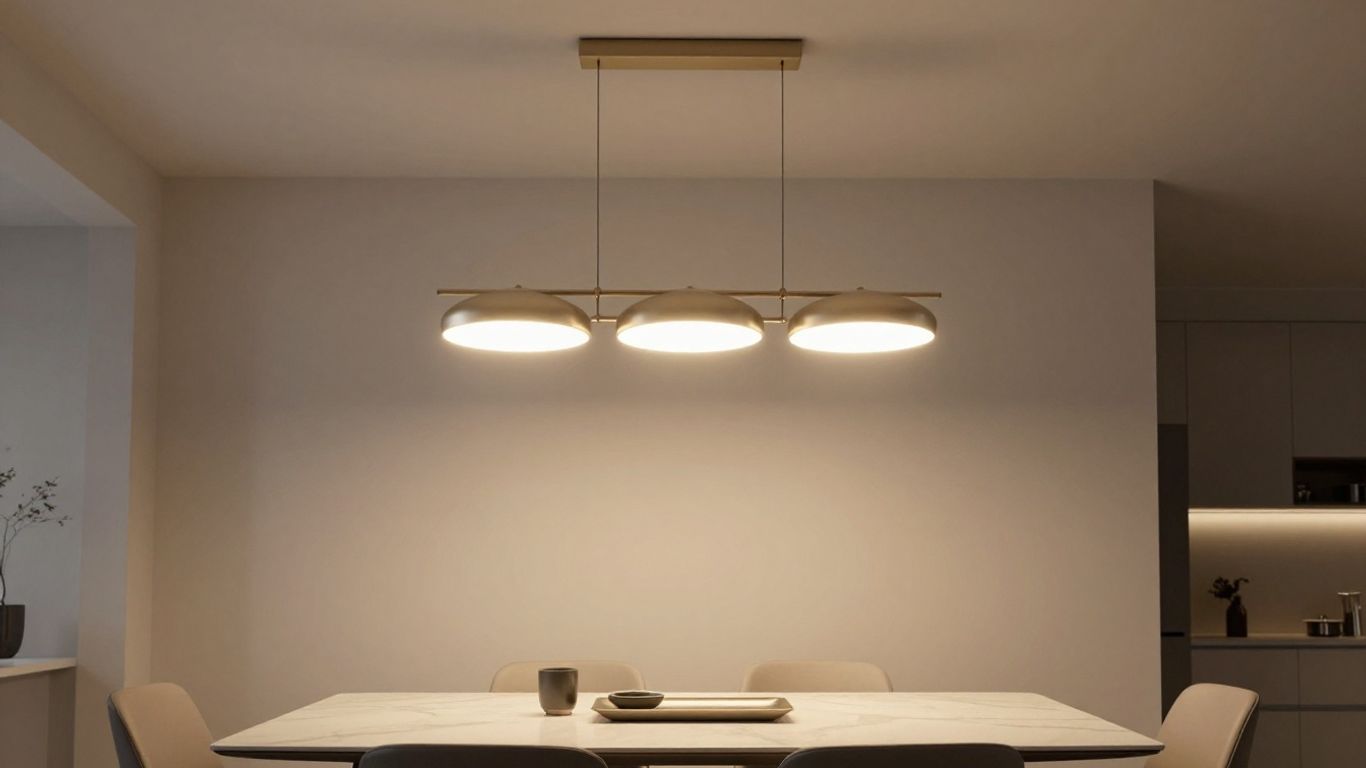
When you're picking out a new three-light pendant ceiling light, the first things to really think about are how big it is and how it's going to look with everything else in your room. It’s not just about picking something pretty; it’s about making sure it fits right and works with your home’s vibe.
Proportionate Dimensions For Every Room
Getting the size right is super important. A light fixture that's too big can make a small room feel cramped, while one that's too small can get lost in a larger space. You want it to feel balanced. For smaller rooms, like a home office or a powder room, a more compact fixture is usually the way to go. Think about something that doesn't hang too low and gives off a nice, soft light. On the flip side, if you have a big living area or a long dining table, you'll need something more substantial. A larger fixture, or even a series of pendants, can fill the space better and provide enough light without looking out of place. It’s all about matching the fixture’s presence to the room’s footprint.
- Small Rooms: Opt for fixtures with a smaller diameter and a lower profile. Consider flush-mount or semi-flush mount options if ceiling height is limited.
- Medium Rooms: A standard-sized pendant or a linear fixture can work well. Aim for a fixture diameter that’s roughly one-third the width of your table or the room.
- Large Rooms: Don't be afraid to go big! Consider larger statement pendants, chandeliers, or multiple pendants hung in a row. The fixture should be visually proportionate to the overall space.
Complementing Your Interior Design
Beyond just size, the style of your three-light pendant needs to play nicely with your existing decor. Is your home filled with clean lines and modern furniture? Or do you lean more towards rustic charm or classic elegance? The material, finish, and overall shape of the pendant should echo the design elements already present. For instance, a sleek, minimalist pendant in brushed nickel might be perfect for a contemporary kitchen, while a fixture with a more ornate design and a bronze finish could fit right into a traditional dining room. The goal is for the light fixture to feel like a natural extension of your style, not an afterthought.
Think about the overall mood you want to create. Do you want something that feels cozy and inviting, or something that makes a bold, modern statement? The shape, material, and even the color of the light it casts all contribute to the atmosphere.
Choosing Fixtures For Smaller Spaces
When dealing with smaller rooms or areas with lower ceilings, the choices might seem a bit more limited, but there are still great options. You don't want a pendant that hangs down too far and becomes a head-bumping hazard or just overwhelms the space visually. Look for fixtures that are more compact in their overall dimensions. Sometimes, a cluster of smaller pendants can be more effective than one large one. You might also consider pendants with a more streamlined design, perhaps something with a narrower shade or a more delicate frame. These types of fixtures can provide ample light without taking up too much visual real estate, making the room feel more open and airy. For very tight spots, a flush-mount or semi-flush mount fixture might be the best bet, offering a good amount of light without the hanging length. You can find some really neat sculptural ceiling lights that work well in these situations.
Exploring Popular Styles For 3 Light Pendant Ceiling Lights In 2026
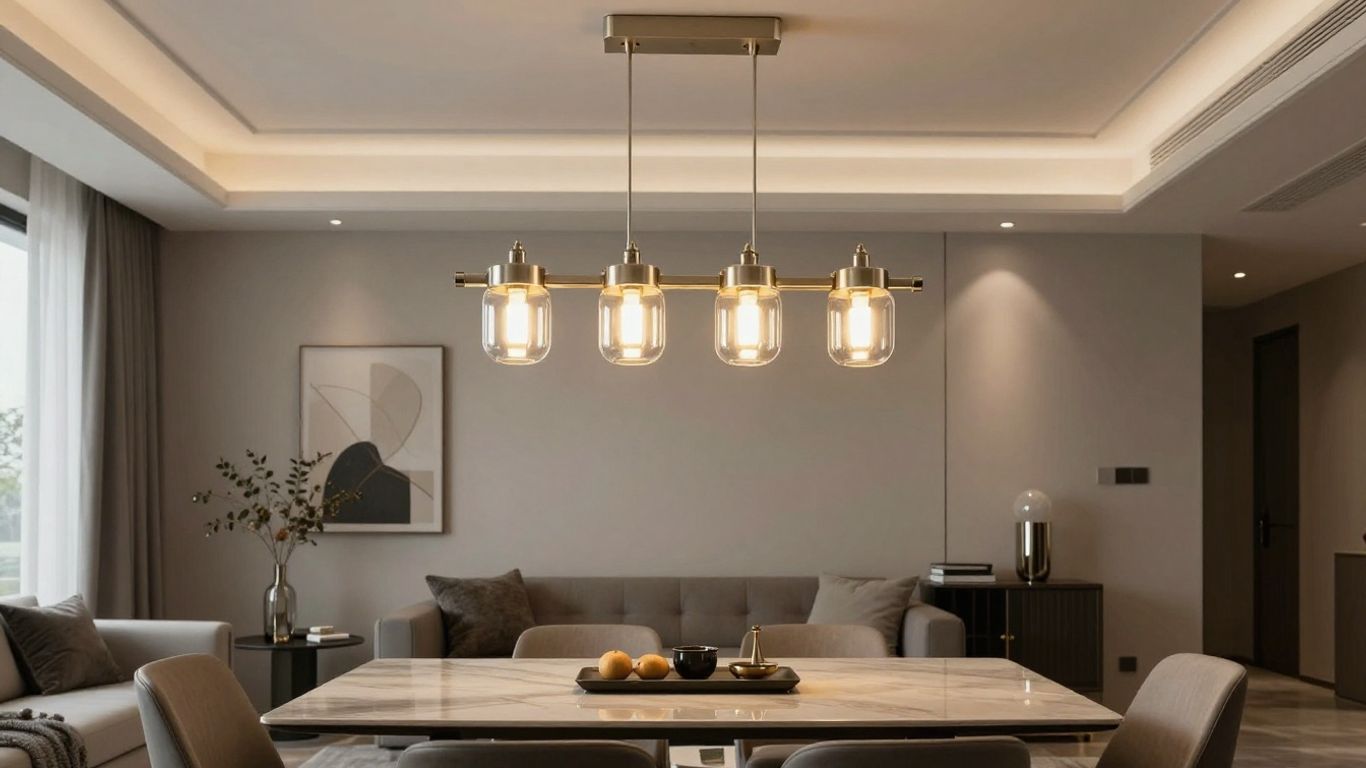
When picking out a three-light pendant, the style really matters. It's not just about the light it gives off, but how it looks and fits into your home. In 2026, we're seeing some cool trends that blend looks with how we actually use our spaces.
Sculptural Shapes Leading The Way
Forget boring old domes. This year, pendant lights are getting interesting with their shapes. Think more like art pieces for your ceiling. These aren't just for looks, though; the shape actually helps direct light where you need it. It's a smart way to define areas in a room, like over a kitchen island or a dining table. You'll see a lot of rounded forms, elongated cones that focus light downwards, and even layered discs that help soften any harsh brightness. Some designs use multiple parts to create a real focal point. These shapes add structure without being too heavy or overdone.
Refined Material Palettes
Materials are getting a thoughtful update. We're moving towards palettes that feel a bit more grounded and sophisticated. Three main directions are really standing out:
- Natural Materials: Think woven fibers, unfinished wood, and fabric shades. These add a softer touch and help cut down on glare, especially with brighter bulbs.
- Mixed Metals: This is huge for making sure your lighting works with everything else. Combinations like matte black with brass, or brushed nickel with bronze, help fixtures match your faucets, cabinet hardware, and appliances. It makes the whole room feel more put together.
- Glass With Character: Forget plain clear glass. Seeded, ribbed, and opal glass are becoming really popular. They do a great job of spreading light evenly and keeping shadows from being too sharp. This makes the light feel more comfortable to be around.
The way materials are used in lighting fixtures is changing. It's less about just having a light source and more about how that light source contributes to the overall feel and function of a room. It’s about creating a mood and making spaces feel more inviting.
Mid-Century Modern Influences
That classic mid-century modern vibe isn't going anywhere. In fact, it's getting a fresh spin for 2026. These designs are popular because they offer simple, functional shapes that still feel a bit nostalgic. They fit really well into open-plan homes and spread light nicely. What's new is how they're being updated with modern metals and updated glass treatments. This makes them easy to blend into today's interiors. It’s like getting the best of both worlds – timeless style with modern practicality. You can find some great examples of mid-century modern pendant light designs that really capture this look.
These styles are great because they offer a lot of flexibility. Whether you're going for a clean, modern look or something a bit more cozy, there's a three-light pendant out there that will fit right in. It's all about finding that piece that speaks to your personal style and makes your space feel just right. For more ideas on current trends, you might want to explore the leading lighting trends for luxury interiors.
Functional Placement Of 3 Light Pendant Ceiling Lights
Getting the placement right for your 3 light pendant ceiling light can really change how your space works. You want lighting that helps you get things done but also makes the room feel comfortable and welcoming. Where these fixtures hang can completely shape the vibe and functionality of the kitchen or dining area. Here's how to make the most of your pendant lighting:
Enhancing Kitchen Workspaces
- Hang your pendants so light lands directly on prep areas, helping you see better while chopping or mixing.
- Make sure they're not so low that you hit your head or block the view — keep sightlines clear between people so conversation flows easily.
- Use shades or diffusers that soften the light, cutting down harsh shadows that get in the way while working.
| Task | Recommended Height (inches from counter) | Common Pendant Width (inches) |
|---|---|---|
| Kitchen Counter | 30–36 | 8–12 |
| Kitchen Island | 30–36 | 10–14 |
The goal for kitchen pendant placement is to give steady, focused light right where you need it most—making food prep safer and more enjoyable.
Defining Dining Areas
The dining table is often the heart of the home, so underline it with the right lighting:
- Center the pendant directly over the middle of the table—this guides both light and attention to where people gather.
- Match the fixture length to your table. For long tables, use several pendants or a linear 3 light pendant.
- Consider dimmers so you can switch from bright family dinners to a cozier vibe when you want.
A quick checklist for dining pendant lights:
- Width should be about one-third the width of your table.
- Bottom of the fixture should sit 30–36 inches above the tabletop.
- Avoid oversized shades that block sightlines across the table.
Illuminating Kitchen Islands
Lighting a kitchen island is all about practicality:
- Place three-light pendants evenly spaced along the island for even lighting—no dark spots or harsh glare.
- Choose clear glass or matte shades to coordinate with your kitchen’s look, a detail often mentioned by interior designers who value cohesion.
- Make sure pendants don’t interfere with open cabinets or appliances.
A few tips:
- Spacing pendants about 24 inches apart works for most islands.
- Keep enough distance from the ceiling so taller folks don’t bump into them!
- Consider using adjustable features to adapt as your family’s needs change.
Pendant lights aren’t just about good looks—they organize and define your space, guiding where people prep, eat, and hang out. When you get their placement right, everything else falls into place just a bit easier.
Key Features To Consider For Modern 3 Light Pendant Ceiling Lights
When you're picking out a new three-light pendant, it's not just about how it looks hanging there. There are some practical things to think about that can really make a difference in how you use your space. Modern fixtures are getting smarter, offering more than just light. They're designed to fit into your life better.
Adjustable Lighting Capabilities
This is a big one for 2026. Forget about lights that are just 'on' or 'off.' Many new pendants come with features that let you tweak the light output. Think about:
- Adjustable drop lengths: You can set how low the pendant hangs, which is super handy if you have different ceiling heights or want to position the light just right over a specific spot.
- Dimmable LEDs: Most modern fixtures use LED bulbs, and many of these are dimmable. This means you can go from bright light for working to a soft glow for relaxing, all with a simple dimmer switch.
- Tunable color output: Some advanced options even let you change the color temperature of the light, from a cool, bright white for tasks to a warm, cozy yellow for evenings.
Being able to adjust your lighting makes a huge difference in how a room feels and functions throughout the day.
Glass With Character For Soft Illumination
Glass shades aren't just clear anymore. Designers are using all sorts of glass to create different lighting effects. This helps avoid that harsh glare you sometimes get from bare bulbs.
- Seeded glass: Tiny bubbles trapped in the glass give a textured look and scatter light softly.
- Ribbed glass: The vertical lines in ribbed glass break up the light, making it feel more diffused and less direct. This is great for dining areas where you want to see faces, not just glare.
- Opal or frosted glass: These classic choices offer a smooth, even glow that's easy on the eyes.
These types of glass are really popular right now, especially in luxury interiors because they add a touch of style while making the light more comfortable.
Mixed Metal Finishes For Cohesion
It used to be that everything had to match perfectly – all brass, or all brushed nickel. Now, it's all about mixing metals. This trend lets you tie different elements in your room together.
Mixing metals in your lighting can actually make your space feel more curated and less like you just bought everything from the same catalog. It allows for more flexibility when choosing other hardware, like cabinet pulls or faucet finishes.
For example, a pendant with matte black accents and brushed brass details can look fantastic. It gives you the freedom to use black hardware on your cabinets and brass on your faucets, for instance. This approach helps create a layered, more interesting look. You'll see combinations like:
- Matte Black with Brass
- Brushed Nickel with Bronze
- Polished Chrome with Blackened Steel
This trend is all about creating a harmonious look without being too matchy-matchy. It's a way to add personality and depth to your home's design.
The Evolution And Enduring Appeal Of Pendant Lighting
Pendant lights haven't just popped up recently; they've got a long history. Think way back before electricity, when people hung oil lamps to get light where they needed it, keeping flames safely out of the way. It was all about making dark rooms a bit more usable. When electricity finally arrived, these hanging lights transformed from just a way to hold a flame to something that could actually be shaped by how we live.
People started picking lights based on where they cooked, spent their evenings, or just hung out. It wasn't just about brightness anymore; it was about fitting into the rhythm of the home. This idea really took off in the mid-20th century. Designers started playing with simple shapes like globes and cones, and these forms helped define different areas in a house, like a cozy reading nook or a spot for family meals. That basic approach is still what guides us today when we're choosing lights.
From Ancient Lamps To Modern Fixtures
It's pretty wild to think about how far lighting has come. Here's a quick look:
- Ancient Times: Simple oil lamps were hung to provide light after sunset.
- 1800s: Gas and kerosene fixtures showed up, often with glass shades to steady the flame and make indoor use easier.
- Late 19th Century: Electricity changed everything. Lights got lighter, safer, and much simpler to install from the ceiling.
- Mid 20th Century: This was a big time for design. Think iconic shapes like globes and cones that really shaped the look of homes for years.
- Today: Modern pendants use better materials, improved wiring, and features that let us adjust them to fit our daily lives.
The Mid-20th Century Design Impact
That mid-century modern era really left its mark. Designers back then were all about clean lines and functional forms. They understood that a light fixture could do more than just shine; it could actually help organize a space. Those simple, geometric shapes we see from that time are still popular because they fit so well into open-plan homes and brighten up areas without being too much. It’s like they bring a bit of familiar comfort while still looking fresh. We're seeing a lot of those classic silhouettes updated with new metals and glass treatments, making them easy to blend into today's interiors.
The goal of design is to make the ordinary feel extraordinary. This sentiment perfectly captures the enduring appeal of pendant lighting, transforming everyday spaces into something more special through thoughtful illumination and form.
Today's Focus On Functionality And Aesthetics
What's really driving pendant light choices now is a mix of how they look and how well they work. We want lights that help us get things done, whether it's chopping vegetables in the kitchen or reading a book in the living room. Adjustable features, like dimmable bulbs and customizable drop lengths, are becoming standard because they let us fine-tune the light for whatever we're doing. It’s about creating the right mood and making sure the light is comfortable, not harsh. Plus, with so many options for glass textures and metal finishes, it's easier than ever to find a pendant that not only lights up your space but also adds a touch of personal style. It's this blend of practical use and good looks that keeps pendant lighting so popular. You can find some great examples of how pendants are used over kitchen islands, showing their continued relevance in modern homes [fd4a].
Selecting The Right 3 Light Pendant Ceiling Light For Your Needs
Alright, so you've got your eye on a 3-light pendant, which is a solid choice for adding both style and good lighting. But picking the perfect one isn't just about grabbing the prettiest fixture you see. It's about making sure it actually works for how you use your space. Think about it like this: you wouldn't wear hiking boots to a fancy dinner, right? Same idea applies here.
Balancing Ambient And Task Lighting
This is a big one. A 3-light pendant can do a lot, but it needs to fit the room's needs. Is this light going to be the main source of light, kind of like a general glow for the whole room? Or is it more about lighting up a specific spot, like your kitchen counter where you're always chopping veggies? You'll want to think about how much light you need overall (ambient) and how much you need for specific jobs (task). Some pendants are designed to spread light out, while others focus it downwards. For a kitchen island, you might want something that casts a good amount of light directly onto the workspace. For a dining room, you might prefer something that offers a softer, more diffused glow so everyone can see each other without being blinded.
Considering Light Direction And Glare Control
Where the light goes is super important. Some pendants have shades that point all the light downwards, which is great for task lighting. Others have shades that open up, letting light spill upwards and outwards for a more ambient feel. And then there are those that are open all around. You also don't want a light that's going to blind you or anyone sitting at your table. Look for features like frosted glass, ribbed glass, or shades that diffuse the light. These help break up the brightness and make the light easier on the eyes. It's all about getting that nice, even illumination without those harsh shadows or annoying glare. You can find some really neat options that focus light where you need it without being too intense.
Ensuring Long-Term Dependability
Finally, let's talk about making sure your light lasts. You're investing in this fixture, so you want it to be well-made. Check out the materials – are they sturdy? How is it put together? Look for brands that have a good reputation for quality. Also, think about the bulbs. Are they easy to find and replace? Many modern pendants use LED bulbs, which are great because they last a long time and use less energy. Some even have adjustable features, like dimmable LEDs or adjustable drop lengths, which give you more control over the light over time. It’s worth spending a little extra time researching to find a fixture that’s not just pretty, but also built to last and easy to live with. You want something that will keep looking good and working well for years to come, making your living space feel just right.
Wrapping It Up
So, picking out the right three-light pendant isn't just about grabbing something that looks cool. It's about thinking about your room, what you do there, and what kind of vibe you're going for. Whether you want something that really stands out or just blends in nicely, there are tons of options out there. Don't rush it, look around, and you'll find that perfect light that makes your space feel just right. Happy lighting!
Frequently Asked Questions
What's the main idea behind choosing a 3-light pendant?
It's all about picking a light that fits your room's size and matches your home's style. Think about how big the light is compared to your furniture and the room itself. Also, consider the shape and materials so it looks good with your decorations.
What styles of 3-light pendants are popular now?
Unique shapes that look like art are really in! Also, lights made with nice materials like wood or special glass are trendy. And, designs inspired by the 1950s and 60s are making a comeback because they're simple and cool.
Where should I hang a 3-light pendant in my kitchen?
These lights are great for kitchens! You can hang them over your counter where you chop food to give you good light for cooking. They also work well over a kitchen island to show where people can sit or to light up the space for homework.
What features should I look for in a modern 3-light pendant?
Look for lights where you can change how bright they are, maybe with a dimmer. Lights with special glass that makes the light soft and not too harsh are nice. Also, fixtures that mix different metal colors, like black and gold, can tie your room's look together.
How have pendant lights changed over time?
People have been hanging lights for a long time, starting with oil lamps. When electricity came, lights became safer and more stylish. In the mid-1900s, designers created basic shapes like globes that are still popular. Today, we focus on lights that work well for our daily lives and look good too.
How do I make sure my 3-light pendant gives the right kind of light?
Think about whether you need light for working (task lighting) or just to make the room feel cozy (ambient lighting). Also, consider where the light shines – you don't want it to be too bright or create annoying shadows. Picking a well-made light will ensure it lasts a long time.


Leave a comment