




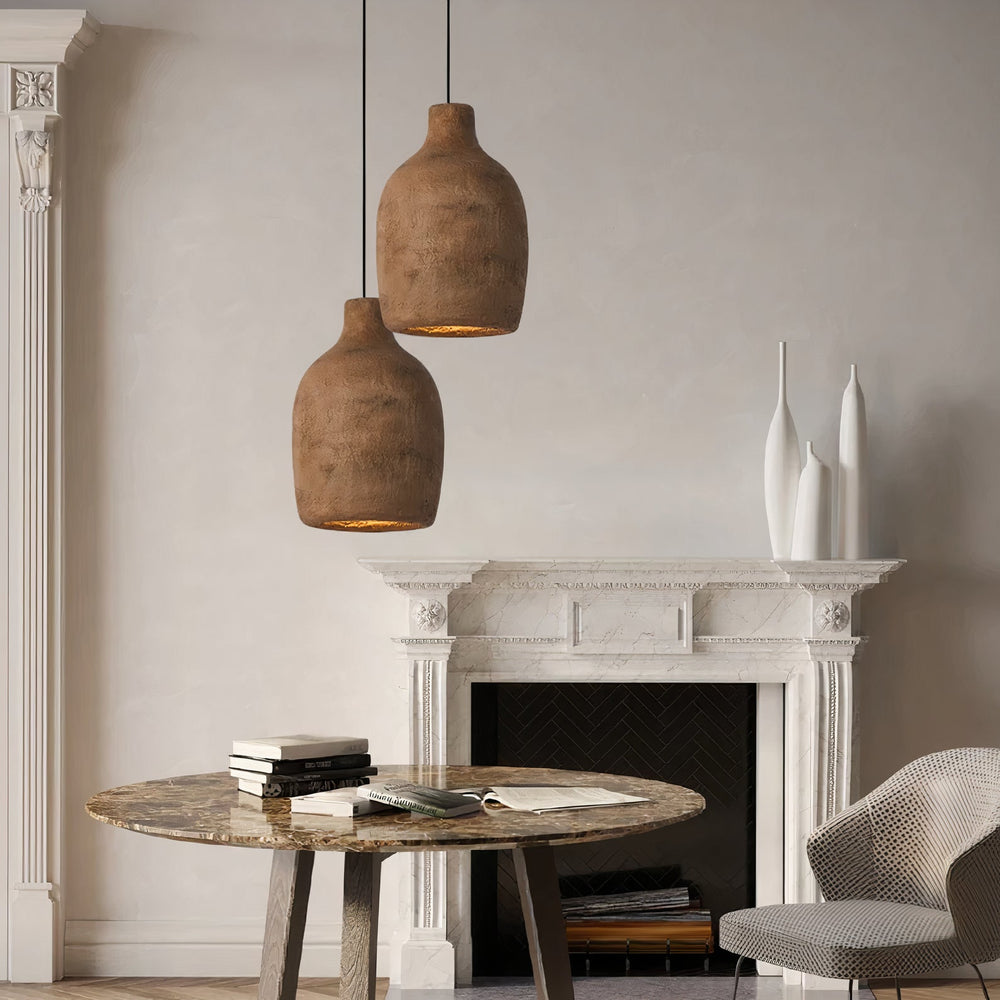
Elevate Your Space: The Ultimate Guide to Contemporary Dining Chandeliers
Picking out a chandelier for your dining room can feel like a big decision. There are so many shapes, finishes, and sizes, and the wrong one can throw the whole room off. But when you get it right, contemporary dining chandeliers can really make your space feel inviting and stylish. Whether your table is big or small, or your style is bold or more laid-back, there’s a modern chandelier that fits. In this guide, I’ll walk you through what to look for, how to hang it, and how to make sure it actually works for your room—not just in the photos online.
Key Takeaways
- A chandelier should be the main feature above your dining table, not just another light source.
- Contemporary dining chandeliers come in all shapes and finishes, so pick one that matches your room’s vibe.
- Hang your chandelier about 30 to 36 inches above the table for most ceilings, but adjust if your ceiling is higher or lower.
- Choose a size that fits your table and room—too big can feel overwhelming, too small might look awkward.
- Dimmable bulbs and controls let you set the mood, making your dining space cozy or bright as needed.
Defining Your Dining Room's Centerpiece
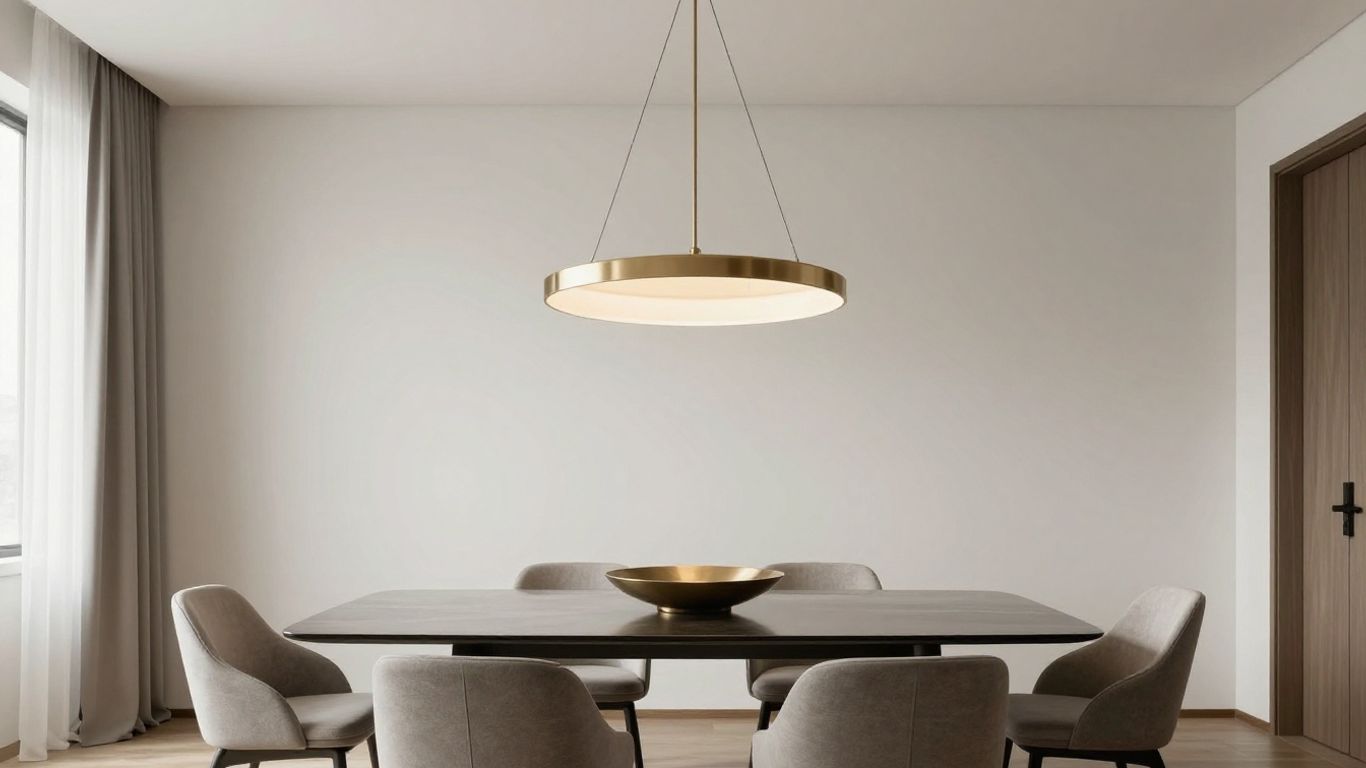
The Role of Chandeliers in Dining Spaces
Think of your dining room chandelier as more than just a light source; it's the main event, the star of the show. It's the first thing people notice when they walk in, and it sets the whole tone for the room. A well-chosen chandelier can completely transform a dining space, making everyday meals feel a bit more special. It's not just about brightness; it's about style, presence, and creating that perfect atmosphere. Whether you're aiming for grand and elegant or sleek and modern, the chandelier is your primary tool for making a statement. It anchors the dining table and draws the eye, making it the undisputed focal point. It’s the ideal focal point for a dining room, offering both practical lighting and significant decorative value. Positioned directly overhead, it enhances the ambiance and style of the space.
Beyond Illumination: Statement Pieces for Your Home
Sure, a chandelier lights up the room, but its job goes way beyond that. It's a piece of art, a design element that speaks volumes about your personal style. It can be grand and sparkly, or simple and geometric, but whatever its form, it's designed to be noticed. It adds personality and flair, turning a functional space into something truly memorable. It’s a way to express yourself and make your home feel uniquely yours. These fixtures are statement pieces that elevate the ambience of your dining room. With a gamut of options available, including crystal, modern, and rustic designs, there’s something for every style and setting. Dining room chandeliers offer a way to add elegance, warmth, and a striking focal point to your dining space.
Transforming Ambiance with Light
Lighting is a powerful tool, and the chandelier is your main instrument for creating mood. The type of light, its intensity, and how it falls can change everything. A soft, warm glow makes a room feel cozy and intimate, perfect for a quiet dinner. Brighter, more focused light can make a space feel energetic and lively, great for gatherings. It’s about controlling the feeling of the room, making it adaptable for any occasion. You can go from a bright, cheerful breakfast spot to a romantic dinner setting with just a few adjustments. This ability to shift the mood is what makes a chandelier so impactful.
The right lighting doesn't just illuminate; it shapes the experience. It can make a room feel larger or cozier, more formal or more relaxed. It's the invisible architect of your dining room's atmosphere, influencing how you and your guests feel.
Exploring Styles of Contemporary Dining Chandeliers
When it comes to contemporary dining rooms, the chandelier isn't just about light; it's a major design element. Think of it as the crown jewel for your table. The good news is, there are tons of styles out there that fit right into a modern look.
Sleek Lines and Minimalist Designs
If your taste leans towards clean and uncluttered, minimalist chandeliers are your best bet. These fixtures often feature simple geometric shapes or smooth, flowing lines. They don't demand attention but rather complement your existing decor with a quiet confidence. These designs are perfect for making a subtle yet sophisticated statement. They work especially well with other modern furniture pieces, like a glass-top table or sleek chairs. You can find these in finishes like brushed nickel, matte black, or even a subtle brass. They're all about form and function, looking good without being overly fussy.
Geometric Shapes and Metallic Finishes
Geometric designs are really popular in modern lighting. We're talking about things like spheres, cubes, or even more complex, angular structures. These shapes add a bit of visual interest and can really anchor the space. Metallic finishes are also a big deal here. Think polished chrome, brushed gold, or even a dark oil-rubbed bronze. These metals catch the light beautifully and add a touch of luxury. A chandelier with an open, geometric frame in a brass finish, for example, can really make a dining table pop. It's a way to add some sparkle and personality without going overboard. You can explore different modern dining room chandelier styles to see how these shapes and finishes come together.
Integrating Modern Fixtures with Decor
Choosing the right style is only half the battle; making it fit with your room is the other. A modern chandelier should feel like it belongs. If you have a lot of natural wood tones, a fixture with black metal accents or a brushed gold finish can create a nice contrast. For a more monochromatic look, stick to similar tones or finishes. Consider the scale of your room and furniture too. A massive, intricate chandelier might overwhelm a small dining nook, while a tiny fixture could get lost in a large, open space. It's about finding that sweet spot where the light fixture complements, rather than competes with, everything else.
Sometimes, the simplest designs make the biggest impact. A fixture that echoes the lines of your furniture or the shape of your room can create a sense of harmony. It's not just about hanging a light; it's about completing the look of your dining area.
Here's a quick look at how different styles can work:
- Minimalist: Best for very clean, modern spaces. Think single bulbs on simple arms or clean geometric frames.
- Geometric: Adds a sculptural element. Great for drawing the eye and adding a focal point.
- Linear: Often long and rectangular, these are fantastic over long dining tables, providing even light distribution.
- Orb/Sphere: Softens angular furniture and adds a touch of modern elegance.
When picking out a fixture, remember that it's a chance to show off your personal style. Don't be afraid to go for something that feels a little different, as long as it fits the overall vibe you're going for. A well-chosen piece can really tie the whole room together, making it feel more complete and inviting. You can find great advice on selecting a modern dining room chandelier that covers these aspects.
Mastering Chandelier Height and Placement
So, you've picked out a killer chandelier. Awesome! But before you get too excited, let's talk about where it actually hangs. This part is super important, and honestly, it's where a lot of people mess up. Get it wrong, and your beautiful light fixture can end up being more of a headache than a highlight. We're talking about bumping heads, awkward glare, or just a light that feels totally disconnected from your table. Let's make sure that doesn't happen.
Standard Height Guidelines for Dining Tables
There's a pretty standard rule of thumb for how high to hang a chandelier over a dining table, especially if you have an average 8-foot ceiling. The bottom of the fixture should generally be about 30 to 36 inches above the tabletop. This height is a sweet spot. It's low enough to feel like it's part of the dining area, providing good light without being so low that it gets in the way of conversation or makes it hard to see the person across from you. Think of it as creating a cozy lighting zone right over where you eat.
Here’s a quick breakdown:
- For standard 8-foot ceilings: Aim for 30-36 inches above the table.
- For higher ceilings: For every extra foot of ceiling height, you can add about 3 inches to that measurement. So, for a 9-foot ceiling, you might be looking at 33-39 inches.
- Consider your table: A larger table might visually handle a slightly lower hanging light, while a smaller one might need it a bit higher to not feel too dominant.
Adjusting for Ceiling Variations
Okay, so what if your dining room isn't blessed with standard 8-foot ceilings? Don't sweat it. You just need to tweak those numbers a bit. If you have a really high, vaulted ceiling, hanging the chandelier at the standard height will make it look like a tiny speck floating way up there. It won't do much for the ambiance. In these cases, you'll want to bring it down quite a bit more. The goal is to make the chandelier feel like it belongs to the dining space, not the attic. Conversely, if you have a lower ceiling, you might need to hang it closer to the 30-inch mark, or even a bit less, to avoid it feeling like a hazard.
Getting the height right is about more than just following a number. It's about how the light feels in the room and how it interacts with the people gathered around the table. It should feel inviting, not intrusive.
Balancing Size and Headroom
When you're figuring out where to hang your light, don't forget about its size. A massive, sprawling chandelier needs a bit more breathing room above it, especially if your table is on the smaller side. You don't want it to look like it's about to swallow the table whole. On the flip side, a smaller, more delicate fixture might need to hang a little lower to make its presence known and provide focused light. It's all about proportion. You're trying to create a visual balance between the fixture, the table, and the overall room. Think about how much space you have to work with and choose a height that makes the chandelier feel like a natural, well-placed part of the scene, not an afterthought. Getting this right can really make your dining area feel more put-together and intentional. For more on choosing the right size, check out how to pick the right size.
Choosing the Right Size and Scale
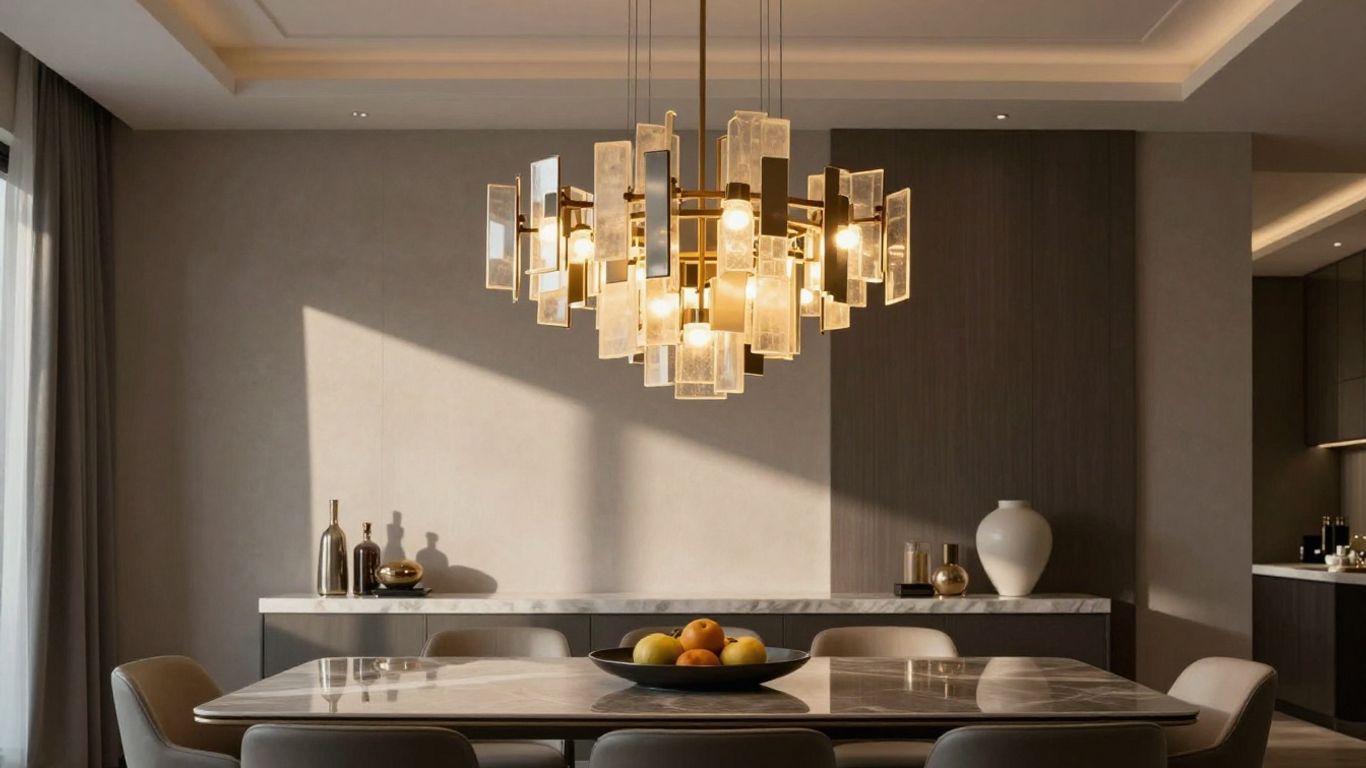
Picking out a chandelier is exciting, but getting the size and scale wrong can really throw off the whole vibe of your dining room. It's not just about picking the prettiest one; it's about finding one that fits your space like a glove. A chandelier that's too big can feel like it's taking over the room, while one that's too small can just get lost and look a bit sad.
Proportionality to Your Dining Table
This is probably the most important rule to get right. Think of your dining table as the anchor, and the chandelier as the crown. They need to look good together. A good starting point is to measure the width of your dining table. Then, aim for a chandelier that's about half to two-thirds of that width. For example, if your table is 40 inches wide, a chandelier with a diameter between 20 and 27 inches would likely be a good fit. This ensures the light fixture doesn't overpower the table or look like an afterthought. For round tables, a round chandelier often looks best, and for rectangular tables, a rectangular or oval fixture usually does the trick. It's all about creating that visual harmony.
Considering Room Dimensions
While the table is key, don't forget the room itself. A chandelier that's perfect for a table in a huge, open-plan space might look cramped in a smaller, more intimate dining nook. A general rule for width is to add the length and width of your dining room in feet, and then convert that number to inches. This gives you a ballpark figure for the maximum diameter of your chandelier. So, if your dining room is 10 feet by 12 feet, adding those together gives you 22. That suggests a chandelier around 22 inches in diameter might work well. This helps prevent the chandelier from feeling too big or too small for the overall area.
Avoiding Overwhelm or Disconnection
Getting the scale right means the chandelier feels like a natural part of the room, not something that was just dropped in. You want it to draw the eye and create a focal point, but not in a way that makes people feel uncomfortable or like they have to crane their necks. If a chandelier is too low, it can feel imposing and even get in the way of conversation. If it's too high, it can feel disconnected from the dining experience, like it's just a light source floating aimlessly. The goal is a balanced look where the chandelier complements the table and the room, making the whole space feel more inviting and complete. Finding that sweet spot is what makes a dining room truly shine.
The right-sized chandelier acts as a visual anchor, grounding the dining space and creating a sense of intentional design. It should feel present and impactful without dominating the room or obstructing the view of your guests.
Here's a quick reference for table and chandelier proportions:
| Table Shape | Recommended Chandelier Shape | Size Guideline (Diameter) |
|---|---|---|
| Rectangular | Rectangular/Oval | 1/2 to 2/3 width of the table |
| Round | Round | 1/2 to 2/3 diameter of the table |
| Square | Round/Square | 1/2 to 2/3 width of the table |
Remember, these are starting points. Always consider your specific table and room dimensions. For instance, a long, narrow table might benefit from a linear chandelier, while a small, intimate table might need a more delicate fixture. It's about finding that perfect visual balance that makes your dining area feel just right.
Material and Finish Considerations
When you're picking out a chandelier for your dining room, the materials and finishes it's made from really matter. They don't just affect how it looks; they also play a big part in how it fits with the rest of your decor. Think about what vibe you're going for. Do you want something super modern and sleek, or maybe a bit more classic with a touch of sparkle? The choices you make here can totally change the feel of your space.
Popular Metal Finishes for Modern Designs
Metals are a go-to for contemporary chandeliers, and for good reason. They offer a clean, sophisticated look that works with a lot of different styles. You've got your classic choices, of course, but there are some modern twists too.
- Brushed Nickel/Stainless Steel: This finish has a soft, matte look that's really forgiving with fingerprints and smudges. It’s a great neutral that pairs well with almost anything.
- Matte Black: Super popular right now, matte black offers a bold, graphic statement. It’s perfect for creating a dramatic focal point, especially against lighter walls.
- Polished Chrome: For a brighter, more reflective look, polished chrome is the way to go. It bounces light around and can make a space feel a bit more open and airy.
- Brass (various finishes): While brass has been around forever, modern takes often feature brushed or antique finishes that feel less flashy and more grounded. It adds a touch of warmth and luxury.
The right metal finish can tie the room together and enhance its overall aesthetic.
The Enduring Appeal of Crystal Accents
Crystal might sound old-fashioned, but modern chandeliers often use it in really fresh ways. Instead of big, ornate drops, think clean-lined crystal elements or geometric shapes. These accents catch the light beautifully, adding a bit of glamour without feeling over the top. They can really make a simple fixture feel special. If you're looking for a way to add a bit of sparkle, a chandelier with subtle crystal details is a fantastic option. You can find some really beautiful modern pieces that incorporate these elements, like those found in a curated collection of modern chandeliers and pendant lights designed to elevate your dining spaces.
Exploring Unique Material Combinations
Don't feel limited to just metal or crystal. Designers are getting creative with how they mix materials. You might see a chandelier that combines a sleek metal frame with wood accents, or perhaps glass elements in unexpected shapes. These combinations can add a lot of personality and visual interest.
Sometimes, the most striking designs come from unexpected pairings. Think about a matte black frame paired with clear glass globes, or a brushed brass fixture that incorporates natural wood details. These mixes can give your dining room a unique character that feels personal and thoughtfully put together.
When you're choosing, consider how the materials will interact with the light. Some materials diffuse light softly, while others reflect it brightly. It's all part of creating the mood you want for your dining area. Popular choices like gold, black, brass, and chrome should complement the existing elements in your dining space and tie the room together. Ultimately, the best material and finish are the ones that speak to your personal style and make your dining room feel just right.
Enhancing Ambiance with Dimmers and Bulbs
So, you've picked out the perfect chandelier, and it looks amazing. But how do you make sure it actually feels right for every occasion? It's all about the controls and the light itself. Think of it like this: the chandelier is the instrument, but dimmers and the right bulbs are the musicians who play it.
The Importance of Dimmable Controls
Honestly, a dining room chandelier without a dimmer is like a car without a gas pedal – it's got potential, but you're stuck at one speed. Being able to adjust the light intensity is probably the single biggest factor in transforming your dining space from functional to fabulous. You can go from bright, clear light for homework or crafting at the table to a soft, warm glow for a romantic dinner, all with a simple flick or slide. It really makes the room adaptable.
Here's a quick rundown of why dimmers are a game-changer:
- Versatility: One fixture, multiple moods. Bright for tasks, dim for ambiance.
- Energy Savings: Lowering the light output also uses less electricity.
- Extended Bulb Life: Dimming can sometimes help bulbs last longer.
- Customization: You can fine-tune the exact level of light you need.
Relying on just one type of lighting, like a single bright overhead fixture, can make a room feel flat. Layering your lighting, with dimmers on each layer, gives you so much more control over the atmosphere. It's about creating depth and interest.
Selecting Bulb Types for Warmth and Efficiency
Okay, so you've got the dimmer. Now, what kind of bulbs are you putting in there? This matters a lot. You'll see terms like Kelvin (K) for color temperature and Lumens (lm) for brightness. For a dining room, you generally want something that feels inviting.
- Color Temperature (Kelvin): Look for bulbs in the 2700K to 3000K range. This is considered
Wrapping It Up
So, picking out a chandelier for your dining room isn't just about picking a light. It's about finding that perfect piece that makes the whole room feel right. We've talked about different styles, from fancy crystal ones to simple modern designs, and how to make sure it hangs just right. Don't stress too much about it, though. Think about what you like and what fits your space, and you'll find something great. A good light fixture can really make a difference, turning your dining area into a spot you'll love spending time in, whether it's for a quick weeknight dinner or a big get-together.
Frequently Asked Questions
How high should I hang a chandelier above my dining table?
The best height for hanging a chandelier above your dining table is usually between 30 and 36 inches from the tabletop to the bottom of the fixture. If your ceiling is higher than 8 feet, add about 3 inches for every extra foot of ceiling height.
What size chandelier works best for my dining room?
To pick the right size, add the length and width of your dining room in feet, then use that number in inches for the chandelier’s diameter. For example, if your room is 10 by 12 feet, a chandelier that’s about 22 inches wide is a good fit.
Can I use LED bulbs in my chandelier?
Yes, you can use LED bulbs in most modern chandeliers. LEDs are energy-saving, last a long time, and come in different brightness and color options, so you can set the mood you like.
How do I match my chandelier with my dining room style?
Choose a chandelier that fits with your room’s colors and furniture. For a modern look, pick one with clean lines and simple shapes. If your room is more classic, a chandelier with crystal or curved metal might work better.
Is it important to have a dimmer switch for my chandelier?
Yes, a dimmer switch is a great idea. It lets you control how bright or soft the light is, which helps create the right mood for family dinners or parties.
What materials are popular for contemporary chandeliers?
Modern chandeliers often use metals like brushed nickel, chrome, or black finishes. Some also include glass, crystal, or even wood for a unique touch. Mixing materials can make your chandelier stand out and match your decor.


Leave a comment