




Elevate Your Space: Choosing the Perfect Small Living Room Chandelier
So, you've got a smaller living room and you're thinking about a chandelier. It sounds fancy, right? Maybe a little intimidating for a compact space. But honestly, a small living room chandelier can totally change the vibe of your place, making it feel more put-together and stylish. It’s not just about looks, though. Getting the right size and style is key so it doesn't feel like it's taking over the whole room. Let's figure out how to pick one that works perfectly for your space.
Key Takeaways
- Picking the right small living room chandelier is about more than just looks; it needs to fit the room's size and style.
- Measure your room first! Add the length and width in feet, then use that number in inches for the chandelier's diameter.
- Think about your ceiling height. Too low, and it'll feel cramped. Too high, and it might get lost.
- Consider the light it gives off. You want enough light, but not so much that it's blinding or creates glare.
- Don't forget about other lights. A chandelier works best when it's part of a lighting plan, not the only light source.
Understanding The Role Of A Small Living Room Chandelier
The Allure And Challenge Of Living Room Chandeliers
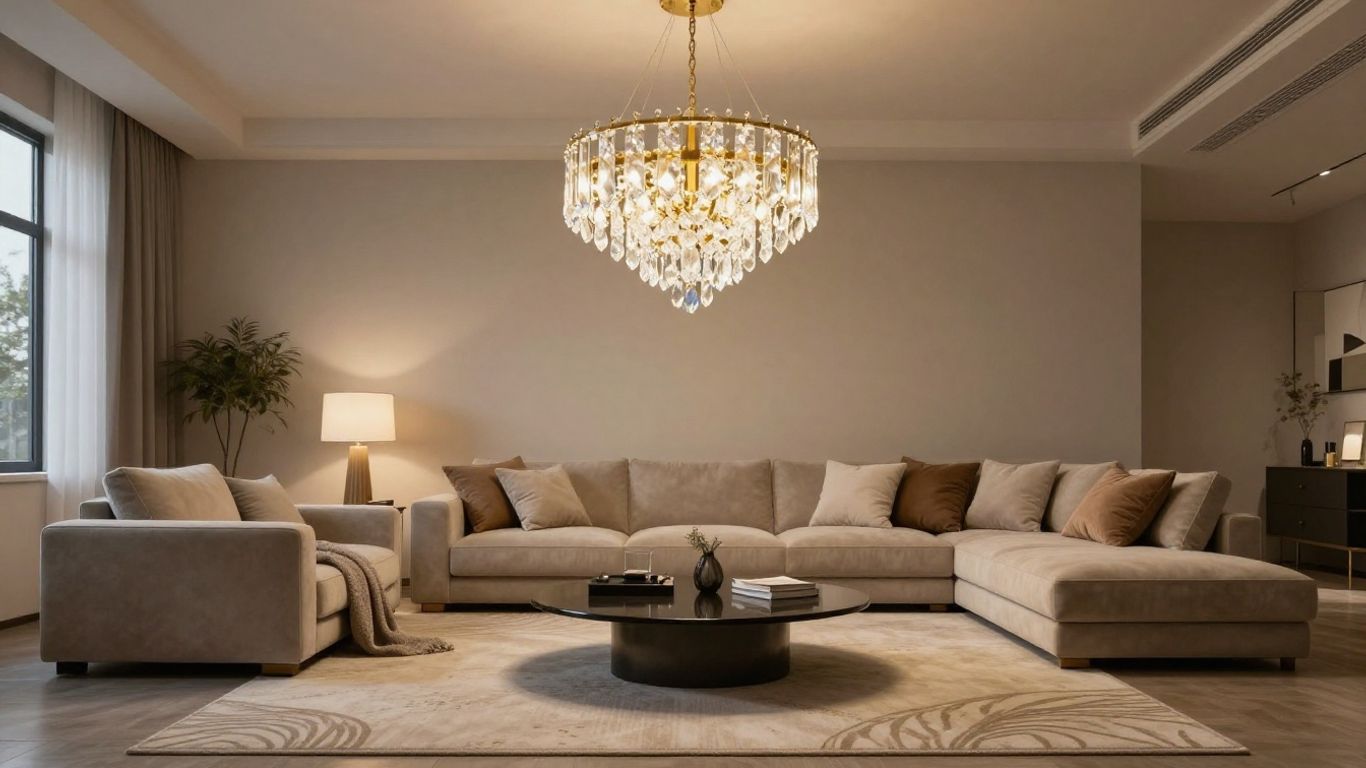
A chandelier in the living room is often seen as the main event, the piece that really pulls everything together. It's more than just a light source; it's a statement piece that can totally change the feel of a room. Think of it as the jewelry for your space. But, let's be real, picking the right one can feel like a puzzle. There are so many styles, finishes, and sizes out there, it's easy to get lost.
The goal is to find a fixture that looks amazing while also doing its job of lighting up the room properly. It needs to fit with your furniture and the overall vibe you're going for. It's not just about picking something pretty; it's about making sure it works for your specific living room. Getting this right means your chandelier will add charm and function, not just hang there.
Elevating Ambiance And Functionality
When you're thinking about a chandelier for a smaller living room, it's got to do double duty. It needs to set a mood, making the space feel cozy and inviting, but it also has to provide enough light for everyday activities. You don't want a fixture that's so dim it makes reading impossible, nor one that's so bright it feels like an interrogation room.
Here’s a quick breakdown of what a good chandelier brings to the table:
- Ambiance: It can create a warm, inviting glow, making your living room feel more comfortable and stylish.
- Focal Point: A well-chosen chandelier draws the eye, acting as a central design element that anchors the room.
- Functionality: It provides general illumination, making the space usable for various activities.
- Style Statement: It reflects your personal taste and can tie together the room's decor.
Choosing a chandelier isn't just about aesthetics; it's about how the light feels and how the fixture fits into the daily life of your home. It should make your living room feel better, both to look at and to be in.
Finding the perfect chandelier can feel like a big task, but it's worth it. You can find some really great options that are designed specifically for smaller spaces, offering a big impact without overwhelming the room. Check out some living room chandelier ideas to get inspired.
Mastering Scale And Proportion For Your Space
Picking out a chandelier for your living room can feel like a big decision, right? It's not just about how pretty it looks; it's got to fit the room. A chandelier that's way too big can make your space feel cramped and awkward, while one that's too small just kind of disappears, looking a bit sad and lost. Getting the size and scale right is super important for making your room feel balanced and put-together.
Finding The Right Size And Scale
So, how do you figure out the right size? It's not as complicated as it sounds. A good rule of thumb is to measure your living room. Add the length and width of the room together in feet. Whatever number you get, that's roughly the diameter your chandelier should be in inches. For example, if your living room is 12 feet by 16 feet, that adds up to 28. So, a chandelier around 28 inches in diameter would likely be a good fit. This simple calculation helps make sure the fixture feels like it belongs there, not like it's taking over or hiding.
Calculating The Ideal Chandelier Diameter
Let's get a bit more specific with the diameter. While the room measurement trick is a great starting point, you also need to think about what's in the room. If you have a large coffee table or a significant seating arrangement, you want the chandelier to relate to that. A common guideline suggests the chandelier's diameter should be about two-thirds the width of the furniture it's hanging over. This helps create a visual connection and ensures neither the furniture nor the light fixture overpowers the other. For instance, if your coffee table is 4 feet wide, a chandelier around 32 inches in diameter would work well.
Considering Ceiling Height And Furniture Alignment
Ceiling height is another big factor. For standard 8-foot ceilings, you generally want the bottom of the chandelier to hang about 7 feet from the floor. This keeps it out of the way and prevents it from making the room feel shorter. If you have higher ceilings, you can add about 3 inches for every extra foot of ceiling height. This ensures the chandelier hangs at a visually pleasing level and doesn't get lost way up high. It's all about making sure the light fixture feels like it's part of the room's architecture, not just an afterthought.
Getting the scale right means the chandelier becomes a natural focal point, drawing the eye without being jarring. It should feel substantial enough to anchor the space but not so large that it overwhelms the furniture or makes the ceiling feel lower than it is.
Here's a quick rundown to help you remember:
- Room Measurement Method: Add room length and width (in feet) for approximate chandelier diameter (in inches).
- Furniture Alignment: Aim for a chandelier diameter that's about 2/3 the width of the main furniture piece below it (like a coffee table).
- Ceiling Height Adjustment: For standard 8-foot ceilings, hang the bottom of the fixture 7 feet from the floor. Add 3 inches per extra foot of ceiling height.
Remember, these are guidelines, not strict rules. Sometimes, you might want a slightly larger or smaller fixture depending on the overall design and feel you're going for. It's about finding that sweet spot where the chandelier looks just right.
Exploring Styles And Finishes
Picking out a chandelier isn't just about size; it's also about making sure it fits the vibe of your living room. Think about the overall look you're going for. Are you into that super clean, modern look, or do you prefer something a bit more classic and cozy? The style and finish of your chandelier can really tie everything together.
Modern Trends In Living Room Chandeliers
Today's modern chandeliers often feature clean lines and simple shapes. They're all about understated elegance. You'll see a lot of geometric designs, open frames, and fixtures that look almost sculptural. These pieces are designed to be a focal point without being too fussy. They work great in spaces that already have a contemporary feel, adding a touch of sophistication. For a truly modern living space, consider fixtures with brushed gold and brass finishes that complement natural materials, or go for a bold matte black for a striking statement.
Material And Finish Considerations
The finish you choose can make a big difference. Chrome and nickel tend to give off a cool, modern vibe, while bronze or brass can feel warmer and more traditional. Matte black is a popular choice right now because it's so versatile and makes a strong visual impact. It's a good idea to have your chandelier's finish play nicely with other metal elements in the room, like your furniture hardware or other light fixtures. This helps create a sense of harmony.
Here's a quick look at some popular finishes:
- Chrome/Nickel: Cool, sleek, and modern. Great for contemporary or minimalist rooms.
- Brass/Gold (Brushed or Polished): Warm, classic, and can lean modern or traditional depending on the style.
- Bronze/Oil-Rubbed Bronze: Rich, deep tones that work well in transitional or rustic settings.
- Matte Black: Bold, graphic, and surprisingly versatile. Fits modern, industrial, and even some transitional styles.
When selecting a finish, think about the other metals in your room. You don't need everything to match exactly, but having finishes that complement each other will make the space feel more put-together and intentional. It's all about creating a cohesive look.
Minimalist Designs For Compact Areas
If your living room is on the smaller side, you don't want a chandelier that overwhelms the space. Minimalist designs are perfect for this. Think simple pendants, drum shades, or fixtures with open, airy frames. These types of lights provide illumination without taking up too much visual real estate. They offer a soft glow and can still be a stylish addition to your room. Sometimes, a single, well-chosen pendant light can be just as effective as a larger, more elaborate fixture in a small living room.
Illuminating Your Living Room Effectively
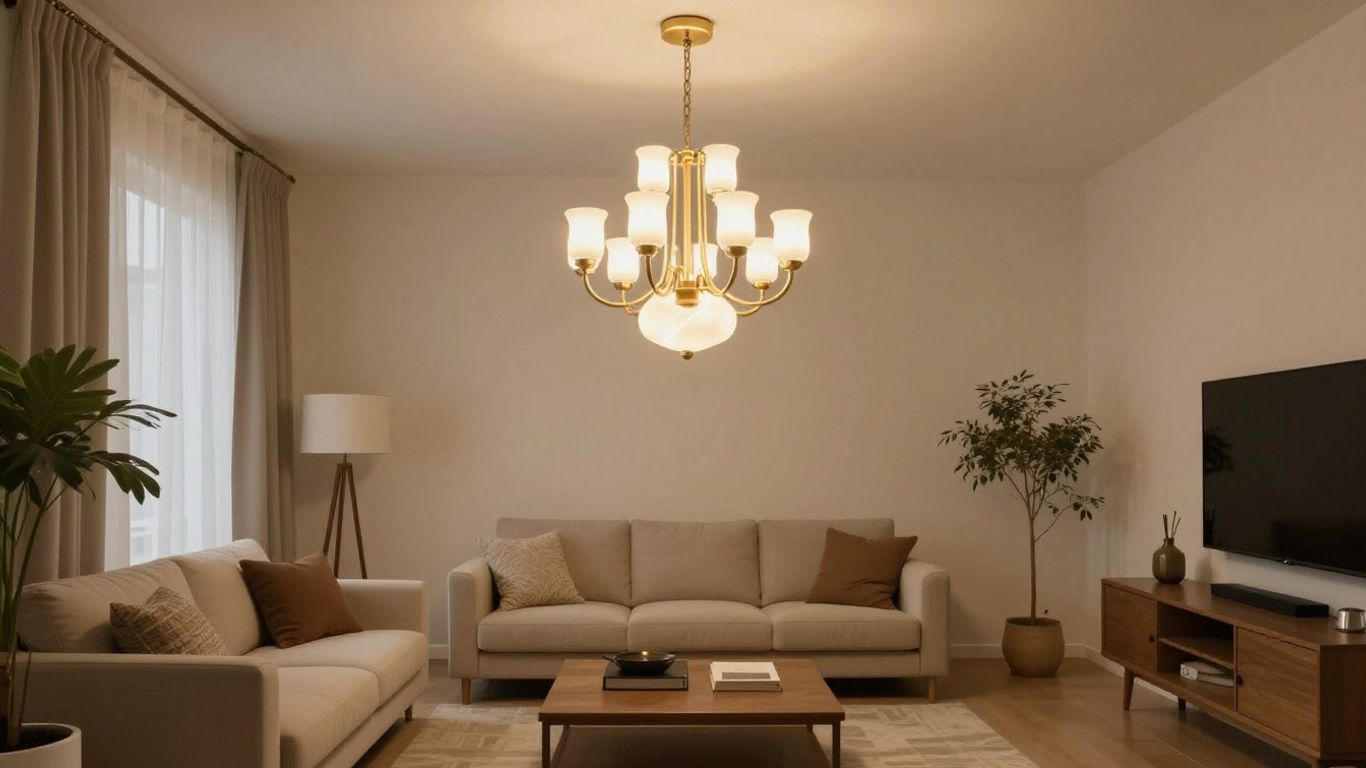
Getting the lighting right in your small living room is more than just screwing in a bulb. It's about making the space feel good, whether you're reading a book or having friends over. A chandelier is a big part of this, but it needs help from other lights to really shine.
Light Direction: Glitter Versus Glare
Think about where the light from your chandelier actually goes. Some lights send light straight down, which can be nice for a table but might be too much for a general living area. Others spread light upwards and outwards, bouncing off the ceiling for a softer, more even glow. This is usually better for the main light in a living room. You don't want to be squinting every time you look up, right? The goal is a pleasant, diffused light that makes the whole room feel welcoming, not like you're under a spotlight. For a small space, a fixture that directs light upwards can make the ceiling seem higher, which is a nice trick.
Choosing the Right Light Bulbs
This is where things can get a little technical, but it's important. Bulbs have different color temperatures, measured in Kelvin (K). For a cozy living room vibe, you'll want bulbs that are around 2700K to 3000K. This gives off a warm, yellowish light, similar to old incandescent bulbs, which feels really inviting. If you need brighter light for reading or hobbies, you might use a slightly higher Kelvin bulb (like 3500K) in a specific task lamp, but for the main chandelier, warm is usually the way to go. Also, consider the brightness, or lumens. You don't need a super high lumen count for a small living room chandelier; too much light can feel harsh. It's better to layer your lighting, as we'll discuss later.
- Warm White (2700K-3000K): Best for creating a cozy, relaxing atmosphere. Ideal for ambient lighting from your chandelier.
- Neutral White (3500K-4100K): A good balance between warm and cool. Useful for task lighting where clarity is needed.
- Cool White/Daylight (5000K+): Mimics natural daylight. Generally too stark for a living room's main light, but can be used for specific task areas if needed.
The Importance of Dimmers and Smart Controls
Seriously, put a dimmer on your chandelier. It's a game-changer. You can go from bright and airy during the day to soft and moody in the evening, all with the flick of a switch or a tap on your phone. This flexibility means your chandelier isn't just one-note; it can adapt to whatever you're doing. Smart bulbs and controls take this even further, letting you set schedules, change colors (though stick to warm tones for living rooms!), and control everything remotely. It makes managing your living room lighting so much easier and adds a touch of modern convenience that feels pretty great.
Lighting is like makeup for your room. You can use it to highlight the best features and soften any less-than-perfect spots. A well-lit room just feels more put-together and comfortable, no matter its size. It’s about creating a mood that works for you.
Remember, the chandelier is the star, but it needs a good supporting cast. Think about how its light interacts with the rest of the room and how you can adjust it to fit your life. Getting this right makes a huge difference in how your small living room feels.
Integrating Your Chandelier With Layered Lighting
So, you’ve picked out the perfect chandelier for your small living room. That’s awesome! But here’s the thing: a chandelier, no matter how stunning, usually isn't enough on its own to make your space feel truly comfortable and functional. Think of it like this: your chandelier is the star of the show, but it needs a solid supporting cast to really shine.
Complementing Your Chandelier With Other Fixtures
This is where layered lighting comes in. It’s all about mixing different types of light sources to create a balanced and inviting atmosphere. Your chandelier provides that main overhead glow, but you’ll want to add other lights to fill in the gaps and create different moods.
- Task Lighting: These are lights meant for specific activities. Think reading lamps next to your favorite armchair or a small lamp on an end table where you might jot down notes. They give you focused light when you need it.
- Ambient Lighting: While your chandelier contributes to this, you can also add softer ambient light with wall sconces or even some well-placed floor lamps. This light fills the room gently.
- Accent Lighting: This is for highlighting specific features, like artwork or a cool architectural detail. Small spotlights or picture lights can do the trick.
The goal is to avoid harsh shadows and create a warm, welcoming environment.
Creating a Balanced Lighting Scheme
Getting the balance right is key. You don't want one type of light overpowering the others. A good starting point is to think about how you use your living room throughout the day and evening. For instance, if you often have guests over, you'll want brighter, more general light. But for a quiet night in, you might want to dim everything down and rely more on softer, warmer sources.
A common mistake is relying solely on a single overhead fixture. This can make a room feel flat and uninviting, especially in the evening. Layering light adds depth and dimension, making your space feel more dynamic and comfortable.
Defining Zones In Open-Concept Spaces
If your living room flows into other areas, like a dining room or kitchen, lighting can help define those different zones. Your chandelier might anchor the main living area, while pendant lights over a dining table or task lighting in the kitchen create visual separation. This helps make the whole space feel more organized and intentional. You can even use different color temperatures of bulbs to subtly differentiate areas. For example, a slightly warmer bulb in the living area and a cooler one in a workspace can help signal different functions without physical walls. This approach to living room lighting ideas can make a big difference in how your home feels.
Wrapping It Up
So, picking out a chandelier for your living room doesn't have to be a huge headache. It’s really about finding that sweet spot where it looks good, does its job lighting-wise, and just feels right for your space. Remember those simple size rules, think about the kind of light you want, and don't forget how the finish will look with everything else. When you get it right, that chandelier becomes more than just a light – it’s a real statement piece that makes your whole room feel more put-together and welcoming. Go ahead and find that perfect fixture; your living room will thank you for it.
Frequently Asked Questions
How do I pick the right size chandelier for my living room?
It's pretty simple! Measure your living room's length and width in feet. Add those two numbers together. Then, use that total number as the ideal diameter for your chandelier in inches. For example, if your room is 10 feet by 12 feet, add 10 + 12 to get 22. So, a chandelier around 22 inches wide would probably look great.
Can a chandelier be the only light in my living room?
While a chandelier is a star, it's usually best to have other lights too. Think of it like layers! You can add wall lights, floor lamps, or ceiling lights to make sure every corner is lit nicely and to create different moods. This helps avoid dark spots and makes the room feel more complete.
What are the most popular styles for modern living rooms?
For a modern look, simple and clean styles are popular. Think about chandeliers with sleek metal finishes like matte black, brushed nickel, or brass. Geometric shapes and designs that aren't too fussy usually work best. Sometimes, mixing materials like metal and wood can also add a cool, updated feel.
Should I use a dimmer switch with my chandelier?
Yes, definitely! A dimmer switch is a fantastic idea. It lets you change how bright the light is. You can make it super bright for when you have guests or dim it down for a cozy movie night. Just make sure the chandelier you choose works with a dimmer.
How high should I hang my living room chandelier?
For a standard 8-foot ceiling, the bottom of the chandelier should hang about 7 feet from the floor. If your ceiling is higher, you can hang it a bit lower, adding about 3 inches for every extra foot of ceiling height. You also want to make sure it's not too low over a coffee table, usually about 30-36 inches above it.
Are LED bulbs good for chandeliers?
Absolutely! LED bulbs are a great choice for modern chandeliers. They last a really long time, use less electricity, and come in different light colors, like warm white, which makes a room feel cozy. Many smart bulbs are also LEDs, giving you even more control.


Leave a comment