




Elevate Your Space: Choosing the Perfect Small Chandeliers for Your Living Room
Picking out the right light fixture for your living room can be a little tricky, right? Especially when you're looking at those fancy chandeliers. They can totally change the vibe of a room, making it feel more put-together and stylish. But with so many options out there, how do you choose one that actually fits your space? We're going to look at how to pick the perfect small chandeliers for living room, making sure it looks just right, not too big, not too small, and totally matches your style.
Key Takeaways
- When picking small chandeliers for living room, think about the room's size and ceiling height. A general rule is to add the room's length and width in feet, then convert that number to inches for the chandelier's diameter.
- Match the chandelier's style to your living room's decor. Modern rooms look good with sleek designs, while rustic spaces suit wood or iron fixtures.
- Consider the materials and finishes. Crystal adds sparkle, metal offers various looks from modern to classic, and glass can make a space feel airy.
- Think about how the chandelier will light up the room. Using dimmers and pairing it with other lights like lamps can create a nice atmosphere.
- LED bulbs are a smart choice for energy efficiency and longevity, and choosing the right color temperature (like warm white for living rooms) makes a big difference in ambiance.
Understanding Scale and Proportion for Small Chandeliers
Selecting a small chandelier that feels just right in your living room isn't about picking the prettiest sparkly thing—it’s about finding the one that matches the room’s size, shape, and the stuff inside it. If a chandelier looks out of place, too big, too tiny, or awkwardly high, it won’t matter how cool the design is. Here’s how to get the scale and proportion just right.
Calculating the Ideal Chandelier Diameter
You don’t need to overthink this step. The classic formula is simple:
- Measure your room's length and width in feet.
- Add those two numbers together.
- The sum in inches gives you a great starting point for the chandelier's diameter.
| Room Size (ft) | Chandelier Diameter (in) |
|---|---|
| 12 x 14 | 26 |
| 15 x 18 | 33 |
| 10 x 10 | 20 |
Say your living room is 15 by 18 feet—add the numbers, and you get 33. A chandelier about 33 inches wide should look right balanced above your space. This approach is similar to how you’d choose the right chandelier size for a dining area, which you can read more about in this quick chandelier sizing tip.
Considering Ceiling Height and Drop Length
Height isn’t just a detail—it’s a game changer. Here's what works:
- Standard ceiling (8 feet): Hang the bottom of your chandelier about 7 feet above the floor.
- High ceilings (over 9 feet): Consider a longer drop, but keep at least 7 feet of clearance.
- For rooms with very tall ceilings, slightly increase the fixture’s size for visual balance.
If there's a table or coffee table below, you can sometimes cheat a little and hang it lower, but nobody wants a forehead vs. crystal collision.
Balancing Fixture Size with Furniture
The chandelier shouldn’t just match the room—it needs to play nice with the furniture, too.
- Position it centered over a seating area or coffee table for best effect.
- If placing over furniture, the chandelier's width should be about half to two-thirds that of the table below.
- Avoid tiny fixtures in big rooms or overwhelming pendants above small groupings.
When a small chandelier is the right scale for your living room, it quietly supports the space, making it feel more put together and comfortable—never thrown off-kilter or cramped.
Getting scale and proportion right makes your chandelier look like it was meant to be there, not like a last-minute add-on.
Selecting Chandelier Styles to Complement Your Decor
So, you've figured out the size and scale, which is a big deal. Now comes the fun part: picking a style that actually looks good with everything else in your living room. It’s not just about throwing up a light fixture; it’s about making it a part of your home’s personality. Think of it like choosing an outfit – it needs to fit the occasion and the wearer.
Modern and Minimalist Designs
If your living room is all clean lines and uncluttered surfaces, a modern chandelier is probably your best bet. These fixtures often feature simple geometric shapes, sleek metal finishes like brushed nickel or chrome, and sometimes glass accents. They don't scream for attention but add a sophisticated touch. The goal here is understated elegance. They're great for making a space feel current without being trendy. You can find some really neat mini chandelier styles that pack a punch without taking up too much visual real estate.
Classic and Traditional Elegance
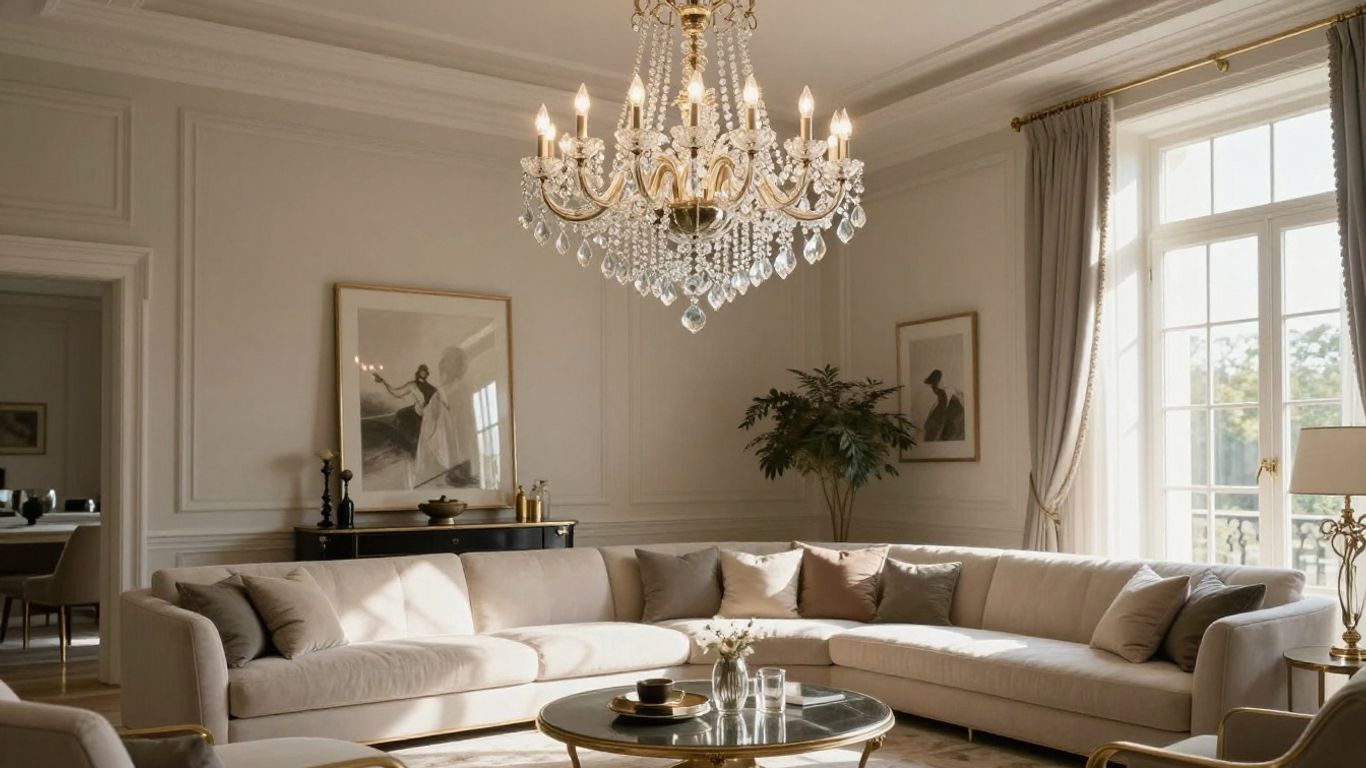
Got a more formal or timeless living room? Classic chandeliers are where it's at. We're talking about those beautiful pieces with intricate details, often made with crystal or featuring antique brass or bronze finishes. They add a sense of grandeur and can really be the star of the show. These are the kinds of fixtures that make a room feel a bit more special, perfect for when you want that touch of old-world charm.
Rustic and Farmhouse Charm
For a cozier vibe, especially if your decor leans towards natural materials and a more relaxed feel, rustic or farmhouse chandeliers are a fantastic choice. Think wood elements, wrought iron, or distressed finishes. These chandeliers bring warmth and character, making your living room feel more inviting. They pair really well with natural textures and colors, creating a comfortable, lived-in atmosphere.
Eclectic and Unique Statements
If your style is a bit of everything, or you just love a statement piece, then an eclectic chandelier might be perfect. This is where you can really play with mixed materials, bold colors, or unusual shapes. Don't be afraid to go a little unconventional here. It’s all about finding something that reflects your unique taste and adds a surprising element to your room. It’s a great way to show off your personality.
Choosing a chandelier style isn't just about following trends. It's about finding a piece that harmonizes with your existing furniture, color palette, and overall home aesthetic. Consider how the fixture will interact with other elements in the room, like your wall color or upholstery, to create a cohesive look.
Here’s a quick rundown to help you decide:
- Modern: Clean lines, metal, glass, minimalist.
- Traditional: Ornate details, crystal, antique finishes.
- Rustic/Farmhouse: Natural materials (wood, iron), distressed finishes.
- Eclectic: Unique designs, mixed materials, bold statements.
Materials and Finishes for a Polished Look
The stuff your chandelier is made of and how it looks really matters. It's not just about the shape; it's about the vibe it gives off. Think about what you want your living room to feel like – fancy, cozy, or maybe a bit edgy? The materials and finishes are key players in making that happen.
The Glamour of Crystal Accents
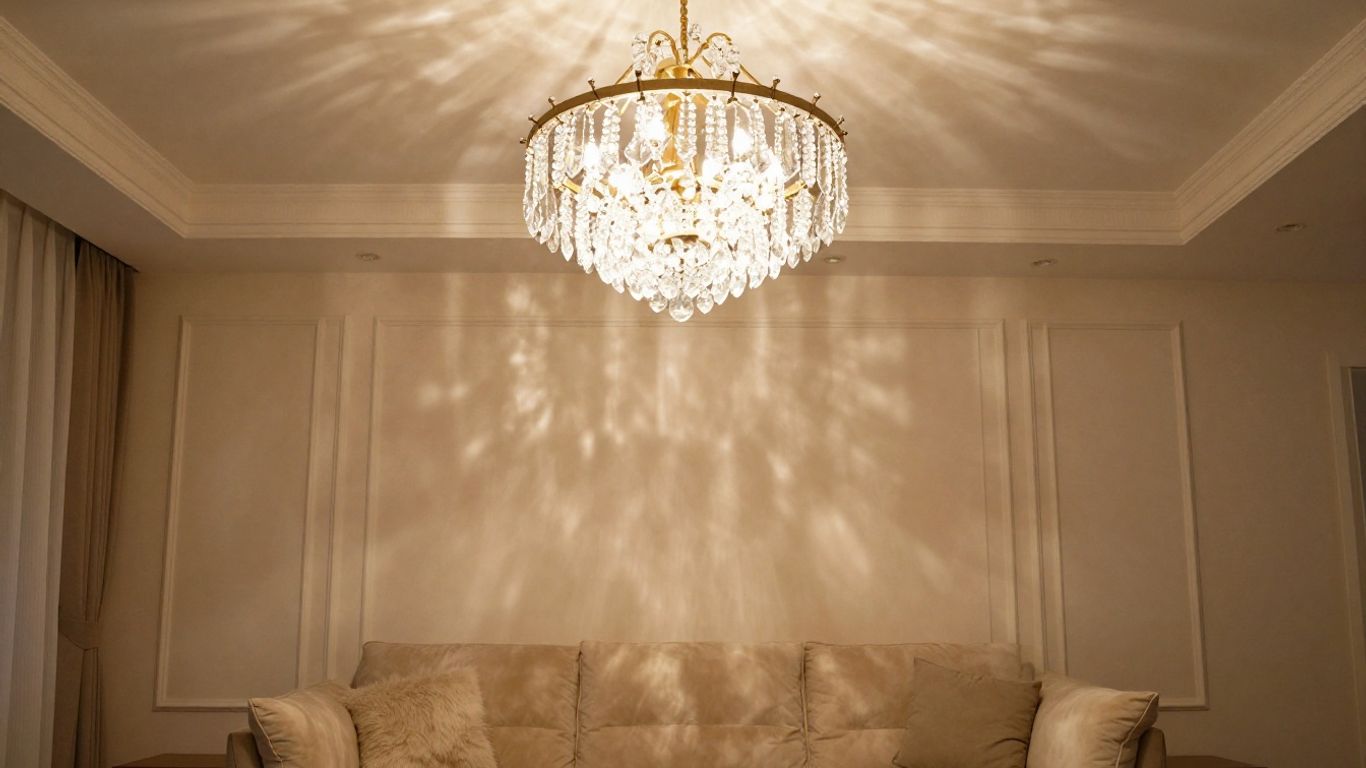
Crystal is pretty much the go-to for that extra sparkle. When light hits crystal, it bounces around and creates this dazzling effect. It’s like adding jewelry to your room. For a small living room, you don't need a giant crystal ball hanging down, but a few well-placed crystal elements can make a big difference. They catch the light and make the whole space feel brighter and more luxurious. It’s a classic choice that really makes a statement.
Sleek Metal Finishes
Metal finishes offer a lot of variety. You can go for something super modern and clean, or something with a bit more character. Think about brushed nickel or polished chrome for a contemporary feel. These tend to look really sharp and work well with modern living room chandeliers that have simple lines. On the other hand, finishes like oil-rubbed bronze or antique brass can bring in a warmer, more traditional or rustic feel. These metals can add a nice bit of texture and depth.
Here’s a quick look at some popular metal finishes:
- Brushed Nickel/Chrome: Cool, clean, and modern.
- Matte Black: Graphic, versatile, and works with many styles.
- Oil-Rubbed Bronze: Warm, classic, and a bit rustic.
- Antique Brass: Vintage feel, adds warmth.
The Airy Feel of Glass Elements
Glass is another material that can really change the mood. Clear glass can make a fixture feel light and open, almost disappearing into the background while still providing light. Frosted or seeded glass, though, can diffuse the light more softly, creating a gentler glow. This is great if you want a more relaxed atmosphere. You can even find glass in different colors or textures, which adds another layer of visual interest. It’s a good way to get a lot of light without making the fixture feel too heavy or overpowering in a smaller space. Some designs even use acrylic sheets for a similar effect, offering a modern twist.
Choosing the right material and finish is like picking the right outfit for your room. It needs to fit the occasion and make the whole look come together. Don't be afraid to mix and match finishes if done thoughtfully, but usually, sticking to a cohesive palette works best for a polished look.
When you're picking out your chandelier, think about the other metal accents in your room – like your drawer pulls, lamp bases, or even picture frames. Trying to match or complement these can help tie everything together. It’s these little details that make a space feel really put together.
Maximizing Light Distribution and Ambiance
Getting your living room lighting right is about more than just picking a nice fixture. The secret is layering different light sources and paying attention to how light falls and fills the room. Small chandeliers can set a tone, but they shouldn't be your only light source.
Choosing Bulbs for Optimal Brightness
The bulb you pick will decide whether your chandelier gives off a cozy glow or turns the whole room into a spotlight. Here’s what you need to know:
- Warm white bulbs (2700K-3000K) are best for living rooms. They make people and furniture look their best.
- For overall comfort, avoid bulbs labeled 'daylight' or 'cool white'—those are for workspaces.
- If your fixture allows, choose bulbs with a frosted finish to cut glare. That way, people won’t squint every time you turn on the light.
- Check how many lumens you’re getting; a small chandelier should give you enough light so the room doesn’t feel dark, but not so much that it’s glaring. Aim for around 800–1,600 lumens, depending on your room size.
| Bulb Type | Color Temp (Kelvin) | Best Use |
|---|---|---|
| Warm White LED | 2700K–3000K | Living/Family rooms |
| Cool White LED | 3500K–4100K | Kitchens/Offices |
| Daylight LED | 5000K+ | Garages/Task lighting |
The Role of Dimmers and Smart Controls
A dimmer switch is a game-changer for the living room. You don’t always want the same amount of light for movie night as you would for reading or having guests over. Smart lighting controls can do even more:
- Adjust light intensity with a simple touch or voice command.
- Schedule lighting scenes for different moods (relaxing evenings, daytime tasks).
- Save energy by dimming automatically when full light isn’t needed.
- Many small chandeliers work with smart bulbs, which makes upgrading super easy.
Sometimes you just want soft light to wind down after work, and other times you need things bright and clear—so installing dimmers is one of those little upgrades that really makes daily life nicer.
Layering Light with Complementary Fixtures
Relying only on a central fixture—no matter how pretty—isn’t the best move. Layer your light for depth and comfort:
- Add wall sconces at seated height to create warm pools of light and avoid dark corners.
- Use floor lamps for uplighting, especially in rooms that feel a little short on vertical space.
- Table lamps add a comforting glow and help balance any overhead shadows.
- If you’re stuck between pendants and chandeliers, check out how the direction of light from each can create a richer and more comfortable space.
By mixing different fixtures and playing with heights, your living room can feel flexible and welcoming—for movie nights, reading marathons, or just hanging out with family.
Energy Efficiency and Bulb Choices for Small Chandeliers
When you're picking out a small chandelier for your living room, thinking about how much energy it uses is a smart move. It's not just about saving a bit on your electricity bill, though that's nice. It's also about making more eco-friendly choices for your home. Choosing the right bulbs makes a big difference in both how your room looks and how much power you use.
The Benefits of LED Technology
LED bulbs are pretty much the go-to these days, and for good reason. They last way longer than those old incandescent bulbs, meaning you won't be up on a ladder changing them all the time. Plus, they sip electricity compared to older types. You can find them in all sorts of shapes and sizes now, so fitting them into your chandelier design isn't a problem.
- Longer Lifespan: Expect LEDs to last for thousands of hours, cutting down on replacement hassle.
- Less Power Use: They use significantly less energy, which is good for your wallet and the planet.
- Variety: Available in many styles to match your fixture.
Selecting the Right Color Temperature
Color temperature is all about the vibe the light gives off. It's measured in Kelvin (K).
| Temperature (K) | Description | Best For |
|---|---|---|
| 2700K - 3000K | Warm White | Cozy, inviting living room feel |
| 3500K - 4100K | Cool White | Brighter, more modern spaces |
| 5000K - 6500K | Daylight | Mimics natural light, good for tasks |
For a living room, you usually want something on the warmer side to create a comfortable atmosphere. If you're looking for brighter, more energizing light, cool white bulbs might be a better fit, especially in more contemporary settings.
Maintaining Energy Efficiency Over Time
Keeping your chandelier efficient isn't just about the bulbs you pick. Using dimmer switches is a great way to control brightness and save power when you don't need full illumination. It also lets you change the mood of the room easily. Cleaning your chandelier and bulbs regularly also helps them work their best and shine brighter. You might even look into smart bulbs that you can control from your phone, adding convenience and control over your lighting.
Making thoughtful choices about your lighting, from the type of bulbs to how you control them, can really impact your home's comfort and its energy footprint. It's a simple way to make your space look good while being mindful of resources.
Installation and Maintenance Considerations
So, you've picked out the perfect little chandelier for your living room. Awesome! But before you can sit back and admire your handiwork, there are a couple of important things to think about: getting it installed safely and keeping it looking good over time. It’s not super complicated, but paying attention to these details makes a big difference.
Ensuring Proper Support and Safety
First things first, that beautiful fixture needs to be hung securely. You don't want it coming down unexpectedly, right? Make sure the electrical box in your ceiling is rated to handle the weight of your chandelier. If you're unsure, or if your chandelier is on the heavier side, it's really best to get a professional electrician involved. They know how to properly secure it to a ceiling joist, which is way sturdier than just the drywall. It’s all about safety and making sure your new light fixture stays put.
Optimal Hanging Heights for Living Rooms
Where you hang it matters too. For a living room, you generally want the bottom of the chandelier to be about 7 feet off the floor. This height usually gives enough clearance for people to walk under without bumping their heads, and it helps spread the light nicely around the room. If you have really high ceilings, you might hang it a bit higher, but always keep that 7-foot mark in mind as a starting point. It’s about finding that sweet spot where it looks good and is practical.
Tips for Long-Term Chandelier Care
Once it's up and looking great, you'll want to keep it that way. Dusting it regularly is a good habit to get into – it stops grime from building up. For a deeper clean, especially if you have crystal accents, you'll want to turn off the power at the breaker first. Then, gently wipe down the parts. Different materials need different care, so check what's best for your specific chandelier. Keeping it clean not only makes it shine but also helps it last longer. Regular cleaning of chandelier crystals and metal components is essential to maintain their shine and enhance the ambiance of your space. This practice also contributes to the longevity of the chandelier. This guide provides comprehensive instructions for chandelier installation and maintenance. It emphasizes the importance of clearing the area beneath the hanging location to ensure a safe and spacious working environment before beginning the installation process.
Wrapping Up: Finding the Right Chandelier for Your Living Room
So, that's pretty much everything you need to know about picking a small chandelier for your living room. It might seem like a lot at first—thinking about size, style, brightness, and even how it fits with your furniture—but taking the time to get it right really pays off. A well-chosen chandelier isn't just another light; it can totally change the feel of your space and make it more welcoming. Don't stress about making it perfect. Sometimes, the best choice is the one that just feels right when you see it in your room. Try out different looks, pay attention to how the light works with your space, and don't be afraid to ask for help if you need it. In the end, your living room should feel comfortable and reflect your style, and the right chandelier can help make that happen.
Frequently Asked Questions
How do I know what size chandelier is right for my living room?
To figure out the best size, measure your living room's length and width in feet. Add those two numbers together. Then, change that total number to inches to get a good starting point for the chandelier's diameter. For example, if your room is 15 feet by 20 feet, a 35-inch wide chandelier would likely look great.
How high should I hang a chandelier in my living room?
A good rule of thumb is to hang the chandelier at least 7 feet above the floor. If you're hanging it over a coffee table or seating area, make sure there's enough space to walk around without bumping your head. For rooms with higher ceilings, you might hang it a bit higher to keep things looking balanced.
What's the difference between warm white and cool white bulbs for a chandelier?
Warm white bulbs (around 2700K-3000K) give off a cozy, yellowish light that's perfect for creating a relaxed feel in living rooms. Cool white bulbs (around 3500K-4100K) are brighter and have a bluer tone, making them feel more energetic and suitable for modern spaces.
Can I use a chandelier in a small living room?
Absolutely! Small living rooms can benefit greatly from smaller, more delicate chandeliers. The key is to choose a size that fits the space without overwhelming it. A well-proportioned small chandelier can add a lot of style and light.
What are the benefits of using LED bulbs in my chandelier?
LED bulbs are a smart choice because they use much less energy than old-fashioned bulbs, saving you money on your electricity bill. They also last a very long time, meaning you won't have to change them as often. Plus, they come in many different styles and colors.
Should I install a dimmer switch with my chandelier?
Yes, installing a dimmer switch is a great idea! It lets you control how bright the chandelier is, so you can create different moods for different occasions. You can make it brighter for when you need good light or dim it down for a cozy evening.


Leave a comment