




Elevate Your Space: Choosing the Perfect Modern Kitchen Ceiling Lights
Figuring out the right lights for your kitchen ceiling can feel like a lot. It’s not just about making things bright; it’s about how the light makes the whole room feel and how well you can actually use the space. We’re talking about kitchen ceiling lights modern styles here, so let's look at what works and what doesn't to make your kitchen look and feel its best.
Key Takeaways
- Think about different kinds of light: ambient for general brightness, task for work areas, and accent to highlight features. Layering these makes your kitchen more useful and stylish.
- Modern kitchen ceiling lights come in many forms, like sleek recessed lights for a clean look, statement pendants for flair, and simple flush mounts that work anywhere.
- When picking fixtures, check out the materials and finishes to make sure they fit your kitchen's style and will last. Also, think about how easy they are to clean.
- Energy efficiency is a big plus. Look for LED options, and consider smart lighting that lets you change brightness and color temperature.
- For smaller kitchens, choose lights that don't take up too much visual space and place them carefully to make the room feel bigger and more open.
Understanding Modern Kitchen Ceiling Lights
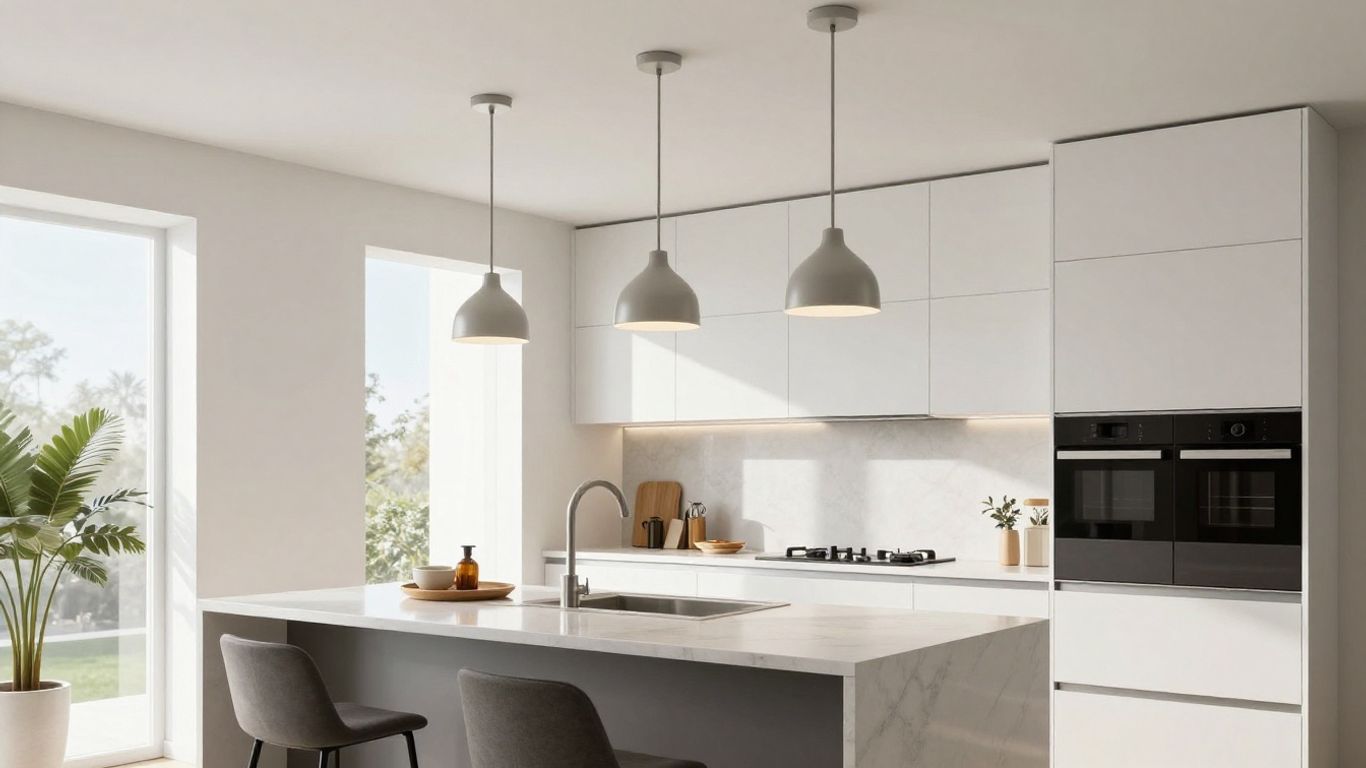
Lighting in your kitchen does more than just let you see. It really changes how the whole room feels and how well you can get things done. Think about it: trying to chop veggies in a dim room is a pain, right? Good lighting makes cooking safer and easier, and it can even make your kitchen look way more stylish. Getting the right lights takes a little thought, but it makes a big difference in how much you enjoy being in your kitchen.
The Crucial Role of Kitchen Lighting
Lighting is the backbone of a functional kitchen. It's not just about having one bright light overhead. You need different kinds of light for different jobs. Proper kitchen lighting impacts everything from food preparation safety to the overall mood of your home. It helps you see clearly when you're measuring ingredients, keeps you safe when using knives, and makes cleaning up less of a chore. Without good lighting, even the most beautiful kitchen can feel unwelcoming and difficult to use.
How Lighting Shapes Your Kitchen's Ambiance
Lighting has a huge effect on the vibe of your kitchen. Bright, cool lights can make a space feel energetic and clean, perfect for busy mornings. On the other hand, warmer, dimmer lights create a cozy atmosphere for evening meals or when you're just relaxing with a cup of tea. Layering different light sources is key here. You might have bright overhead lights for general illumination, softer lights under cabinets for task work, and maybe a decorative pendant light to add some personality. This mix allows you to adjust the mood depending on what you're doing.
Layering Light for Functionality and Style
Layering light means using different types of fixtures to cover all your needs. It’s like dressing in layers for the weather – you add or remove pieces as needed. For kitchens, this typically involves three main types:
- Ambient Lighting: This is the general light that fills the room, usually from overhead fixtures like recessed lighting. It provides a base level of brightness.
- Task Lighting: This is focused light for specific activities, such as chopping vegetables or reading a recipe. Think under-cabinet lights or a bright fixture over your sink.
- Accent Lighting: This type highlights features you want to draw attention to, like a cool backsplash or a piece of art. It adds depth and visual interest.
Combining these layers means your kitchen is ready for anything, from intense cooking sessions to casual get-togethers. It’s about making the space work hard for you while also looking good.
The right lighting setup can make a small kitchen feel larger and a large kitchen feel more intimate. It's all about how you place and control the light sources to suit the room's size and your daily routines.
When choosing lights, remember that many modern options use LED technology, which is great for saving energy and lasts a long time. This means less hassle changing bulbs and lower electricity bills.
Exploring Types of Modern Kitchen Ceiling Lights
When you're thinking about updating your kitchen, the ceiling lights often get overlooked. But honestly, they can make a huge difference in how your kitchen looks and feels. It's not just about brightness; it's about style and how the light works with your space. Let's check out some popular options that are really working for modern kitchens.
Sleek Recessed Lighting for a Clean Look
Recessed lights, sometimes called can lights, are those fixtures that sit flush with the ceiling. They're super popular because they give off a really clean, uncluttered look. You can put them all over the ceiling for general light, or group them over specific areas like your countertops or island. They're great for kitchens with lower ceilings because they don't hang down and take up visual space. Plus, you can often adjust them to point light exactly where you need it, which is handy for meal prep. Many of these now come with LED bulbs, which are way more energy-efficient and last a long time. You can even get ones with adjustable color temperatures, so you can switch from a bright, crisp light for cooking to a warmer, softer glow for relaxing.
- Uniform Illumination: Provides consistent light across the entire room.
- Minimalist Aesthetic: Blends into the ceiling for a clean, modern appearance.
- Customizable Placement: Can be arranged to highlight specific zones or features.
Choosing recessed lighting means you're opting for a subtle yet effective way to light your kitchen. It's all about creating a smooth, integrated look that doesn't distract from your kitchen's overall design.
Elegant Pendant Lights for Statement Style
Pendant lights are fantastic for adding a bit of personality and focus to your kitchen. They hang down from the ceiling, usually on a cord, rod, or chain, and they really draw the eye. They're especially popular over kitchen islands or dining nooks. You can find them in so many different styles – from simple glass globes to more elaborate metal designs. A well-chosen pendant light can act as a piece of art while still providing important task lighting. Think about how they can define a space, like creating a cozy eating area or making your island the star of the show. When you're picking them out, pay attention to the height they hang at; you want them to be functional without blocking views or getting in the way. Generally, hanging them about 30-36 inches above a counter works well. You can find some really interesting modern kitchen lighting solutions that feature pendants.
Versatile Flush Mount Fixtures for Any Space
Flush mount lights are another great option, especially if you have lower ceilings or just prefer something that sits right against the ceiling. They're not as
Key Considerations for Choosing Fixtures
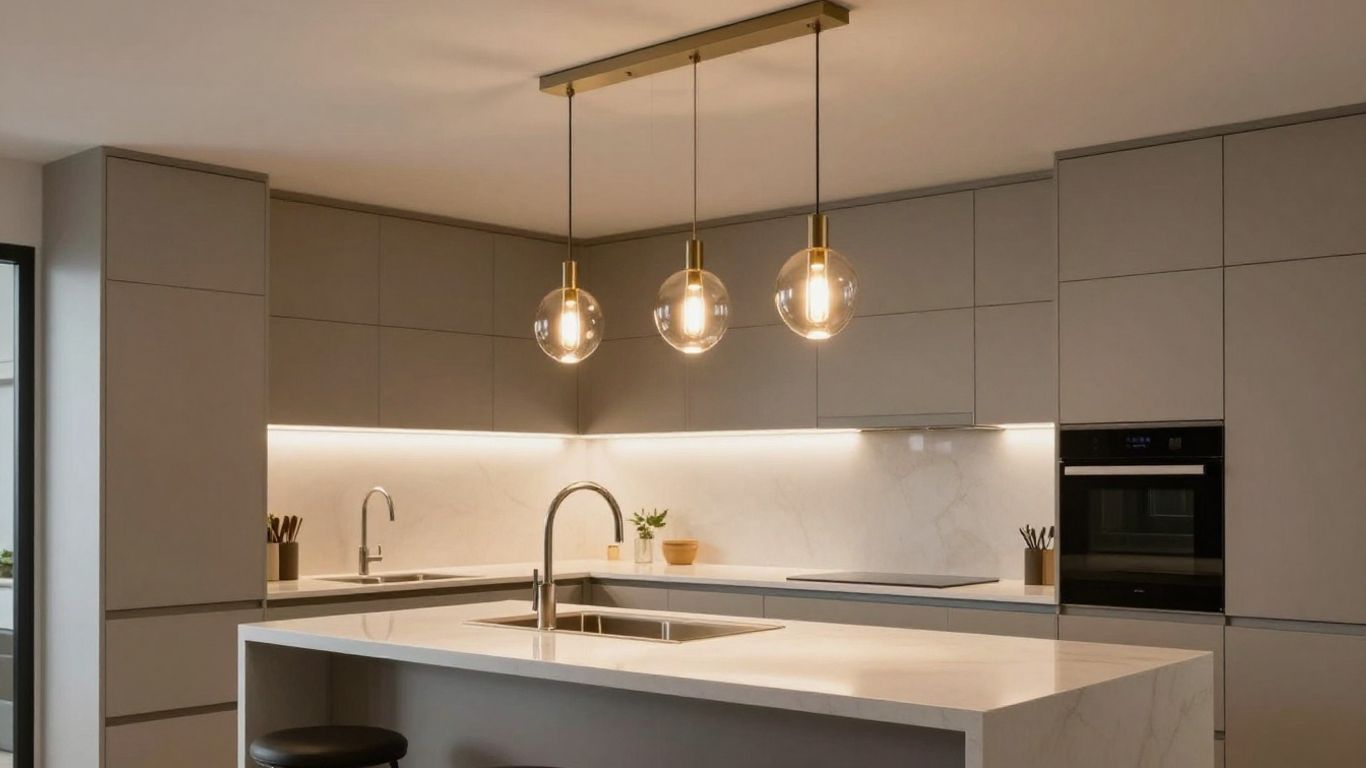
When it comes to picking ceiling lights for your kitchen, a few straightforward factors make a huge difference in the long run. It isn’t just about looks—how a fixture holds up, how easy it is to keep clean, and how much energy it uses can really affect your day-to-day.
Material Durability and Finish Choices
- Kitchens get exposed to heat, humidity, and splashes, so fixtures should be made from sturdy materials like metal, tempered glass, or high-quality plastic.
- Matte or brushed finishes hide fingerprints and grease better than glossy ones, keeping things looking tidy without constant wiping.
- Match the fixture’s finish—like brushed nickel or oil-rubbed bronze—to your pulls or faucets for a pulled-together style.
| Material Type | Key Properties | Common Finishes |
|---|---|---|
| Metal | Resists heat/moisture | Brushed nickel, chrome |
| Glass | Easy to clean | Frosted, smoked, clear |
| High-Quality Plastic | Lightweight, durable | Matte, gloss |
If you’ve ever wrestled with a sticky, greasy light fixture above the stove, you know firsthand how tough the wrong material can make upkeep. Opting for tough finishes saves hassle down the line.
Ease of Maintenance and Cleaning
- Light fixtures in kitchens trap dust and oil, so choose ones with simple shapes and minimal crevices.
- Fixtures designed for easy bulb changes save lots of frustration later on.
- Styles with smooth covers clean up quickly after cooking splatters, and glass shades are often dishwasher-safe.
List for low-maintenance lighting:
- Avoid intricate or openwork designs that collect grime.
- Choose glass or metal over fabric shades.
- Look for fixtures with wide openings for quick wipe-downs.
Energy Efficiency and Smart Technology
Energy-saving lights aren’t just good for the planet—they’re easier on your wallet every month. Smart bulbs and fixtures let you dim, schedule, and sometimes even change light colors right from your phone or by voice.
- LEDs use less power and last way longer than traditional bulbs.
- Integrated smart features mean you don't have to swap out bulbs for upgrades.
- Dimmers and app-controlled systems offer complete flexibility from extra-bright mornings to warm evenings.
- Some systems can tie in with connected appliances for routine and hands-free control (like with many modern kitchen tech upgrades).
| Bulb Type | Average Lifespan | Typical Power Use |
|---|---|---|
| Incandescent | 1,000 hrs | 40-100 watts |
| CFL | 8,000 hrs | 10-20 watts |
| LED | 25,000+ hrs | 5-15 watts |
Picking the right fixture might sound like a chore, but keeping these points top of mind will help you avoid buyer’s remorse. You end up with a space that’s brighter, easier to live with, and cheaper to run—and honestly, that makes a bigger difference than you might expect. If you want even more specifics, look into how to choose lighting to fit your kitchen’s style and save energy with efficient fixture options, just as laid out in this quick overview of kitchen ceiling lighting selections.
Elevating Your Space with Feature Lighting
You know, picking out feature lighting for your kitchen isn’t just about getting more light—it totally changes how your space feels and looks. Feature lights add personality, draw the eye, and often work as conversation pieces when folks visit. Each option has its own vibe and function, so find what speaks to you and suits your home’s layout.
Statement Chandeliers for Defined Areas
A chandelier can set apart a dining area or an island right in an open-concept kitchen. It’s about giving that piece of your kitchen its own sense of place, not just more illumination. When choosing a chandelier:
- Go for a fixture size that fits the area: too small gets lost, too big feels cramped.
- Consider finishes (matte black, brushed brass, or glass) to match your kitchen’s style.
- Look for dimmable options—they shift from bright at breakfast to cozy in the evenings.
| Chandelier Type | Best For | Key Feature |
|---|---|---|
| Globe pendant | Open spaces | Soft, even light |
| Linear chandelier | Over islands/tables | Focal, modern silhouette |
| Tiered crystals | Formal dining | Adds elegance and sparkle |
The right chandelier doesn’t just light your kitchen; it marks the space as a gathering spot, giving the whole room more character.
Creative Neon Accents for a Modern Edge
If you want something bold, neon lighting brings a playful, urban feel. Think neon wall art, glowing under-counter strips, or even a cheeky sign above your breakfast bar. Use neon sparingly to avoid overwhelming the space. Here’s how to pull it off:
- Place short neon phrases or symbols on one wall.
- Add neon strips along shelves or bar areas for a subtle pop.
- Always pair bright neon with neutral, muted main lighting to keep the look balanced.
Neon lighting is great for home bars and contemporary kitchens. But honestly, it really shines when you want to make the space memorable.
Highlighting Design with Shelf and Niche Lighting
Shelf and niche lighting is about more than just showing off your favorite mugs or cookbooks—it creates depth and shade across your kitchen. Tucking slim LED strips under open shelves or inside display nooks gently frames objects and creates layers of dimension. Consider:
- Warm white LEDs to soften the mood.
- Motion sensors for shelves with glass doors, adding a wow factor when you open them.
- Mixing shelf lighting with other accent lights—like adding task lighting under cabinets—to make every corner useful and attractive.
Bullet points to maximize shelf/niche lights:
- Use low-profile fixtures to avoid clutter.
- Try dimmable options so you can shift from functional to cozy.
- Choose lighting color (warm or cool) based on what’s on display.
Feature lighting isn’t just for showing off—it really helps rooms flow and makes daily routines a bit more special.
Optimizing Lighting in Compact Kitchens
Small kitchens can feel a bit cramped, right? It’s like trying to fit a whole party into a tiny room. But here’s a secret: good lighting can make a huge difference. It’s not just about seeing; it’s about making the space feel bigger and more open. Think of light as a design tool that can trick the eye.
Maximizing Style and Practicality in Small Spaces
When you’re working with limited square footage, every lighting choice counts. You want fixtures that are functional without being bulky. Layering light is key here. You need a good base layer of light, then focused lights for where you actually do things, like chopping veggies or reading a recipe. And don't forget accent lights to add a bit of personality.
- Ambient Lighting: This is your general, all-over light. Evenly spaced recessed lights work well, or a simple flush mount fixture if your ceiling is low. The goal is to banish dark corners.
- Task Lighting: This is super important for work areas. Think under-cabinet lights to illuminate your countertops. They’re bright and focused, so you can see what you’re doing without squinting.
- Accent Lighting: This is for adding a bit of flair. Maybe a small pendant light over a sink or a little spotlight on a piece of art.
Choosing fixtures that blend in is also a smart move. Light-colored fixtures in whites, creams, or pale grays tend to disappear against the walls, making the space feel less cluttered.
Creating Openness and Intimacy with Light
Want your small kitchen to feel more expansive? Light can help with that. Directing light upwards can make ceilings seem higher. You can achieve this with fixtures that cast light towards the ceiling or by installing LED strips along the top of your cabinets or crown molding. It draws the eye up, giving a sense of more vertical space. Mirrors are also fantastic for small kitchens; they bounce light around, making the room feel brighter and almost twice as big. Placing a mirror opposite a window is a great trick.
Using light to create illusions of space is a clever design hack. It’s about making the most of what you have without knocking down walls. Think about how light plays on surfaces and how you can use that to your advantage. It’s a subtle but powerful way to transform a cramped area into something much more inviting.
Choosing Scale and Placement for Impact
In a small kitchen, the size of your light fixtures matters a lot. Overly large pendants can make the space feel even smaller. Aim for fixtures that are proportionate to the room. For example, pendant lights around 8 to 16 inches in diameter are often a good bet over a small island or sink. Adjustable cords are also a lifesaver, letting you fine-tune the height for the best effect and visual balance. When it comes to placement, think about where you need light the most. Don't just stick a light in the middle of the ceiling; focus on work zones. Consider task lighting for specific areas to maximize both style and practicality. And remember, easy-to-clean surfaces are a bonus, especially in a busy kitchen where grease and dust can build up quickly.
Putting It All Together
So, picking out the right lights for your kitchen ceiling might seem like a lot, but it really makes a difference. It’s not just about seeing better when you're cooking; it’s about making your kitchen feel right, whether you're busy making dinner or just hanging out. Think about mixing different kinds of lights – some for general brightness, some focused on your work areas, and maybe a cool pendant to make a statement. And don't forget about how easy they are to clean. A little planning goes a long way to making your kitchen look good and work well for years to come. Happy lighting!
Frequently Asked Questions
Why is lighting so important in a kitchen?
Lighting in a kitchen is super important because it helps you do things safely, like chopping food. It also makes the kitchen look nicer and feel more welcoming. Good lighting can even make your kitchen seem bigger and more stylish.
What's the difference between task, ambient, and accent lighting?
Task lighting is bright light for specific jobs, like under your cabinets for cooking. Ambient lighting is the general light that fills the room, like from ceiling lights. Accent lighting is used to highlight cool things, like artwork or a cool backsplash.
Are pendant lights a good choice for modern kitchens?
Yes, pendant lights are a fantastic choice for modern kitchens! They hang down and can be really stylish, often placed over kitchen islands. They add a 'wow' factor and give off good light for cooking or eating.
What kind of lights work best for small kitchens?
For small kitchens, try using lights that don't take up much space, like recessed lights that go into the ceiling. You can also use flush mount lights that sit flat against the ceiling. The key is to make the space feel open and bright without making it feel crowded.
How do I keep my kitchen lights clean?
Kitchen lights can get a bit greasy or dusty. To make cleaning easier, pick lights with smooth surfaces and simple shapes. This way, you can wipe them down quickly without them having lots of nooks and crannies to trap dirt.
What does 'energy-efficient' mean for kitchen lights?
Energy-efficient lights, like LEDs, use less electricity to produce light. This means they help you save money on your power bill and are better for the environment. They also tend to last much longer, so you won't have to change bulbs as often.


Leave a comment