




Elevate Your Entertainment: Choosing the Perfect Low Profile TV Stand
Finding the right tv stands low profile can really change how your living room looks and feels. It’s not just about holding your TV; it’s about fitting your space, holding your stuff, and looking good. We’ll break down what to think about, from size and materials to how it fits with your furniture. Let's figure out the best way to set up your entertainment area without taking up too much room.
Key Takeaways
- When picking a low profile tv stand, pay attention to its height, width, and depth to make sure it fits your room and viewing setup comfortably.
- Consider materials like glass, metal, wood, or mirrored finishes to match your home's style, whether it's modern, rustic, or glam.
- Think about extra features like built-in storage, lighting, or even a fireplace to make your tv stand more than just a place for your TV.
- Measure your TV's size and weight, check where you sit, and look at your room's layout to choose a stand that's stable, safe, and offers good viewing angles.
- Explore different designs like corner units, floating mounts, or rolling stands if you need to save space or want more flexibility in how you use your entertainment area.
Understanding Low Profile TV Stand Dimensions
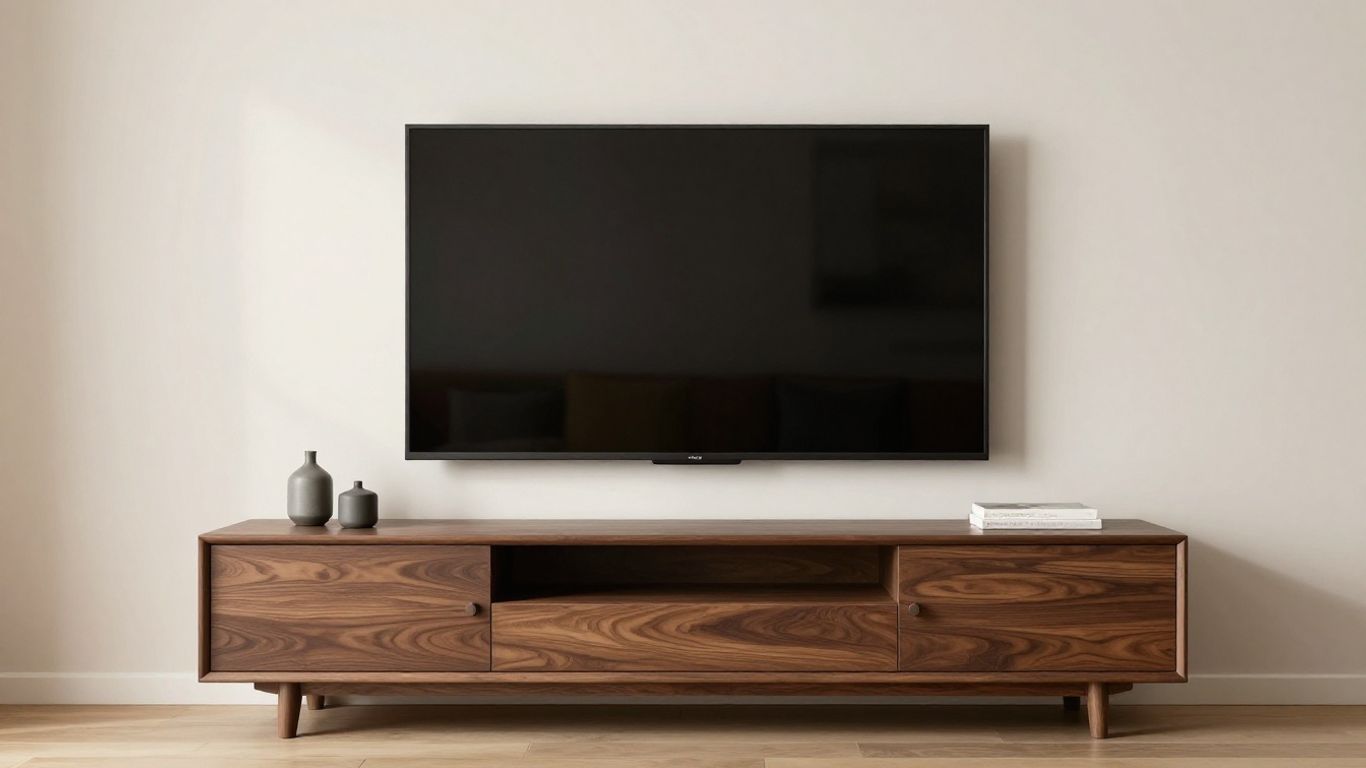
When you're looking for a low profile TV stand, the numbers really matter. It's not just about how it looks, but how it fits into your life and your room. Getting the dimensions right means your TV will be at a good height for watching, and the stand itself won't overwhelm your space. Let's break down the key measurements you need to think about.
Optimal Height for Comfortable Viewing
The height of your TV stand is probably the most important dimension. You want the center of your TV screen to be roughly at eye level when you're sitting down. If the TV is too high, you'll be craning your neck, and if it's too low, you might feel like you're looking down too much. For low profile stands, this usually means a height between 15 and 20 inches. This range works really well with modern, lower seating arrangements, like sectionals or floor cushions. It creates a more grounded, cinematic feel. Remember, your seating position is key here. Measure from the floor to your eyes while you're in your favorite spot. That's your starting point.
Here’s a quick way to think about it:
- Measure your eye level while seated in your usual viewing spot.
- Find the center of your TV screen (measure the TV's height and divide by two).
- Subtract the TV's center height from your eye level measurement. This gives you the ideal height for the bottom of your TV, and thus, the stand.
For example, if your eye level is 40 inches off the floor and your TV's center is 16 inches from its bottom edge, you'd want a stand that puts the bottom of your TV around 24 inches from the floor. This might mean a stand that's 18-20 inches tall, depending on your TV's bezel.
Width Considerations for Stability and Aesthetics
Next up is width. You don't want a stand that's too narrow for your TV, as it can look unstable and be a safety hazard. Generally, the stand should be at least as wide as your TV, and ideally a bit wider. A stand that extends a few inches past the TV on each side offers a more balanced look. For larger TVs, say 65 inches or more, a wider stand also provides more surface area for soundbars or decorative items. Think about the overall proportions of your room, too. A super wide stand might look great in a large living room but could feel cramped in a smaller space. For smaller TVs, like those under 50 inches, you can get away with narrower options, sometimes called narrow TV stands, which are great for tight spots.
Depth and Room Layout Integration
Don't forget about depth! This is how far the stand sticks out from the wall. A shallow depth is often a hallmark of low profile designs, which is great for keeping walkways clear and making smaller rooms feel bigger. However, you still need enough depth to accommodate your TV's stand or mount, plus any devices you plan to place on or inside it, like a game console or a streaming box. Measure the depth of your largest component to make sure it will fit comfortably. A stand that's too deep can jut out into the room, creating a tripping hazard or just making the space feel smaller. Aim for a depth that complements your room's layout without causing congestion.
Materials and Styles for Your Low Profile TV Stand
When you're picking out a low profile TV stand, the material and style are a big deal. They don't just hold your TV; they really set the tone for your whole living room. Think about what vibe you're going for – modern, rustic, glam? The material you choose will play a huge part in that.
Sleek Glass and Modern Metal Options
Glass TV stands are super popular for a reason. They look clean and modern, and they make a room feel more open, which is great if you don't have a ton of space. They really fit well in minimalist or contemporary setups. Just make sure you're getting tempered glass; it's way stronger and safer. The downside? You'll probably be wiping off fingerprints and dust more often.
Metal TV stands, on the other hand, are the go-to for that industrial or modern look. They're tough, easy to clean, and can handle pretty much anything. Sometimes you'll see them mixed with wood or glass, which adds a cool, edgy touch. If you need something that's built to last and doesn't need a lot of fuss, metal is a solid choice. You can find some really nice modern metal TV stands that are both stylish and functional.
Chic Mirrored and Glamorous Finishes
Want to add a little sparkle to your space? Mirrored TV stands are perfect for that. They're shiny and can make your room feel brighter and bigger because they bounce light around. These stands are definitely statement pieces and work well in glam or very modern rooms. Just remember, keeping that shine means regular dusting.
Natural Wood Tones and Industrial Accents
Wood TV stands are kind of the classic choice. They're sturdy and can fit into almost any decor style, from rustic farmhouse to sleek modern. Oak, for example, is really strong and has a beautiful grain that works in many settings. Cherry wood offers a deeper, richer tone that can look really elegant. Rattan is another option, bringing a lighter, airier feel that's great for boho or coastal vibes. It's surprisingly durable too.
Industrial styles often mix metal with wood, giving you that raw, edgy look that's popular in loft apartments or urban-inspired spaces. These stands are usually pretty sturdy and add a cool, masculine feel.
When selecting materials, think about how they'll hold up to daily use and how much maintenance you're willing to do. A stand that looks great but is a pain to keep clean might not be worth it in the long run.
Here's a quick look at some common material pairings:
- Wood & Metal: Great for industrial or modern farmhouse styles. Offers durability and warmth.
- Glass & Metal: Perfect for contemporary and minimalist spaces. Creates an open, airy feel.
- Wood & Glass: A nice blend of natural warmth and modern sleekness.
- Mirrored & Metal/Wood: Adds a touch of glam and can make spaces feel larger. Needs frequent cleaning to maintain its look. Choosing the right material is key to complementing your decor.
Functionality Beyond Television Support
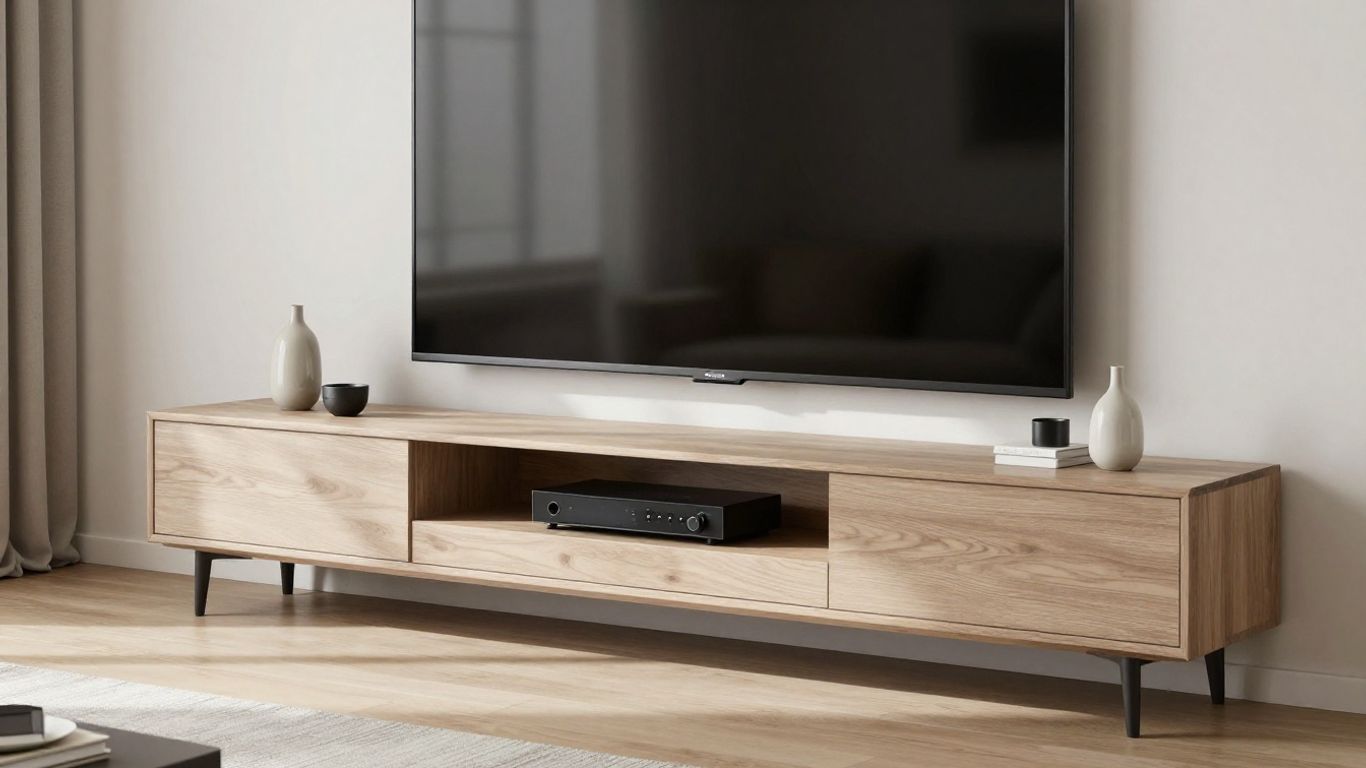
A low profile TV stand is more than just a place to park your television. It's a key piece for organizing your media gear and keeping your living area tidy. Think about what you actually need to store. Do you have a bunch of game consoles, streaming boxes, or maybe a soundbar? Maybe you've got a collection of DVDs or just want a spot for remotes and controllers. Figuring this out helps you pick a stand with the right mix of open shelves, closed cabinets, or drawers.
Open shelving is great for things that need airflow, like gaming consoles, or for items you want to grab easily, like streaming devices. Plus, it makes your space feel a bit more open. Closed cabinets and drawers are perfect for hiding away cables, keeping dust off electronics, or just making the room look less cluttered. Many stands offer a mix, which is usually the best way to go.
Integrated Storage Solutions
When you're looking at TV stands, pay attention to the storage options. Some have simple shelves, while others come with drawers or cabinets. Consider these common setups:
- Open Shelving: Good for easy access to devices like cable boxes and game consoles. Also helps with ventilation.
- Closed Cabinets/Drawers: Ideal for hiding messy cables, storing remotes, or keeping less attractive items out of sight.
- Adjustable Shelves: Lets you customize the space to fit different-sized electronics or decorative items.
Proper cable management is a big deal. Look for stands with built-in features like rear wire holes or channels to keep those cords from becoming a tangled mess. It makes a huge difference in how clean your setup looks.
Entertainment Centers for Comprehensive Setups
If you have a lot of gear or just want a more complete media setup, an entertainment center might be the way to go. These are usually larger units that can house a big TV and offer tons of storage. They often include multiple shelves, cabinets, and sometimes even towers that frame the TV. It's a way to create a real focal point for your entertainment area, keeping everything organized and in one place. You can find some really nice media stands and credenzas that offer this kind of expansive storage without looking too bulky.
Decorative Elements and Ambient Lighting
Don't forget that your TV stand can also add to your room's style. Some stands come with built-in LED lighting, which can create a cool mood for movie nights. Others might have unique finishes or designs that act as decorative pieces themselves. Think about how the stand's style fits with the rest of your room. A well-chosen stand can be both practical and a nice decorative touch. You can find a wide variety of TV stands and entertainment centers that blend style and function.
Choosing the Right Low Profile TV Stand for Your Space
Okay, so you've decided a low-profile TV stand is the way to go. Awesome. But now comes the part where you actually pick one that fits your room and your life. It’s not just about grabbing the first one you see, you know? There are a few things to think about to make sure it looks good and works well.
Assessing Your Television Size and Weight
First things first, let's talk about your TV. You can't just plop any old TV onto any stand. You need to know how big your TV is and how much it weighs. Most TV stands will tell you the maximum TV size they can handle, usually in inches, and also the weight limit. It's super important to check this. A stand that's too small or can't hold the weight is a recipe for disaster. Nobody wants their TV crashing down.
Here’s a quick rundown:
- Check your TV's diagonal screen size. This is usually listed in the TV's manual or on the back of the TV itself.
- Find the TV's weight. Again, the manual or manufacturer's website is your friend here.
- Look at the TV stand's specifications. They'll list the maximum screen size and weight capacity.
- Always go a little over. If your TV is 50 inches and weighs 40 pounds, look for a stand that can handle at least a 55-inch TV and maybe 50 pounds, just to be safe.
Don't forget to factor in the weight of any soundbars or other accessories you plan to place on the stand along with your TV. It all adds up!
Matching Your Room's Decor Style
Now, let's make it look good. Your TV stand is a piece of furniture, right? It should fit in with the rest of your room. Think about the vibe you're going for. Is your place super modern and minimalist? Or maybe more cozy and rustic? Low-profile stands come in all sorts of styles, from sleek glass and metal to warm wood tones. You want something that complements your existing furniture, not clashes with it. Look at the colors, materials, and overall design of your sofa, coffee table, and other pieces. You don't need an exact match, but it should feel cohesive. For instance, a dark wood stand might look great with a warm-toned sofa, while a black metal one could fit perfectly with industrial-style chairs. It's all about creating a balanced look.
Considering Seating Arrangements and Viewing Angles
This is where the 'low profile' part really matters. Since these stands are shorter, they work best with lower seating, like sectionals or floor cushions. You want the TV to be at a comfortable eye level when you're sitting down. If your couch is really high, a super low stand might mean you're craning your neck. Think about where people will be sitting and how far away they'll be. A good rule of thumb is to have the TV screen roughly at eye level from your main seating spot. This helps prevent neck strain and makes watching movies or shows way more enjoyable. If you have a big room, you might need to think about how the stand fits into the overall layout so it doesn't block walkways or feel out of place. For smaller spaces, narrower consoles can be a lifesaver, offering support without taking up too much room.
Exploring Specialized Low Profile TV Stand Designs
Sometimes, a standard TV stand just won't cut it. You might have a tricky corner, a need to save every inch of floor space, or just a desire for something a little different. That's where specialized designs come in. These aren't your everyday media consoles; they're built to solve specific problems or add a unique flair to your setup.
Space-Saving Corner and Floating Mounts
If you're dealing with a smaller room or an awkward layout, a corner TV stand can be a game-changer. These units are designed to tuck neatly into a corner, making use of often-underutilized space. They come in various shapes, from triangular to L-shaped, and can support a range of TV sizes. On the other hand, floating TV stands offer a super sleek, modern look. They mount directly to the wall, giving the illusion that the stand is hovering. This not only looks cool but also frees up floor space, making cleaning easier and the room feel more open. It's a great way to achieve a minimalist aesthetic. For more ideas on fitting a TV into tight spaces, check out these bedroom TV stand ideas.
Functional Rolling and Swivel Stands
Need flexibility? Rolling TV stands are fantastic for rooms where you might want to move your TV around. Think about a living room where you might want to angle the TV towards a different seating area, or perhaps you need to move it out of the way for a gathering. These stands often come with wheels, sometimes lockable ones, for stability when needed. Swivel stands take this a step further, allowing you to adjust the viewing angle without moving the entire stand. This is super handy if you have multiple seating spots that aren't directly in front of the TV. The ability to easily adjust your viewing angle can make a big difference in comfort.
Unique Designs like Barn Door and Tripod
Beyond pure function, some specialized stands are all about style. Barn door TV stands bring a rustic or farmhouse vibe with their signature sliding doors. These doors not only look great but also hide storage compartments, keeping clutter out of sight. Tripod TV stands offer a distinct, mid-century modern or artistic look, with legs that spread out like a tripod. They tend to be visually lighter and can add a unique decorative element to your room. Other unique designs might include stands with built-in fireplaces for a cozy atmosphere or those with industrial metal accents for an edgy feel.
When choosing a specialized stand, always double-check the weight capacity and dimensions to make sure it's a good fit for your specific television and space. A stand that looks great but can't safely hold your TV is no good to anyone.
Wrapping It Up
So, finding the right low-profile TV stand isn't just about picking something that looks good, though that's definitely part of it. It's about making sure it fits your space, holds your gear safely, and actually makes watching TV more comfortable. We've talked about how size matters, how sturdy it needs to be, and how the height can really change your whole experience. Don't forget to think about the style too – you want it to blend in with your room, not stick out like a sore thumb. Take your time, measure things out, and you'll end up with a stand that you'll be happy with for a long time. Happy viewing!
Frequently Asked Questions
How do I know if a low profile TV stand is the right height for my TV?
To find the best height, sit where you usually watch TV and measure from the floor to your eye level. Then, figure out the middle point of your TV's height. Subtract that middle point from your eye level measurement. That number is roughly the ideal height for your TV stand. It's better to have the TV slightly lower than too high to avoid neck strain.
What's the best width for a TV stand?
Generally, your TV stand should be a bit wider than your TV, about 3 inches on each side. This looks better, makes the stand more stable, and gives you space for small decorations or speakers. For example, for a 55-inch TV, a stand around 50 inches wide is a good starting point.
Are glass TV stands safe?
Yes, especially if they use tempered glass. Tempered glass is much stronger and safer than regular glass. It's designed to break into small, less sharp pieces if it does shatter, which is important for safety. Just remember, glass can show fingerprints and dust easily, so you might need to clean it more often.
Can LED lighting on a TV stand cause glare on my screen?
LED lights can sometimes cause glare, especially if they are bright and facing forward. It's best to choose stands with lights that are hidden, like under the shelf or behind the TV. This creates a nice mood lighting without distracting you from what's on screen. Avoid lights that shine directly at your viewing spot.
What should I do if my perfect TV stand height isn't available?
If the stand height you calculated isn't exactly what you find in stores, it's usually better to pick the shorter option. You can also use furniture risers (special blocks) to slightly lift a shorter stand to reach your ideal height. This helps make sure your TV is at a comfortable viewing level.
Do I need to consider my sofa when picking a TV stand height?
Absolutely! Your sofa or chair type really matters because it changes your eye level when you're sitting. If you have a soft, deep sofa that sinks down, your eye level will be lower. Always measure your eye level from your actual seating spot to get the most accurate height for your TV stand.


Leave a comment