




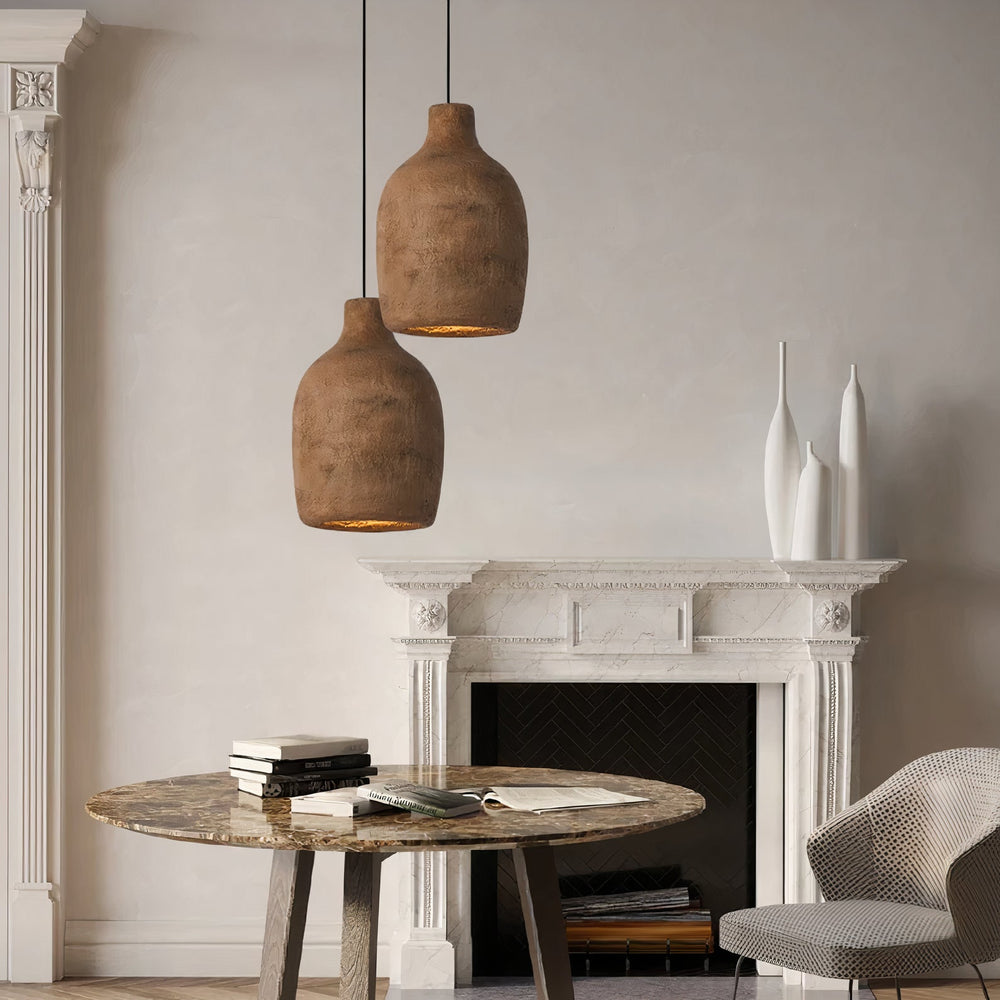
Discover Timeless Elegance: A Guide to Finding Authentic Antique Chandeliers
Thinking about adding a touch of old-world charm to your home? Antique chandeliers are a fantastic way to do just that. They're not just about lighting up a room; they bring history, character, and a certain kind of elegance that's hard to find elsewhere. But finding the right one can feel like a treasure hunt. We'll walk you through understanding their appeal, spotting different styles, and making sure you get a genuine piece that will shine in your home for years.
Key Takeaways
- Antique chandeliers offer a unique way to add historical charm and elegance to your home's ambiance.
- Understanding different styles, like Victorian, Art Deco, and Empire, helps in choosing a fixture that matches your decor.
- Authentic antique chandeliers are often found in antique shops and markets, but careful inspection for damage and authenticity is a must.
- Look for masterful craftsmanship, signs of age like patina, and distinct features that set genuine pieces apart from reproductions.
- Properly assessing room size, scale, and architectural fit is vital for integrating an antique chandelier seamlessly into your space.
The Enduring Appeal of Antique Chandeliers
Let's be honest, a room's lighting does more than just let you see. It sets a whole mood, you know? It’s how you make a space feel like you. And that's where antique chandeliers really shine. These aren't just light fixtures; they're like little pieces of history hanging from your ceiling, each one with its own story. They bring a certain kind of elegance and character that new things just can't quite match. They're a way to invest in your home's ambiance that lasts.
A Timeless Investment in Home Ambiance
Think about it: an antique chandelier isn't just a purchase, it's a piece of the past brought into your present. These fixtures have seen things, been part of different eras, and that history adds a depth to your home that's hard to replicate. They create a warm, inviting glow that makes any room feel more special. It’s like adding a touch of old-world charm that feels both grand and cozy at the same time. Finding one can feel like a real treasure hunt, and when you finally hang it up, it just transforms the whole feel of the space. It’s a way to make your home feel truly unique and full of personality.
More Than Just Illumination: A Statement Piece
When you hang an antique chandelier, it immediately becomes the star of the show. It's not just about the light it casts; it's about the visual impact. These pieces are often incredibly detailed, showcasing craftsmanship that you just don't see anymore. They can be intricate, ornate, or beautifully simple, but they always command attention. Whether it's a grand, multi-tiered crystal piece or a more understated iron fixture, it tells a story about your taste and appreciation for artistry. It’s a conversation starter, for sure.
The Storytelling Power of Vintage Lighting
Every antique chandelier has a past. Imagine the rooms it's lit, the events it's witnessed. This history adds a layer of richness to your home decor. It connects your living space to a broader timeline, making it feel more grounded and significant. These fixtures are more than just decorative items; they are artifacts that carry the echoes of previous generations. They bring a sense of permanence and character that can make a house feel like a true home.
- Craftsmanship: Look for hand-blown glass, detailed metalwork, and unique joinery.
- Materials: Older pieces often use solid brass, bronze, or hand-cut crystals.
- Design: Styles vary greatly, from the elaborate Victorian era to the simpler lines of early 20th-century designs.
Choosing an antique chandelier means you're not just buying a light fixture; you're acquiring a piece of history. It's a way to bring a tangible connection to the past into your daily life, adding a layer of depth and character that modern items often lack. This connection can make your home feel more personal and storied.
When you're looking for that perfect piece, remember that authenticity and condition are key. You might find some amazing options at antique shops and markets, but always inspect them carefully. It's about finding a fixture that not only looks good but also has a story that speaks to you and will continue to light up your home for years to come. You can find some truly stunning examples of antique crystal chandeliers that can completely change the feel of a room.
Exploring Styles of Antique Chandeliers
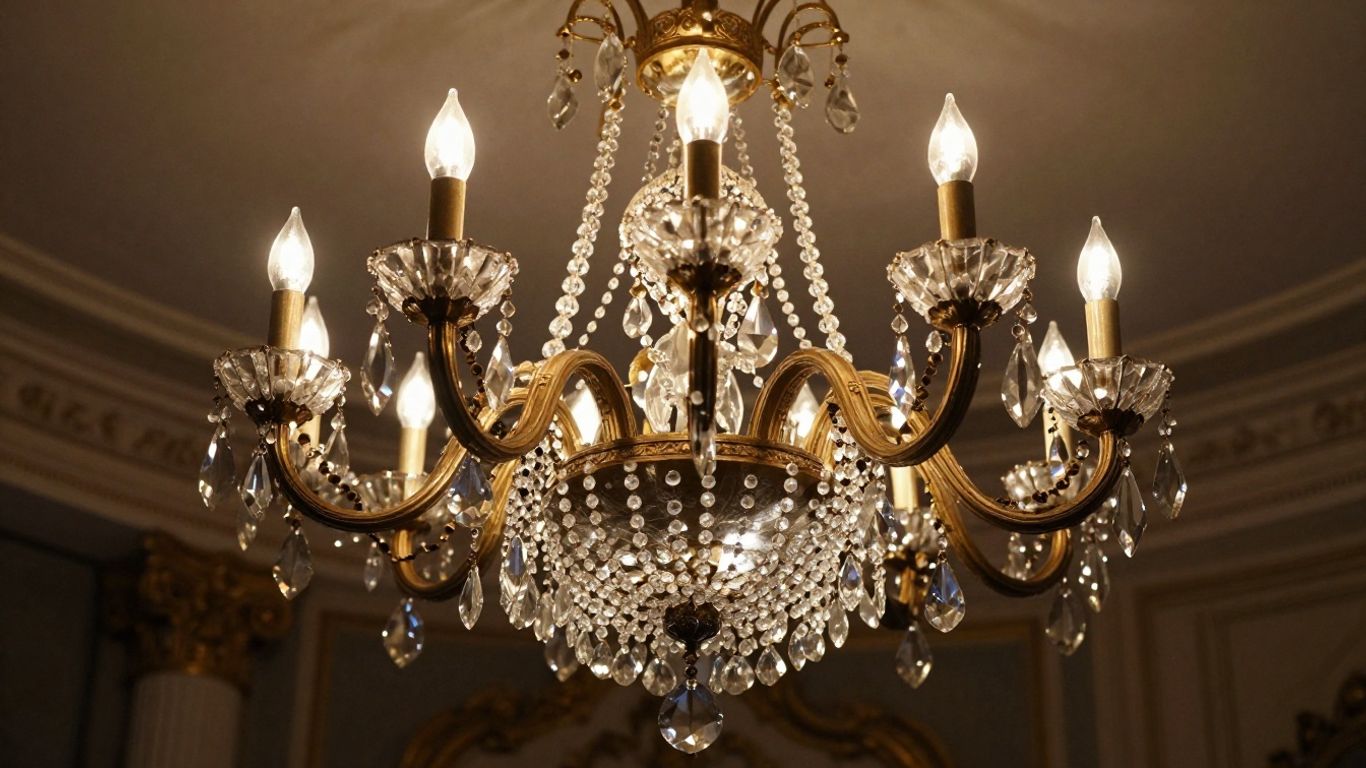
When you start looking for antique chandeliers, you'll quickly see there's a whole world of different looks out there. It's not just one thing; different eras and places had their own take on what made a chandelier beautiful and grand. Understanding these styles can really help you narrow down what you're looking for and find something that fits your home just right.
Victorian Elegance and Intricate Details
Think of the Victorian era, and you probably picture lots of detail and a bit of romance. Victorian chandeliers really capture that feeling. They often feature elaborate metalwork, usually in brass or bronze, with lots of curves and decorative elements. You'll see them adorned with tons of crystals or cut glass that sparkle and catch the light. These fixtures were all about making a statement and adding a sense of luxury. They're perfect if you want to bring a touch of old-world charm and a bit of drama to a room, like a dining room or a grand entryway. They really make a space feel special.
Art Deco Geometric Sophistication
Moving into the early 20th century, the Art Deco style brought a whole new vibe. Instead of all those curves, Art Deco chandeliers are all about clean lines, geometric shapes, and a more streamlined look. They often use materials like chrome, nickel, and frosted or clear glass. These pieces have a sophisticated, glamorous feel that works really well in more modern settings, or if you want to add a bit of that jazz-age flair. They can be quite striking and add a real sense of style without being overly fussy. You can find some amazing examples of [Art Deco geometric sophistication] that really stand out.
Empire Style Grandeur and Tiered Designs
The Empire style, which came a bit earlier than Victorian but shares a sense of grandeur, is known for its bold, classical influences. Empire chandeliers often have a tiered structure, with multiple levels of arms and dripping crystals. They tend to be quite substantial and imposing, designed to impress. Think of rich materials and a very formal, stately appearance. These are the chandeliers that command attention and add a significant sense of history and opulence to a room. They're a great choice if you're aiming for a dramatic and luxurious effect.
Choosing the right style isn't just about looks; it's about how the chandelier will interact with the rest of your decor and the feeling you want to create in your home. Don't be afraid to mix and match elements if it feels right for your space.
Here's a quick look at some common features:
- Victorian: Intricate metalwork, abundant crystals, ornate details, often brass or bronze.
- Art Deco: Geometric shapes, clean lines, streamlined designs, chrome or nickel, glass.
- Empire: Tiered structure, bold classical elements, dramatic crystal arrangements, formal appearance.
When you're looking, keep these styles in mind. It helps a lot to know what you're drawn to. You might even find that a particular style speaks to you more than others, guiding your search for that perfect piece. Remember, these chandeliers are more than just lights; they're pieces of history you can bring into your home.
Finding Authentic Antique Chandeliers
So, you've decided an antique chandelier is the way to go. Awesome choice! But now comes the real adventure: actually finding one that's the real deal. It’s not always as simple as walking into a store and picking one off the shelf. You’ve got to do a little digging, and sometimes, that means getting your hands a bit dirty, metaphorically speaking.
Treasure Hunting in Antique Shops and Markets
Honestly, the best place to start is often the most obvious: antique shops, flea markets, and estate sales. These places are like treasure chests waiting to be explored. You might find a dusty, overlooked gem that just needs a little love. It’s all about the thrill of the hunt, right? You never know what you’ll stumble upon. Just be prepared to spend some time sifting through things. It’s not always a quick trip, but when you find that perfect piece, it feels amazing.
- Be Patient: Don't expect to find your dream chandelier on your first visit. Keep looking!
- Look Everywhere: Check not just the main displays but also back rooms or storage areas if the shop owner is amenable.
- Ask Questions: Don't be shy about asking the shop owner or dealer about the item's history.
Consulting with Dealers for Provenance
Once you've spotted a chandelier that catches your eye, talking to the dealer is your next step. Good dealers are usually passionate about their inventory and can tell you a lot about where a piece came from and its history. This is where you can really learn about its provenance. They might know if it was part of a specific estate or if it has any notable history. It’s like getting a backstory for your light fixture. A reputable dealer will be upfront about any known history or lack thereof.
Sometimes, a chandelier might look old, but it's actually a reproduction. Dealers who know their stuff can help you spot the subtle differences that indicate authenticity.
Essential Inspection for Damage and Authenticity
Before you hand over any cash, you absolutely have to inspect the chandelier closely. This is super important. Look for any signs of damage, like cracks in the glass, bent arms, or missing pieces. Also, check for signs of wear and tear that look natural, not like recent damage. For example, the patina on metal should look like it developed over time. You'll want to check the wiring too, especially if it's an older piece that's been converted to electricity. Is it safe? Has it been done professionally? A chandelier might be beautiful, but if it's falling apart or unsafe, it's not a good buy. Remember, authenticity is key, but so is the condition.
Here’s a quick checklist for your inspection:
- Crystals/Glass: Are they all present? Any chips or cracks? Do they have double-sided faceting?
- Metalwork: Look for signs of rust, significant dents, or poorly done repairs. Check the patina.
- Wiring: If it's been electrified, was it done properly? Are the wires old and frayed?
- Structure: Are the arms secure? Does the main body feel solid?
Finding an authentic antique chandelier is a journey, but with a bit of know-how and careful inspection, you can bring a truly special piece of history and elegance into your home. It's worth the effort, trust me.
Key Characteristics of Antique Chandeliers
So, you're looking at antique chandeliers and wondering what makes one truly 'antique' versus a newer imitation? It's not just about age, though that's a big part of it. It's about the way they were made and the materials used. Genuine antique chandeliers often showcase a level of craftsmanship that's hard to find today. Think about the details – the way metal was shaped, the cut of the glass, the overall construction. These things tell a story.
Masterful Craftsmanship and Hand-Crafted Components
Back in the day, most things were made by hand, and chandeliers were no exception. You'll notice that the arms might be slightly irregular, or the metalwork might have small imperfections that actually add to its charm. This isn't shoddy work; it's the mark of a skilled artisan. Look for signs of hand-finishing, like hammered details or hand-applied finishes. Even the way the crystals are attached can be a clue. Early pieces might have wire loops, while later ones could use more modern methods. It’s these little touches that really set them apart.
The Significance of Patina and Metal Aging
Patina is basically the natural aging process of the metal. On brass or bronze, it might look like a deep, rich color, sometimes with darker areas where the metal has oxidized. It's not dirt; it's a sign of age and authenticity. A brand-new chandelier trying to mimic this look often feels too uniform or has a painted-on appearance. The patina on a true antique chandelier has depth and variation. It's a visual history of the piece. For example, you might see different shades on parts that were handled more or less over time. This natural aging is something that can't be faked convincingly. It's also why antique mirrors with their aged frames have such a distinct character.
Distinguishing Authenticity from Reproductions
Spotting a fake can be tricky, but there are clues. Reproductions often use lighter metals, have overly perfect finishes, or might show signs of modern manufacturing techniques like machine stamping. Early electric chandeliers are also quite rare, as widespread electrification didn't happen until after World War I. So, if you find an 'electric' chandelier that looks very old, check if it's been converted from gas or candles. Look at the bobeches – the little cups that catch wax. French designs often have shallow, floral-shaped ones, while British ones might have deeper drip pans. Also, check the glass. Older glass, especially crystal, often has a slight grey tint due to its high lead content and might feature double-sided faceting. Newer pieces tend to have single-sided faceting and clearer glass. Remember, the goal is to find a piece that feels right, with a history you can almost touch.
When examining a chandelier, consider the overall construction. Are the parts securely joined? Does it feel solid? While some wear is expected and desirable, excessive damage or flimsy construction might indicate a reproduction or a piece that has been poorly maintained. The weight and feel of the materials can also be telling; solid brass or bronze will feel substantial, unlike lighter, hollow imitations. The durability of materials, like the iron frames used in some Troy chandeliers, is also a hallmark of quality construction that stands the test of time.
Integrating Antique Chandeliers into Your Decor
So, you've found the perfect antique chandelier, but now comes the fun part: making it fit into your home. It’s not just about hanging it up; it’s about making it feel like it belongs, like it was always meant to be there. This is where you get to play interior designer a little.
Assessing Room Style and Architectural Fit
First off, take a good look at the room. What's the overall vibe? Is it modern, traditional, or maybe a bit of a mix? An ornate Victorian chandelier might feel a bit out of place in a super minimalist loft, but it could be amazing in a room with classic architectural details. Think about the bones of the house. High ceilings, crown molding, or original woodwork can really complement the grandeur of an antique piece. If your room is more contemporary, you might look for a chandelier with simpler lines or one that uses materials like glass or polished metal to bridge the gap. Sometimes, mixing modern and vintage decor works best when the antique piece is a clear focal point, and the rest of the room supports it without competing.
Understanding Size, Scale, and Proportion
This is super important, and honestly, it's where a lot of people get tripped up. A chandelier that's too big can make a room feel cramped and overwhelming. Too small, and it just disappears, looking a bit sad and lost. You want it to be a statement, not a distraction. For dining rooms, a common rule is to have the chandelier's diameter be about half to two-thirds the width of your dining table. And the height? Generally, you want the bottom of the chandelier to be about 30-36 inches above the tabletop. This gives you light without people bonking their heads. For entryways or living rooms, consider the ceiling height. A grand foyer can handle a large, multi-tiered fixture, while a lower ceiling might need something more streamlined. It’s all about balance.
Here’s a rough guide for dining rooms:
| Room Size (sq ft) | Suggested Chandelier Diameter (inches) |
|---|---|
| 100-150 | 20-24 |
| 150-225 | 24-30 |
| 225-300 | 30-36 |
Material Considerations for Longevity and Aesthetics
When you're picking out your chandelier, think about the materials. Brass, bronze, and iron have that classic, warm feel that ages beautifully. Crystal adds sparkle and a touch of luxury. If you're trying to blend it with more modern elements, maybe look for a chandelier that uses glass or has some polished metal accents. It's also worth considering how the metal finishes in the chandelier will play with other metals in the room. You don't want a clash of too many different finishes. Sticking to two or three main metal tones usually works well, helping to create a cohesive look.
Choosing an antique chandelier is about more than just picking a light fixture; it's about selecting a piece of history that will add character and warmth to your home. It's about creating an atmosphere that feels both elegant and inviting, a space that tells a story.
Don't forget about the bulbs! The type of bulb you use can really change the mood. Warm-toned bulbs tend to create a cozier, more inviting atmosphere, which is often what you're going for with an antique piece. You can also look into dimmers. They're a game-changer for setting the right mood, whether you need bright light for tasks or a soft glow for a relaxed evening.
Enhancing Ambiance with Antique Chandeliers
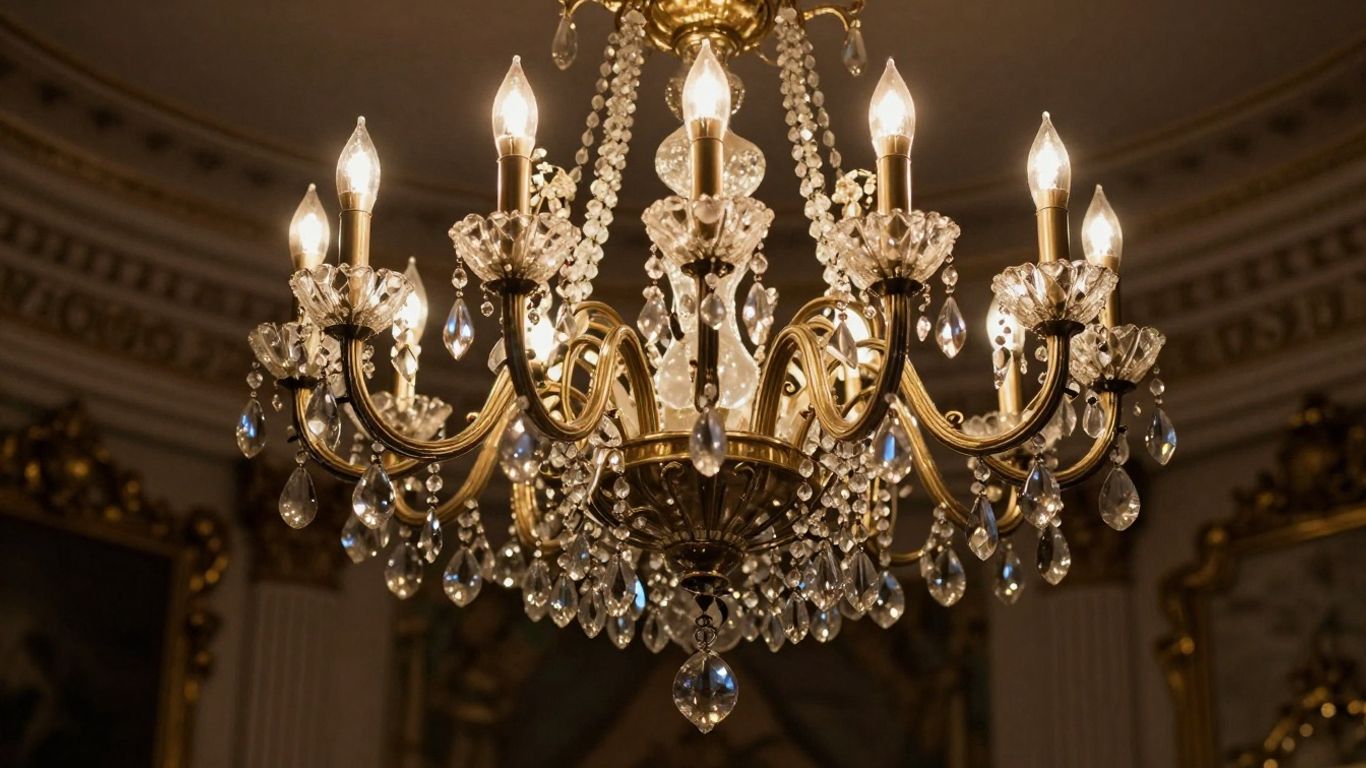
Setting the Mood with Layered Lighting
An antique chandelier does more than just light up a room; it sets a whole mood. Think about how the light falls. Is it a bright, stark glare, or a soft, warm glow? Using a dimmer switch is a game-changer here. You can go from bright enough to read by, to a gentle, romantic light perfect for an evening in. It’s also worth thinking about the bulbs themselves. Warmer toned bulbs tend to make a space feel cozier, almost like candlelight, while cooler bulbs can feel a bit more modern and sharp. Finding that sweet spot really makes a difference in how the room feels.
Creating Warmth and Inviting Spaces
These old fixtures have a way of making a house feel like a home. Their intricate designs, whether it's delicate crystal or aged metal, add a visual warmth that’s hard to get with newer stuff. It’s about more than just the light; it’s the whole vibe.
- Try to use lighting that diffuses softly, so you don't get those harsh shadows.
- Pick bulbs with a warm color temperature – they really mimic that cozy candlelight feel.
- Mix in other soft textures around the room, like velvet cushions or linen curtains, to really amp up the cozy factor.
Using Chandeliers as Artistic Focal Points
Sometimes, an antique chandelier is the star of the show. It draws your eye up and becomes the main event in the room. It’s not just a light source; it’s a piece of art. When you're picking one out, think about how it fits with everything else. Does it match the colors in your rug? Does it complement the artwork on the walls? It should feel like it belongs, not just like it was dropped in. A well-chosen chandelier can completely transform the feel of a space, making it feel more intentional and stylish.
When you're thinking about where to hang your chandelier, consider the height. You want it low enough to feel intimate, but not so low that people might bump their heads. For a dining table, hanging it about 30 to 36 inches above the surface is usually a good bet. It creates a nice visual anchor for the table below. This guide has some great ideas on layering lights to get just the right feel.
Preserving the Beauty of Antique Chandeliers
So, you've found that perfect antique chandelier, a real showstopper. Now, how do you keep it looking its best? It's not just about dusting; it's about a bit more care to make sure this piece of history keeps shining.
The Importance of Restoration and Maintenance
Think of restoration as giving your chandelier a new lease on life. It’s about fixing what’s broken and cleaning up what’s dulled, all while respecting its age. Regular maintenance is key, too. It stops small issues from becoming big, expensive problems down the road. A well-cared-for chandelier not only brightens your home but also preserves a piece of history. It’s about keeping that sparkle and ensuring it’s safe to use.
Addressing Common Issues: Crystals and Metal
Chandeliers, especially older ones, can develop a few quirks over time. Crystals might get a little loose or cloudy, and metal parts can lose their shine or even tarnish. Here’s a quick rundown of what you might face and how to handle it:
- Loose Crystals: Sometimes, the little wires or clips holding crystals can loosen. Gently try to tighten them. If a crystal is missing, finding an exact match can be tricky, but it’s often worth the effort. You might need to look for specialized suppliers.
- Tarnished Metal: For brass or bronze, a gentle polish can work wonders. Always test any cleaner on a small, hidden spot first. You don't want to accidentally remove a beautiful patina that adds to its character.
- Cloudy Crystals: Over time, dust and grime can build up. A specialized crystal cleaner or a mild solution of dish soap and warm water can help restore their sparkle. Just be sure to dry them thoroughly to avoid water spots. Cleaning solutions can be a lifesaver here.
Professional Care for Wiring and Glass
When it comes to the electrical side of things, it’s best to call in the pros. Old wiring can be a fire hazard, and modern safety standards are there for a reason. A qualified electrician experienced with antique fixtures can rewire your chandelier safely, often without changing its original look too much. They know how to hide the new wires discreetly. Similarly, if you have any cracked or broken glass panels, a professional glass restorer can often repair or replace them, making sure the new piece blends in as much as possible. It’s a bit like getting a specialist doctor for your treasured item.
Restoring an antique chandelier is a delicate art. It requires patience, a keen eye for detail, and a deep respect for the piece's history. The goal is always to bring back its former glory without erasing the marks of time that make it unique.
Bringing History Home
So, you've learned a bit about what makes antique chandeliers so special. They're not just old lights; they're pieces of history that can really change how a room feels. Finding the right one might take a little patience, maybe some digging through antique shops or looking online, but the result is totally worth it. A good antique chandelier adds a certain something – a warmth, a story, a touch of elegance – that you just can't get from something brand new. It’s about making your home feel unique and full of character. Happy hunting!
Frequently Asked Questions
What makes antique chandeliers so special?
Antique chandeliers are special because they're like little pieces of history you can hang in your home. They were made a long time ago with a lot of care and skill. Each one has a unique look and can make a room feel really fancy and full of character, unlike newer lights.
How do I know if a chandelier is truly antique?
To tell if it's real, look for signs of old craftsmanship, like hand-made parts or detailed metalwork that's hard to copy today. Also, check for a natural aged look on the metal, called patina. Sometimes, talking to an expert or dealer can help you figure out if it's genuine.
What are some popular styles of antique chandeliers?
There are many styles! You might find Victorian ones with lots of fancy details and crystals, Art Deco ones with cool geometric shapes, or Empire style ones that are grand and have many levels. Each style brings a different kind of beauty to a room.
How do I pick the right size antique chandelier for my room?
It's important to get the size right so it looks good. A good rule is to measure your room's length and width in feet, add those numbers, and that total in inches is about how wide your chandelier should be. Make sure it's not too high or too low, so people can walk under it without bumping their heads.
Where can I find antique chandeliers?
You can find them in old antique shops, at flea markets, or from dealers who specialize in vintage lighting. Sometimes you can find great deals and unique pieces by just looking around in places that sell old things. It's like a treasure hunt!
How should I take care of an antique chandelier?
Taking care of it means keeping it clean and making sure it's safe. Gently dust it regularly and use special cleaners for metal if needed. If parts are loose or broken, or if the wiring looks old, it's best to get help from someone who knows how to fix old lights to keep it looking great and working safely.


Leave a comment