




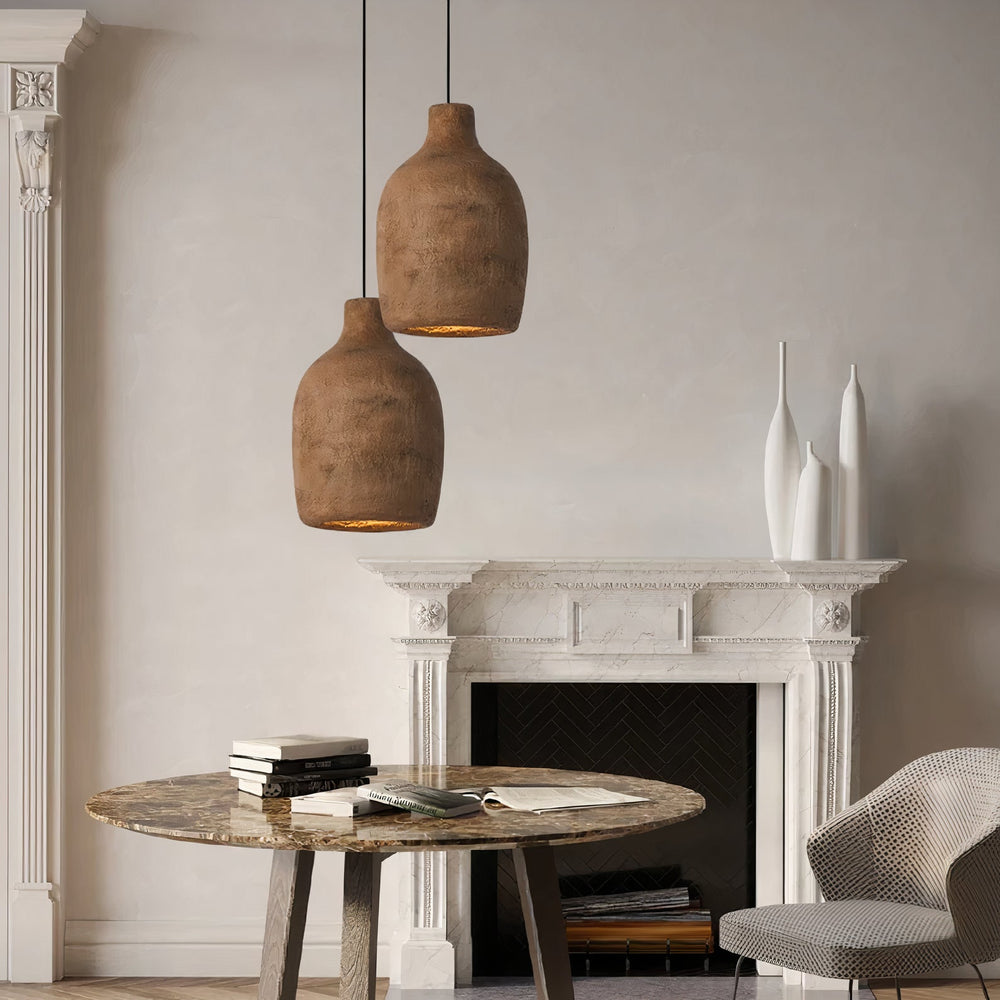
Discover Exquisite French Antique Chandeliers for Timeless Elegance
Looking to add some serious style to your home? Forget about those boring, run-of-the-mill light fixtures. We're talking about something with history, something that tells a story. I'm talking about a french antique chandelier. These aren't just lights; they're pieces of art that can totally change the vibe of a room. Whether you're into that fancy old-school look or something a bit more down-to-earth, there's a chandelier out there waiting to make your place shine.
Key Takeaways
- A french antique chandelier brings a unique blend of elegance and history to any room, acting as more than just a light source.
- Exploring different styles, from ornate classic designs to simpler rustic versions, helps you find the perfect fit for your home's aesthetic.
- Key features to look for include intricate metalwork, sparkling crystal or glass elements, and distressed finishes that add character.
- Authentic pieces can be discovered in antique shops, flea markets, online auctions, and specialized lighting stores, so keep an eye out!
- Properly integrating and caring for your french antique chandelier ensures it remains a stunning focal point for years to come.
The Enduring Charm Of French Antique Chandeliers
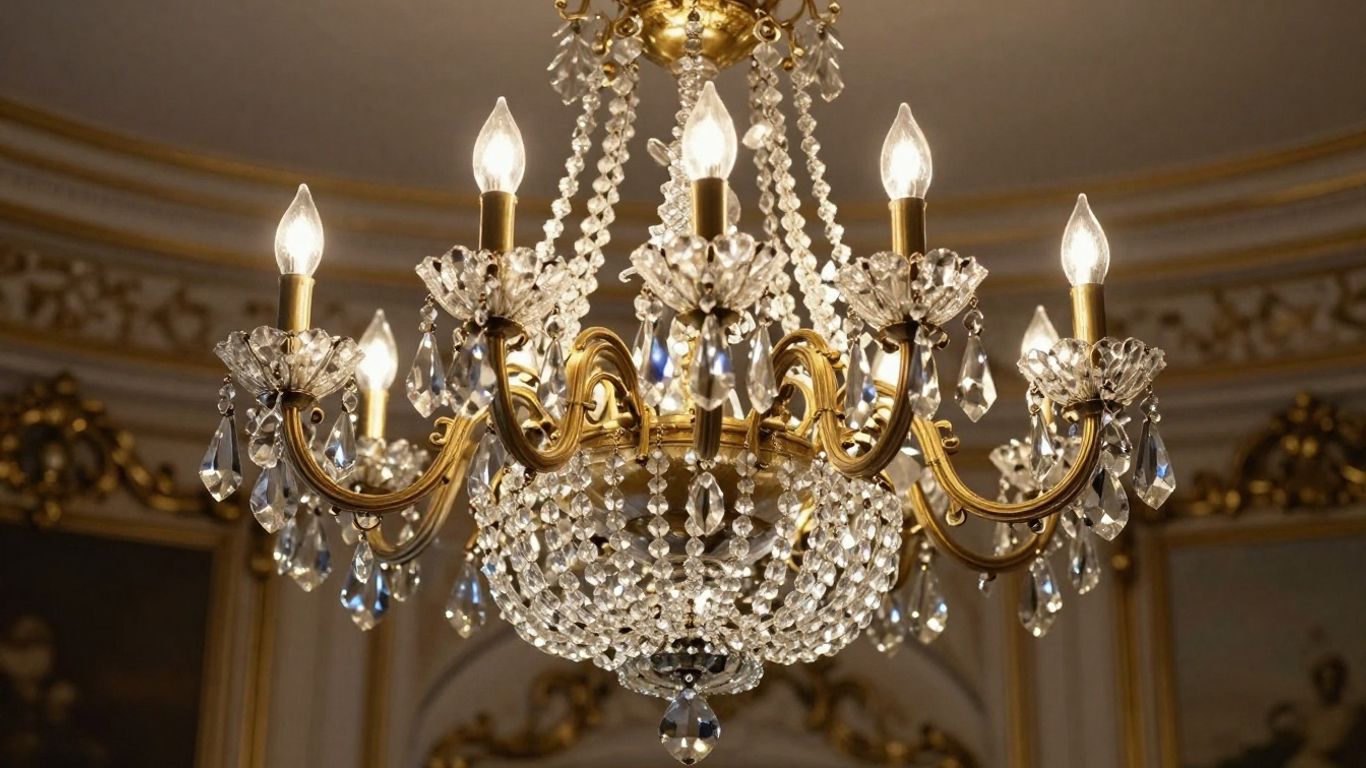
Understanding The Appeal Of Antique Lighting
Let's be honest, sometimes modern lighting just feels a bit... plain. You walk into a room, and the light fixture is just there, doing its job, but not really adding anything special. That's where antique French chandeliers really shine. They're not just about giving off light; they bring a whole lot of history and character into a space. Think about it – these aren't mass-produced items. Each one has a story, a past life in some grand old house or maybe a charming Parisian apartment. This sense of history is what makes them so captivating. They offer a unique way to make your home feel more personal and sophisticated, moving beyond the ordinary. It's like bringing a piece of art that also happens to light up your room.
Elevating Spaces With Historical Elegance
Adding an antique French chandelier is a surefire way to give any room a serious style upgrade. These fixtures have a way of making even the most basic spaces feel more luxurious and inviting. They bring a certain gravitas, a sense of timeless beauty that newer items just can't replicate. Whether you're aiming for a grand ballroom feel or just want to add a touch of old-world charm to your living room, these chandeliers do the trick. They can transform a room from functional to fabulous, creating a focal point that guests will notice and admire. It’s about more than just decor; it’s about creating an atmosphere.
The Statement Piece For Refined Interiors
When you're going for a truly refined look, an antique French chandelier is the ultimate statement piece. It's the kind of item that doesn't just fit into a room; it defines it. These chandeliers often feature intricate metalwork, delicate crystals, or unique glass elements that catch the light beautifully. They are conversation starters, for sure. People will ask about it, admire its craftsmanship, and wonder about its journey. It’s a way to showcase your taste and appreciation for quality and history.
Here’s a quick look at what makes them so special:
- Historical Significance: Each chandelier carries a piece of the past.
- Artistic Craftsmanship: Intricate details and skilled artistry are evident.
- Unique Character: No two antique chandeliers are exactly alike.
- Timeless Appeal: Their beauty transcends fleeting trends.
Choosing an antique French chandelier is an investment in style and history. It's a way to infuse your home with a unique personality and a sense of enduring elegance that simply can't be found with contemporary lighting solutions. They add a warmth and a story that makes a house feel like a home.
Exploring Diverse Styles Of French Antique Chandeliers
The world of antique French chandeliers is wonderfully varied, offering something for just about every taste and home. It's not all about gilded opulence, though that's certainly an option! You can find pieces that lean into a more relaxed, country feel, or even modern takes that still carry that unmistakable French flair. Understanding these different styles is key to finding the perfect piece that speaks to you.
Classic And Traditional French Designs
These are the chandeliers that often come to mind when you think of historical French interiors. Think 18th and 19th-century elegance, with intricate metalwork, often in bronze or brass, featuring graceful curves and detailed scrollwork. They frequently showcase cascades of sparkling crystals or delicate glass elements that catch the light beautifully. These designs are all about refined beauty and can instantly make a formal dining room or a grand entryway feel even more special. They bring a sense of history and sophistication that mass-produced items just can't replicate.
Rustic And Vintage-Inspired French Chandeliers
If your heart leans towards a cozier, more lived-in aesthetic, then rustic and vintage-inspired French chandeliers might be your ideal match. These often feature materials like distressed wood or wrought iron, showing off their age with charming imperfections. The finishes might be intentionally worn, giving them a character that feels authentic and warm. These fixtures are perfect for creating a welcoming atmosphere, bringing a touch of the French countryside into your home. They pair wonderfully with natural textiles and simpler furniture styles, creating a relaxed yet elegant vibe. You might even find pieces that complement [country-style lighting] in other areas of your home.
Modern Interpretations With A French Touch
French design isn't stuck in the past, though! There are contemporary chandeliers that take inspiration from classic French forms but present them with cleaner lines and simpler silhouettes. These might blend traditional materials in unexpected ways or use more geometric shapes while still retaining an element of French chic. They're a fantastic way to introduce a hint of that timeless French elegance into a more modern living space without overwhelming the decor. It's about finding that sweet spot between historical influence and current design trends.
Here's a quick look at how styles can differ:
| Style Element | Classic French | Rustic French | Modern French |
|---|---|---|---|
| Materials | Bronze, Crystal, Glass | Wrought Iron, Wood | Mixed Metals, Glass |
| Form | Ornate, Curved | Simple, Natural | Geometric, Sleek |
| Overall Feel | Formal, Elegant | Cozy, Charming | Chic, Understated |
Choosing the right style really depends on your personal taste and the overall look you're going for in your home. Don't be afraid to mix and match elements to create something unique!
Key Characteristics Of French Antique Chandeliers
When you're looking at French antique chandeliers, there are a few things that really stand out. It's not just about the light they give off; it's about the craftsmanship and the materials that tell a story. These fixtures are often more than just lighting; they're like pieces of art that bring a whole lot of character into a room.
Intricate Metalwork And Graceful Curves
One of the first things you'll notice is the metal. Think wrought iron, bronze, or brass, often with a finish that looks like it's seen a bit of time. The shapes are usually really elegant, with lots of swirling lines and detailed scrollwork. It's this attention to detail in the metal that gives them that classic French feel. They aren't just straight lines; they have a flow to them that's really pleasing to the eye. This kind of metalwork can really make a statement, adding a touch of old-world charm that's hard to replicate.
The Sparkle Of Crystal And Glass
Then there's the sparkle. Many antique French chandeliers are adorned with crystals or glass elements. These aren't always the super-clear, modern kind either. Sometimes you'll find frosted glass, colored glass, or even hand-blown pieces that have slight imperfections, which just adds to their charm. When light hits these pieces, it creates this beautiful, diffused glow that can really transform a space. It’s this combination of the metal structure and the shimmering accents that makes them so captivating. You can find some truly stunning examples when you explore different styles of French chandeliers.
Distressed Finishes And Natural Materials
Another hallmark is the use of distressed finishes and natural materials. You might see wood that looks aged, or metal with a patina that suggests it's been around for ages. This isn't about looking new and perfect; it's about embracing the signs of age and history. These finishes give the chandeliers a warm, inviting feel, making them blend beautifully into a variety of decors, from rustic farmhouses to more formal settings. They feel authentic and lived-in, which is a big part of their appeal.
The beauty of these chandeliers often lies in their imperfections. A slight tarnish on the metal or a subtle variation in the glass isn't a flaw; it's a testament to the piece's history and the hand that crafted it. This character is what sets them apart from modern reproductions.
Here's a quick look at common materials:
- Metals: Wrought iron, brass, bronze, sometimes with patinated or gilded finishes.
- Glass/Crystal: Clear cut crystal, frosted glass, colored glass, hand-blown glass.
- Wood: Often used for central columns or decorative elements, typically with aged or distressed finishes.
- Other Accents: Sometimes you'll find beads, porcelain elements, or even fabric shades on older pieces.
Finding Your Perfect French Antique Chandelier
So, you've decided an antique French chandelier is the way to go. That's awesome! But where do you actually find one? It can feel a bit like a treasure hunt, and honestly, that's part of the fun. You're not just buying a light fixture; you're bringing a piece of history into your home.
Antique Shops and Flea Market Treasures
This is where the real adventure begins. Wandering through dusty antique shops or bustling flea markets can uncover some incredible finds. You never know what gem is hiding on a shelf, waiting to be discovered. It’s all about patience and keeping your eyes peeled.
- Talk to the shop owners or dealers. They often know the stories behind their pieces and can offer insights into their origin and age.
- Inspect the chandelier closely. Look for any signs of damage, missing parts, or previous repairs. A little wear can add character, but significant damage might be a deal-breaker.
- Don't be afraid to negotiate. Haggling is often expected, and you might just snag your dream chandelier at a great price.
Online Marketplaces and Auctions
If you can't get out to physical shops, the internet is your next best bet. Websites like Etsy, eBay, and specialized antique dealer sites have a huge selection. It’s super convenient, but you do need to be a bit more careful.
- Read descriptions thoroughly. Pay attention to details about materials, dimensions, and condition. If something seems vague, ask the seller for more information.
- Check seller reviews and ratings. A seller with a good track record is usually a safe bet.
- Request extra photos or even a video. Seeing the chandelier from different angles, perhaps even lit up, can give you a much better sense of its true appearance and condition.
Buying online means you're relying on the seller's description and photos. Always prioritize sellers who are transparent and provide detailed information. It's better to be safe than sorry when investing in a unique piece like this.
Specialty Lighting Stores
Some stores focus specifically on lighting, and a few of those even specialize in antique or vintage pieces. These places can be fantastic because they often have knowledgeable staff who can guide you. They might also have a more curated selection, meaning less sifting through items that aren't quite right.
- Ask about their authentication process. How do they ensure the pieces they sell are genuine antiques?
- Inquire about their return policy. It's good to know you have options if the chandelier doesn't work out once you get it home.
- Consider their repair and restoration services. If a piece needs a little TLC, a good specialty store might be able to help.
Ultimately, finding the right chandelier is a journey, and the effort you put in will be rewarded with a truly unique and beautiful statement piece for your home.
Integrating French Antique Chandeliers Into Your Home
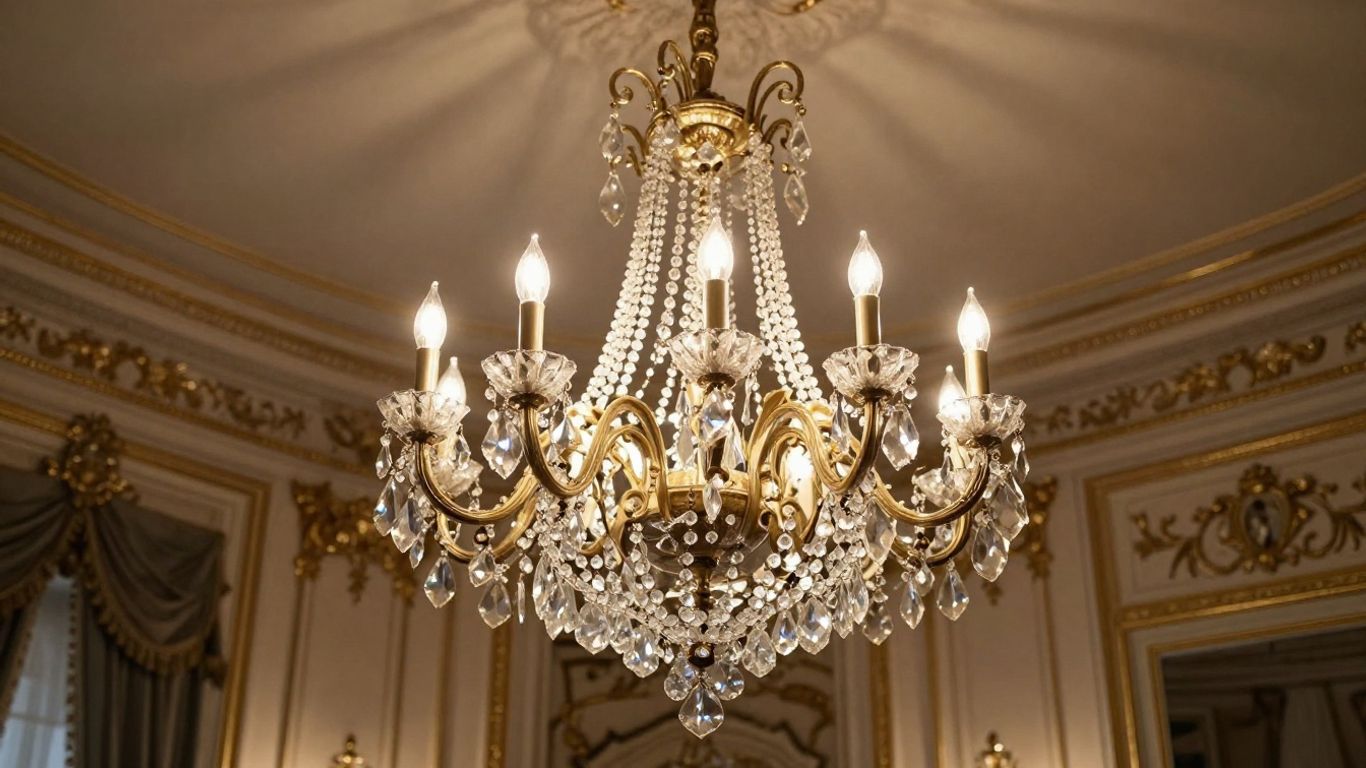
So, you've found the perfect antique French chandelier – now what? Bringing these historical beauties into your home is about more than just hanging a light. It's about creating a mood, a focal point, and a connection to the past. Think of it as adding a piece of art that also happens to light up your room. The right placement can completely change the feel of a space.
Enhancing Living Spaces With Elegance
Your living room is often the heart of the home, and an antique French chandelier can really make it shine. It's not just about the light it casts, but the story it tells. Imagine the soft glow reflecting off intricate metalwork or delicate crystals. It adds a layer of sophistication that modern fixtures just can't match. When choosing, consider the room's existing style. A more ornate chandelier might look stunning against simpler furniture, creating a lovely contrast. Or, if your room already has a lot of detail, a chandelier with cleaner lines might be a better fit. It’s about finding that balance.
- Assess the room's size and ceiling height. A grand chandelier needs space to breathe, while a smaller one might be better for lower ceilings.
- Consider the color palette. Does the chandelier’s metal finish complement your furniture and wall colors?
- Think about the overall vibe. Are you going for cozy and inviting, or dramatic and grand?
Placing an antique chandelier in a living area can instantly make it feel more curated and intentional. It signals a thoughtful approach to design, moving beyond purely functional lighting.
Creating a Focal Point In Dining Areas
The dining room is practically made for a statement chandelier. It's where families gather, meals are shared, and conversations flow. An antique French chandelier above your dining table acts as a natural centerpiece, drawing everyone's attention. Getting the size right is key here. Too small, and it looks lost; too big, and it feels overwhelming. Here’s a rough guide:
| Room Size (sq ft) | Suggested Chandelier Diameter (inches) |
|---|---|
| 100-150 | 20-24 |
| 150-225 | 24-30 |
| 225-300 | 30-36 |
Remember, this is a starting point. You also want to make sure there's enough clearance for people to sit at the table comfortably without bumping their heads. A good rule of thumb is about 30-36 inches between the tabletop and the bottom of the chandelier for standard 8-foot ceilings. For higher ceilings, you can adjust accordingly. Pairing a chandelier with [French antique furniture] can create a cohesive look.
Adding Grandeur To Entryways
Your entryway is the first impression guests have of your home. What better way to welcome them than with the timeless elegance of a French antique chandelier? It sets a tone of sophistication right from the start. Even a smaller entryway can benefit from a well-chosen fixture. For narrower spaces, consider a more vertical or elongated design. The goal is to add a touch of sparkle and history without making the space feel cramped. Think about how the light will spill into the rest of your home as people enter. It’s a subtle way to introduce the character of your home's interior. When selecting a fixture for this area, it’s often helpful to [harmonize finishes] with other metal accents in your home, like door handles or console table legs.
Caring For Your French Antique Chandelier
Keeping your antique French chandelier looking its best is really about a few simple, consistent habits. It's not rocket science, but it does require a gentle touch and the right approach. A little regular attention goes a long way in preserving its beauty and function. Think of it like tending to a treasured piece of art; you want to maintain its original character.
Gentle Cleaning Techniques
When it comes to cleaning, the material of your chandelier really dictates the method. For most crystal and glass elements, a solution of mild soap and warm water is usually sufficient. Use a soft, lint-free cloth to wipe each piece, and be sure to dry them thoroughly to prevent water spots. For metal components, a specialized gentle metal cleaner can work, but always test it on a small, hidden area first to make sure it doesn't damage the finish. Some chandeliers might have distressed finishes or natural materials that only need a light dusting with a feather duster or a dry microfiber cloth. Avoid harsh chemicals or abrasive cleaners at all costs, as they can cause irreversible damage.
For heavily soiled and greasy chandeliers, a preliminary hand-cleaning with a microfiber cloth and soap and water or Windex is necessary. After this initial cleaning, further steps can be taken. Preserving the patina is often more important than making it look brand new.
Preserving the Patina and Materials
That aged look, or patina, is often what gives an antique chandelier its unique charm. It's a sign of its history. So, when cleaning, try to work with the patina rather than against it. For metal parts, instead of trying to make them shine like new, focus on removing dust and grime gently. If you're dealing with wood elements, a slightly damp cloth is usually enough; never soak the wood. For pieces with intricate metalwork, a soft brush can help get into the nooks and crannies without scratching. It's all about respecting the age and materials of the fixture.
The goal is to maintain the chandelier's historical integrity. This means being mindful of how cleaning affects the original materials and finishes. Sometimes, less is more.
Regular Maintenance For Longevity
Beyond cleaning, a few other maintenance steps will help your chandelier last for generations. Periodically check for any loose parts, such as crystals or screws. Gently tightening these can prevent them from falling off later. It's also a good idea to give the wiring a visual inspection now and then, though if you see any signs of wear or damage, it's best to call a professional. Keeping the area around the chandelier free of excessive dust can also help. A quick dusting every week or two with a soft cloth or feather duster is usually enough to keep buildup at bay. This consistent care ensures your chandelier remains a stunning focal point in your home.
Here's a quick rundown of common issues and their solutions:
- Loose Crystals: Gently tighten or replace missing connectors.
- Tarnished Metal: Use a gentle metal cleaner, but always test first.
- Damaged Wiring: Consult a professional for rewiring.
- Broken Glass/Crystal: Source replacements or seek professional repair.
- Dust Buildup: Regular dusting with a soft cloth or feather duster.
A Timeless Glow for Your Home
So, there you have it. Antique French chandeliers are more than just fancy lights; they're like little pieces of history you can hang from your ceiling. They bring this amazing warmth and character to a room that you just don't get with the stuff you buy at the big box stores. Whether you're going for that super elegant look or something a bit more laid-back and rustic, there's definitely a chandelier out there that will fit your vibe. Adding one of these beauties is a great way to make your home feel extra special and totally unique. It’s a real statement piece, you know?
Frequently Asked Questions
What makes antique French chandeliers so special?
Antique French chandeliers are special because they mix fancy designs with a cozy, old-fashioned feel. They often have cool metalwork, sometimes with pretty crystals or glass, and look like they have a story to tell. They add a unique charm that you just don't get from regular lights.
How do I choose the right size chandelier for my room?
To pick the right size, think about how big your room is and how high your ceiling is. A simple trick is to add the length and width of your room (in feet) together. That number will give you a good idea of the chandelier's diameter in inches. You want it to look balanced, not too big or too small.
What are these chandeliers usually made of?
You'll often find antique French chandeliers made from things like wrought iron, wood, and glass. Some have sparkly crystals hanging from them, while others might have a worn-out look on purpose to seem older and more interesting. They use natural stuff to get that classic vibe.
Can I put an old French chandelier in a modern-looking house?
Absolutely! An antique French chandelier can look amazing in a modern home. It adds a really cool, unique touch and can make your modern furniture and decor stand out even more. It’s like mixing old and new to create something stylish and different.
How should I clean and care for my antique chandelier?
Taking care of your chandelier is pretty simple. Dust it often with a soft cloth. If it needs a better clean, you can use a little bit of mild soap and water, but be careful not to use any strong chemicals that could damage the old materials. Gentle is key!
Where are the best places to find real antique French chandeliers?
You can find these beauties in a few places. Try looking in old antique shops, browsing at flea markets, checking out online stores and auctions, or visiting special shops that focus on antique lighting. You never know what hidden gems you might discover!


Leave a comment