




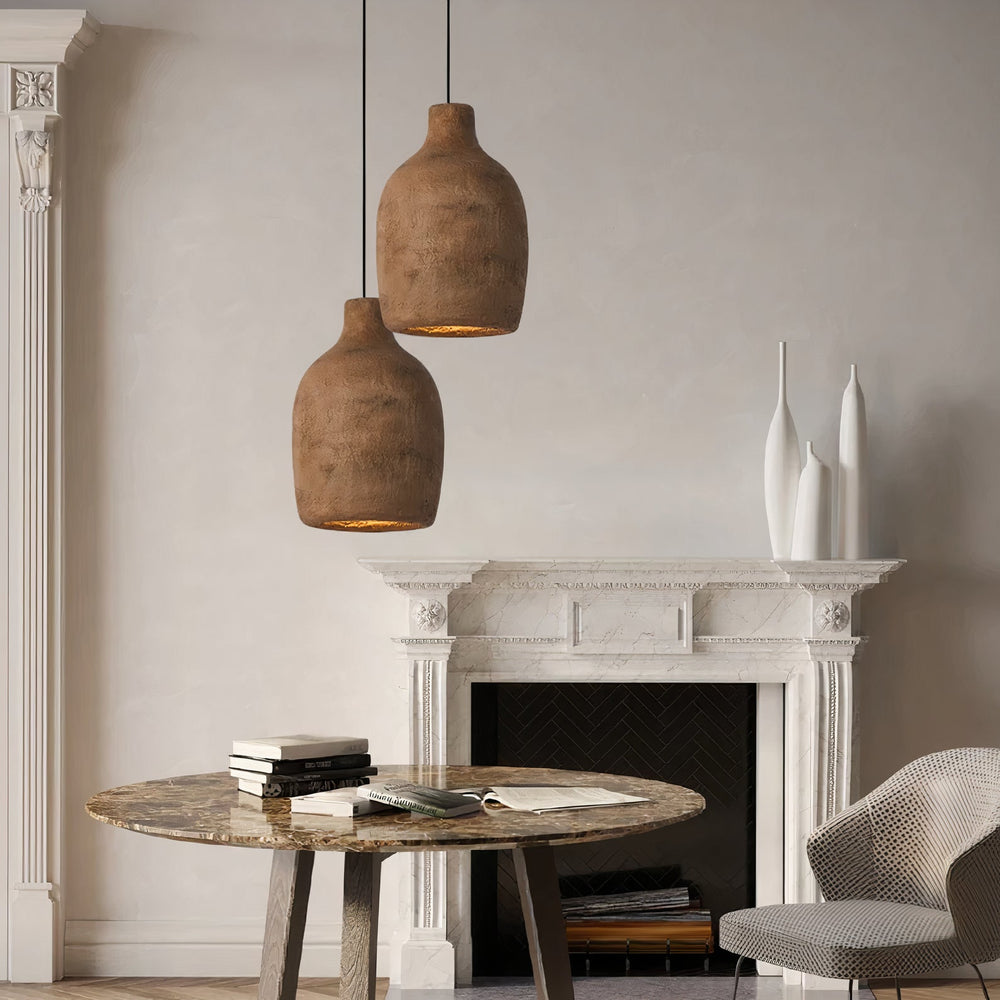
Ceiling Lights & Wall Lights: The Designer Guide to Luxury Home Lighting

Ceiling Lights & Wall Lights: The Designer Guide to Luxury Home Lighting
How to choose the right ceiling lights and wall lights for a home that feels warm, layered, elegant and finished — with square product inspiration, designer placement rules and room-by-room styling advice.
The fastest way to make lighting look expensive
Choose one beautiful ceiling light as the visual anchor, then use wall lights around the edges of the room to soften shadows, frame furniture and create a warm evening atmosphere. The goal is not just brightness. The goal is depth, mood and intention.
Never let one central ceiling light do all the work. Premium homes use layers: ceiling lighting for structure, wall lighting for glow, lamps for intimacy and accent lighting for artwork, shelves, mirrors and architectural details.
Choose the ceiling light that anchors the room
Ceiling lights create the first layer of the scheme. They draw the eye upward, set the tone of the room and give the space its main focal point.
The most premium interiors choose ceiling lights by proportion, not just by style. A chandelier over a dining table should feel connected to the table below. A pendant in a living room should balance the seating area. A hallway light should brighten the space without making the ceiling feel low or crowded.
Look for sculptural shapes, warm metal finishes, soft glass, smoked glass, frosted shades and refined silhouettes that look elegant even when the light is switched off.
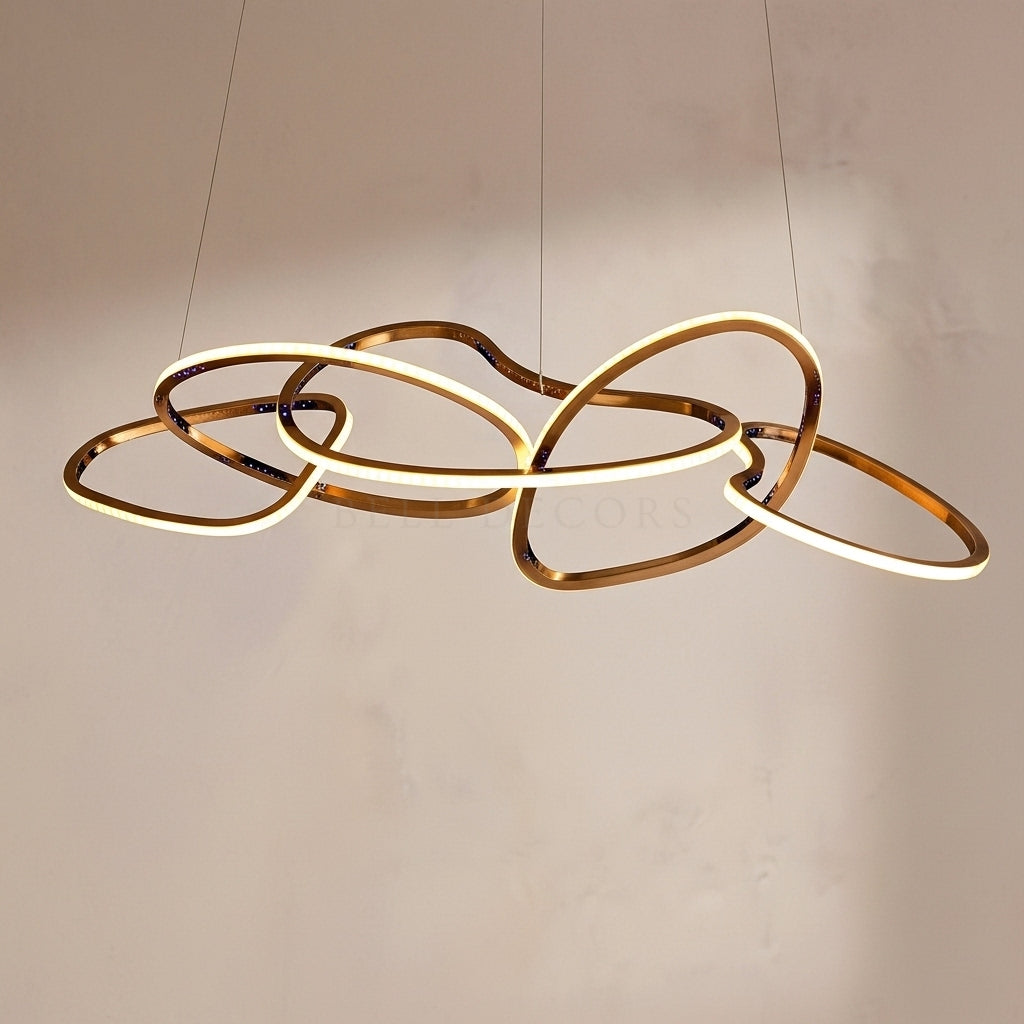
Gold Chandelier
Best for dining rooms, open-plan spaces and living rooms that need a strong sculptural centrepiece.
View product
Gold Ceiling Lights
Best for stairwells, hallways and rooms where you want a luminous glass feature with height and drama.
View product
Semi Flush Ceiling Lights
Best when you want a premium ceiling feature without a long drop, especially in modern homes.
View product
Amber Glass Pendants
Best for islands, breakfast bars and dining corners where you want warm glow without visual heaviness.
Shop ceiling lights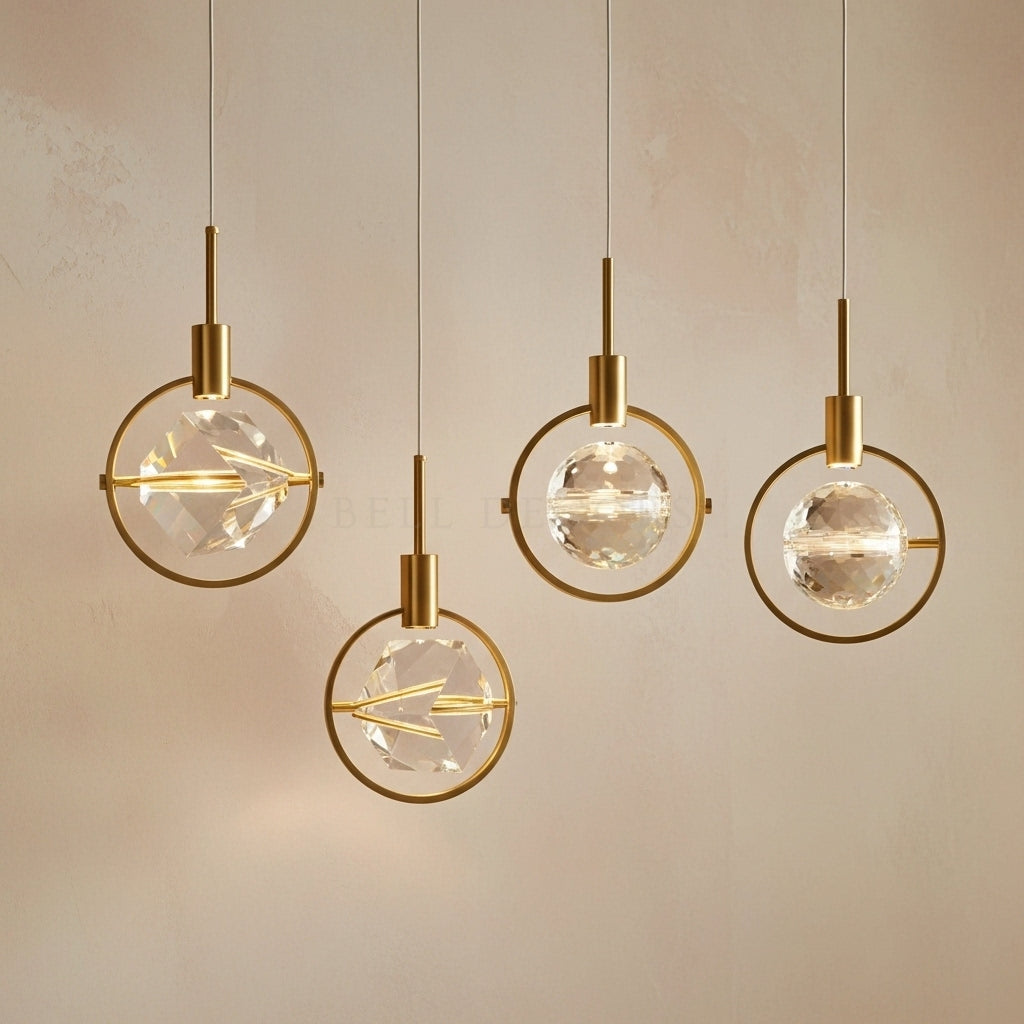
Gold Crystal Pendants
Best for adding sparkle, glamour and jewellery-like detail to dining rooms, hallways and feature spaces.
Shop ceiling lights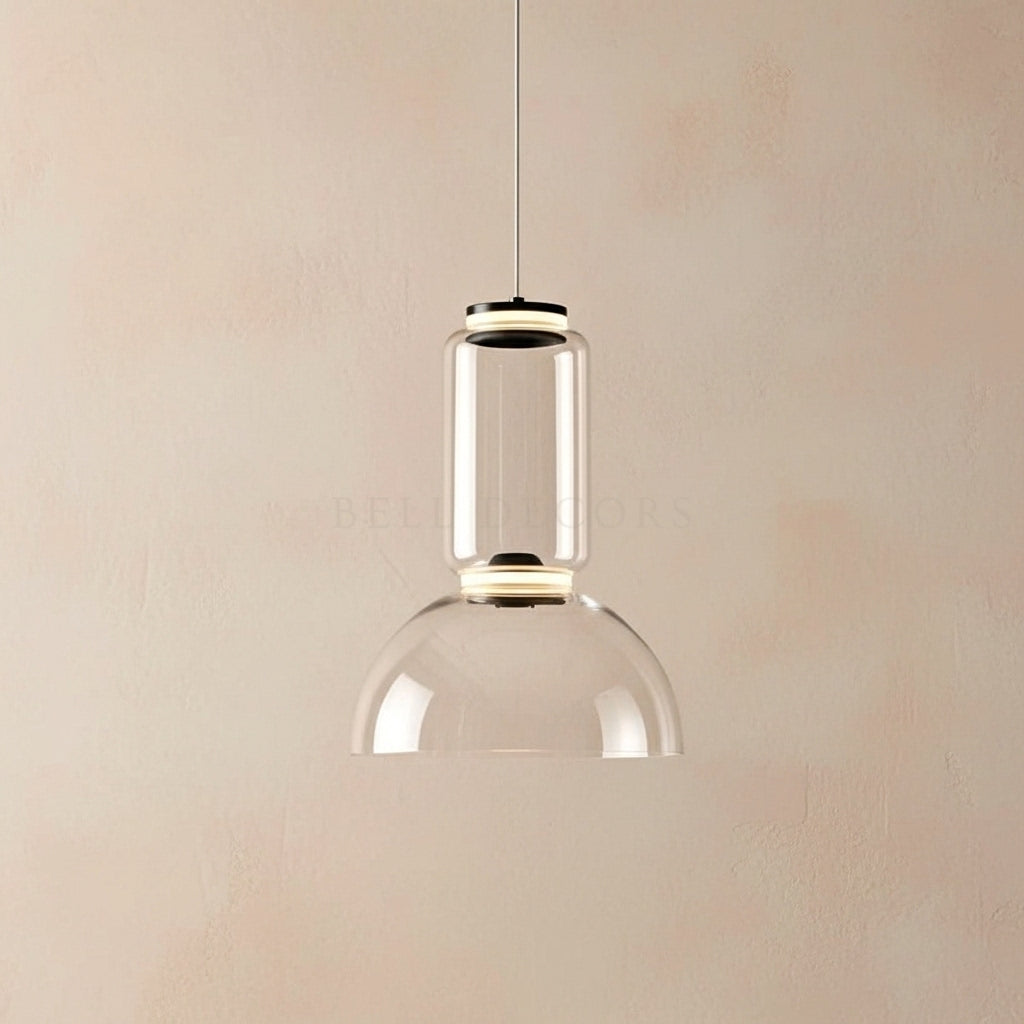
Glass Globe Pendant
Best for calm modern interiors where you want transparency, softness and a clean designer silhouette.
View product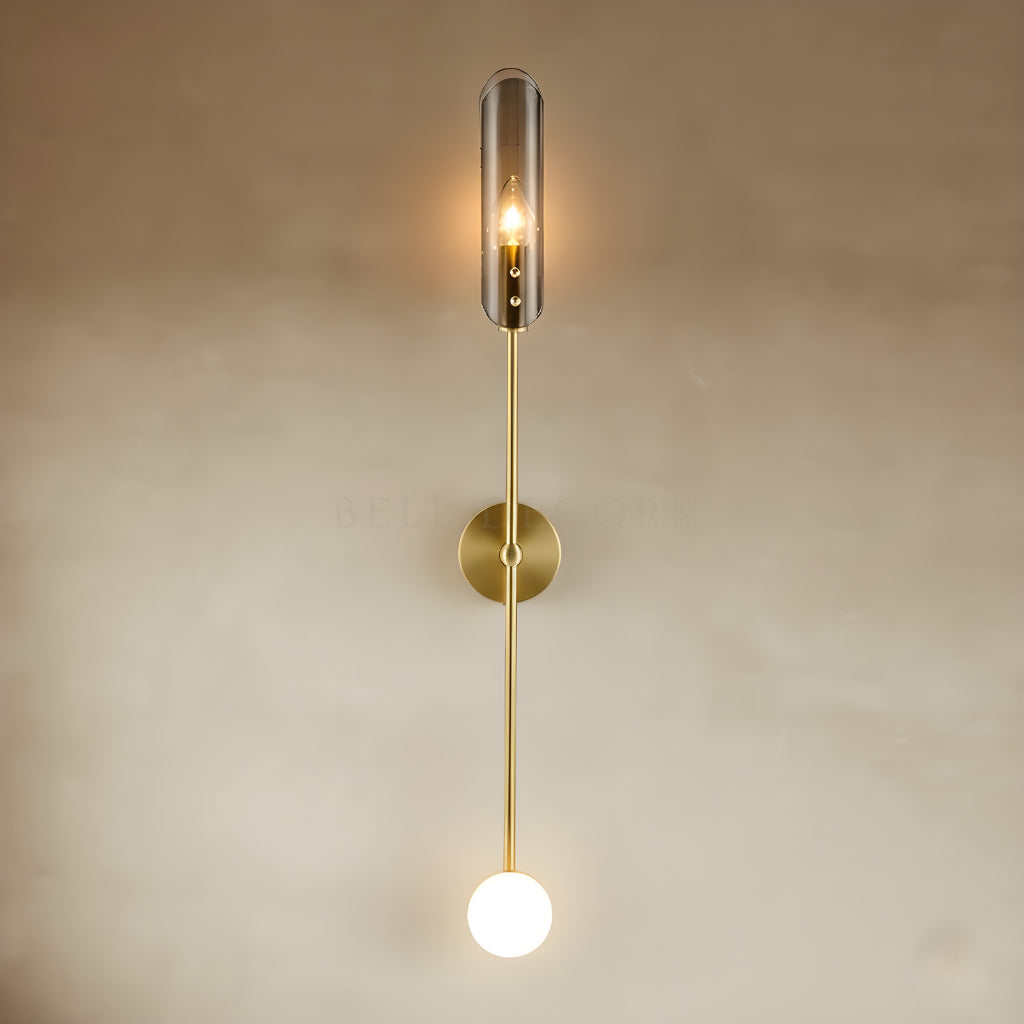
Use wall lights to add depth, rhythm and warmth
Wall lights are the detail that makes a home feel designed rather than simply decorated. They lift light onto the walls, soften flat overhead shadows and create a more architectural mood.
Use them in pairs where symmetry matters: either side of a mirror, beside a bed, around a fireplace or above a console table. Use them in repeated rhythm down hallways, stairwells and long walls to make the home feel more considered.
For a luxury look, choose finishes that repeat from your ceiling light: warm gold, brushed brass, black, smoked glass, frosted glass, marble or soft white metal.
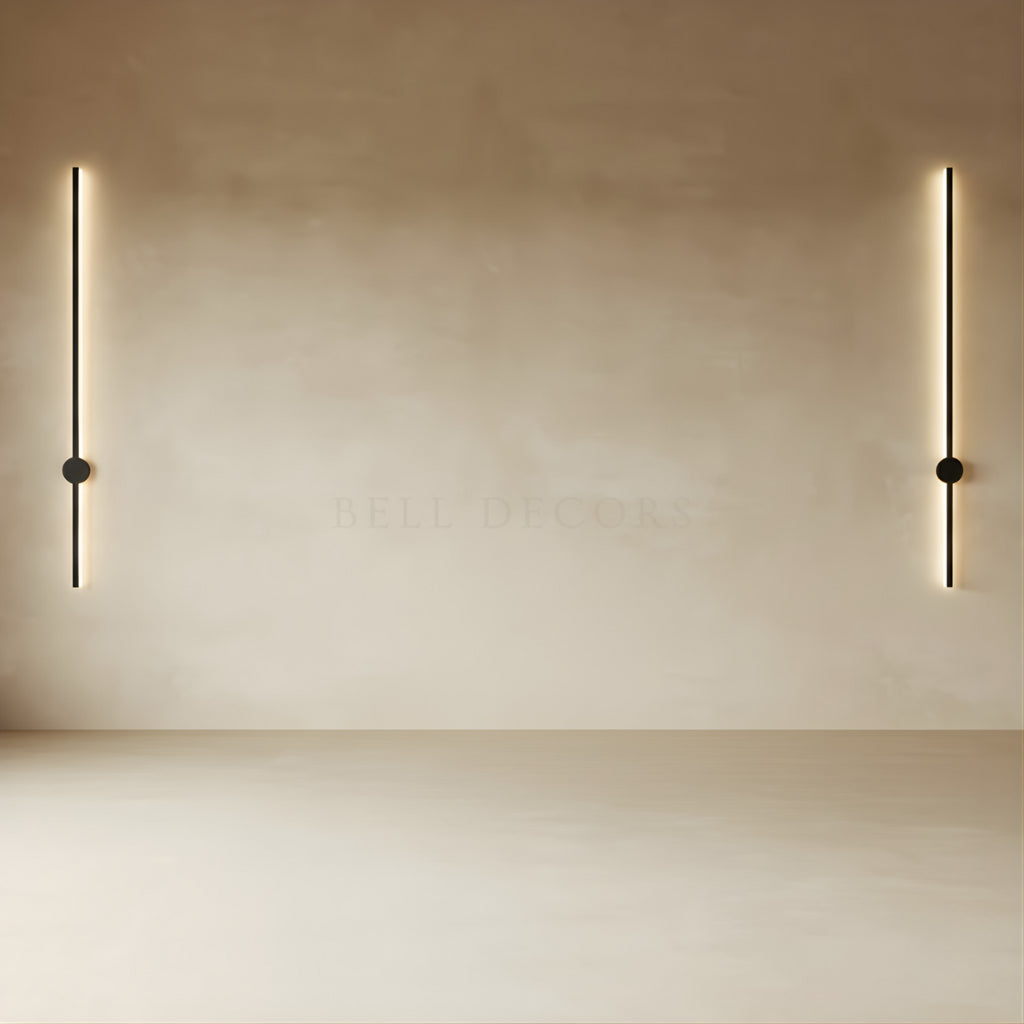
LED Light On Wall
Best for clean corridors, modern bedrooms and spaces that need a slim architectural line of light.
View product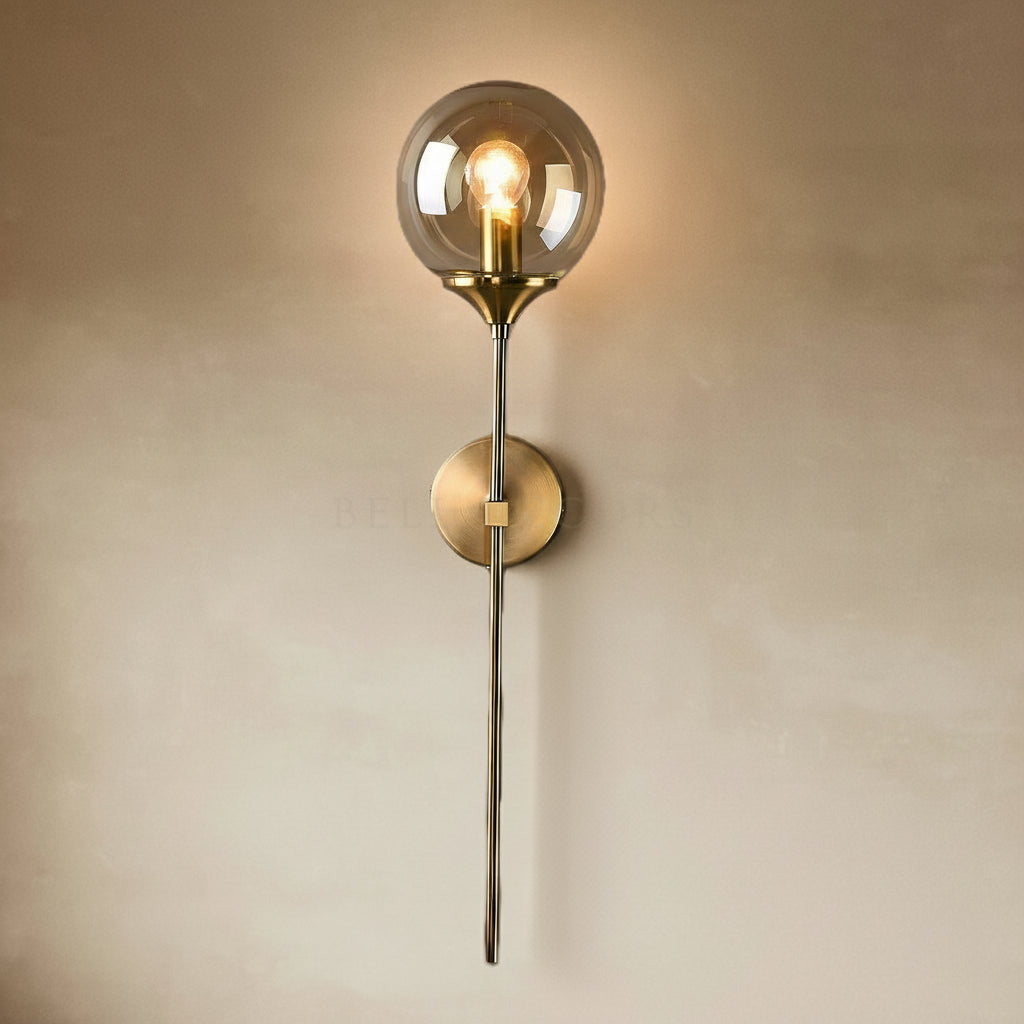
Glass Wall Lights
Best for bedrooms, mirrors, hallway features and walls that need a refined glass-and-gold detail.
View product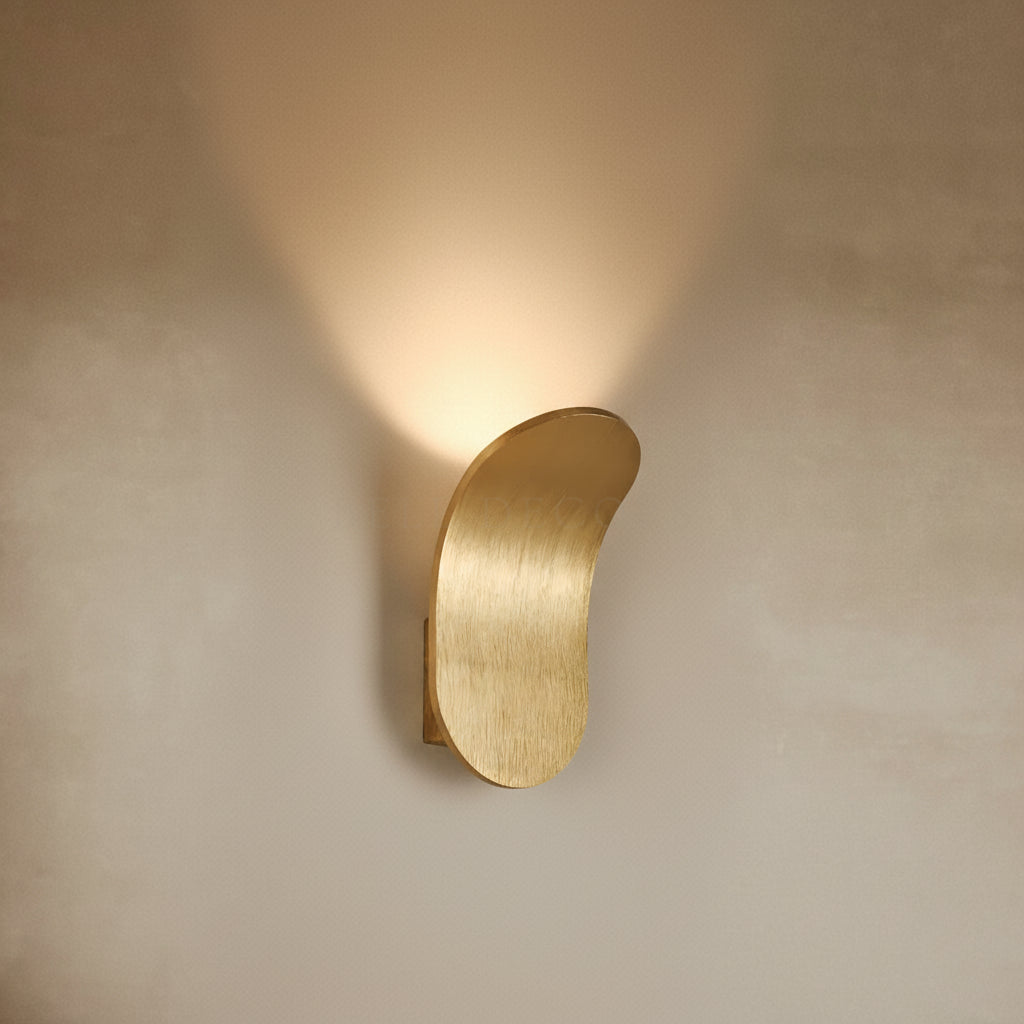
Cozy Ambience Wall Light
Best for creating evening atmosphere, warming plain walls and adding sculpture without clutter.
View product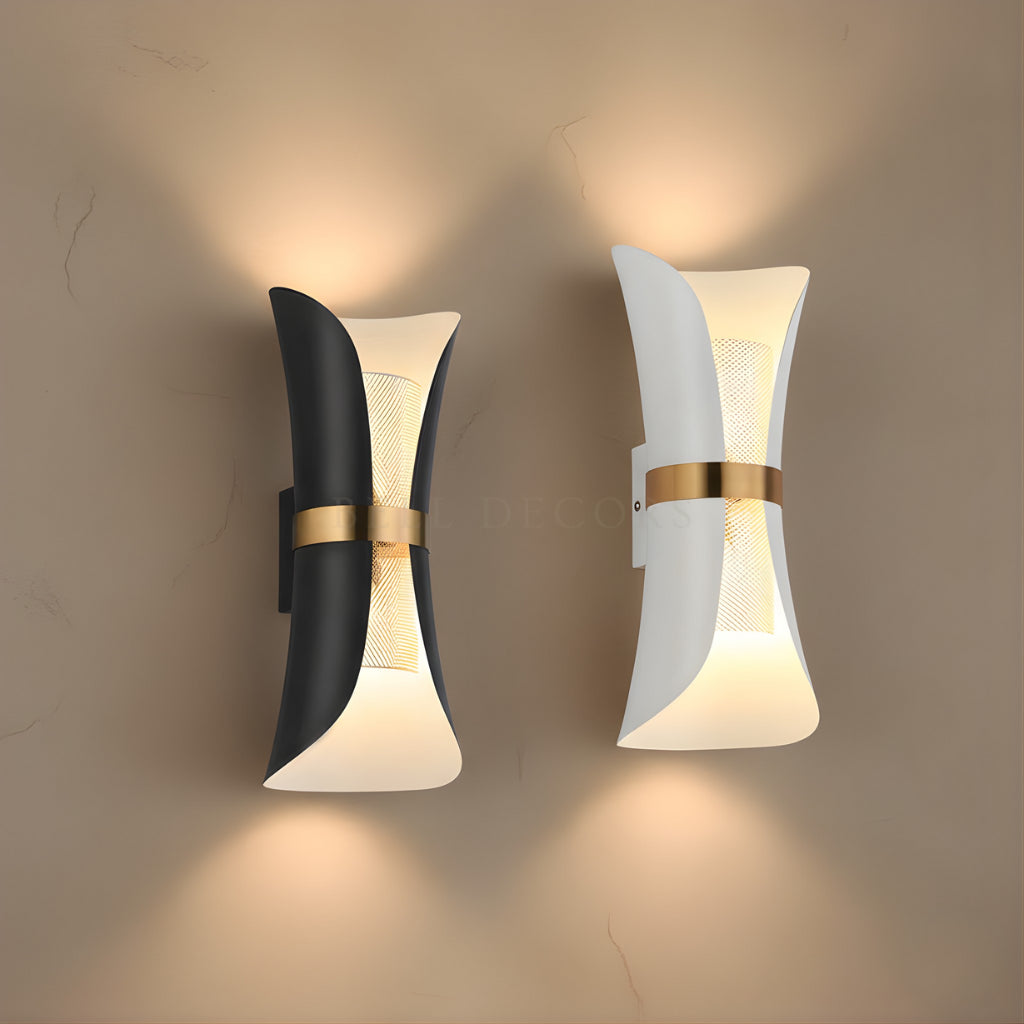
Warm Wall Lights
Best for corridors, living room walls and layered schemes that need both contrast and softness.
Shop wall lights
Marble Wall Light
Best for console areas, entrances and feature walls where a richer material finish matters.
View productGold Glass Sconce
Best for refined walls, bedside symmetry and warm focal points beside mirrors or artwork.
Shop wall lightsLighting ideas for every room
Every room needs a different balance of practical light and atmosphere. Use this room guide as a simple design plan before choosing your fittings.
Best for layered glow
Living Room
Use a statement ceiling light as the anchor, then add wall lights around artwork, alcoves, shelving or a fireplace.
- Choose warm white bulbs for a relaxed evening feel.
- Add lamps so the room never relies on one overhead light.
- Repeat brass, black, smoked glass or frosted glass for cohesion.
Best for dining drama
Dining Room
The ceiling light should frame the table and make the dining area feel deliberate, intimate and restaurant-like.
- Centre the pendant or chandelier over the table.
- Use wall lights nearby to soften the perimeter.
- Choose dimmable bulbs where possible for dinner ambience.
Best for symmetry
Bedroom
Bedroom lighting should feel calm, soft and low-glare. Matching wall lights beside the bed create a boutique-hotel finish.
- Use shaded, diffused or softly glowing fittings.
- Place bedside wall lights in pairs for balance.
- Avoid harsh cool bulbs in sleep spaces.
Best for first impressions
Hallway
Hallways look more premium when the light repeats with rhythm instead of relying on one lonely ceiling fitting.
- Use flush or semi-flush ceiling lights where height is limited.
- Repeat slim wall lights evenly down longer corridors.
- Keep fittings shallow in narrow spaces.
Best for practical luxury
Kitchen
Kitchens need clarity for preparation, but decorative pendants stop the room feeling clinical.
- Use ceiling lights for general brightness.
- Add pendants over islands, peninsulas or breakfast bars.
- Coordinate metal finishes with taps, handles or bar stools.
Best for mirror light
Bathroom
A central ceiling light is useful, but wall lights beside the mirror create more balanced, flattering light.
- Use wall lights either side of the mirror where possible.
- Check bathroom zone suitability and IP ratings before installation.
- Avoid one harsh overhead light as the only layer.
Best for vertical drama
Stairwell
Stairwells can handle more height, glow and sculptural impact than many smaller rooms.
- Use a cascading pendant where ceiling height allows.
- Add wall lights along the route for guided glow.
- Keep the finish consistent with hallway lighting.
Best for a styled entrance
Console Area
A mirror, console table and two wall lights can make an entrance feel instantly designed.
- Place wall lights either side of the mirror for symmetry.
- Use a warm metal finish for a softer luxury look.
- Add a table lamp if the console is deep enough.
Best for calm focus
Home Office
Use clear task lighting without making the room feel cold or flat.
- Use a ceiling light for even base illumination.
- Add wall lights or a desk lamp to reduce screen glare.
- Choose a slightly cleaner warm white if the room needs focus.
Placement, height and sizing rules that make lighting look deliberate
A beautiful fitting can still look wrong if it is too small, too high, too low or disconnected from the furniture below it. These are simple starting points to help your lighting feel professionally planned.
A useful starting zone for many wall lights is around eye level, measured to the centre of the fitting. Adjust for furniture, ceiling height and glare.
Dining pendants often look best when they sit roughly this distance above the tabletop, keeping the light connected to the table.
For a calmer premium scheme, limit lighting finishes to one main finish and one supporting finish.
Use ambient, task and accent lighting so the room can shift from bright and practical to soft and atmospheric.
How a finished room should glow
The ceiling light gives the room structure. Wall lights add vertical warmth. Furniture and accent lighting complete the atmosphere at human level.
| Area | Best fitting | Placement rule | Premium finish tip |
|---|---|---|---|
| Dining table | Linear pendant, chandelier or grouped pendants | Centre over the table and keep the light visually connected to the dining surface. | Match the light length to the table length rather than choosing something too small. |
| Bedside | Pair of wall lights or shaded sconces | Place in pairs and align with the bedhead, bedside table or reading position. | Use diffused glow so the bedroom feels calm rather than harsh. |
| Hallway | Flush ceiling lights plus repeated wall lights | Repeat evenly so the wall lights create rhythm and guide the eye forward. | Choose slim fittings in narrow corridors to avoid visual clutter. |
| Mirror wall | Two matching wall lights | Frame the mirror evenly on each side rather than relying only on a ceiling light. | Use warm glass or brushed gold for a softer, more flattering effect. |
| Living room | Statement pendant, chandelier, wall lights and lamps | Use the ceiling light for the centre, then push glow toward the room edges. | Repeat one finish across ceiling and wall lighting for a curated look. |
Colour temperature: the difference between flat and beautiful
Colour temperature changes how every material in the room feels. Warm white light makes brass, marble, wood, fabric and textured walls feel softer and more inviting. Harsh cool light can make the same room feel clinical.
Very warm and cosy
Excellent for bedrooms, lounges, reading corners and evening ambience where softness matters most.
Warm but cleaner
A strong choice for modern homes, dining spaces, kitchens and bathrooms where you want warmth with clarity.
Cooler and brighter
Better for task-heavy utility areas, garages or work zones, but often too cold for relaxed luxury interiors.
For the most elegant result, keep the main living areas close in colour temperature. A room feels more expensive when the ceiling lights, wall lights and lamps glow in the same warm family.
Common lighting mistakes that make a room look cheaper
- Only using one overhead light: this creates flat shadows and removes atmosphere.
- Choosing fittings too small: undersized ceiling lights can make a room look unfinished.
- Using cool bulbs everywhere: cold light can make warm interiors feel sterile and harsh.
- Ignoring the walls: blank walls need glow, rhythm and architectural interest.
- Mixing too many finishes: too many metals and shapes can make the scheme feel random.
- Forgetting dimming: dimmable lights let the room move from practical daytime use to evening ambience.
- Placing wall lights too high: wall lights should feel connected to furniture, mirrors or eye level.
- Using exposed bulbs in the wrong room: glare can make bedrooms, lounges and dining spaces feel uncomfortable.
Helpful video searches for lighting inspiration
Use these quick video searches to compare layered lighting, warm white bulbs, wall sconces and ceiling light ideas before choosing your final fittings.
Layered lighting basics
Learn how designers combine ceiling, wall, table and accent lighting.
Search YouTubeWarm vs cool white
Compare how bulb colour changes the mood and finish of a room.
Search YouTubeWall sconce placement
See examples for bedsides, mirrors, hallways and feature walls.
Search YouTubeCeiling light ideas
Get inspiration for pendants, chandeliers, semi-flush lights and glass fittings.
Search YouTubeCeiling lights and wall lights: common questions
Use these answers as a final checklist before choosing your fittings.
Should ceiling lights and wall lights match?
They do not need to be identical, but they should feel connected. Use a shared finish, material, shape or colour temperature so the room feels intentional.
What is the best colour temperature for living rooms?
Warm white, usually around 2700K to 3000K, is a strong starting point because it feels soft, relaxed and inviting.
Are wall lights still in style?
Yes. Wall lights remain popular in premium interiors because they add layered glow, create architectural rhythm and soften a room in the evening.
What ceiling lights are best for low ceilings?
Flush and semi-flush ceiling lights usually work best because they add style and brightness without visually lowering the ceiling too much.
Where should wall lights be placed in a hallway?
Place them at a comfortable eye-level starting point and repeat them evenly. In narrow hallways, choose slimmer fittings so the wall lights do not feel bulky.
Can wall lights replace bedside lamps?
Yes. Wall lights are excellent beside beds because they free up bedside table space and create a cleaner boutique-hotel look when installed as a matching pair.
How do I make a room look more expensive with lighting?
Use layers. Start with a ceiling light for structure, add wall lights for vertical glow, use lamps for intimacy and keep the main bulbs warm and consistent.

Make your home feel warm, finished and beautifully designed
The right lighting does more than brighten a room. It frames furniture, softens architecture, enhances texture and changes the mood of the entire home. Start with a ceiling light that anchors the space, then add wall lights for atmosphere, symmetry and warmth.


Leave a comment