




Brighten Your Space: Stylish 3 Light Chandelier Options for Every Room
Sometimes a room just needs a little something extra, right? Maybe the lighting feels a bit off, or the whole space feels a little… blah. Well, guess what? A 3 light chandelier might be exactly what you're looking for. These aren't just for fancy dining rooms anymore; they're super versatile and can totally change the vibe of pretty much any room in your house. Let's talk about how to pick one that fits your style and makes your space feel just right.
Key Takeaways
- A 3 light chandelier is a great middle-ground option, offering good light without being too much for most rooms.
- Think about the size of your room and your ceiling height when picking out a chandelier so it looks balanced.
- There are tons of styles, from modern and sleek to rustic and charming, so you can find one that matches your decor.
- The finish of the chandelier (like brushed nickel or matte black) and the type of bulbs you use really affect the mood of the room.
- Don't be afraid to put a 3 light chandelier in unexpected places like a bedroom or entryway to add a special touch.
Choosing the Perfect 3 Light Chandelier
Understanding the Role of a 3 Light Chandelier
So, you're looking to add a little something extra to your room, and a chandelier seems like the way to go. But why specifically a 3-light one? Well, these fixtures hit a sweet spot. They're not so big they'll overpower a smaller space, but they offer more light and visual interest than a single pendant. Think of them as the Goldilocks of chandeliers – just right for a lot of different areas. They can be the main light source in a cozy bedroom or add a touch of style over a kitchen island. A well-chosen 3-light chandelier can totally change the feel of a room, making it more inviting and put-together. It’s about finding that balance between function and form, and these fixtures do a great job of that.
Balancing Size and Style
When you're picking out a chandelier, the size is a big deal. You don't want something that looks lost on your ceiling, nor do you want it to feel like it's about to bump into your head when you walk by. A good rule of thumb for figuring out the diameter is to add the length and width of your room in feet, and that number, in inches, is a good starting point for the chandelier's width. For example, a room that's 10 feet by 12 feet might work well with a chandelier around 22 inches wide. It’s not a hard and fast rule, but it helps.
Beyond just the size, the style needs to match your room. Are you going for something sleek and modern, or do you prefer a more rustic vibe? Think about the other furniture and decor you have. A chandelier can be a great way to tie everything together, or it can be the statement piece that really makes a room pop. It’s worth looking at different styles of lighting to see what catches your eye and fits your home's personality.
Considering Bulb Type for Ambiance
Don't forget about the bulbs! They play a huge role in how your chandelier looks and how the light feels in the room. You've got a few main things to think about here. First, the color temperature. Bulbs are often measured in Kelvin (K), and lower numbers mean warmer, more yellow light (like a cozy incandescent bulb), while higher numbers mean cooler, bluer light. For most living spaces, a warm white (around 2700K to 3000K) is usually best for creating a welcoming atmosphere. It makes colors look richer and feels more relaxing.
Then there's the whole dimmable thing. If you want to change the mood from bright and functional for tasks to soft and low for a relaxing evening, getting dimmable bulbs and a compatible dimmer switch is a game-changer. It gives you so much more control over the lighting. You can also think about the type of bulb itself – LEDs are super energy-efficient and last a long time, which is a big plus. Some bulbs even have a vintage look, which can be great for certain styles of chandeliers. Basically, the bulbs are your secret weapon for getting the perfect glow.
Picking the right chandelier isn't just about picking something pretty. It's about how it fits the space, how it makes you feel, and how it works with the rest of your room. Taking a little time to consider these details can make a big difference in the end.
Styles of 3 Light Chandeliers to Elevate Your Decor
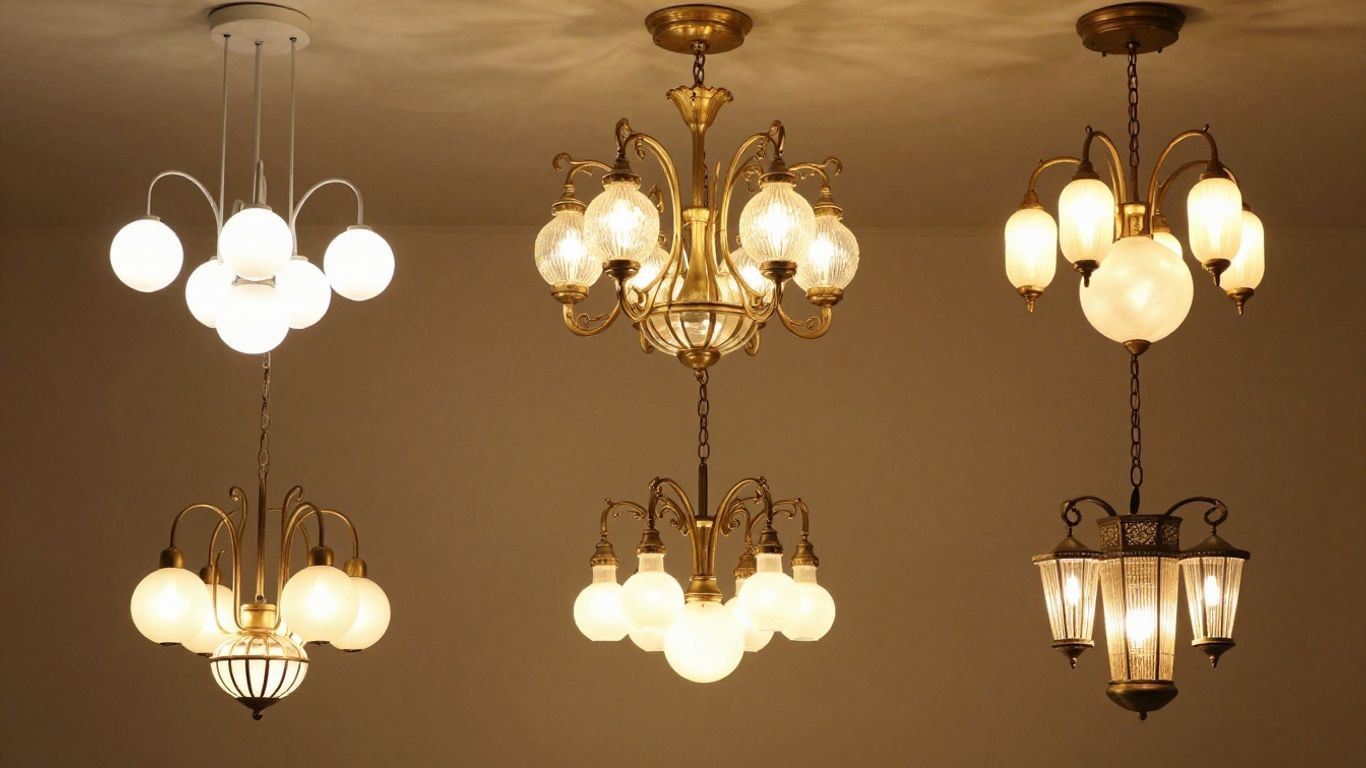
So, you've decided a 3-light chandelier is the way to go. Great choice! Now comes the fun part: picking a style that actually fits your place. It's not just about light; it's about making a statement, you know? The right chandelier can totally change the vibe of a room. Think of it as jewelry for your ceiling.
Modern and Minimalist 3 Light Chandeliers
If clean lines and a no-fuss look are your jam, modern and minimalist styles are where it's at. These often feature simple geometric shapes, metal accents, and maybe some clear glass. They're great for making a space feel bigger and more open, especially if you don't have a ton of room to begin with. They don't scream for attention, but they definitely add a polished touch. You can find some really neat 3-tier modern chandeliers that fit this bill perfectly.
- Geometric Shapes: Think squares, circles, and clean angles.
- Material Focus: Often uses metals like brushed nickel or matte black.
- Subtle Impact: Adds style without being overbearing.
These fixtures are fantastic for smaller apartments or rooms where you want the furniture and decor to be the main focus. They add a touch of sophistication without cluttering the visual space.
Farmhouse and Rustic Charm
Want that cozy, lived-in feel? Farmhouse and rustic chandeliers bring the warmth. We're talking wood tones, wrought iron details, and sometimes even elements that look like they came straight from a barn. These styles are super popular because they make a house feel like a home. They pair well with natural materials and create a relaxed atmosphere.
- Natural Materials: Wood, distressed metal, and sometimes even seeded glass.
- Warm Tones: Think oil-rubbed bronze or antique brass finishes.
- Inviting Feel: Perfect for kitchens, dining areas, or entryways.
Glamorous Crystal and Tiffany Designs
For a bit of sparkle and drama, crystal and Tiffany-style chandeliers are the way to go. Crystal chandeliers catch the light and throw it all around the room, making everything feel a bit more fancy. Tiffany designs, with their colorful stained glass, add a unique artistic flair. These are definitely statement pieces that can make any room feel more luxurious. They're a classic choice for a reason.
- Crystal: Adds sparkle and reflects light beautifully.
- Tiffany: Features intricate stained-glass patterns for a colorful look.
- Luxurious Touch: Ideal for dining rooms or bedrooms where you want a bit of glamour.
Industrial and Sputnik Flair
If your style leans a bit edgier, industrial and Sputnik designs might be calling your name. Industrial fixtures often have exposed bulbs, metal cages, and a raw, unfinished look. Sputnik chandeliers, with their radiating arms, give off a cool mid-century vibe. Both add a lot of personality and can be surprisingly versatile, working well in spaces that aren't strictly industrial or retro.
- Industrial: Exposed bulbs, metal pipes, and a utilitarian look.
- Sputnik: Starburst design with multiple arms, often with exposed bulbs.
- Unique Character: Great for adding a focal point with a bit of an edge.
Choosing the right style really comes down to your personal taste and the overall look you're going for. Don't be afraid to mix and match a little, but keep in mind how the chandelier will fit with the rest of your decor. A well-chosen fixture can make a big difference, whether it's in a grand foyer or a cozy nook. You can find some amazing options for entryway chandeliers that set the tone the moment guests arrive.
Placement and Proportions for Your 3 Light Chandelier
So, you've picked out a fantastic 3-light chandelier, but now comes the tricky part: where exactly do you put it? It's not just about screwing it into the ceiling; the placement and size of your chandelier can totally change how a room feels. Get it wrong, and it might look a bit lost or, worse, like a hazard. Get it right, and it becomes the star of the show.
Determining the Right Size for Your Room
This is where things can get a little math-y, but don't worry, it's simple stuff. A good rule of thumb for the diameter of your chandelier is to add the length and width of your room in feet, and that number, in inches, is a good starting point for the fixture's diameter. For example, a room that's 12 feet by 14 feet would suit a chandelier around 26 inches wide. It's not a hard and fast rule, but it helps you avoid picking something way too big or too small.
- For dining rooms: If you have a round table, aim for a chandelier that's about half to two-thirds the diameter of your table. Make sure it's at least 6 inches narrower than the table itself. For rectangular tables, a linear chandelier should be no more than two-thirds the length of the table.
- For living rooms and other spaces: Consider the overall scale. A chandelier that's too small can get lost, while one that's too large can make the room feel cramped.
- General guideline: Measure your room's width and depth in feet, add them together, and that sum in inches is a good starting point for your chandelier's diameter.
Ceiling Height Considerations
Ceiling height is a big deal, especially when it comes to avoiding head-bumping incidents. For most rooms where people will be walking underneath, the lowest point of the chandelier should be at least 7 feet from the floor. This gives you plenty of clearance. However, if you're hanging it over a dining table, the rules change a bit. You want it lower for that intimate feel. Aim for about 30 to 36 inches above the tabletop. This height provides good light for your meals without being in the way. For rooms with lower ceilings, like in apartments or older homes, you might want to look at semi-flush or flush-mount options, or fixtures with a more compact, sculptural design that don't hang down too far. Always check the recommended hanging height for your specific fixture, especially if you have unusually high ceilings.
When you're figuring out where to hang your chandelier, think about how people will actually use the space. Is it a walkway? A place to eat? A spot for conversation? These activities dictate how low or high the fixture needs to be.
Strategic Placement for Maximum Impact
Where you hang your chandelier matters just as much as its size. In a dining room, it's almost always centered over the dining table. This creates a natural focal point. In a living room, the center of the room is a common spot, but you can also place it over a coffee table or even in a reading nook to define that space. Don't be afraid to think outside the box! A stylish 3-light chandelier can add a surprising touch of glamour above a kitchen island, in a spacious entryway, or even in a walk-in closet. Just remember to keep at least 4 feet between the widest part of your chandelier and the nearest wall or doorway to avoid any awkward collisions.
- Dining Room: Center over the table. This is pretty standard and works well. Hanging pendant lights or chandeliers over a table is a common practice.
- Living Room: Often centered in the room, but can also be placed over a coffee table or seating area to anchor the space.
- Entryway: Centered in the foyer to make a welcoming statement.
- Kitchen Island: Centered over the island to provide task lighting and visual appeal.
If you choose a chandelier with a really bold design, give it some breathing room. Don't clutter the surrounding area with too many other busy decorative items. Let the chandelier be the main event. Sometimes, pairing your chandelier with wall sconces can add a nice layer of light and depth to the room, making the whole lighting scheme feel more complete.
Material and Finish Options for 3 Light Chandeliers
When you're picking out a 3-light chandelier, the materials and finishes it's made from really change how it looks and feels in your room. It's not just about the shape or size; the actual stuff it's built from plays a big part in the overall vibe.
Exploring Metal Finishes: Nickel, Brass, and Bronze
Metals are super common for chandeliers, and the finish makes a huge difference. You've got your classic choices like:
- Nickel: This often gives a clean, bright look. Brushed nickel is a bit softer and hides fingerprints better than polished nickel, which is super shiny. It works well in modern or transitional spaces.
- Brass: Whether it's a warm, aged brass or a brighter polished version, this metal brings a touch of warmth and elegance. It can lean traditional or even mid-century modern, depending on the style of the fixture. A black linear chandelier with clear crystal glass shades, for example, uses iron but has a clean, glam aesthetic that pairs well with brass accents elsewhere. This black mid-century modern chandelier features an electroplated brass gold finish and white fabric shades, showing how brass can add natural character.
- Bronze: Think oil-rubbed bronze for a darker, richer feel, or a lighter antique bronze for a more vintage look. These finishes are great for farmhouse, rustic, or even industrial styles.
The finish you choose can really set the tone for your entire room.
The Elegance of Glass and Crystal
Glass and crystal add sparkle and light. Clear glass is simple and lets the bulbs shine through, great for industrial or minimalist looks. Frosted or seeded glass can diffuse light more softly, creating a gentler glow. Crystal, of course, is all about glamour. Even a smaller 3-light fixture with crystal accents can add a significant amount of shine and sophistication, making it feel more high-end.
Adding Warmth with Fabric and Textured Shades
Sometimes, you want a softer light, and that's where fabric or textured shades come in. Linen, cotton, or even pleated fabric shades can really warm up a space. They diffuse the light, making it less direct and more ambient. This is perfect for bedrooms or living areas where you want a cozy feel. Combining a fabric shade with a metal frame, like brass or bronze, can create a beautiful blend of modern and traditional elements.
Choosing the right materials and finishes is like picking the right accessories for an outfit – they complete the look and make it feel cohesive. Don't be afraid to mix and match finishes if your room has other metal elements, but try to keep it consistent within the fixture itself for a polished appearance. For instance, a fixture with both black metal and brass accents can work if those colors are echoed elsewhere in the room.
Integrating a 3 Light Chandelier into Key Rooms
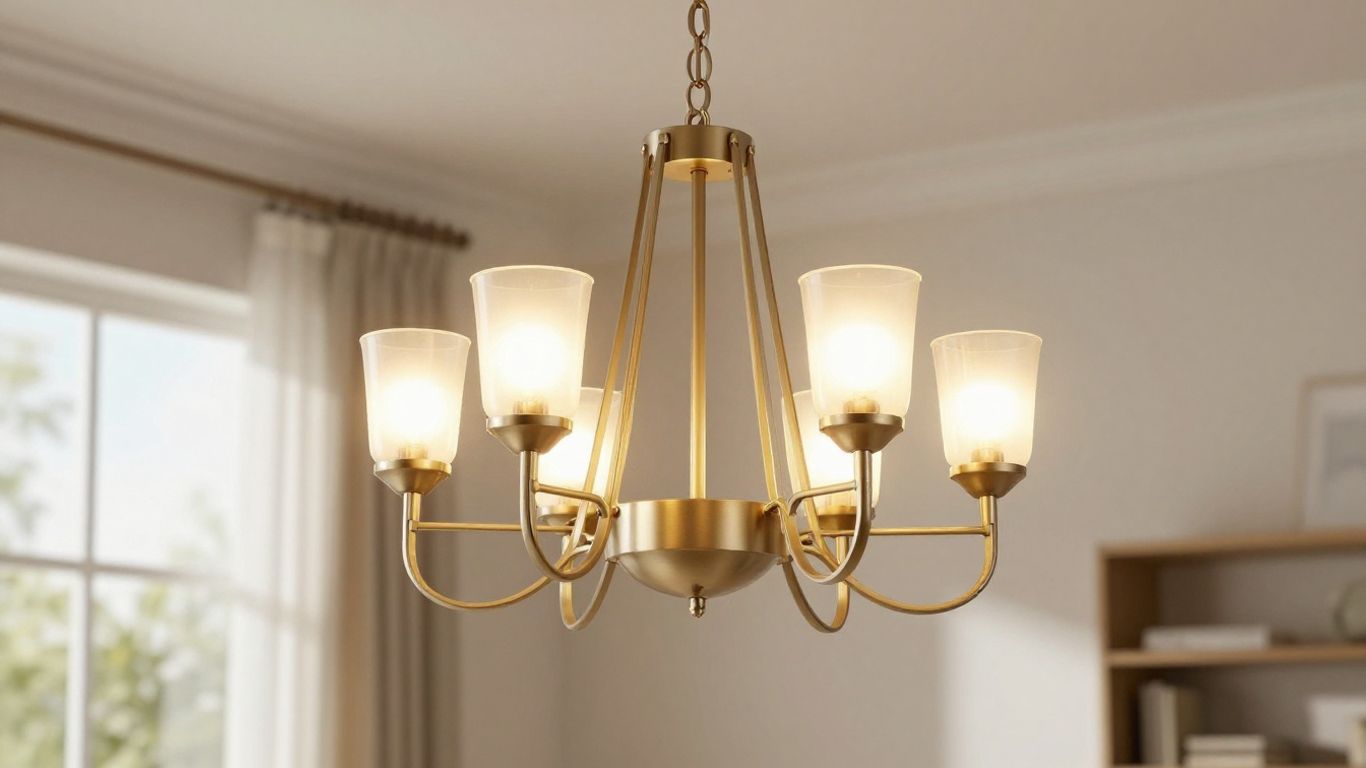
So, you've picked out a fantastic 3-light chandelier, but now the big question is where to put it. These fixtures are surprisingly versatile and can really change the feel of a room. They're not just for fancy dining rooms anymore; think of them as little powerhouses of style and light for almost any space.
Dining Room Ambiance with a 3 Light Chandelier
This is probably the most classic spot for a chandelier, and for good reason. A 3-light chandelier over a dining table creates a cozy, intimate feel, perfect for family dinners or entertaining friends. The key is getting the height right. Too high and it feels disconnected; too low and you might be ducking. A good rule of thumb is to hang it about 30 to 36 inches above the tabletop. This provides plenty of light for your meals without being blinding. It really helps to elevate your dining space and make it feel more special.
Kitchen Island Statements
Don't overlook the kitchen! A 3-light chandelier can be a real showstopper over a kitchen island. It adds a touch of elegance that you don't always see in kitchens. If your kitchen leans more modern, a sleek metal design with clean lines would work well. For a farmhouse vibe, consider something with a bit of rustic charm, maybe with wood accents or a matte black finish. It's a great way to add personality and make that island a real focal point.
Bedroom Serenity and Style
Your bedroom is your sanctuary, and a 3-light chandelier can add a touch of luxury and calm. Forget harsh overhead lights; a chandelier can provide a softer, more diffused glow. Think about a design with fabric shades or frosted glass to keep the light gentle. It's a wonderful way to make your bedroom feel more like a retreat. Plus, installing a dimmer switch here is a game-changer for setting the mood.
Entryway Grandeur
First impressions count, right? Hanging a 3-light chandelier in your entryway or foyer makes a bold statement as soon as someone walks in. It signals that you care about style and creates an immediate sense of welcome. Even in a smaller entryway, a well-chosen 3-light fixture won't overwhelm the space but will add that much-needed sparkle and polish. It's a simple way to add a bit of glamour to a transitional area.
When placing a 3-light chandelier, consider the room's overall scale. A fixture that's too small can get lost, while one that's too large can feel overpowering. Think about the diameter relative to the room size and the ceiling height. For rooms with higher ceilings, you might want a chandelier with a longer drop to fill the vertical space.
Here's a quick look at placement ideas:
- Dining Room: 30-36 inches above the table.
- Kitchen Island: Ensure it doesn't block views or traffic flow.
- Bedroom: Positioned centrally or over a seating area.
- Entryway: Centered in the space, considering head clearance.
Achieving the Ideal Glow with Your 3 Light Chandelier
So you've picked out a fantastic 3-light chandelier, but how do you make sure it actually lights up your room the way you want it to? It's not just about having a pretty fixture; it's about the light it gives off. Getting the ambiance just right can make a huge difference in how a room feels.
The Importance of Bulb Color Temperature
Think about the kind of mood you want to create. Bulbs come in different color temperatures, usually measured in Kelvin (K). Lower Kelvin numbers mean warmer, more yellow light, while higher numbers mean cooler, bluer light. For most living spaces, a warm white light, typically between 2700K and 3000K, is a good bet. It feels cozy and inviting, perfect for relaxing or entertaining. Cooler temperatures, like those above 4000K, can feel a bit sterile and are usually better suited for task lighting in places like garages or workshops. Choosing the right color temperature is key to making your chandelier feel welcoming, not clinical.
Leveraging Dimmable Bulbs for Versatility
One of the best things you can do for your lighting setup is to get dimmable bulbs and a compatible dimmer switch. This gives you so much control. You can have bright, functional light when you need it, like when you're cleaning or doing a craft project. Then, when it's time to unwind or have a dinner party, you can dim the lights down to create a softer, more intimate atmosphere. It’s like having multiple lighting moods from a single fixture. This flexibility means your 3-light chandelier can adapt to whatever you're doing in the room.
Layering Light with Complementary Fixtures
While your 3-light chandelier is a star, it doesn't have to do all the work. Think about adding other light sources to create a more layered and balanced look. Wall sconces can add accent lighting, highlighting artwork or architectural features. Table lamps and floor lamps provide task lighting for reading or ambient light in corners. This layering prevents harsh shadows and makes the room feel more complete and comfortable. It's about creating a lighting scheme, not just hanging one fixture. You can explore different styles of chandeliers that might complement your main fixture.
Don't underestimate the power of light. It can change the whole feel of a space, making it cozy, energetic, or calm. A well-lit room just feels better to be in, and getting the lighting right is a big part of that.
Light Up Your Life
So, there you have it. Finding the right light fixture can really change how a room feels, right? It’s not just about seeing where you’re going, but about setting a mood. Whether you’re going for something sleek and modern, cozy and rustic, or totally unique, a 3-light chandelier is a solid choice. They give off good light without being too much, and honestly, they just look good. Take a look around your place, think about what vibe you’re going for, and pick one that speaks to you. You might be surprised at how much a simple light can brighten things up, literally and figuratively.
Frequently Asked Questions
What makes a chandelier look modern instead of old-fashioned?
Modern chandeliers usually have simple, clean lines. They often use materials like metal with a matte finish or geometric glass shapes. Instead of fancy decorations, they might have cool, unique shapes that look more like art.
Can I use modern chandeliers in small houses or rooms with low ceilings?
Yes, definitely! Look for chandeliers that are semi-flush (sit close to the ceiling) or flush-mount (attach directly to the ceiling). Small, sculpted designs or ones with a short hang also work well. Many modern styles are made for regular ceiling heights and look great in apartments or smaller homes.
How bright should a modern chandelier be for everyday use?
It really depends on the room. The main idea is to have enough light to see comfortably, but it's best to use bulbs that can be dimmed. This way, you can make the light brighter for activities or softer for relaxing. For dining rooms, about 3,000 to 6,000 lumens is good. Living rooms might need less, around 1,500 to 3,000 lumens, depending on how big the room is.
Where do modern chandeliers make the biggest difference?
Dining rooms and above kitchen islands are popular spots because they become a main focus without getting in the way. Bedrooms, living rooms, and even bathrooms can also look amazing with a modern chandelier if it's the right size for the space.
What's the best way to choose the right size chandelier for my room?
A simple trick is to measure your room's length and width in feet, add those two numbers together, and that gives you a good idea of the chandelier's diameter in inches. For example, a room that's 12 feet by 14 feet would suit a chandelier about 26 inches wide. This is just a guide, but it helps!
How do I make sure my chandelier provides the right mood?
The type of bulbs you use is super important! For a warm and cozy feeling, especially with modern designs, use bulbs that give off a warm light (around 2700-3000 Kelvin). Also, choosing bulbs that can be dimmed gives you the most control to change the light for different times of day or activities.


Leave a comment