




Brighten Your Space: Choosing the Perfect Hallway Chandelier Lights
Your hallway is more than just a path from one room to another. It's a space that can set the tone for your whole home. And a big part of making it look and feel right? The lighting. Specifically, those hallway chandelier lights. They can totally change how a hallway feels, making it safer, easier to get around, and just plain nicer to look at. We'll walk through how to pick the right ones, from size to style, so your hallway goes from just okay to really welcoming.
Key Takeaways
- Hallway chandelier lights do more than just light up a space; they improve safety for walking and make the area look better.
- Figuring out the right size for hallway chandelier lights means looking at your hallway's length, width, and how tall your ceiling is.
- There are many styles of hallway chandelier lights, from modern looks to more rustic charm, so you can match your home's vibe.
- Using different types of lights together, like a main chandelier with wall lights, makes a hallway feel more complete and interesting.
- Picking the right light bulbs for your hallway chandelier lights matters for energy use, the mood you want, and how bright the light is.
Understanding The Importance Of Hallway Chandelier Lights
Hallways often get overlooked when we're thinking about home decor, but they're actually super important. They're the first thing people see when they enter your home, and they connect all your different rooms. Making sure your hallway is well-lit isn't just about looks; it's about making your home safer and more functional.
Enhancing Safety And Navigation
Think about it: a dark hallway can be a tripping hazard, especially if you're carrying something or if someone's visiting late at night. Good lighting makes it easier for everyone to see where they're going, preventing bumps and falls. It's especially helpful for kids or older folks who might need a bit more light to get around comfortably. A well-lit hallway means less worry about stubbed toes or missed steps.
Boosting Functionality And Accessibility
Beyond just safety, proper lighting makes your hallway more useful. Need to find something in a coat closet tucked away at the end of the hall? Good light makes that easy. It also helps you find the right door to a room without fumbling. For those with visual impairments, adequate lighting is absolutely key to making the space accessible and easy to use.
Elevating Visual Appeal And Ambiance
This is where the fun part comes in! A hallway chandelier can totally change the feel of your space. It's not just a light source; it's a design element. A stylish fixture can make a long, narrow hallway feel more inviting and grand. It sets the tone for the rest of your home, giving guests a hint of your personal style right from the start. Choosing the right chandelier can turn a simple passageway into a statement piece, adding a welcoming glow that makes your whole house feel more put-together. It's amazing how much difference a single fixture can make to the overall atmosphere, providing a warm, ambient glow that makes your home feel more inviting. A central chandelier can provide ambient light, setting a welcoming tone for different activities and gatherings.
Lighting is more than just seeing; it's about feeling. The right light can make a space feel cozy, welcoming, or even dramatic. It's a powerful tool in interior design that shouldn't be underestimated, especially in transitional areas like hallways.
Selecting The Right Scale For Hallway Chandelier Lights
Okay, so you've picked out a style you like, but now comes the tricky part: making sure it actually fits. Hanging a chandelier that's way too big or too small can really throw off the whole look of your hallway. It's like wearing shoes that are two sizes too big – just awkward.
Measuring Your Hallway Dimensions
First things first, grab a tape measure. You need to know the length and width of your hallway. Don't just guess! Write down the numbers. This is the foundation for everything else. For example, if your hallway is 15 feet long and 4 feet wide, those are your starting points. It sounds simple, but getting these measurements right is super important for picking the right size fixture. You can find some helpful formulas for this in this guide.
Calculating Appropriate Fixture Size
Now, let's talk about the chandelier itself. A common way to figure out the right diameter for your fixture is to add the length and width of your hallway together (in feet) and then convert that total to inches. So, for our 15-foot by 4-foot hallway, that's 15 + 4 = 19. That means you'd be looking for a chandelier around 19 inches in diameter. It's a good starting point, but remember, it's not a strict rule. Sometimes you might want something a little bigger or smaller depending on other factors.
Here’s a quick way to think about it:
- Small Hallways (under 5ft wide): Aim for fixtures around 12-18 inches in diameter.
- Medium Hallways (5-8ft wide): Look for fixtures in the 18-24 inch range.
- Wider Hallways (over 8ft wide): You can go bigger, 24 inches and up.
Considering Ceiling Height For Impact
Ceiling height plays a big role too. If you have really high ceilings, a smaller chandelier might look lost. Conversely, a huge chandelier in a low-ceilinged hallway can feel like it's about to bonk you on the head. A general rule for foyer lighting, which often applies to hallways too, is that the bottom of the fixture should be at least 7 feet off the floor. If your ceilings are 9-10 feet, this usually works out well. For higher ceilings, you can often go with a larger or longer fixture to fill that vertical space. Think about how the fixture will look from different angles and how it relates to the overall height of the space. The goal is to create a balanced look, not one that overwhelms or disappears.
Don't forget to think about the visual weight of the fixture. A very delicate, airy chandelier might be larger in diameter than a solid, heavy one, and still feel proportionate. It's not just about the numbers; it's about how it looks and feels in the space.
Exploring Styles Of Hallway Chandelier Lights
So, you've got your hallway measurements sorted and you're ready to pick out a light. But where do you even start with all the options out there? It's not just about brightness; the style of your chandelier can really change the whole feel of your home's entryway. Think of it as the first impression, you know?
Modern And Contemporary Designs
If your home leans towards clean lines and a minimalist vibe, modern and contemporary chandeliers are probably your best bet. These often feature geometric shapes, sleek metal finishes like brushed nickel or matte black, and sometimes even integrated LED lighting for a super clean look. They're all about simplicity and making a statement without being too fussy. You might see things like open cages, simple rods, or abstract designs. They really fit well in homes that have a more updated feel.
Traditional And Transitional Aesthetics
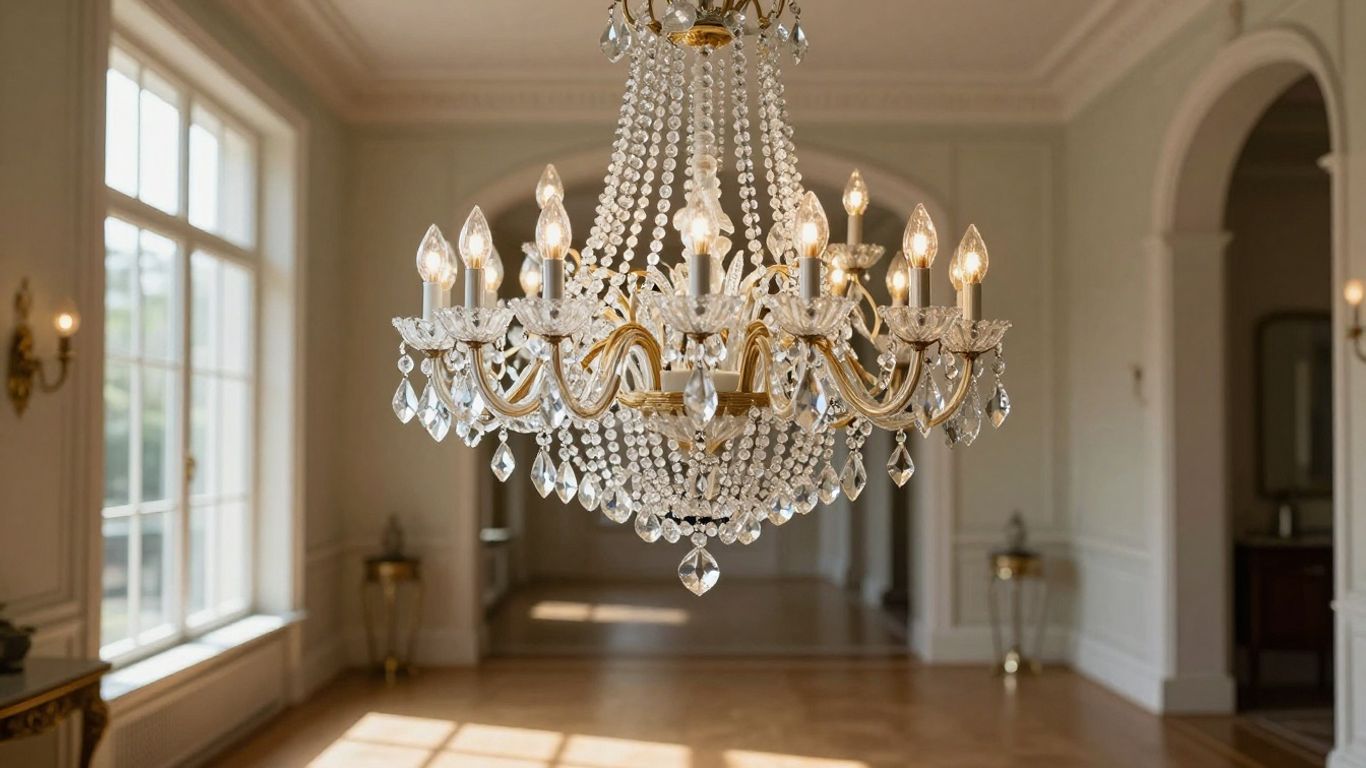
For a look that's a bit more classic or if you have a mix of old and new decor, traditional and transitional styles are worth a look. Traditional chandeliers often have more ornate details, like crystal accents, curved arms, and a warmer metal finish such as bronze or brass. Transitional styles are a bit of a bridge between modern and traditional, offering a more updated take on classic designs. Think of a slightly simpler silhouette with maybe a touch of crystal or a more neutral finish. These can really tie together a home that has a bit of history or a more formal feel. You can find some really beautiful entryway chandelier styles that fit this description.
Farmhouse And Rustic Charm
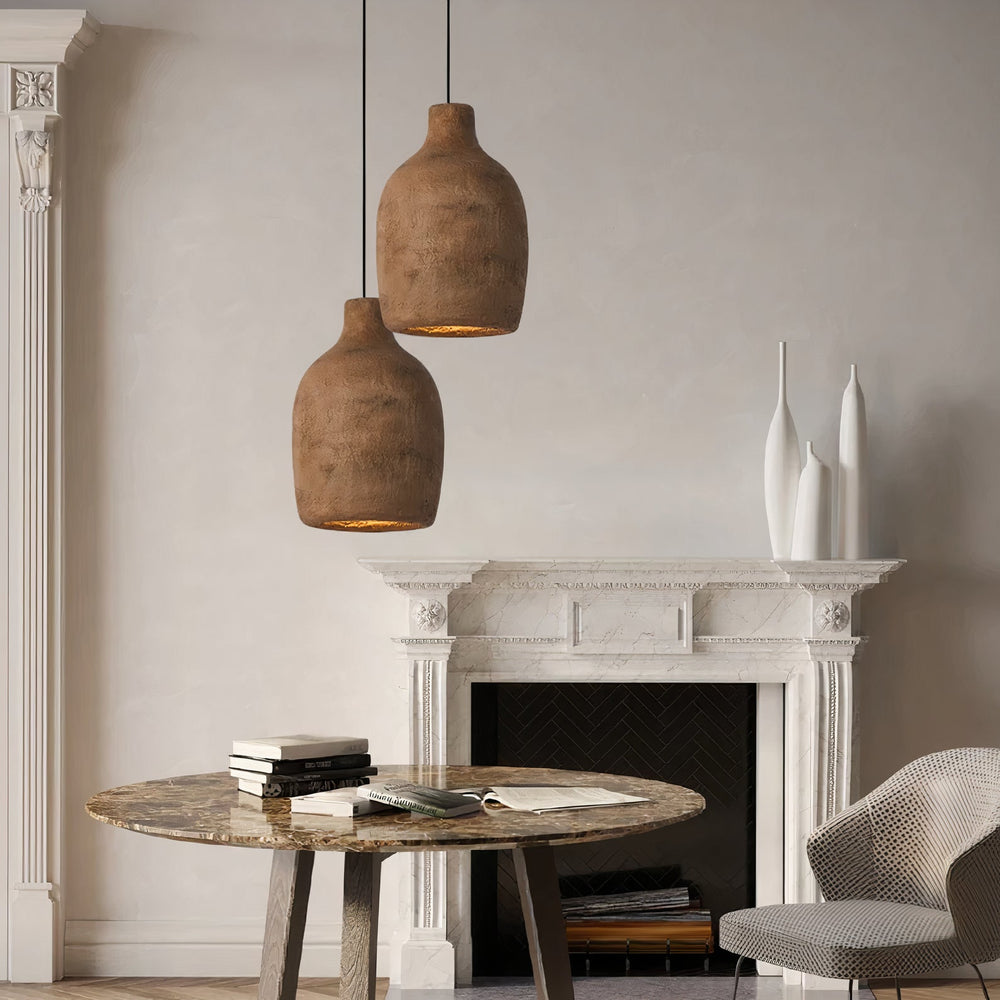
Got a farmhouse vibe going on, or maybe you just love that cozy, rustic feel? There are chandeliers for that too! These often incorporate natural materials like wood, wrought iron, or distressed metal finishes. You'll see designs that mimic old lanterns, have exposed bulbs, or feature simple, sturdy shapes. They bring a warmth and a down-to-earth quality to a hallway that can feel really inviting. Imagine something with a bit of an antique look, maybe with a matte black finish and some simple glass shades. It’s all about that comfortable, lived-in aesthetic.
Choosing the right style isn't just about following a trend; it's about finding a fixture that feels right for your home and the people who live in it. It should complement your existing decor and make the hallway feel more welcoming.
Layering Light With Hallway Chandelier Lights
Think of your hallway lighting like a good outfit – it needs more than just one piece to look complete. A single chandelier, while lovely, might not cover all your bases. Layering light means using a mix of fixtures to create a more functional and visually interesting space. It's about combining that main overhead piece with other light sources to banish dark corners and add some personality.
Combining Overhead And Wall Illumination
Your hallway chandelier is likely the star of the show, but it shouldn't be the only light source. Wall sconces are fantastic for filling in the gaps. They cast a softer glow and can highlight architectural details or artwork along the walls. Placing them strategically can make a long hallway feel more intimate and less like a tunnel. It’s a great way to add warmth and ambiance without overwhelming the space. Think about placing sconces at eye level, about 60-66 inches from the floor, to provide a comfortable light.
Using Accent Lighting Strategically
Beyond the main overhead and wall lights, accent lighting can really make your hallway pop. This is where you can get a bit creative. Maybe you have a console table with a few decorative items on it; a small picture light or a tiny spotlight directed at it can draw attention. Or perhaps there's a piece of art you want to showcase. Accent lighting is all about drawing the eye to specific features and adding depth. It’s the subtle touch that makes a big difference.
Creating Depth With Multiple Fixtures
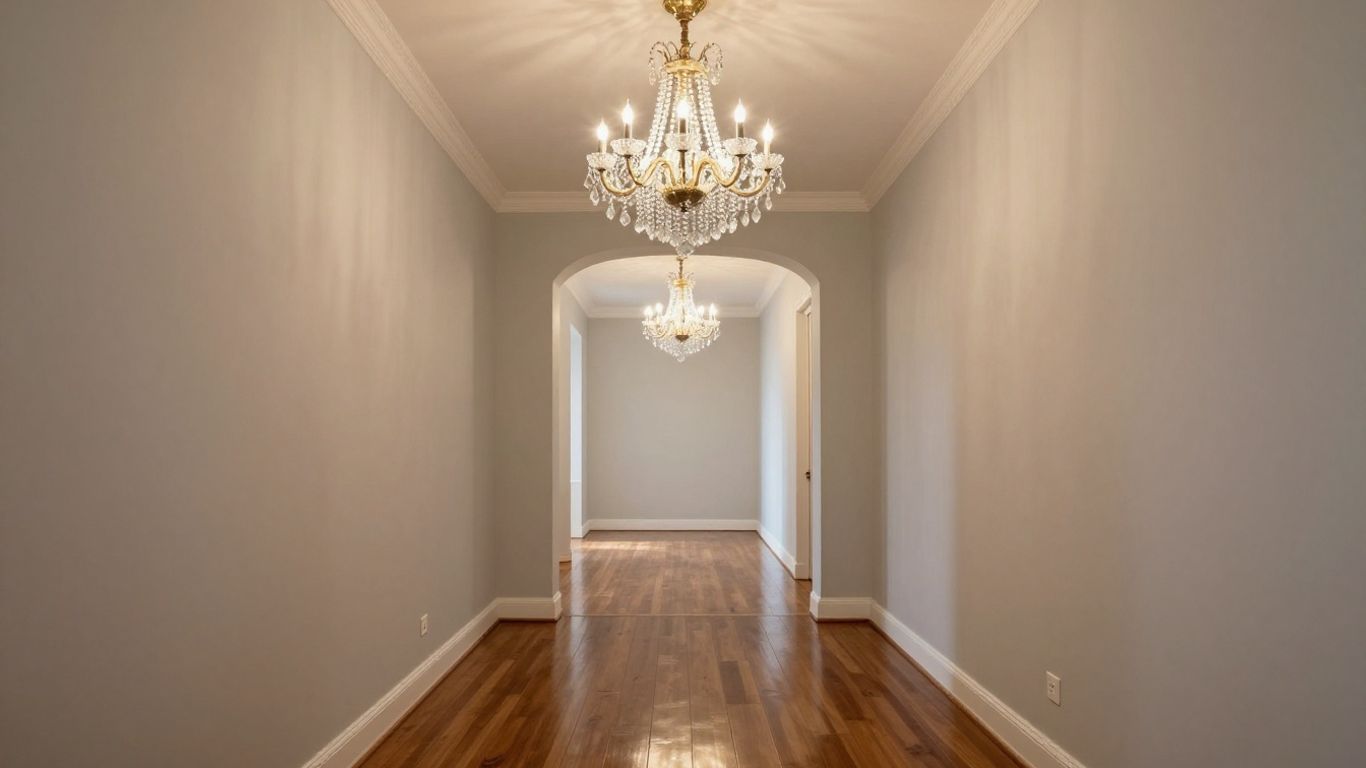
Using more than one fixture, especially in longer or wider hallways, can break up the monotony and add visual interest. Instead of one large chandelier, consider two smaller pendants hung in a row. This can create a sense of rhythm and guide the eye down the length of the hall. For very grand hallways with high ceilings, you might even consider a series of fixtures at varying heights. This approach not only provides ample light but also turns the hallway into a design feature itself. It’s a smart way to plan lighting in layers from the start.
Don't be afraid to mix and match styles a little, as long as the overall feel remains cohesive. The goal is to create a welcoming and well-lit path through your home, not a sterile gallery.
Here’s a quick rundown of how to think about combining lights:
- Overhead Fixture: Your main chandelier or flush mount. Provides general illumination.
- Wall Sconces: Add ambient light and visual interest along the walls.
- Accent Lights: Spotlights or small lamps to highlight art or decor.
This layered approach ensures that your hallway is not only safe and easy to navigate but also a beautiful and inviting part of your home's overall design.
Choosing The Perfect Bulb For Your Hallway Chandelier Lights
So, you've picked out a killer chandelier for your hallway. Awesome! But wait, what about the bulbs? It might seem like a small detail, but the right bulb can totally change the vibe of your hallway. It's not just about brightness; it's about the color of the light and how much energy it uses.
Energy Efficiency With LED Options
Let's talk about LEDs first. They're the go-to these days, and for good reason. They use way less electricity than old-school incandescent bulbs, which means your power bill will thank you. Plus, they last ages, so you won't be up on a ladder changing bulbs every few months. Seriously, some can last for years. It’s a win-win for your wallet and your sanity.
Selecting Color Temperature For Mood
This is where things get interesting. Bulb color temperature is measured in Kelvin (K). Lower Kelvin numbers mean warmer, more yellowish light, while higher numbers mean cooler, bluer light.
- 2700K: This is a really warm, cozy light, similar to what you'd get from an old incandescent bulb. It's great for creating a welcoming, relaxed atmosphere in your hallway. Think of it as a gentle hug for your eyes.
- 3000K: This is a bit brighter and whiter, often called "neutral white." It's still pleasant but offers a bit more clarity, which can be nice for hallways where you might need to see details a bit better. It's a good middle ground.
- 4000K and above: This is getting into "cool white" or even "daylight" territory. It's very bright and can make a space feel very modern, but it can also feel a bit stark or clinical in a home setting, especially in a hallway. Probably best to avoid these for most home hallways.
For most hallways, sticking between 2700K and 3000K is usually the sweet spot. You want it to feel inviting, not like an operating room.
Determining Optimal Brightness Levels
Brightness, or lumens, is another factor. Hallways aren't usually places where you need super bright, task-specific lighting, but you don't want them to be dingy either. The goal is usually ambient light – enough to see clearly and feel safe, but not so much that it's glaring. Dimmable bulbs are your best friend here. They let you adjust the brightness depending on the time of day or your mood. You can have it brighter when guests are over or dim it down for a more relaxed evening feel. It’s all about control and creating the right atmosphere. You can find bulbs with different lumen outputs, but for a general hallway chandelier, something in the 800-1100 lumen range per bulb is often a good starting point, especially if you have dimmers. Remember, you can always add more light with sconces if needed, but it's harder to take it away once it's too bright.
Choosing the right bulb is like picking the right paint color for a room; it has a huge impact on the overall feel. Don't just grab the first bulb you see. Take a moment to consider the warmth, brightness, and efficiency. It makes a bigger difference than you might think.
If you're unsure about color temperature, a good rule of thumb is to look for bulbs that are labeled as "warm white" or "soft white" for a cozier feel, or "bright white" for a bit more clarity. Many manufacturers will also provide guidance on the packaging about the mood the bulb creates. For a hallway, you generally want a welcoming glow, so lean towards the warmer end of the spectrum. Consider the mood and function of your hallway when making your choice.
Installation Considerations For Hallway Chandelier Lights
Proper Hanging Height Guidelines
Getting the height right for your hallway chandelier is super important. You don't want people bumping their heads, but you also want the light to look proportional and do its job. A good rule of thumb is to have the bottom of the fixture hang at least 7 feet from the floor. This works well for most standard ceiling heights, usually around 8 to 9 feet. If you have higher ceilings, you can go a bit lower with the fixture, but always keep that 7-foot minimum in mind for clearance. For really tall ceilings, like in a two-story foyer or a grand hallway, you might hang the fixture so its bottom is level with the second floor, which could be 8 feet or more off the ground. It's all about making sure it's safe and looks balanced.
Ensuring Clearance For Movement
Beyond just the height from the floor, think about how people actually use the hallway. Are there doors that swing open into the space? You'll need to make sure the chandelier won't get in the way when those doors are opened. If a door opens towards the fixture, you might need to choose a shallower light or adjust its position. Also, consider if people will be carrying large items through the hallway. You want enough headroom so that moving furniture or carrying boxes isn't a hassle. Always measure the swing of any doors that might interfere with the fixture's placement.
Coordinating With Architectural Features
Your hallway chandelier shouldn't just hang there; it should feel like it belongs. Think about the overall style of your home and the hallway itself. Does it have crown molding? Are the doorways arched? A chandelier with some decorative scrolls might look great with classic architecture, while a sleek, minimalist design would fit better in a modern home. You can also coordinate the finish of the chandelier with other hardware in the hallway, like doorknobs or light switch plates, to create a cohesive look. Sometimes, a well-placed chandelier can even highlight architectural details you might not have noticed before. If you're unsure about the best way to hang your fixture, checking out installation guides can offer helpful step-by-step advice.
When installing, remember that hallways are often narrow. A fixture that's too wide can make the space feel cramped, even if it's hung at the correct height. Consider the overall width of your hallway when selecting a chandelier to ensure it complements, rather than overwhelms, the space.
Wrapping It Up
So, picking out the right light for your hallway might seem like a small thing, but it really makes a difference. Whether you go for a big, fancy chandelier that makes a statement or a few simple sconces that just get the job done, good lighting makes your hallway safer and way more welcoming. Think about the size of your space, the style of your home, and what kind of mood you want to create. Don't be afraid to mix and match different types of lights to get it just right. A little effort here can totally change how your whole house feels when people walk in.
Frequently Asked Questions
Why is lighting in hallways so important?
Hallways are like the veins of your home, connecting different rooms. Good lighting makes them safer to walk through, especially at night, and helps you find things easily. Plus, nice lights can make your hallway look much better and feel more welcoming.
How do I pick the right size chandelier for my hallway?
First, measure your hallway's length and width. A general rule is to add the hallway's height and width (in feet) to get a rough idea of how many inches wide your light fixture can be. But the most important thing is that it looks balanced and not too big or too small for the space.
What's the best height to hang a hallway chandelier?
For most hallways, the bottom of the chandelier should be at least 7 feet off the floor. This way, people won't bump their heads. If you have really high ceilings, you might hang it a bit higher, maybe even level with a second floor if you have one.
Can I use more than one light fixture in my hallway?
Absolutely! Using multiple lights, like a main chandelier and some wall lights, can make your hallway look more interesting and ensure it's well-lit everywhere. This is called layering light, and it adds depth and style.
What kind of light bulbs should I use in my hallway chandelier?
LED bulbs are a great choice because they save energy and last a long time. Think about the color of the light, too. Warmer lights (more yellow) create a cozy feel, while cooler lights (more blue) can make a space feel brighter and more modern. Make sure the bulbs are bright enough for safe walking but not so bright they're glaring.
Do I need to match the chandelier style to my home's decor?
Yes, it's a good idea! If your home has a modern look, a sleek metal chandelier would fit well. If it's more traditional, a chandelier with classic details might be better. The light fixture should feel like it belongs with the rest of your home's style.


Leave a comment