




Achieve Stunning Illumination: A Guide to Recessed Lights for Vaulted Ceilings
Vaulted ceilings are pretty amazing, right? They make a room feel so much bigger and more open. But getting the lighting just right can be a bit tricky. You don't want weird shadows or dark corners. That's where knowing about recessed lights for vaulted ceilings comes in handy. When you pick the right ones and put them in the right spots, they can light up your space perfectly without messing with those cool ceiling lines. We'll go through what you need to know to make your vaulted ceiling look its best.
Key Takeaways
- For vaulted ceilings, go for adjustable recessed lights (like gimbals) so you can point the light exactly where you want it. This helps avoid dark spots and makes sure the room is lit evenly.
- Putting lights in vaulted ceilings is more complicated than flat ones. It's smart to plan carefully and often best to hire someone who knows what they're doing to make sure it's safe and looks good.
- Standard recessed lights shine straight down. On a sloped ceiling, this can cause uneven lighting. Adjustable fixtures let you control the light beam.
- When installing, make sure the lights are safe to be around insulation (look for IC-rated) to prevent fire hazards.
- Using dimmers and adding other types of lights, like pendants or sconces, can help create different moods and make your vaulted ceiling look even better.
Understanding Vaulted Ceiling Recessed Lighting
What is Vaulted Ceiling Recessed Lighting?
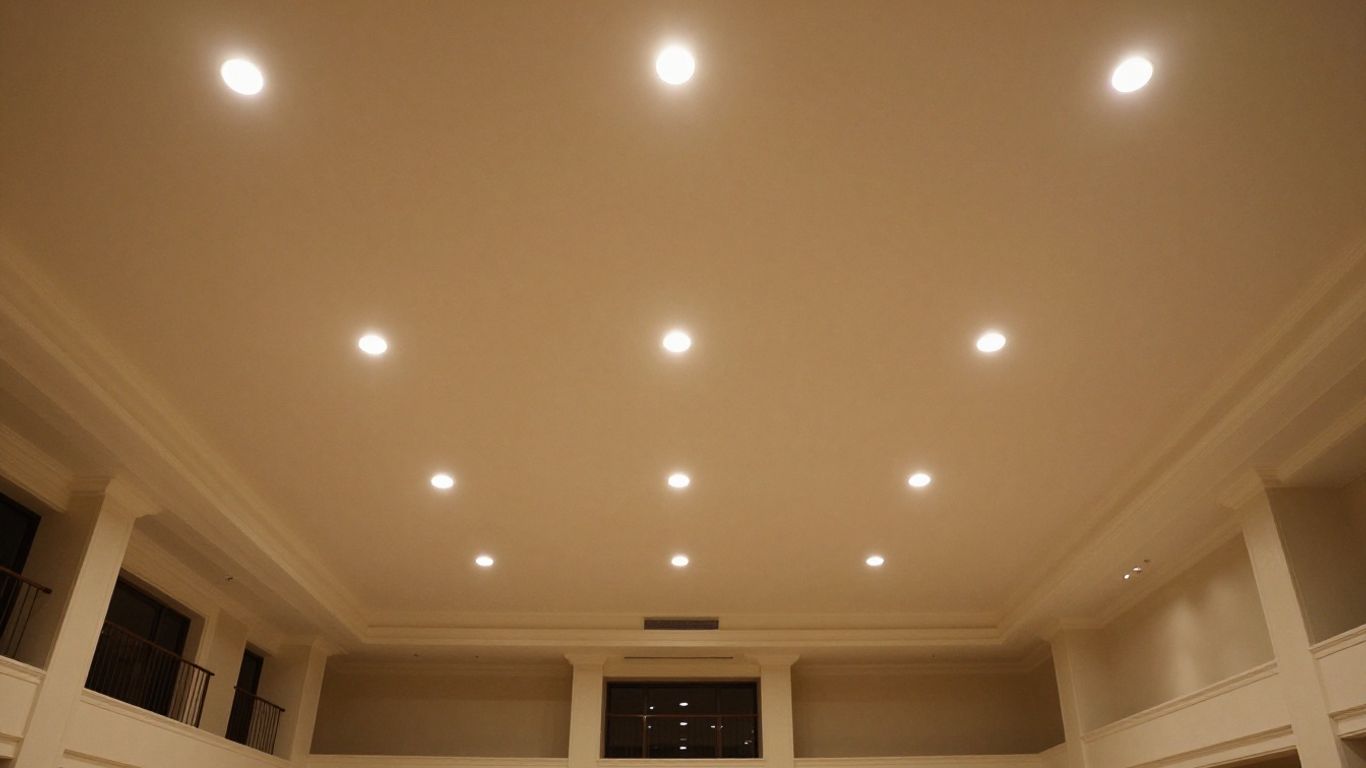
Vaulted ceilings are pretty amazing, right? They give a room this grand, open feel that flat ceilings just can't match. They really draw your eye upward. So, when we talk about recessed lighting for these kinds of ceilings, we're talking about lights that get built right into those angled surfaces. The whole point is to get light into the room without having anything hanging down and messing with the clean lines of the ceiling itself. It's about making the light part of the architecture, so the ceiling's height and shape can really be the star of the show. It keeps the space feeling airy and uncluttered, which is usually why people love vaulted ceilings in the first place.
Why is Lighting Vaulted Ceilings Different?
Lighting a vaulted ceiling is a bit trickier than a regular flat one. Think about it: standard recessed lights are made to shoot light straight down. If you put those into a sloped ceiling, the light beam is going to hit the floor at an angle. This can cause some weird lighting situations – maybe one spot is super bright, and another is left in the dark. You end up with uneven light and shadows where you don't want them. It's not just about the angle of the light, either. Working at those heights and angles means the installation itself needs a bit more care and planning.
The Basics of Vaulted Ceiling Recessed Lighting
When you're putting lights into a vaulted ceiling, the goal is usually to spread light evenly across the room. These fixtures are designed to be installed flush with the ceiling surface, so they don't stick out. For vaulted ceilings, you'll often see adjustable fixtures, sometimes called gimbal lights. These are great because you can actually tilt the light source inside the fixture. This lets you aim the light precisely where you need it, whether that's down onto a living area or across a wall to highlight artwork. It’s a smart way to control where the light goes.
Here’s a quick rundown of what makes them work:
- Adjustable Gimbals: These allow you to direct the light beam.
- Sloped Ceiling Trims: Some trims are specifically designed to sit flush on an angle.
- Proper Housing: You need the right kind of box (housing) in the ceiling to hold the light and connect it to power.
Choosing the right type of recessed light and planning its placement is key. You don't want to end up with a room that feels like a spotlight show or a dark cave. It's all about balance and making the most of that beautiful ceiling height. For more on how to plan this out, check out how to plan and lay out recessed lighting.
When picking out lights for these spaces, you'll want to think about the trim style and the housing. If your lights are going to be near insulation, you absolutely need to make sure they are IC-rated. This is a safety thing to prevent overheating. It's a detail that makes a big difference in the long run. You can find more details on lighting vaulted or sloped ceilings to help you pick the best options.
Choosing the Right Recessed Lights for Sloped Ceilings
So, you've got these amazing vaulted ceilings, and now you're thinking about recessed lights. It's a great idea, but it's not quite as simple as putting them in a flat ceiling. Because your ceiling is angled, standard lights might not point where you want them to, leading to weird shadows or uneven brightness. You really need fixtures that can handle that slope.
Essential Features for Vaulted Ceilings
When you're picking out lights for a sloped ceiling, there are a few things that become super important. First off, you'll want to look for lights that can be adjusted. Standard recessed lights just shine straight down, which is fine for flat ceilings, but on a vault, that beam can hit the ceiling itself or point off to the side, missing the main area you want to light. This is where adjustable fixtures really shine.
- Adjustability: Look for lights where you can tilt and swivel the bulb or the entire fixture. This lets you aim the light precisely where it needs to go, whether that's down onto a living area or across a wall to highlight artwork.
- Trim Style: Consider how the trim will look against your ceiling. Some trims are designed to blend in, while others can add a decorative touch. For vaulted ceilings, a trim that sits flush or has a slight angle can sometimes look better.
- Housing Type: This is a big one for safety and efficiency. If your lights will be near insulation, you absolutely need "IC-rated" (Insulation Contact) housings. This prevents the light from overheating the insulation, which is a fire hazard. Non-IC rated housings need a gap between them and the insulation, which can be tricky and costly in vaulted spaces.
Adjustable Fixtures for Precise Illumination
This is where things get interesting. For vaulted ceilings, you're generally going to want to look at what are often called "gimbal" or "eyeball" recessed lights. These are built so you can move the light source itself. Think of it like a little spotlight you can aim. This adjustability is key because it lets you direct the light exactly where you want it, no matter the angle of your ceiling. It means you can get even lighting across your room without having to install a ton of fixtures. You can find these types of lights designed specifically for sloped ceilings, which makes installation a bit easier and ensures they sit correctly. Getting the aim right is half the battle, and these fixtures make it much more manageable. You can find some great options for adjustable recessed lights that are perfect for this.
Considering Trim and Housing Types
Beyond just the adjustable part, you've got to think about the housing and the trim. The housing is the box that goes up in the ceiling, and as mentioned, if it's touching insulation, it must be IC-rated. This is non-negotiable for safety. For vaulted ceilings, you might find housings specifically designed for sloped applications, which can make aiming the light easier during installation. Then there's the trim – that's the visible ring around the light. You can get trims that are designed to be low-profile and blend in, or ones that have a bit more detail. For a vaulted ceiling, sometimes a simpler trim works best so it doesn't draw attention away from the architecture. You might also see trims that are angled to match the slope of the ceiling, which can look really clean. It's worth looking at different brands to see what they offer in terms of specialized trims and housings for sloped ceilings.
Choosing the right recessed lights for a vaulted ceiling isn't just about aesthetics; it's about function and safety. The unique angles require fixtures that can direct light effectively and housings that meet safety standards, especially around insulation. Taking the time to select adjustable fixtures and appropriate housings will make a big difference in the final look and performance of your lighting.
Designing Your Vaulted Ceiling Lighting Solution
Vaulted ceilings are pretty amazing, right? They make a room feel so much bigger and more open. But getting the lighting just right can be a bit tricky. You don't want to end up with weird dark spots or blinding glare. It's all about placing your lights smart so they work with, not against, those beautiful angles.
Strategic Placement to Avoid Glare and Shadows
When you're dealing with a sloped ceiling, the usual downlights might not cut it. They can cast shadows on the ceiling itself or create glare if they're aimed wrong. The trick here is to use adjustable fixtures, often called gimbal or eyeball lights. These let you tilt and turn the light beam, so you can point it exactly where you need it. This means you can light up your walls, artwork, or specific areas without shining light straight back at someone's eyes or creating those unwanted shadows on the ceiling. Think about the main purpose of the room. If it's a living area, you might want to wash light down the walls to make the space feel cozy. For a workspace, you'll want direct light on your desk. It's about directing the light where it's most useful and looks best.
Layering Light for Depth and Ambiance
Recessed lights are great for general illumination, but they can sometimes make a big room feel a little flat if they're the only light source. That's where layering comes in. You want to mix different types of lighting to create a more interesting and inviting atmosphere. Imagine using your recessed lights for the main light, then adding some wall sconces that cast light upwards onto the ceiling slopes. Maybe a stylish pendant light over a dining table or kitchen island can act as a focal point. This mix of light sources adds depth and makes the room feel more dynamic. It's like painting with light, using different brushes and colors to create a masterpiece.
Using Design to Enhance Architectural Features
Your vaulted ceiling is a design feature in itself, so your lighting should complement it. Think about the trim of your recessed lights. Do you want them to blend in and disappear, or make a subtle statement? There are different styles like baffle, reflector, or even wall-wash trims, each creating a slightly different effect. For instance, wall-wash trims are designed to direct light down the wall, which can really highlight textures or artwork. Also, consider how the lights work with the overall style of your room. If you have a modern home, sleek, minimalist trims might be best. For a more rustic feel, you might choose something different. It's about making the lighting feel like a natural part of the room's design, not an afterthought. You can even use smart controls to adjust the mood, making it easy to go from bright and functional to soft and relaxing. This kind of thoughtful design makes a big difference in how the whole space feels. For more ideas on placement, check out this guide on sloped ceiling adapters.
Designing lighting for vaulted ceilings is a bit like solving a puzzle. You have these amazing architectural elements, and you want your lights to highlight them without causing problems like glare or shadows. It takes a little planning, but the result is a space that feels both grand and comfortable.
Maximizing Efficiency and Ambiance
So, you've got these amazing vaulted ceilings, and now you want them to look good and feel right, without burning through electricity like crazy. It’s totally doable. It’s all about being smart with how you use your lights and what kind of lights you pick.
The Impact of Dimmers and Smart Controls
Think about putting in dimmer switches. Seriously, they're a game-changer. You can go from bright and functional for cleaning or working to a soft, cozy glow for movie night, all with a simple slide or turn. It’s not just about saving a bit on your electric bill, though that’s nice too; it’s about setting the mood. Being able to adjust the light level makes a huge difference in how a room feels. Smart controls take it a step further. You can set schedules, control lights from your phone, or even have them react to the time of day. It’s pretty neat and can make your home feel more modern and convenient.
Complementary Lighting for a Layered Look
Recessed lights are great for the main lighting, but they shouldn't be the only thing you have. To really make a vaulted ceiling space feel warm and inviting, you need layers. Think about adding floor lamps in corners to create cozy reading spots, or maybe some stylish table lamps on sideboards. Even wall sconces can add a nice touch. This mix of lighting types helps fill in the tall spaces and prevents the room from feeling like a big, empty box. It’s about creating different zones and moods within the same room. You can find some great ideas for ambient balance that complement your main fixtures.
Selecting Bulb Brightness and Color Temperature
When you're picking out bulbs for your recessed lights, don't just grab any old thing. The brightness, measured in lumens, and the color temperature, measured in Kelvin (K), really matter. For vaulted ceilings, you often want a color temperature that feels warm and welcoming, usually somewhere between 2700K and 3000K. This gives off a yellowish light, kind of like a traditional incandescent bulb, which feels more comfortable than a stark, blueish light. Too bright, and it can feel harsh; too dim, and the room might feel gloomy. It’s a balance. LEDs are usually the way to go these days because they last ages and use way less power. You can get them in all sorts of brightness levels and color temperatures now, so you have plenty of options.
Getting the light right in a big room with a high ceiling is like painting. You need different colors and techniques to make it look interesting and feel just right. Just using one type of light is like using only one color – it’s going to look flat.
Here’s a quick look at bulb choices:
- Brightness (Lumens): Higher lumens mean more light. For general lighting in a large room, you might need more lumens per fixture than in a smaller space.
- Color Temperature (Kelvin): Lower Kelvin (2700K-3000K) is warm and yellow. Higher Kelvin (4000K+) is cool and blue.
- Beam Angle: This affects how wide the light spreads. A wider beam is good for general coverage, while a narrower beam can be used for accent lighting.
Choosing the right combination helps make your vaulted space feel just right, whether you're entertaining guests or just relaxing at home. It’s all part of creating that perfect atmosphere. You can learn more about layering light to achieve this.
Installation Considerations for Vaulted Ceilings
Putting recessed lights into a vaulted ceiling can feel a bit more involved than a regular flat ceiling, and honestly, it is. You've got angles to think about, and getting things positioned just right is key. Safety first, always, means making sure the power is off before you even think about touching wires. It’s not just about avoiding a shock; it’s about making sure everything is wired correctly so there are no fire hazards down the line.
When you're planning where each light goes, think about how the slope will affect the light beam. You don't want lights pointing too far down one side of the room, leaving the other side in the dark. A good rule of thumb is to space fixtures about 4 to 6 feet apart, and keep them at least 3 feet from walls. This helps spread the light out evenly across the space. You can check out some general guidelines for fixture spacing to get a better idea.
Here are a few things to keep in mind during the actual installation:
- Power Off: Double-check that the circuit breaker is off for the area you're working in. Use a voltage tester to be absolutely sure.
- Access: Vaulted ceilings are high. Make sure you have a sturdy ladder or scaffolding that allows you to work safely and comfortably.
- Wiring: Use the correct gauge wire for the job and make sure all connections are secure and properly insulated. If you're unsure about any part of the electrical work, it's best to call in a professional.
- Fixture Type: Make sure the recessed light housings you're using are suitable for sloped ceilings. Some standard housings might not angle correctly.
Working at heights and with electricity requires careful attention. It's easy to overlook a small detail when you're up on a ladder, but those small details can make a big difference in the safety and longevity of your lighting system. Don't rush the process.
Also, think about insulation. If your recessed lights are going into an attic space above the vaulted ceiling, you'll want to make sure they are IC-rated (Insulation Contact rated). This means the fixture is designed to be safely installed directly against insulation without overheating. Not using IC-rated fixtures where insulation is present is a major fire risk. It’s a detail that’s easy to miss but incredibly important for safety. If you're not comfortable with any of these steps, hiring a qualified electrician is a smart move. They have the experience and tools to get the job done right, and it can save you a lot of headaches, not to mention potential safety issues. You can find more tips on proper installation to help guide the process.
Maintaining Your Vaulted Ceiling Recessed Lights
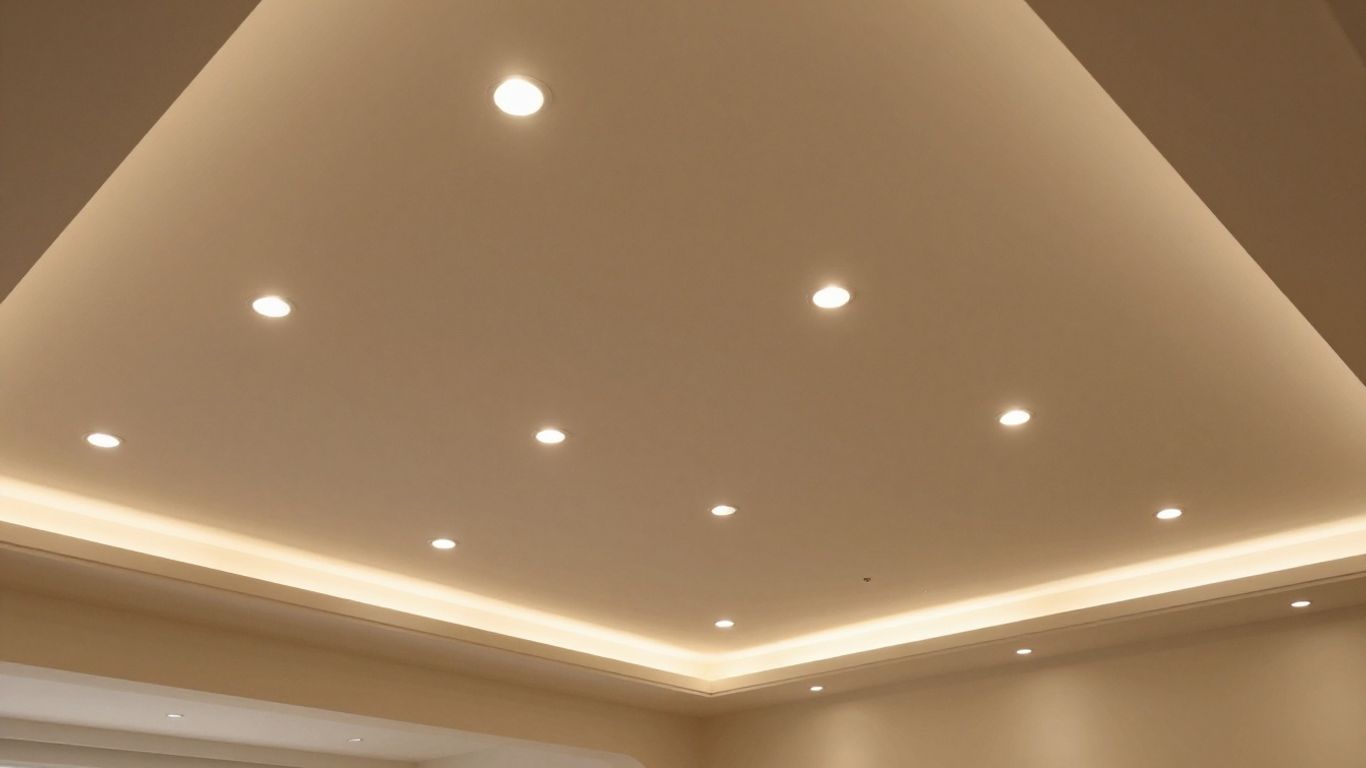
Once your beautiful vaulted ceiling recessed lights are in place, a little care goes a long way in keeping them shining brightly and functioning perfectly for years. Think of it like any other important feature in your home – regular attention ensures longevity and performance. Proper maintenance isn't just about looks; it's also about safety and efficiency. From simple dusting to knowing when an upgrade makes sense, these tips will help you get the most out of your lighting investment.
Regular Cleaning for Optimal Performance
Keeping your recessed lights clean is pretty straightforward, but it's important to do it right. Dust and grime can build up over time, dimming the light output and making your fixtures look a bit sad. The simplest way to keep them looking good is with a soft, dry cloth or a feather duster. Just make sure the lights are turned off and have cooled down completely before you start. For tougher spots, a slightly damp cloth can work, but avoid using any harsh chemicals or abrasive cleaners, as these can damage the finish or the lens.
Here’s a quick rundown:
- Turn off the power: Always switch off the circuit breaker for the lights you're cleaning.
- Let them cool: Give the bulbs and fixtures time to cool down.
- Dust gently: Use a soft cloth or duster to wipe away dust.
- Wipe if needed: For stubborn marks, use a slightly damp cloth, then dry immediately.
Remember, cleaning isn't just about aesthetics. A clean fixture performs better and can even run a bit cooler, which is always a good thing for electrical components.
When to Consider Upgrades or Replacements
Even with regular cleaning, light bulbs eventually burn out, and fixtures can become outdated or less efficient. If you notice a bulb flickering or a fixture not performing as it used to, it might be time for a change. LEDs, for instance, have a much longer lifespan than older bulb types, so if you're still using incandescent or halogen bulbs, upgrading to LEDs can save you money on energy bills and reduce how often you need to replace bulbs. You might also consider upgrading if newer fixtures offer better light quality, improved energy efficiency, or features like adjustable color temperature that can further enhance your home's ambiance.
Sometimes, a whole fixture might need replacing if it's damaged or no longer meets your needs. If you've recently renovated or changed the function of a room, your old lighting setup might not be cutting it anymore. It's worth assessing your lighting every few years to make sure it's still serving you well.
Bringing It All Together
So, we've talked about why vaulted ceilings are so cool and how recessed lights can really make them shine. Remember, picking the right adjustable lights, like gimbals, is key to avoiding weird shadows. And when it comes to putting them in, especially with those high, sloped ceilings, it's usually best to call in a pro. They know how to handle the angles and the wiring safely. By putting a little thought into your lighting plan, you can make your vaulted ceiling look amazing and your whole room feel just right. It’s about making that big, open space feel both grand and cozy, all at the same time.
Frequently Asked Questions
Why are vaulted ceilings different to light than flat ceilings?
Regular lights are made to shine straight down. When you put them on a sloped ceiling, the light beam also hits at an angle. This can create weird shadows and make some spots too bright while others stay dim. Vaulted ceilings need lights that can be aimed or are designed differently to spread light evenly across the angled surface.
What's the main benefit of using recessed lights in a vaulted ceiling?
The biggest plus is that recessed lights blend right into the ceiling. This keeps the focus on your beautiful, high ceiling and makes the room feel even more open and spacious. You get great light without any bulky fixtures getting in the way.
Do I have to use only recessed lights for my vaulted ceiling?
Nope! While recessed lights are a great choice, they aren't your only option. You can also use cool pendant lights that hang down, fancy chandeliers, or wall lights that shine light up the slopes. Often, mixing different kinds of lights works best to make the room feel cozy and interesting.
Can I install recessed lights in my vaulted ceiling myself?
Installing lights in a vaulted ceiling can be tricky and even dangerous if you're not experienced. It involves working at heights, dealing with angles, and handling electrical wiring. It's usually best to hire a professional electrician to make sure it's done safely and correctly.
What kind of lights are best for sloped ceilings?
Look for 'gimbal' or 'eyeball' recessed lights. These have a special part that lets you tilt and turn the light bulb. This means you can aim the light exactly where you want it, making sure the whole room is lit up evenly and avoiding those annoying shadows.
How far apart should I place recessed lights on a vaulted ceiling?
A good rule of thumb is to space them about 4 to 6 feet apart. Also, try to keep them at least 3 feet away from walls. This helps spread the light out evenly and stops glare or dark spots from forming, making your room feel nicely lit all over.


Leave a comment